
Planting
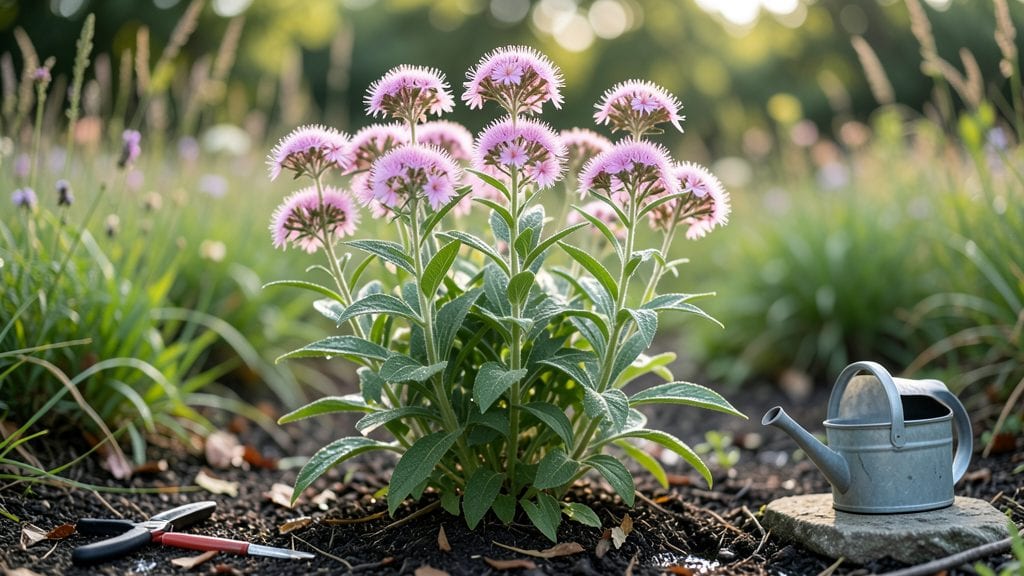
This feathery flowers plant isn’t just pretty—it’s the Pacific Northwest’s secret weapon for turning gardens into butterfly buffets year-round. 🌿 I’ve spent years watching monarchs and swallowtails flutter through my feathery foliage borders, and the difference between a garden that feels alive and one that just looks planted is those delicate plumes swaying in the breeze.
Plants like Miscanthus sinensis or Asclepias tuberosa (milkweed) deliver that signature airy texture while supporting local ecosystems. The key is pairing them with complementary blooms—think purple coneflowers or salvia—to create layered interest from spring through frost.
Even in rainy climates, these plants stay striking, their seed heads offering winter structure when everything else fades.
Your garden will transform into a living tapestry where every season brings new textures: spring’s fresh fern fronds, summer’s feathery blooms, and autumn’s golden seed plumes. Butterflies won’t be the only ones noticing—neighbors will ask how you pulled off that "effortless elegance" look.
The best part? These plants thrive in borders, containers, or wildflower meadows, so you can scale the drama to your space.
Here’s the game-changer: most feathery plants need minimal fuss—just good drainage and occasional pruning. Whether you’re going for cottage charm or modern minimalism, these plants deliver low-maintenance beauty that keeps giving. Let’s make your garden the talk of the neighborhood—without the work.
📚 In This Guide
- What you need
- Instructions
- Tips and common mistakes
- Wrapping up and next steps
What you need
- ● Feathery flower plants (e.g., Lavatera, Gaillardia, or Coreopsis): 3–5 mature plants (or seeds for DIY growing)
- ● Choose native or drought-tolerant varieties for PNW resilience
- ● Well-draining soil: 1–2 bags of organic potting mix (or amend garden soil with compost)
- ○ Optional: Perlite or sand (1 part per 4 parts soil) for aeration
- ● Containers or garden bed: For pots: 5–10 gallon containers (with drainage holes)
- ● For in-ground: A sunny, slightly elevated spot (6+ hours of light/day)
- ● Watering can or hose: With a gentle spray nozzle (to avoid damaging delicate blooms)
- ● Garden gloves (to protect hands from thorns or soil)
- ● Hand trowel or transplant spade (for planting/seeding)
- ● Pruning shears (for deadheading or shaping)
- ○ Mulch (optional but recommended): 2–3 inches of wood chips or straw (to retain moisture)
- ○ Fertilizer (optional): Balanced 10-10-10 or organic compost tea (apply sparingly)
- ● 🌡️ Check frost dates: Plant after the last frost (typically late April–May in PNW) or start seeds indoors 6–8 weeks earlier.
- ● ✨ Pair with nectar-rich plants: Add bee balm or coneflowers to extend the butterfly buffet!
- ● 💧 Water deeply but infrequently: Feathery flowers hate soggy roots—let soil dry slightly between waterings.
Step-by-step guide to cultivating Pacific Northwest butterfly magnet plants
Here's how to create a lush, year-round butterfly garden using feathery foliage plants that thrive in PNW conditions.
🌱 Step 1: Select and Prepare Native Feathery Plants
Choose plants like Oregon grape (Mahonia aquifolium), sword fern (Polystichum munitum), or Western red columbine (Aquilegia formosa)—all perfect for PNW gardens. These plants have delicate, feathery foliage that butterflies adore. I always start with 2-3 mature plants to create an immediate impact, then fill gaps with seeds or smaller transplants over time.
Before planting, inspect each plant for signs of stress or pests. Remove any yellowed or damaged leaves—this ensures your garden starts strong. If planting from seed, start indoors 8-10 weeks before your last frost date in a sterile seed-starting mix to give them a head start. The PNW's cool, damp climate means seeds germinate best at 60-65°F—use a seedling heat mat if needed.
☀️ Step 2: Site Selection and Soil Preparation
Butterflies need partial to full shade in the PNW, so choose a location with dappled sunlight—like under tall conifers or near the north side of your home. Test your soil first: PNW gardens often have acidic, clay-heavy soil, so amend with 2-3 inches of compost mixed into the top 6 inches of soil. This improves drainage while retaining moisture, which feathery plants love.
Dig a hole twice as wide as the root ball but only as deep as the container. Place the plant in, then backfill with soil, pressing gently to remove air pockets. Water deeply right after planting—1 gallon per plant—to help roots establish. Mulch with 2-3 inches of shredded bark to retain moisture and suppress weeds. This is especially important in the PNW’s rainy seasons.
💧 Step 3: Watering and Maintenance for Year-Round Growth
Feathery plants like Oregon grape and sword fern thrive on consistent moisture but hate soggy roots. Water deeply 1-2 times per week during the first growing season, adjusting for rain. In the PNW, morning watering prevents fungal issues from prolonged dampness. You’ll know you’re doing it right when the soil feels moist 1-2 inches below the surface—stick your finger in to check.
Fertilize lightly in early spring with a balanced, slow-release fertilizer (10-10-10) to encourage lush foliage. Avoid heavy feeding—PNW plants often grow best with minimal intervention. Prune in late winter or early spring to remove dead or overcrowded growth. This keeps the feathery texture vibrant and encourages new, butterfly-friendly blooms.
⏰ Step 4: Encourage Year-Round Butterfly Activity
Butterflies are drawn to nectar-rich flowers, so pair your feathery plants with native bloomers like yarrow (Achillea millefolium) or beebalm (Monarda fistulosa). These plants provide season-long nectar, while the feathery foliage offers shelter. I’ve seen Western tiger swallowtails and monarchs linger for hours in these gardens—especially when purple or yellow flowers are included.
Leave some leaf litter and standing dead stems in winter—many butterflies overwinter in these microhabitats. In the PNW, native milkweed (Asclepias speciosa) is a must for monarchs, but feathery plants like columbine attract a wider variety of pollinators. By mid-summer, your garden should buzz with activity—proof you’ve created a true butterfly haven.
Tips & tricks for perfect Pacific Northwest butterfly gardens
Creating a thriving butterfly garden in the PNW requires understanding the unique needs of feathery foliage plants—here's what I've learned from years of trial and error.
Plant Selection Insight: When choosing between Oregon grape, sword fern, or columbine, consider your garden's specific microclimate. Oregon grape thrives in drier areas with well-drained soil, while sword fern prefers consistently moist conditions. I've found that columbine adapts best to partial shade with morning sun exposure—perfect for many PNW yards. The key is matching the plant's native habitat conditions to your garden spot.
Seed Starting Secret: The 8-10 week indoor starting time before last frost might seem long, but it's crucial for PNW's unpredictable spring weather. I've had seeds rot in cold, damp soil when planted too early. Use clear plastic domes or seedling heat mats to maintain that 60-65°F germination temperature consistently. A simple trick: place your seed trays on top of your refrigerator—it maintains a steady warm temperature without extra equipment.
Soil Preparation Strategy: That 2-3 inches of compost mixed into the top 6 inches of soil is non-negotiable for PNW gardens. The region's naturally acidic, clay-heavy soil can suffocate plant roots. I like to add a handful of perlite to my compost mix—it improves drainage while still retaining moisture. For existing gardens, work the compost into the soil before planting rather than mixing it in after, which prevents compaction.
Butterfly Attraction Boost: While your feathery plants provide shelter, you'll see the most butterfly activity when you incorporate native bloomers like yarrow or beebalm. I've noticed that purple and yellow flowers attract the widest variety of species—Western tiger swallowtails are particularly drawn to these colors. Plant these nectar sources in clusters rather than scattered, as butterflies are more likely to find and return to concentrated food sources.
Pro Tips for Feathery Flowers Plant
- Creating a thriving butterfly garden in the PNW requires understanding the unique needs of feathery foliage plants—here's what I've learned from years of trial and error.
- Plant Selection Insight: When choosing between Oregon grape, sword fern, or columbine, consider your garden's specific microclimate.
- Seed Starting Secret: The 8-10 week indoor starting time before last frost might seem long, but it's crucial for PNW's unpredictable spring weather.
Frequently asked questions
Got questions about growing feathery flowers (like Holohanella or Lamiastrum species) to attract butterflies year-round? Here are answers to the most common ones:
What’s the best time to plant feathery flowers in the Pacific Northwest?
Plant in early spring (March–April) or early fall (September–October) for best results. Avoid summer heatwaves—young plants struggle with transplant shock. If buying potted plants, opt for fall planting to let roots establish before winter.
Do feathery flowers really attract butterflies all year?
While they’re year-round butterfly magnets in mild PNW climates, peak activity occurs spring through fall. In winter, some butterflies (like Speyeria fritillaries) hibernate nearby and return when flowers bloom. Pair with native grasses or shrubs for extra shelter.
How often should I water feathery flowers?
Water deeply 1–2 times per week for the first year, then reduce to weekly once established (they’re drought-tolerant!). Check soil moisture—if the top 2 inches are dry, it’s time to water. Mulch (2–3 inches) helps retain moisture and suppress weeds.
Can I grow feathery flowers in containers?
Yes! Choose large pots (12+ inches wide) with drainage holes. Use a well-draining mix (e.g., 60% potting soil, 30% perlite, 10% compost). Place in partial shade (they tolerate morning sun). Repot every 2–3 years to refresh soil.
Why aren’t butterflies visiting my feathery flowers?
Check these fixes:
- Location: Plant near sunny, sheltered spots (butterflies avoid wind).
- Neighbors: Add native milkweed or asters for variety.
- Pesticides: Avoid chemicals—use neem oil or soapy water for pests.
- Timing: Bloom cycles vary; some species flower late spring.
Wrapping up and next steps
Transforming your garden into a feathery flowers plant haven is easier—and more rewarding—than you think! 🌿 These delicate blooms not only attract butterflies year-round but also add a touch of ethereal beauty to the Pacific Northwest’s landscapes.
Whether you’re a seasoned gardener or just starting, your efforts will create a vibrant, wildlife-friendly space that thrives with minimal fuss.
Ready to take the next step? Start small—pick one variety to test in a sunny spot, and let nature do the rest. Before you know it, your garden will be fluttering with wings and bursting with color! 🦋