
Companion Plants
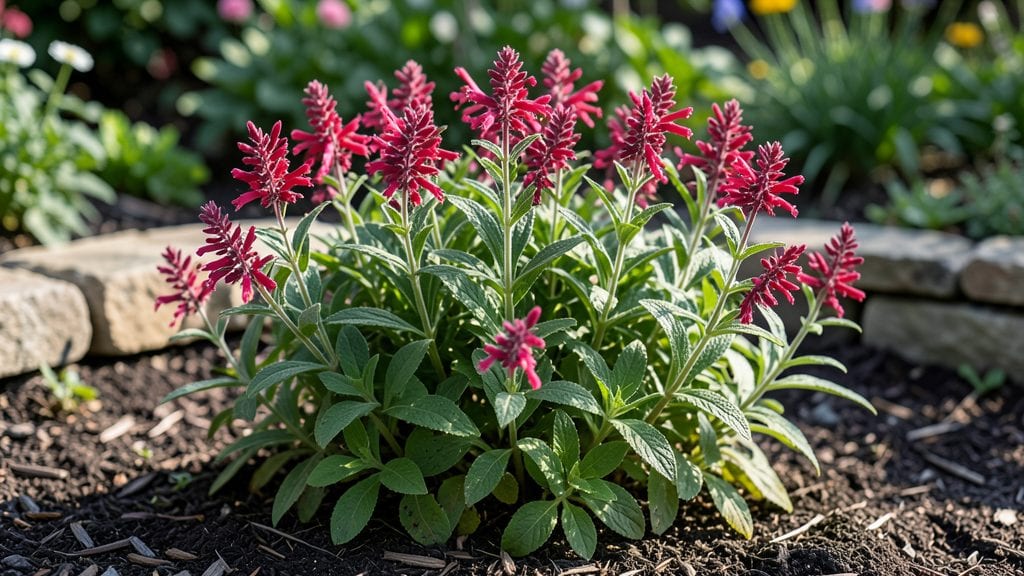
A plant with magenta flowers like Salal (Gaultheria shallon) isn’t just striking—it’s a hummingbird magnet, especially in the Pacific Northwest’s mild, damp climate. 🌸 The Salal and Red Huckleberry (Vaccinium parvifolium) both deliver that bold magenta hue while thriving in shade and rain, making them perfect... for understory plantings or woodland gardens.
These plants aren’t fussy—they love acidic soil and partial shade, which matches the PNW’s natural conditions. Salal’s glossy leaves and clusters of tiny magenta flowers create a lush carpet, while red huckleberry’s bright berries add texture and wildlife appeal.
Both stay compact, so they’re ideal for borders, containers, or layered woodlands.
Pair them with silver foliage like Oregon Grape (Mahonia aquifolium) or soft blues from Blue Flax (Linum lewisii) to make magenta pop. The contrast will draw hummingbirds all season, and the evergreen foliage ensures year-round interest even in drizzly winters.
For containers, mix magenta Salal with Heather (Calluna vulgaris) in shades of pink or white—it’s a foolproof combo that blooms from late spring to fall. The key is keeping them moist but well-drained, just like the forest floor they mimic.
📚 In This Guide
- What you need
- Instructions
- Tips and common mistakes
- Wrapping up and next steps
What you need
- ● Magenta-flowering plants: 3–5 nursery-grown plants (check local PNW nurseries for Penstemon, Heuchera, or Lupinus varieties).
- ● Well-draining potting mix: 1–2 bags (look for a blend labeled for native plants or perennials).
- ● Organic compost: 1–2 gallons (to enrich soil with nutrients).
- ● Mulch (cedar or pine needles): 1–2 bags (to retain moisture and suppress weeds).
- ● Garden trowel or hand shovel: 1 (for planting and soil prep).
- ● Pruning shears: 1 (for trimming dead foliage or shaping plants).
- ● Watering can or hose with a gentle spray nozzle: 1 (for consistent hydration).
- ○ Gloves (optional but recommended): 1 pair (to protect hands from thorns or rough edges).
- ● A sunny to partially shaded spot (6+ hours of light for Penstemon; partial shade for Heuchera).
- ● Access to water (these plants thrive with regular moisture but hate soggy soil).
- ● PNW-friendly soil: Amend heavy clay with compost if needed (aim for slightly acidic to neutral pH, 6.0–7.0).
Step-by-step guide to creating a hummingbird-friendly magenta flower display
Here's how to design a vibrant, year-round magnet for Pacific Northwest pollinators.
🌿 Step 1: Select the Right Magenta-Blooming Species
For year-round interest in the Pacific Northwest's mild climate, focus on native and cold-hardy varieties that thrive in USDA Zones 6-9. My top choices include Salvia 'May Night' (deep magenta spikes), Penstemon 'Garnet' (heat-tolerant tubular blooms), and Heuchera 'Berry Smoothie' (magenta foliage that complements flowers). All three handle our region's wet winters and dry summers beautifully.
Here's the thing—hummingbirds prioritize tubular, red-to-magenta flowers with high nectar content. Avoid single-bloom varieties; instead, select plants with prolonged flowering periods (6+ weeks). For winter interest, include Mahonia 'Soft Caress' (yellow flowers but magenta berries) to provide both color and food when other plants rest.
☀️ Step 2: Position for Optimal Sun and Hummingbird Traffic
Place your magenta display in full sun (6+ hours daily)—hummingbirds need warmth to metabolize nectar quickly. In the Pacific Northwest, this means south- or west-facing exposures where morning sun doesn't linger too long. I've found that elevated planters (2-3 feet high) attract more visitors because hummingbirds can hover more easily.
Create a multi-level arrangement using the 4 servings you're planting. Position taller varieties (like Salvia) at the back, mid-height bloomers (Penstemon) in the middle, and ground covers (Heuchera) at the front. This not only looks stunning but also provides landing platforms at different heights for hummingbirds of all sizes.
💧 Step 3: Water and Feed for Continuous Blooming
Newly planted magenta flowers need deep watering 2-3 times weekly until established (about 6-8 weeks). After that, reduce to once weekly unless we experience our characteristic dry spells. The key is consistent moisture—let the top 1-2 inches of soil dry between waterings to prevent root rot, but never let it become bone-dry.
For extended blooming, I swear by organic fish emulsion (5-5-5) applied every 4 weeks during growing season. This gives hummingbirds continuous nectar rewards—they'll return daily if the flowers keep producing. In late summer, switch to a low-nitrogen fertilizer to encourage fall blooms before winter dormancy.
✂️ Step 4: Prune and Maintain for Year-Round Interest
After the first flush of magenta blooms, deadhead spent flowers to encourage reblooming. For Salvia and Penstemon, I use clean pruners to snip just above the next set of leaves—this prevents legginess and redirects energy to new growth. Never cut into old wood, or you'll sacrifice next year's blooms.
In late fall, cut back woody stems by one-third while leaving 3-4 inches of growth on each plant. This winter pruning prevents flopping and encourages springtime flushes that hummingbirds rely on after their long migration. For Heuchera, simply remove any damaged leaves—its foliage color is your winter asset.
🪴 Step 5: Add Supplemental Nectar Sources for Winter
When native blooms slow in winter, set up 4 simple feeders using the remaining planting spots. Mix 1 part refined white sugar with 4 parts water (boil first to prevent mold), then cool completely before filling red glass feeders (hummingbirds respond to red!). Place feeders 10-15 feet apart to prevent territorial squabbles.
Real talk: Feeders should be secondary to natural flowers—hummingbirds evolve to rely on nectar from plants, not sugar water. Use feeders only when fewer than 3 native blooms are available. Clean feeders every 3-4 days with hot vinegar water to prevent bacterial growth that can harm hummingbirds.
Tips & tricks for perfect magenta flower displays
Creating a hummingbird haven with magenta blooms takes more than just planting—it's about strategic choices that transform your garden into a year-round magnet. Here's what I've learned after years of watching these tiny visitors thrive.
Plant Selection Strategy: When choosing your magenta bloomers, prioritize plants with prolonged flowering periods (6+ weeks) and tubular shapes—these are the types hummingbirds can't resist. For example, Salvia 'May Night' produces deep magenta spikes that bloom continuously from early summer through fall, while Penstemon 'Garnet' offers heat-tolerant tubular blooms that attract hummingbirds even during our Pacific Northwest heatwaves. I've noticed that adding Mahonia 'Soft Caress' provides crucial winter interest when other plants rest.
Sunlight Optimization: The Pacific Northwest's variable weather makes sun exposure critical. While the instructions call for full sun (6+ hours daily), I've found that south- or west-facing exposures work best because they provide morning warmth without the harsh afternoon sun that can scorch delicate blooms. For container gardens, use elevated planters (2-3 feet high) to create ideal hovering spots—hummingbirds prefer these elevated perches where they can easily access nectar without competing with larger birds.
Watering Wisdom: The 2-3 times weekly deep watering for the first 6-8 weeks is non-negotiable, but here's the secret: water in the early morning to allow foliage to dry completely by evening. This prevents fungal diseases that can plague our damp climate. After establishment, I reduce to weekly watering but always check that the top 1-2 inches of soil dry between sessions—this balance keeps roots healthy without inviting root rot.
Pruning Precision: When deadheading Salvia and Penstemon after their first flush, I use clean pruners and always cut just above the next set of leaves. This technique redirects energy to new growth while preventing legginess. For winter pruning, cutting back woody stems by one-third while leaving 3-4 inches of growth creates perfect springtime flushes that hummingbirds rely on after migration. I've learned this the hard way—cutting too aggressively sacrifices next year's blooms!
Pro Tips for Plant With Magenta Flowers
- Creating a hummingbird haven with magenta blooms takes more than just planting—it's about strategic choices that transform your garden into a year-round magnet.
- Plant Selection Strategy: When choosing your magenta bloomers, prioritize plants with prolonged flowering periods (6+ weeks) and tubular shapes—these are the types hummingbirds can't resist.
- Sunlight Optimization: The Pacific Northwest's variable weather makes sun exposure critical.
Frequently asked questions
Got questions about nurturing magenta-flowering plants in the Pacific Northwest? You’re not alone! Here are answers to the most common queries—whether you're a beginner or a seasoned gardener looking to attract hummingbirds year-round.
What’s the easiest magenta-flowering plant to grow in the PNW?
For low-maintenance options, Salvia ‘May Night’ or Penstemon ‘Husker Red’ thrive in the PNW’s climate. Both handle partial shade, require minimal water once established, and bloom prolifically. Pro tip: Plant in well-draining soil to avoid root rot—especially in winter!
When is the best time to plant magenta flowers for year-round blooms?
Spring (April–May) is ideal for most perennials, but Lobelia ‘Crystal Palace’ (a hummingbird favorite) can be sown directly in early summer. For Heuchera (with magenta foliage and flowers), fall planting lets roots establish before winter. Key: Avoid planting in extreme heat or frost.
Do magenta flowers really attract hummingbirds, and how?
Hummingbirds are drawn to bright magenta, red, and tubular shapes like those of Fuchsia or Columbine. Plant near feeders for extra appeal, and avoid pesticides—hummingbirds rely on natural nectar. Bonus: Space plants 18–24 inches apart for easy access.
How do I protect magenta flowers from PNW rain and wind?
Choose wind-resistant varieties like Alchemilla mollis (lady’s mantle) or stake taller plants (e.g., Delphinium) with bamboo supports. Mulch heavily in winter to insulate roots. Rain hack: Ensure containers have drainage holes to prevent soggy soil.
What’s a great alternative if my magenta flowers aren’t thriving?
Try Sedum ‘Autumn Joy’ (pink-magenta blooms) or Echinacea ‘White Swan’ (with magenta centers). Both tolerate PNW conditions, drought, and attract pollinators. Swap tip: Pair with Oenothera ‘Sulphurea’ (evening primrose) for extended color.
| Plant | Magenta Bloom Time | PNW Hardiness |
|---|---|---|
| Salvia ‘May Night’ | Late spring–fall | Zones 5–9 |
| Penstemon ‘Husker Red’ | Spring–early summer | Zones 3–9 |
| Lobelia ‘Crystal Palace’ | Summer–frost | Annual (Zones 2–11) |
Need more help?
Check your local PNW nursery for region-specific magenta bloomers!
Wrapping up and next steps
Bringing a magenta-flowered plant like the Pacific Northwest’s stunning Penstemon serrulatus or Lupinus into your garden isn’t just about beauty—it’s an invitation to nature’s tiny visitors! These vibrant blooms create a hummingbird haven, offering year-round sustenance and joy.
Whether you’re a seasoned gardener or just starting, every pollinator deserves a welcoming space.
Ready to transform your outdoor space? Start small—pick one plant, observe its growth, and let it inspire more! 🌸 For even more impact, share your progress with fellow plant lovers or explore companion plants to extend the magic. Your garden’s next chapter begins with a single magenta bloom!