Fertilization
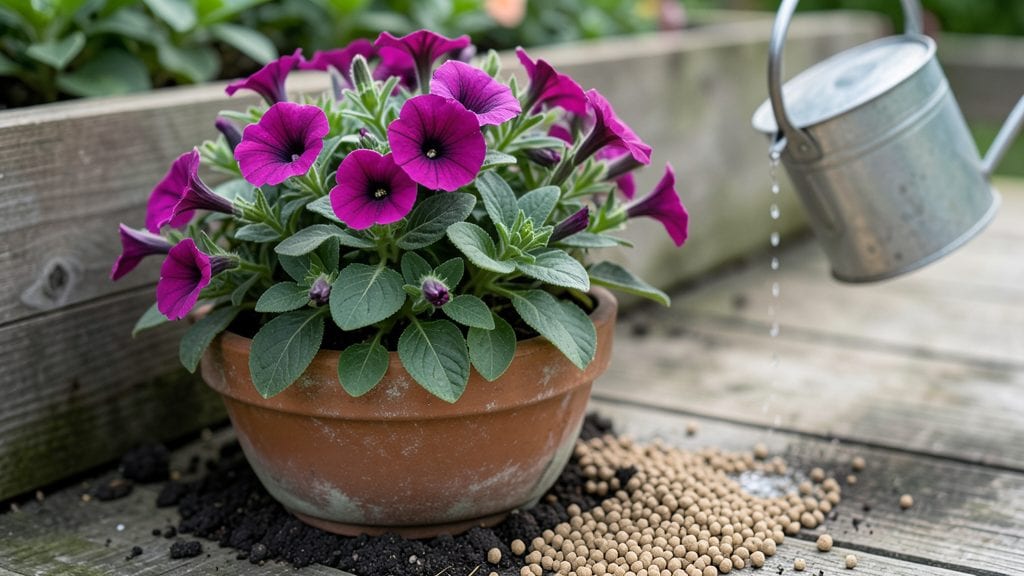
My flowering plants used to put out half-hearted blooms until I cracked the code on fertilizer for flowering plants—and now they’re covered in vibrant blooms from spring to fall.
The secret isn’t just throwing any fertilizer at them; it’s matching the right nutrients to each plant’s needs at the right time. Too much nitrogen, and you’ll get lush foliage but no flowers. Too little phosphorus, and blooms fizzle out fast.
I learned that the hard way with my first batch of petunias.
Start with a balanced 10-10-10 fertilizer for general flowering plants, but adjust based on what your plants crave. Roses thrive on a 5-10-5 ratio, while succulents barely need anything at all—just a light dose of phosphorus in spring.
Organic options like fish emulsion or bone meal work wonders, but synthetic blends let you dial in exact ratios. The key is feeding lightly before buds form, then switching to a bloom-boosting formula once flowers appear.
You’ll notice the difference within weeks: stems stay sturdy, blossoms last longer, and colors pop brighter than ever. The trick is consistency—feed every 4-6 weeks during growing season, but cut back in winter.
Overdo it, and you’ll burn roots or attract pests. I’ve seen firsthand how a little precision goes a long way, especially with high-maintenance bloomers like hydrangeas or dahlias.
This works for containers, in-ground beds, and even houseplants—just adjust the amounts. Whether you’re reviving a struggling garden or keeping your favorites in peak form, the right fertilizer routine makes all the difference. Let’s get those blooms bursting with color!
📚 In This Guide
- What you need
- Instructions
- Tips and common mistakes
- Wrapping up and next steps
What you need
- ● NPK Fertilizer Base: 10-10-10 or 20-20-20 balanced fertilizer (1 lb or 450g per 10 sq ft of garden)
- ○ Optional: Slow-release granules (e.g., Osmocote) for timed nourishment
- ● Micronutrients: Epsom salt (magnesium sulfate) – 1 tbsp per gallon of water (for pink/red blooms)
- ● Iron chelate – 1 tsp per gallon (for green foliage & yellowing leaves)
- ● Tools: Measuring cups/spoons (for precision!)
- ● Garden gloves (to keep hands clean)
- ● Watering can or hose with spray nozzle (for even distribution)
- ○ pH test kit (optional but highly recommended—ideal range: 6.0–7.0)
- ● Compost or worm castings (1 cup per plant for organic matter)
- ● Fish emulsion (1 tbsp per gallon for extra nitrogen & blooms)
- ● Humic acid (1 tsp per gallon to enhance nutrient uptake)
- ● Mulch (straw or shredded bark to retain moisture & regulate soil temp)
Step-by-Step guide to selecting and applying fertilizer for flowering plants
Flowering plants thrive with the right nutrient balance—here's how to choose and use fertilizer for maximum blooms.
Understand NPK Ratios for Flowering Plants
The key to vibrant blooms lies in the NPK ratio—the numbers on fertilizer bags. For flowering plants, look for a balanced or phosphorus-heavy blend, typically 10-10-10 or 5-10-5. The middle number (phosphorus) promotes root development and flower production, while nitrogen (first number) fuels leafy growth. Too much nitrogen results in lush foliage but fewer blooms, so avoid high-nitrogen fertilizers like 10-5-5 for flowering varieties.
Check the label for micronutrients like magnesium, calcium, and iron—these support overall plant health and bloom longevity. Organic options like fish emulsion or bone meal provide slow-release phosphorus, ideal for long-blooming plants like roses or petunias. I always opt for organic fertilizers for container plants, as they reduce salt buildup in potting mixes.
Choose the Right Fertilizer Type for Your Plants
Granular fertilizers are best for established plants in garden beds, while water-soluble options work well for container-grown flowers. Slow-release pellets or spikes are perfect for busy gardeners—they dissolve gradually, feeding plants over 6-8 weeks without frequent applications. For immediate blooms, use a liquid fertilizer diluted to half-strength, applied every 2-3 weeks during the growing season.
Specialty fertilizers like bloom boosters or tomato/vegetable blends often contain higher phosphorus levels, but they’re not always necessary. If your plants show signs of nutrient deficiency—yellowing leaves, stunted growth, or sparse blooms—switch to a fertilizer with a higher phosphorus ratio. I’ve found that 5-10-5 works wonders for annuals like marigolds and zinnias, while roses respond best to a 7-9-5 blend.
Apply Fertilizer at the Right Time and Frequency
Timing is everything when fertilizing flowering plants. Start feeding in early spring, just as new growth begins, and continue through the first frost. For annuals, apply fertilizer every 4-6 weeks during the growing season. Perennials and shrubs benefit from two to three applications per year: once in spring, again after the first flush of blooms, and a final light feeding in late summer to encourage fall color.
Avoid fertilizing stressed plants—those recovering from transplant shock, drought, or disease. Wait until they show new growth before applying nutrients. Over-fertilizing leads to salt buildup in the soil, which can burn roots and stunt blooms. Always water the soil thoroughly 24 hours before and after applying fertilizer to prevent root damage and ensure nutrients reach the roots.
Monitor Plant Response and Adjust as Needed
Watch for visual cues to gauge your fertilizer’s effectiveness. Healthy flowering plants have dark green leaves, strong stems, and abundant blooms. If leaves turn yellow between veins, it’s a sign of nitrogen deficiency—switch to a higher-nitrogen fertilizer for a few weeks. Purple-tinged leaves indicate phosphorus deficiency, while weak stems or slow growth suggest a need for more potassium (the third number in NPK).
Adjust your fertilizer routine based on plant behavior. If blooms appear but quickly fade, your plants may need more phosphorus. If foliage grows rapidly but flowers are sparse, reduce nitrogen applications. I keep a garden journal to track which fertilizers work best for each plant type—it’s saved me from trial-and-error mistakes over the years.
Tips & tricks for perfect flowering plant fertilization
Here's what I've learned after years of trial and error in my own garden—these insights will help you avoid common mistakes and maximize your blooms.
NPK Ratio Precision: When selecting a fertilizer with a 10-10-10 or 5-10-5 ratio as recommended in Step 1, pay special attention to the phosphorus content (the middle number). For container plants, I've found that a slightly higher phosphorus ratio like 7-9-5 works better because it prevents salt buildup that can occur in confined root zones. The key is matching the ratio to your specific plant types—annuals often thrive with the 5-10-5 blend mentioned, while roses and petunias respond beautifully to the 7-9-5 formula.
Application Timing Strategy: The 24-hour watering rule before and after applying fertilizer (Step 3) is non-negotiable for me. I've seen firsthand how this prevents fertilizer burn on roots. For container plants, I even water the soil until it drains from the bottom before applying fertilizer, then repeat the thorough watering afterward. This ensures nutrients reach the roots rather than accumulating on the soil surface where they can harm delicate root systems.
Visual Cues for Adjustments: The color cues mentioned in Step 4 are your best friends when troubleshooting. I keep a small notebook by my garden bench where I jot down which plants show which color changes and what adjustments I make. For example, when my zinnias developed purple-tinged leaves last summer, I immediately switched to a 5-10-5 fertilizer and noticed new blooms within two weeks. This visual monitoring system has saved me from over-fertilizing situations that could have damaged my plants.
Organic Options for Container Gardens: While the instructions mention organic options like fish emulsion and bone meal, I've found that worm castings work exceptionally well for container plants. They provide a gentle, slow-release nutrient boost without the risk of salt buildup. For my container-grown petunias, I mix worm castings directly into the potting soil at planting time, then use a liquid fertilizer every 4-6 weeks during the growing season as recommended in Step 2.
Pro Tips for Fertilizer For Flowering Plants
- Here's what I've learned after years of trial and error in my own garden—these insights will help you avoid common mistakes and maximize your blooms.
- NPK Ratio Precision: When selecting a fertilizer with a 10-10-10 or 5-10-5 ratio as recommended in Step 1, pay special attention to the phosphorus content (the middle number).
- Application Timing Strategy: The 24-hour watering rule before and after applying fertilizer (Step 3) is non-negotiable for me.
Frequently asked questions
Got questions about fertilizing flowering plants? You’re not alone!
Here are answers to the most common queries to help you keep your blooms thriving—no guesswork required.
What’s the best NPK ratio for flowering plants?
The ideal NPK ratio for flowering plants is usually balanced (e.g., 10-10-10) or phosphorus-heavy (e.g., 5-10-5 or 7-9-5). Phosphorus (the middle number) fuels blooms, while nitrogen (first number) supports foliage. Too much nitrogen? Fewer flowers! Adjust based on your plant’s needs—annuals often need more phosphorus than perennials.
When should I fertilize flowering plants for maximum blooms?
Time it right for peak performance:
- Early spring: Start with a balanced fertilizer when new growth appears.
- During bloom: Switch to a phosphorus-rich formula (like 5-10-5) to extend flowering.
- Avoid late summer: Fertilizing too late can encourage leafy growth over blooms.
Can I use organic fertilizers instead of synthetic ones?
Organic options like compost, bone meal, fish emulsion, or worm castings work wonders for flowering plants. They improve soil health over time and release nutrients slowly. Synthetic fertilizers offer quick results, while organic options build long-term fertility. Mix both for best results!
Why are my flowering plants not blooming despite fertilizing?
Several factors could be at play:
- Too much nitrogen: Shift to a low-N, high-P fertilizer.
- Poor sunlight: Many flowering plants need 6+ hours of sun daily.
- Stress or pests: Check for diseases or critters damaging roots/leaves.
- Overcrowding: Trim back foliage to redirect energy to blooms.
How often should I water after fertilizing?
Water thoroughly before and after applying fertilizer to:
- Prevent root burn from concentrated nutrients.
- Help nutrients soak into the soil.
Wrapping up and next steps
Choosing the right fertilizer for flowering plants is your secret weapon for a garden that bursts with color and life! 🌸 A balanced NPK ratio (like 10-10-10 or 5-10-5) tailored to your blooms’ needs—whether they’re nitrogen-hungry annuals or phosphorus-loving perennials—sets the stage for stunning results.
Don’t forget to feed consistently and monitor soil health for long-term success.
Ready to transform your garden? Start by testing your soil this season and experiment with a few fertilizer blends to see what makes your flowers thrive. Happy growing—your future blooms will thank you! 🌺✨