
Shrubs
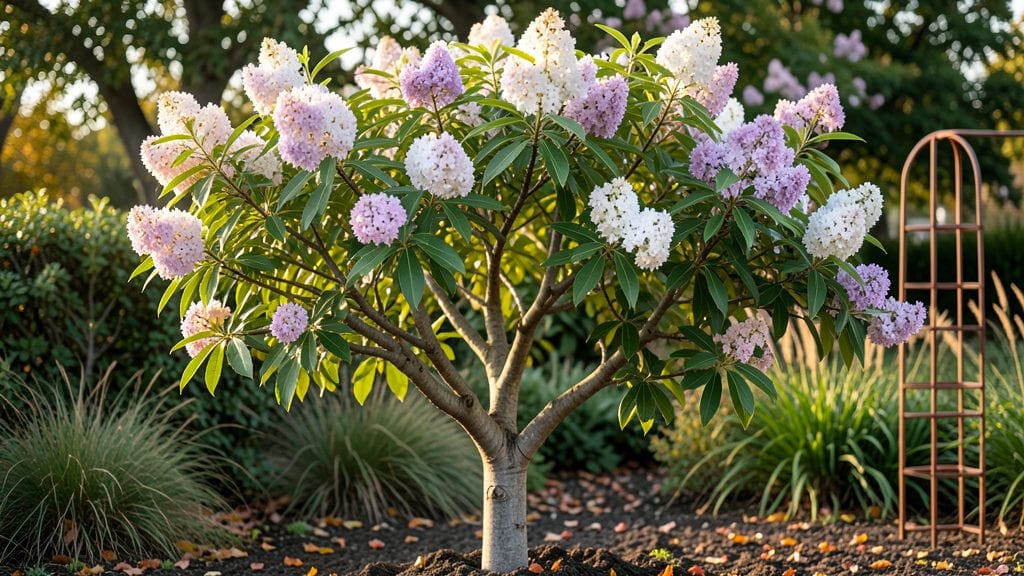
The flowering crape myrtle thrives in the Pacific Northwest’s mild climate, offering vibrant blooms that outshine most summer shrubs—even when frost threatens. 🌸 I’ve grown them for years, and the secret lies in their adaptability: they handle our damp winters better than many gardeners realize, as long as you plant them in the right spot.
Their peeling bark and clusters of flowers make them a standout, but they’re also surprisingly low-maintenance once established.
Start with the right variety—dwarf types like ‘Natchez’ work for small spaces, while standard ‘Tonto’ or ‘Muskogee’ reach 15–20 feet tall. They love full sun (6+ hours daily) and well-draining soil, though they tolerate clay if amended with compost.
The key is avoiding soggy roots, which can lead to powdery mildew or root rot. Plant in early spring or fall, spacing them 6–10 feet apart for proper airflow and future growth.
After planting, water deeply once a week (more in summer heat), and mulch with 2–3 inches of organic matter to retain moisture and protect roots. Fertilize lightly in early spring with a balanced formula—too much nitrogen reduces blooms.
Prune in late winter or early spring to shape the tree and remove dead wood, but avoid heavy pruning, which can stunt flowering. With the right care, you’ll get showstopping blooms from mid-summer through fall.
They’re also pest-resistant, though aphids or scale might appear—just hose them off or use neem oil. The real magic happens in autumn when the leaves turn fiery shades of red and orange.
Whether you’re a beginner or refining your skills, crape myrtles deliver drama with minimal fuss. Ready to add one to your landscape?
📚 In This Guide
- What you need
- Instructions
- Tips and common mistakes
- Wrapping up and next steps
What you need
- ● Flowering crape myrtle plants: Choose Lagerstroemia varieties like ‘Natchez,’ ‘Tonto,’ or ‘Muskogee’ (all cold-hardy down to Zone 5-6 for PNW resilience). Opt for 1- or 2-gallon containers for best establishment.
- ● Well-draining soil: Mix 1 part native PNW soil with 1 part compost and 1 part perlite or coarse sand (avoid heavy clay!). Test soil pH (ideal: 5.0–6.5).
- ● Organic mulch: 3–4 inches of pine bark, cedar chips, or wood shavings (keep mulch 6 inches away from the trunk to prevent rot).
- ● Slow-release fertilizer: 10-10-10 or 12-4-8 (apply 2–3 times per year in early spring, summer, and fall).
- ● Garden trowel or spade (for digging holes 2x wider than the root ball).
- ● Pruners or loppers (sterilized with rubbing alcohol to prevent disease).
- ● Watering can or hose with a gentle nozzle (deep watering 2–3 times per week for the first month).
- ● Garden gloves (to protect against thorns and soil-borne pathogens).
- ○ Optional: Soil moisture meter (to monitor drought-prone PNW summers).
- ● Frost cloth (for young saplings in late spring/early fall).
- ● Epsom salt (1 tbsp per gallon of water for magnesium boosts if leaves yellow).
- ● Sunlight: Full sun (6+ hours/day)—PNW’s partial shade won’t cut it for vibrant blooms!
- ● Spacious planting site: Mature crape myrtles reach 10–20 feet tall/wide; space 8–12 feet apart.
- ● Drainage check: Avoid low spots where water pools (crape myrtles hate soggy roots).
- ● Patience: Seeds take 1–2 years to flower; nursery plants bloom same season if planted early spring.
Step-by-step instructions for planting and caring for flowering crape myrtles
Here's how to get those vibrant blooms thriving in your Pacific Northwest garden.
🪴 Step 1: Choose the Perfect Location and Prepare the Soil
Crape myrtles love full sun—at least 6-8 hours daily—so pick a spot where they’ll get morning sunlight and afternoon shade if summers run hot. In the Pacific Northwest, even partial shade works, but full sun brings the most dramatic blooms. Test the soil pH with your testing kit—crape myrtles prefer slightly acidic to neutral soil (6.0-7.0).
Before planting, loosen the soil to a depth of 12-18 inches with a garden fork. Mix in 3 cubic feet of compost and 1 pound of 10-10-10 fertilizer per plant to give roots a nutrient boost. Avoid heavy clay soil—amend it with 2 gallons of perlite to improve drainage. The roots need room to spread, so dig a hole twice as wide as the root ball but no deeper.
🌱 Step 2: Plant at the Right Depth and Water Deeply
Gently remove the crape myrtle from its container and tease the roots apart if they’re circling. Place the plant in the hole so the top of the root ball sits 1-2 inches above ground level—this prevents rot during heavy rains. Backfill with native soil, pressing lightly to eliminate air pockets. Water immediately with 2 gallons of water to settle the soil around the roots.
Mulch the base with 3 inches of wood chips, keeping mulch 6 inches away from the trunk to prevent moisture buildup. Water again until the soil is deeply moist but not soggy. The first few weeks are critical—keep the soil consistently moist, but avoid waterlogging. You’ll know it’s right when the top 2 inches of soil feel damp to the touch but not wet.
☀️ Step 3: Prune for Shape and Health in Late Winter
Wait until late February or early March—after the worst frosts have passed—to prune. Remove dead, diseased, or crossing branches first with clean, sharp pruners. Then, cut back last year’s blooms to just above the first set of strong buds (about ¼ inch above a leaf node). This encourages bushier growth and more flowers.
Here’s the thing—never "hat-rack" your crape myrtle by cutting all the way back to a stub. Instead, focus on shaping the plant naturally. After pruning, apply ½ pound of 10-10-10 fertilizer around the base and water deeply. New growth will appear within 4-6 weeks, signaling the plant is recovering well.
💧 Step 4: Water and Feed for Continuous Blooms
Established crape myrtles are drought-tolerant, but young plants need 1-2 gallons of water weekly during dry spells. Check moisture by digging 2 inches down—if it’s dry, water deeply. Overhead watering can cause fungal issues, so use a soaker hose or water at the base. Avoid wetting the leaves if possible.
Feed plants in early spring and mid-summer with ½ pound of 10-10-10 fertilizer per plant. For extra vigor, add 1 cup of Epsom salt to the soil in spring—it boosts magnesium for healthier foliage. Deadhead spent blooms in late summer to encourage a second flush of flowers. If you see yellowing leaves, it’s a sign of overwatering or poor drainage—adjust your care routine immediately.
Tips & tricks for perfect flowering crape myrtle care
Here’s what I’ve learned after watching these frost-resistant beauties thrive in Pacific Northwest gardens—tricks that make all the difference between a struggling shrub and a showstopper.
Sunlight Strategy: That 6-8 hours of daily sun is non-negotiable for maximum blooms, but here’s the thing: in the PNW’s cooler summers, morning sun with afternoon shade actually prevents leaf scorch. Position your crape myrtle where it gets those golden morning rays but escapes the hottest afternoon heat—especially important during our dry spells.
Soil Science: When you’re amending that heavy clay soil with 2 gallons of perlite, don’t just dump it in. Mix it thoroughly into the loosened 12-18 inch depth—this creates those tiny air pockets roots crave. I’ve seen plants struggle when the perlite just sits at the bottom of the hole. Also, that 3 cubic feet of compost? Spread it evenly around the planting hole before backfilling for consistent nutrition.
Watering Wisdom: The 2 inches of damp-but-not-wet soil test is your golden rule, but here’s my pro move: water in the early morning instead of evening. This gives the roots time to absorb moisture before our Pacific Northwest humidity sets in, reducing fungal risks. And when you see those first yellowing leaves? It’s almost always overwatering—let the soil dry out slightly between waterings.
Pruning Precision: That late February/March timing is critical, but don’t just cut randomly. Look for those first strong buds when pruning last year’s blooms—cutting just above them (¼ inch) ensures new growth emerges right where you want it. And if you’re tempted to “hat-rack” your plant by cutting back hard, resist! Those long, graceful branches are what give crape myrtles their signature look.
Pro Tips for Flowering Crape Myrtle
- Here’s what I’ve learned after watching these frost-resistant beauties thrive in Pacific Northwest gardens—tricks that make all the difference between a struggling shrub and a showstopper.
- Sunlight Strategy: That 6-8 hours of daily sun is non-negotiable for maximum blooms, but here’s the thing: in the PNW’s cooler summers, morning sun with afternoon shade actually prevents leaf scorch.
- Soil Science: When you’re amending that heavy clay soil with 2 gallons of perlite, don’t just dump it in.
Frequently asked questions
Got questions about growing and caring for your flowering crape myrtle? You’re not alone!
Here are some of the most common queries from gardeners in the Pacific Northwest and beyond—plus straightforward answers to help you nurture this stunning shrub with confidence.
When is the best time to plant a flowering crape myrtle in the PNW?
The ideal window is early spring or fall—typically March to May or September to October. Planting in spring lets roots establish before summer heat, while fall gives them time to settle before winter. Avoid planting in late summer, as new roots struggle to harden off before frost.
How do I prune a flowering crape myrtle to encourage more blooms?
Prune right after flowering (late summer) to avoid cutting off next year’s buds. Use clean, sharp shears to remove:
- Dead or crossing branches
- Suckers at the base
- Up to ⅓ of the oldest stems to rejuvenate growth
Are flowering crape myrtles truly frost-resistant in the PNW?
Yes! Most varieties tolerate USDA Zones 7–9, meaning they handle PNW winters (down to 0°F/-18°C) with ease. However, young plants may need mulch (2–3 inches) around the base to protect roots. Hardier cultivars like ‘Natchez’ or ‘Muskogee’ are top picks for cold snaps.
Why aren’t my crape myrtle leaves turning the expected fall colors?
Dull fall foliage often signals over-fertilizing with nitrogen (focus on balanced 10-10-10 instead). Other culprits:
- Poor drainage (roots suffocate)
- Pests (aphids, spider mites)
- Late pruning (stresses the plant)
What are some low-maintenance alternatives to flowering crape myrtles?
If you love crape myrtles but want even easier care, try:
- Butterfly bush (Buddleia) – Drought-tolerant, attracts pollinators
- Smoke bush (Cotinus) – Stunning fall color, minimal pruning
- Dwarf lilac (Syringa meyeri) – Fragrant blooms, cold-hardy
- Oakleaf hydrangea (Hydrangea quercifolia) – Thrives in shade, vibrant foliage
Wrapping up and next steps
The flowering crape myrtle is a stunning, low-maintenance addition to your Pacific Northwest garden—its vibrant blooms, frost resilience, and adaptability make it a true standout. Whether you’re a seasoned gardener or just starting, this shrub brings effortless beauty with minimal fuss.
Ready to transform your outdoor space? Start by choosing your favorite variety, preparing the soil, and planting with confidence! 🌸
- Next step: Grab your gloves and get growing—your garden (and neighbors!) will thank you.