
Shrubs
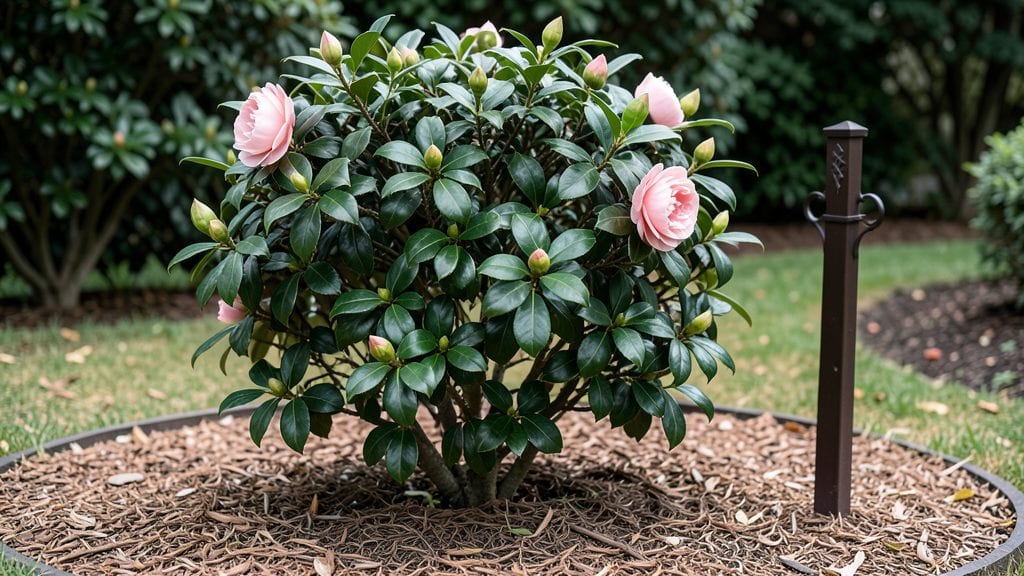
Transform your Pacific Northwest garden into a living tapestry with these flowering shrubs all year round—cold-hardy stars that thrive through frost and keep your garden vibrant from spring to winter. 🌿 I’ve tested dozens of shrubs here, and the secret to continuous color lies in layering plants that bloom in succession: camellias in winter, hydrangeas in summer, and abelia in late fall.
The key isn’t just picking pretty flowers, but matching their bloom times to fill every season.
Most people assume year-round flowering means high maintenance, but the best shrubs for this region thrive with minimal fuss. Camellias need acidic soil and partial shade, while hydrangeas adapt to sun or shade and love consistent moisture.
Abelia, on the other hand, handles drought once established and blooms reliably even in cooler months. Layer these in borders or containers, spacing them so each plant’s peak bloom overlaps with the next—no gaps, no dead zones.
What you end up with is a garden that never looks tired: velvety pink camellias in January, fluffy hydrangea clusters in July, and golden abelia flowers as autumn fades.
The color coordination is effortless if you stick to a palette—think soft blues, creamy whites, and deep purples—and the shrubs’ varying heights create natural movement. Even in winter, the structure of evergreen leaves keeps the space feeling alive.
Small spaces? No problem—dwarf varieties like ‘Tiny Tine’ hydrangea or ‘Sunshine Daydream’ abelia fit containers or narrow borders perfectly. The biggest mistake I see is crowding plants too tightly, which stifles growth and reduces blooms.
Give each shrub room to breathe, and you’ll get that lush, layered look without the upkeep. Ready to transform your garden into a four-season showstopper?
📚 In This Guide
- What you need
- Instructions
- Tips and common mistakes
- Wrapping up and next steps
What you need
- ● Cold-hardy flowering shrubs: 1–3 Pieris japonica (Andromeda) – Zones 5–8, evergreen, spring blooms
- ● 1–2 Rhododendron (e.g., 'Catawbiense Grandiflorum') – Zones 4–8, spring/summer flowers
- ● 1 Viburnum tinus (Winter Viburnum) – Zones 6–9, winter-to-spring blooms
- ● 1 Camellia sasanqua – Zones 7–9, fall/winter flowers (great for milder PNW microclimates!)
- ● High-quality potting soil: 3–5 cubic yards (or 10–15 2-cubic-foot bags) – Well-draining, acidic (pH 4.5–6.0) mix for ericaceous plants.
- ● Organic mulch: 2–3 cubic yards (cedar or pine bark works best) – Helps retain moisture and insulate roots.
- ● Slow-release fertilizer: 10–20 lbs (e.g., Osmocote Smart-Release) – Balanced 10-10-10 or acidic 8-3-9 formula.
- ● Digging tools: 1 Garden shovel (round-point for shrubs)
- ● 1 Transplant spade (for delicate roots)
- ● Pruning essentials: 1 pair bypass pruners (sharp, clean)
- ● 1 loppers (for thicker stems)
- ● 1 hand saw (for stubborn branches)
- ● Watering supplies: 1 hose with adjustable nozzle (or drip irrigation kit)
- ● 5–10 gallon watering cans (for post-planting care)
- ● Safety gear: 1 pair gardening gloves (nitrile-coated for grip)
- ● 1 knee pads (because every gardener needs these!)
- ● Soil amendments: Peat moss or coconut coir (for acidity)
- ● Composted pine needles (natural mulch + acidifier)
- ● Plant supports: 2–3 stakes or cages (for larger shrubs like camellias)
- ● Seasonal bloomers: 1–2 Hellebores or Daphnes (for winter/early spring color)
- ● Tech upgrades: Soil pH test kit (digital for accuracy)
- ● Moisture meter (to avoid over/under-watering)
Step-by-Step guide to planning your year-round flowering shrub garden
Here's how to create a vibrant, cold-hardy display that blooms through every season.
🌱 Step 1: Select the Right Cold-Hardy Shrubs for Your Zone
Start by choosing shrubs that thrive in your specific USDA hardiness zone—the Pacific Northwest typically ranges from zone 6 to 9. For year-round color, mix evergreens with seasonal bloomers. Camellias (zones 7-9) provide winter blooms, while Pieris japonica (andromeda) offers early spring flowers. Hydrangeas (zones 3-9) deliver summer blooms, and Weigela (zones 4-8) adds late spring color.
I always check the mature size—6 to 10 feet tall is ideal for most shrubs, but dwarf varieties like Dwarf Fothergilla (3-4 feet) work well for smaller spaces. Plant in groups of 3-5 for a natural, full look. Grouping also creates visual impact and encourages better pollination.
☀️ Step 2: Prepare the Planting Site for Year-Round Success
Most flowering shrubs prefer morning sun and afternoon shade, especially in hotter zones. Test your site's moisture—well-draining soil is critical, but don't let it dry out completely. Amend heavy clay soil with 3-4 inches of compost mixed into the top 12 inches of soil. This improves drainage while retaining moisture for root growth.
Dig holes twice as wide as the root ball but only as deep. Place the shrub so the top of the root ball sits 1 inch above ground level. This prevents water from pooling around the stem, which can cause rot. Water deeply right after planting to settle the soil and eliminate air pockets.
💧 Step 3: Plant and Mulch for Seasonal Protection
Remove the shrub from its container and loosen any circling roots gently with your fingers. Place it in the hole, backfill with native soil, and press firmly around the base. Water again until the soil is evenly moist to 6 inches deep. Avoid overwatering—soggy soil suffocates roots in winter.
Spread 3 inches of mulch (like bark or shredded cedar) around the base, keeping it 3 inches away from the stem. Mulch insulates roots in winter and retains moisture in summer. Replenish mulch annually—2-3 inches is ideal—to maintain protection through all seasons.
✂️ Step 4: Prune Strategically for Continuous Blooms
Timing matters—prune after flowering for most shrubs. For example, cut back Weigela and Spirea in late winter or early spring to encourage new growth. Camellias and Pieris bloom on old wood, so prune right after they finish flowering in early spring. Use clean, sharp pruners to make cuts at a 45-degree angle just above a bud or branch.
Remove dead, diseased, or crossing branches first. Thin out crowded areas to improve airflow—this prevents fungal issues and keeps shrubs healthy year-round. Never prune more than one-third of the plant at once, or you'll stress it and reduce flowering.
🌿 Step 5: Maintain Year-Round Color with Seasonal Care
Feed shrubs in early spring with a balanced, slow-release fertilizer (10-10-10). Water deeply once a week during dry spells, but adjust based on rainfall—shrubs in containers need more frequent watering. In winter, protect tender shrubs (like Camellias in zone 7) with a burlap wrap if temperatures drop below 20°F. Most Pacific Northwest shrubs handle winter well, but extra care ensures they bounce back in spring.
Watch for pests like aphids or spider mites—they thrive in dry conditions. Spray affected areas with neem oil or insecticidal soap for a natural solution. Deadhead spent blooms on summer-flowering shrubs (like Hydrangeas) to encourage more flowers. With this care, your garden will stay vibrant from late winter through fall.
Tips & tricks for perfect year-round flowering shrubs
Creating a garden that stays vibrant through every season takes a few key tricks—here's what I've learned from years of trial and error in the Pacific Northwest.
Zone-Specific Plant Pairing: When mixing shrubs for year-round color, pair evergreens like Pieris japonica (which handles winter well) with seasonal bloomers like Camellias (zones 7-9) for winter interest. For example, place Weigela (late spring blooms) near Hydrangeas (summer blooms) to create layered color. I've found that grouping shrubs by their bloom times—early spring, late spring, summer, and winter—creates a seamless transition of color throughout the year.
Soil Prep Secret: In Step 2, when amending heavy clay soil with 3-4 inches of compost, don't just mix it in—the key is to create a "compost pocket" around the root ball. Fill the bottom of the planting hole with pure compost, then backfill with native soil. This creates an ideal root environment while preventing the compost from washing away during heavy rains. The 12-inch deep amendment zone ensures roots have access to nutrients throughout the growing season.
Mulch Maintenance: The 3-inch mulch layer in Step 3 isn't just about winter protection—it's a year-round game-changer. In summer, it keeps roots cool and conserves moisture, while in winter, it acts like a blanket. Here's my trick: use a mix of bark mulch (for structure) and shredded cedar (for pest deterrence). Replenish it annually in early spring before the growing season begins, and always keep it 3 inches away from the stem to prevent rot.
Pruning Precision: When pruning in Step 4, the 45-degree angle isn't just about aesthetics—it's about directing water away from the cut. Always prune just above a bud or branch, and make sure it's facing outward. For shrubs that bloom on old wood like Camellias, I recommend using a clean, sharp pair of pruners and making your cuts during the dormant season (late winter) to minimize stress. Never remove more than one-third of the plant at once, or you'll sacrifice next year's blooms.
Pro Tips for Flowering Shrubs All Year Round
- Creating a garden that stays vibrant through every season takes a few key tricks—here's what I've learned from years of trial and error in the Pacific Northwest.
- Zone-Specific Plant Pairing: When mixing shrubs for year-round color, pair evergreens like Pieris japonica (which handles winter well) with seasonal bloomers like Camellias (zones 7-9) for winter interest.
- Soil Prep Secret: In Step 2, when amending heavy clay soil with 3-4 inches of compost, don't just mix it in—the key is to create a "compost pocket" around the root ball.
Frequently asked questions
Got questions about keeping your garden blooming nonstop in the Pacific Northwest’s chilly climate? You’re not alone! Here are some of the most common queries—and their practical answers—to help you achieve year-round flowering shrubs with ease.
Can flowering shrubs really bloom all year in the PNW’s cold winters?
While most plants take a winter break, cold-hardy evergreens and repeat bloomers like Camellias, Pieris, and Rhododendrons thrive in the PNW’s mild winters. Choose varieties bred for Zone 7-9, and pair them with seasonal layering (e.g., spring bulbs under shrubs) for continuous color. Mulch heavily to protect roots from frost heaves!
What’s the best timing to plant for year-round blooms?
For established blooms, plant bare-root shrubs in early spring (March-April) or container-grown plants in fall (September-October). This gives roots time to settle before summer heat or winter frost. Pro tip: If planting in summer, water deeply 2-3x/week and use shade cloth for the first month to reduce stress.
Are there low-maintenance shrubs for lazy gardeners?
Yes! Opt for self-cleaning varieties like:
- Dwarf Butterfly Bush (Buddleia davidii) – Blooms spring to frost, deer-resistant.
- Heather (Calluna vulgaris) – Evergreen, drought-tolerant, and thrives in acidic soil.
- Oregon Grape (Mahonia aquifolium) – Native, zero-pruning needed, and winter-hardy.
Why aren’t my shrubs flowering as much as they should?
Common culprits:
- Over-fertilizing with high nitrogen – Promotes foliage over flowers. Use a balanced 10-10-10 or bloom-specific fertilizer (like Miracle-Gro Shake ’n Feed).
- Poor pruning timing – Prune after blooming (except spring bloomers like Pieris, which need pruning in late winter).
- Incorrect sunlight – Most flowering shrubs need 6+ hours of sun. If in shade, choose Heather or Azalea varieties.
- Stress from transplant shock – Water deeply 1-2x/week for the first year and avoid moving established plants.
How do I protect shrubs from PNW’s wet winters?
The PNW’s mild, wet winters can cause root rot or fungal issues if shrubs aren’t prepped. Here’s how:
- Plant on mounds or raised beds for drainage.
- Use 3-4 inches of organic mulch (cedar or pine bark) to insulate roots.
- Avoid overhead watering—use drip irrigation or soaker hoses.
- Choose fungus-resistant varieties like Dwarf Fothergilla or Leucothoe.
Wrapping up and next steps
Transforming your Pacific Northwest garden into a year-round floral masterpiece is totally within reach—thanks to cold-hardy shrubs that thrive in your climate! 🌸 Whether you’re drawn to vibrant Camellias, resilient Rhododendrons, or fragrant Pieris, these plants offer color, texture, and low-maintenance beauty even when winter chills set in.
Ready to get started? Pick 2-3 shrubs that match your garden’s sunlight and soil, then plant them this season for a stunning, ever-blooming display. Happy gardening—your future blooms are waiting! 🌿✨