Flowers
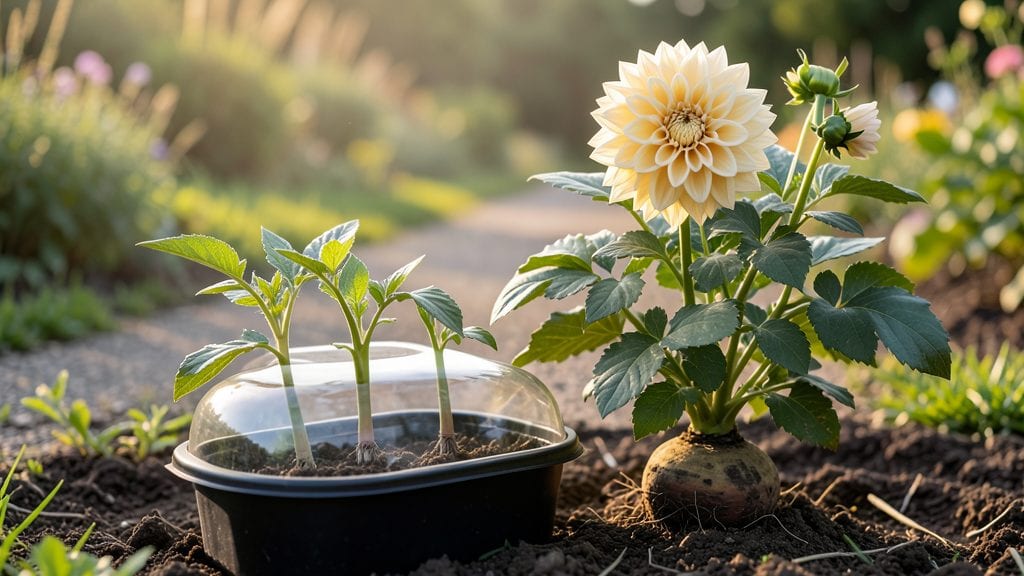
Growing flowers from tubers is one of those gardening secrets that turns a modest investment into jaw-dropping blooms—dahlias the size of dinner plates, cannas that tower like tropical sentinels, and gladioli that look like they belong in a royal garden.
I’ve killed more tubers than I’d care to admit, but once you get the timing right, these plants practically grow themselves.
The magic starts with the right tubers: look for firm, plump roots with no soft spots or mold. Plant them in well-draining soil after the last frost when the ground warms to at least 50°F, and you’ll see shoots emerge within 2-4 weeks.
Water lightly at first, then increase as the stems grow—overwatering is the #1 killer of tuberous plants.
By midsummer, you’ll have vibrant, velvety blooms that last for weeks, and the best part? Many tubers—like dahlias and cannas—are perennial in warm climates, meaning they’ll come back bigger and better each year. Even in colder zones, storing them over winter is simpler than you’d think.
Whether you’re working with a sunny border, containers on a patio, or even indoor setups with grow lights, these plants adapt surprisingly well. Let’s get those tubers in the ground—and watch your garden transform before your eyes.
📚 In This Guide
- What you need
- Instructions
- Tips and common mistakes
- Wrapping up and next steps
What you need
- ● Tubers (bulbs/roots): Choose from dahlias, cannas, caladiums, or begonias (1–5 tubers, depending on desired plant size).
- ● Well-draining potting mix: 1–2 bags (look for "bulb-specific" or "cactus/succulent" blends).
- ● Containers or garden bed: Containers: 6–12" pots with drainage holes (1 per tuber or larger for clustering).
- ● Garden bed: Sunlit spot with loose, fertile soil (amend with compost if needed).
- ● Watering can or hose: With a gentle spray nozzle for hydration.
- ○ Gloves (optional): To protect hands from sharp tuber edges.
- ○ Fertilizer (optional): Balanced 10-10-10 or bulb-specific fertilizer (follow package rates).
- ● Mulch (straw or shredded bark) to retain moisture.
- ● Trellis or stakes for tall-growing tubers (e.g., cannas).
- ● Plant labels to track varieties.
- ● Pruning shears for trimming dead foliage.
- ● Grow lights (if starting indoors before last frost).
Step-by-step guide to growing flowers from tubers
Here’s how to coax vibrant blooms from dormant tubers with minimal fuss.
Select and Prepare the Tubers
Start by choosing healthy tubers—look for firm, plump specimens free of soft spots or mold. Dahlias, cannas, and caladiums are great beginner options. Before planting, let them dry out slightly for 24 hours at room temperature. This mimics their natural dormancy period and prevents rot.
For tubers with obvious eyes (growth points), position them upright in your pot or garden bed. If unsure which end is up, place them horizontally—they’ll still grow, though upright planting yields straighter stems. I like to lay them on a towel first to inspect for damage or signs of disease.
Plant at the Right Depth and Spacing
Fill your container with well-draining potting mix (never garden soil—it compacts too much). For tubers, plant them 2-3 inches deep, with the eyes facing upward. If planting multiple tubers, space them 6-12 inches apart depending on the variety—larger tubers like dahlias need more room.
Press the soil gently around the tubers to secure them without compacting. Water lightly until the soil feels damp 1 inch below the surface, but avoid soaking. Overwatering at this stage can drown the tuber before roots establish. A spray bottle works best to avoid displacing the planting.
Provide Warmth and Bright Light
Place your newly planted tubers in a spot with bright, indirect light (think 60-70°F) for the first 2-3 weeks. A sunny windowsill or under a grow light is ideal. Tubers need warmth to break dormancy—if your home runs cooler, a seedling heat mat set to 70°F speeds up sprouting.
Wait until you see green shoots emerging (usually 3-6 weeks) before moving them to full sun. At this stage, tubers are fragile—don’t rush them. You’ll know they’re ready when the shoots reach 2-3 inches tall and look sturdy.
Water and Fertilize for Strong Growth
Once shoots appear, increase watering gradually—keep the soil consistently moist but not soggy. Tubers hate wet feet, so ensure pots have drainage holes. I water when the top inch of soil feels dry, usually every 2-3 days in warm weather.
After 4-6 weeks of active growth, switch to a balanced liquid fertilizer (like 10-10-10) every 2 weeks. This boosts blooms without overfeeding. Stop fertilizing once buds form—too much nitrogen late in the season delays flowering.
Support and Deadhead for Longer Blooms
As stems grow taller (especially dahlias or cannas), stake them early to prevent flopping. Use 3-foot bamboo stakes or a small cage, tying stems loosely with soft plant ties. Avoid tight bindings—they can girdle the stems as they thicken.
When flowers fade, deadhead them by snipping spent blooms just above a set of leaves. This redirects the plant’s energy into producing more flowers. For tubers like caladiums, which focus on foliage, skip deadheading—let the leaves store energy for next season.
Tips & tricks for perfect tubers to blooms
Here's what nobody tells you about growing vibrant flowers from tubers—these little details make all the difference.
Dormancy Breakdown: That 24-hour drying period before planting is non-negotiable. I learned this the hard way after watching tubers rot in damp soil. Place them on a paper towel in a warm spot (around 70°F) to mimic their natural drying cycle. This simple step prevents fungal issues and jumpstarts root growth.
Lighting Strategy: During those first 2-3 weeks of bright indirect light, position your tubers within 12 inches of a south-facing window. If using grow lights, keep them 6-8 inches above the soil and run them for 12-14 hours daily. Too much light too soon can scorch delicate sprouts—think gradual exposure, not shock therapy.
Watering Wisdom: The "top inch dry" rule is your best friend, but timing matters. Water in the morning so excess moisture evaporates during the day. I've seen tubers develop rot simply because I watered at night when evaporation slows. And always use room-temperature water—cold water can shock the emerging roots.
Fertilizer Timing: Those 4-6 weeks before switching to fertilizer are critical. If you fertilize too early, you'll encourage leafy growth at the expense of flower buds. Once you see active growth (new leaves appearing every 5-7 days), that's your cue to start. I use half-strength fertilizer the first time to avoid burning tender roots.
Pro Tips for Flowers From Tubers
- Here's what nobody tells you about growing vibrant flowers from tubers—these little details make all the difference.
- Dormancy Breakdown: That 24-hour drying period before planting is non-negotiable.
- Lighting Strategy: During those first 2-3 weeks of bright indirect light, position your tubers within 12 inches of a south-facing window.
Frequently asked questions
Got questions about growing stunning blooms from tubers? You’re not alone! Here are answers to the most common queries to help you succeed with ease.
How long does it take for tubers to flower after planting?
Most tuberous plants like dahlias, cannas, or caladiums take 8–12 weeks to sprout and 3–6 months to bloom, depending on the variety and climate. Early bloomers (e.g., Canna) may flower faster, while slower growers (like Dahlia) need patience. Plant in spring after frost for best results!
Can I grow tubers indoors or in containers?
Many tubers thrive in containers—just choose pots with drainage holes and use well-draining soil. Caladiums and Begonias love indirect light, while Dahlias need full sun. Keep tubers in pots for 2–3 years before replanting outdoors. Pro tip: Rotate containers weekly for even growth!
My tuber isn’t sprouting—what should I do?
Don’t panic! Tubers need consistent warmth (60–70°F) and moisture to wake up. Try these fixes:
- Check for rot—trim mushy spots and replant.
- Soak the tuber in lukewarm water for 24 hours.
- Move to a sunny windowsill or use a grow light.
Are there tuber flowers that bloom all summer?
Yes! Canna lilies and Dahlias are top picks for continuous blooms (June–frost). For shorter seasons, Caladiums (shade-loving) or Begonias (heat-tolerant) add color. Deadhead spent blooms to encourage more flowers—just pinch off wilted stems with clean scissors!
How do I store tubers over winter?
Most tubers (except Canna) need dormancy. After frost:
- Cut back foliage and dig up tubers.
- Rinse off soil and let dry in a shady, warm spot for 1–2 weeks.
- Store in a cool (40–50°F), dry place (like a garage) with paper towels to prevent rot.
Bonus Tip:
Label your tubers! They often look identical, and tracking varieties (like ‘Black Dahlia’ vs. ‘Canna Tropicanna’) saves guesswork next season. Use toothpicks and masking tape for a garden-ready solution.
Wrapping up and next steps
Growing flowers from tubers is a rewarding journey that brings vibrant blooms to your garden with minimal effort! Whether you’re a beginner or a seasoned gardener, these easy-to-grow plants offer beauty and resilience.
Start small—pick a few tubers, follow the care tips, and watch your garden transform into a colorful paradise.
Ready to dive in? Pick your favorite tubers and plant them this season—your future garden will thank you! 🌱✨