
Flowers
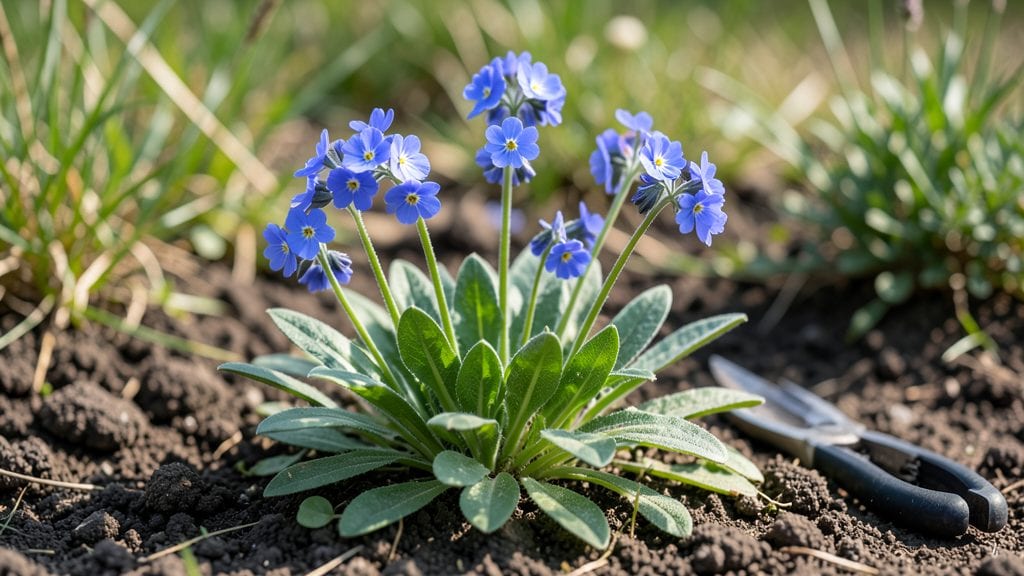
The leaves of forget-me-not flowers are the unsung heroes of those iconic blue blooms—tiny, fuzzy, and surprisingly hardy for a plant that thrives in chilly climates. 🌿 I’ve watched their vibrant green foliage turn yellow or spotty more times than I’d like to admit, and each time, it’s a clear sign the plant’s struggling before the flowers even show up.
These leaves aren’t just pretty; they’re the plant’s lifeline, telling you exactly what’s working—or what’s not.
Forget-me-nots (Myosotis spp.) love bright but indirect light, so a spot with morning sun and afternoon shade keeps their leaves lush and disease-free. Too much direct sun scorches them, while too little causes them to pale and stretch out.
The soil should drain well but stay consistently moist—think of a damp sponge, not a swamp. When leaves stay dark green and compact, you’re on the right track; when they yellow or develop brown spots, it’s time to check your watering or pest control.
Healthy leaves mean more blooms, and the secret is simple: keep them happy with regular deadheading (snipping spent flowers) and a light mulch to protect roots. I’ve seen forget-me-nots rebound from leaf issues in just a few weeks once I adjusted their care.
The payoff? A carpet of those signature blue blooms that last from spring to early summer, even in zones where other perennials struggle.
Cold-hardy but not pest-proof—watch for aphids and powdery mildew, which love to move in when leaves get stressed. A quick spray of soapy water or neem oil usually does the trick.
With the right balance of light, water, and a little TLC, those fuzzy leaves will stay vibrant all season, proving that sometimes the smallest details make the biggest difference in your garden.
📚 In This Guide
- What you need
- Instructions
- Tips and common mistakes
- Wrapping up and next steps
What you need
- ● Forget-Me-Not Seeds or Plants: 1–5 packets of seeds (organic, cold-hardy varieties like Myosotis sylvatica recommended)
- ● OR 3–6 nursery-grown plants (6-inch pots, established roots)
- ● Soil: 2–3 bags of well-draining, slightly acidic potting mix (pH 6.0–7.0)
- ○ 1 bag of perlite or sand (for aeration, optional but helpful)
- ● Containers or Garden Space: 6–12-inch pots (with drainage holes) OR a partially shaded garden bed (6+ hours of light)
- ● Watering Tools: Watering can with a fine rose nozzle
- ● Spray bottle (for seedlings)
- ● Gardening Tools: Trowel or small shovel
- ● Pruning shears (for harvesting leaves/blooms)
- ● Gloves (to protect hands from prickly stems)
- ○ Optional Preservation Supplies (for dried leaves/blooms): Silica gel packets or airtight containers
- ● Drying screen or newspaper (for flat drying)
- ● Cold-Climate Prep: Mulch (straw or shredded leaves, 2–3 inches)
- ● Frost cloth (for seedlings in zones 3–5)
How to grow and care for forget-me-not flowers in cold climates
These charming blue blooms thrive in cool weather—here's how to coax their delicate beauty into your garden.
🌱 Step 1: Choose the Perfect Planting Spot
Forget-me-nots love partial shade to full sun but perform best with morning sunlight and afternoon shade in hotter regions. I always pick a spot with well-draining soil—these plants hate soggy roots. Test your soil by squeezing a handful; if it stays clumped, amend with compost or sand to improve drainage.
Look for areas with gentle airflow—this prevents fungal issues that plague forget-me-nots. A location near other low-growing perennials works beautifully, as they appreciate companionship but not competition. Mark the spot with a small stake before digging, so you don’t lose track of where to plant.
☀️ Step 2: Plant at the Right Time and Depth
Spring or early fall planting gives forget-me-nots the best start. Dig holes twice as wide as the root ball but no deeper—planting too deep suffocates the roots. Gently loosen the roots if they’re circling the pot, then place the plant so the top of the root ball sits just below soil level. Firm the soil around it with your fingers to remove air pockets.
Space plants 12-18 inches apart—this gives them room to spread without crowding. Water deeply right after planting to settle the soil and encourage root contact. You’ll know it’s right when the soil looks evenly moist but not muddy. Mulch lightly with 1 inch of organic mulch (like shredded bark) to retain moisture and deter weeds.
💧 Step 3: Water and Feed for Consistent Blooms
Keep the soil evenly moist but never soggy—forget-me-nots wilt quickly if they dry out. Water once a week in cool weather, but check the top inch of soil daily. If it feels dry, water again. In hotter months, you may need to water every 2-3 days, especially if the leaves look slightly wilted in the afternoon.
Feed lightly in early spring with a balanced, water-soluble fertilizer (like 10-10-10) diluted to half strength. Too much fertilizer makes the foliage grow fast but blooms sparse. I skip fertilizing after midsummer—these plants need a rest to rebloom the following year. Look for new growth in spring as a sign they’re ready for another feeding.
✂️ Step 4: Deadhead and Prune for Long-Lasting Beauty
Deadhead spent blooms every 2-3 weeks to encourage more flowers. Simply pinch off faded flowers with your fingers—no need for shears. This prevents the plant from wasting energy on seed production. You’ll notice fresh buds forming within 1-2 weeks of deadheading, especially if the weather stays cool.
In early fall, cut back one-third of the foliage to tidy the plant and remove any yellowed or diseased leaves. This helps prevent winter rot. Forget-me-nots are hardy perennials, so they’ll return year after year with proper care. Just avoid heavy pruning in late summer—this can stunt new growth before winter.
⏰ Step 5: Protect in Harsh Winters
Forget-me-nots survive USDA zones 3-8, but in colder regions, they benefit from a light mulch layer (about 2-3 inches) after the first frost. Use straw or shredded leaves—this insulates the roots without smothering the plant. Remove the mulch in early spring once the ground thaws to avoid rot.
Watch for frost damage in early spring—if leaves turn brown, trim them back to healthy green growth. The plant will bounce back quickly in warmer weather. Forget-me-nots are tough once established, but young plants may need a bit of winter protection their first year. A small cloche or row cover works well if temperatures dip below 10°F.
Tips & tricks for perfect forget-me-not care in cold climates
Here's what I've learned after growing forget-me-nots for years in chilly regions—these little details make all the difference.
Soil Test First: Before planting, do this quick test: squeeze a handful of your garden soil. If it stays clumped when you release it, you need to amend it. Forget-me-nots despise soggy roots, so mix in compost or coarse sand until the soil crumbles easily between your fingers. This small step prevents root rot that can kill your plants before they even bloom. I've lost entire batches because I skipped this—don't make my mistake!
Planting Depth Matters: When you're planting those twice-as-wide holes in Step 2, remember the root ball should sit just below soil level—not buried deeper. I learned this the hard way when my first batch flopped because the stems were smothered. Also, gently tease apart any circling roots before placing them in the hole—this encourages faster root spread into your prepared soil.
Watering Wisdom: Forget-me-nots are thirsty but hate soggy feet. After planting, water deeply until you see moisture reach 6 inches down—this encourages roots to grow downward. In hotter months, check the top inch of soil daily. If it feels dry, water again. I've found that morning watering prevents fungal issues, especially in humid climates. And always water at the base, not over the leaves, to keep those delicate blooms clean and healthy.
Winter Protection Hack: For that 2-3 inch mulch layer in Step 5, I've had the best luck with straw rather than leaves. Straw stays in place better and drains excess moisture. If you're in zone 3 and temperatures dip below 10°F, add a small cloche or row cover—it's worth the investment to protect your plants' first winter. Just remember to remove it in early spring once the ground thaws to avoid trapping moisture.
Pro Tips for Forget Me Not Flowers Leaves
- Here's what I've learned after growing forget-me-nots for years in chilly regions—these little details make all the difference.
- Soil Test First: Before planting, do this quick test: squeeze a handful of your garden soil.
- Planting Depth Matters: When you're planting those twice-as-wide holes in Step 2, remember the root ball should sit just below soil level—not buried deeper.
Frequently asked questions
about Forget-Me-Not flowers and leaves—here’s everything you need to know to keep these charming perennials thriving in cold climates!Can Forget-Me-Not leaves stay green all winter, or do they die back?
Forget-Me-Not leaves typically do die back in winter, especially in colder zones (like 3–7). The foliage may turn brown and crispy, but the roots stay alive underground. In milder climates, some varieties retain a bit of green, but they’re not evergreens—so don’t worry if they look dormant!
How cold can Forget-Me-Not plants tolerate before they freeze?
Most Forget-Me-Not species handle down to -30°F (-34°C), making them perfect for cold climates! However, young plants or newly planted cuttings may need winter protection (like mulch or frost cloth) until established. Hardy varieties like Myosotis sylvatica are your best bet for harsh winters.
What’s the best way to revive Forget-Me-Not leaves if they look wilted or yellow?
Wilting or yellowing leaves often signal overwatering, poor drainage, or fungal issues. First, check soil moisture—Forget-Me-Nots prefer consistently moist but well-draining soil. If fungal spots appear, trim affected leaves and treat with neem oil. Avoid soggy soil to prevent root rot!
Can I use Forget-Me-Not leaves for anything besides decoration?
While the leaves aren’t as showy as the flowers, they’re edible and aromatic! Young leaves can be added to salads (in moderation—they’re slightly bitter) or used as a garnish. Just avoid leaves from roadside plants (they may absorb pollutants). For non-culinary uses, dried leaves make fragrant potpourri or natural dyes.
Are there Forget-Me-Not varieties with darker or variegated leaves?
Most Forget-Me-Nots have solid green leaves, but some modern hybrids (like ‘Victoria’ or ‘Blue Ball’) may have slightly deeper foliage. For variegated options, try Myosotis alpestris cultivars—they often have subtle cream or silver streaks. If you love bold foliage, pair Forget-Me-Nots with contrasting plants like Heuchera or Hosta for a striking garden combo!
Wrapping up and next steps
From their hardy resilience in cold climates to their symbolic charm, forget-me-not flowers and leaves are a dream for gardeners seeking beauty without compromise. Whether you're preserving their delicate blooms or mastering their care, these perennials prove that grace and grit go hand in hand. 🌿
Ready to bring a touch of blue magic to your garden? Start by planting a few seeds or gifting a bouquet—your space (and someone special) will thank you!