
Lawn
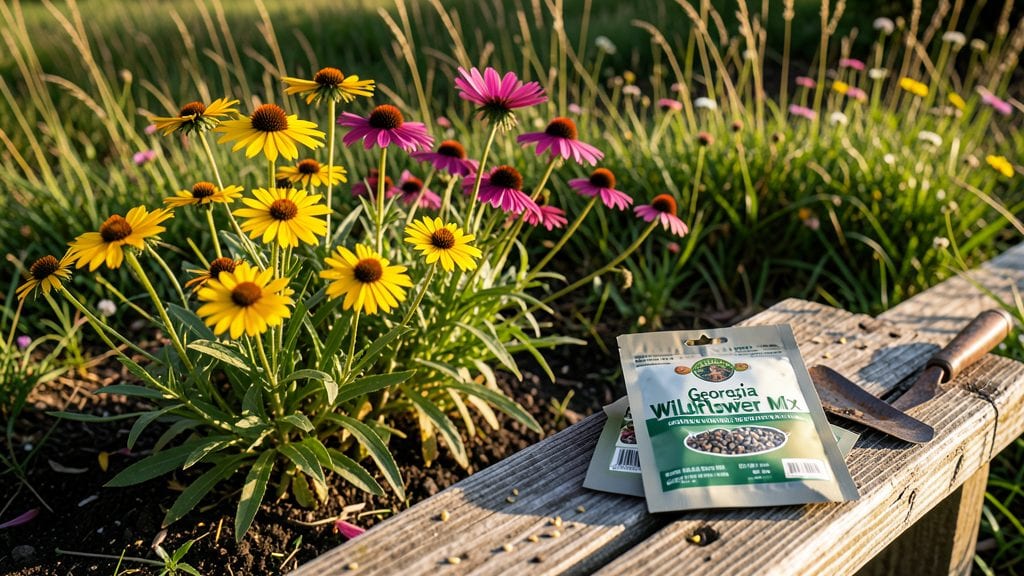
A Georgia wildflower seed mix brings vibrant color and buzzing life to your landscape—without the fuss of traditional lawns. I’ve planted mine along sunny fence lines and seen hummingbirds, bees, and butterflies transform a once-dull yard into a thriving ecosystem within just a few months.
The secret lies in letting nature take the lead: these native seeds thrive with minimal intervention, once you know their preferences.
You’ll need a sunny spot with well-draining soil—no fancy amendments required—and a light raking to prepare the ground. Watering is simple: keep the soil moist for the first few weeks, then let it dry between waterings to encourage deep roots.
Most mixes bloom from spring through fall, with some varieties even providing winter interest. The best part? These wildflowers attract pollinators while outcompeting weeds, reducing your maintenance workload.
By late summer, you’ll have a meadow bursting with colors from purple coneflowers to golden black-eyed Susans. The air hums with activity as bees and butterflies flit between blooms, and you’ll notice fewer pests in your vegetable garden too.
This isn’t just a pretty landscape—it’s a functional ecosystem that supports local wildlife while cutting back on water and chemical use.
Perfect for Georgia’s climate, these mixes adapt to everything from dry hillsides to moist lowlands. For larger areas, consider dividing the space into sections to create layered blooms throughout the season. Start small with a 10-foot-by-10-foot patch to test what works best in your yard before expanding further.
📚 In This Guide
- What you need
- Instructions
- Tips and common mistakes
- Wrapping up and next steps
What you need
- ● Georgia Wildflower Seed Mix: 1–5 lbs (depending on area size; see package instructions for exact coverage). Choose a native mix for best pollinator support!
- ● Garden soil or compost: 2–3 inches (mix with existing soil if needed for better drainage).
- ● Rake or hoe: For loosening soil and creating a fine seedbed.
- ● Water source: Hose with gentle spray nozzle or watering can.
- ○ Optional mulch or straw: ¼ inch layer to retain moisture (especially in hot Georgia summers).
- ● Broadcast spreader: For even seed distribution (especially for larger areas).
- ● Garden gloves: To keep hands clean while handling seeds.
- ● Twine or stakes: To mark planting areas if needed.
- ○ Organic fertilizer (low nitrogen): Optional boost for soil health (follow package rates).
- ● Bird netting: Temporary protection if squirrels or birds are seed thieves!
Step-by-Step guide to planting Georgia wildflower seed mix
Transform your garden into a buzzing haven for pollinators with this foolproof method.
Prepare Your Planting Site
Choose a location that receives full sun to partial shade—most native wildflowers thrive in 6+ hours of sunlight daily, though a few shade-tolerant species can handle 3-4 hours. Clear the area of weeds and debris, then loosen the top 4-6 inches of soil with a garden fork or tiller. This aeration helps roots establish quickly.
If your soil is heavy clay or compacted, mix in 2-3 inches of compost to improve drainage and fertility. Native wildflowers adapt well to lean soil, but a little organic matter boosts early growth. Test the soil moisture by squeezing a handful—it should crumble slightly when dry but not feel powdery. Water the area lightly the day before planting to settle the soil.
Scatter and Lightly Cover the Seeds
Open the Georgia wildflower seed mix packet and pour the seeds directly onto the prepared soil. Avoid measuring—wildflower seeds are tiny and unevenly distributed, so scattering by hand ensures natural spacing. For a 1,000-square-foot area, the packet typically covers it fully, but double-check the label for exact coverage rates.
Gently rake the seeds into the soil with a fine-toothed rake, covering them with a thin layer (no more than ¼ inch) of soil or compost. Press lightly to ensure contact with the earth, but don’t bury them deeply—most wildflower seeds need light to germinate. Mark the planting area with small stakes or flags to avoid disturbing it during germination.
Water Gently and Maintain Moisture
Water the seeded area lightly but thoroughly using a fine mist setting on your hose or a watering can. The goal is to moisten the soil evenly without displacing seeds or creating runoff. Keep the soil consistently moist (not soggy) for the first 4-6 weeks, as seeds need steady moisture to germinate. Water in the early morning to reduce evaporation and fungal risks.
After germination, reduce watering to once a week unless your region experiences a heatwave. Native wildflowers are drought-tolerant once established, but young seedlings benefit from regular moisture. You’ll notice the first sprouts in 2-4 weeks, though some species may take longer—patience is key.
Monitor and Encourage Growth
Once seedlings emerge, avoid walking on the area or disturbing the soil. Thin crowded seedlings to 3-4 inches apart once they reach 2-3 inches tall, using small scissors to snip excess plants at soil level. This prevents competition and promotes stronger growth. Watch for pests like aphids or slugs—handpick or spray with a soapy water solution if needed.
Fertilizer isn’t necessary for wildflowers, but a light application of compost in early spring can support blooming. Deadhead spent flowers by snipping them at the base to encourage more blooms and prevent self-seeding where you don’t want it. By the second year, your garden will burst into color, attracting bees, butterflies, and hummingbirds.
Tips & tricks for perfect Georgia wildflower plantings
Here’s what I’ve learned from years of transforming gardens into pollinator paradises—these tricks ensure your Georgia wildflower mix thrives from day one.
Soil Prep Secret: The 4-6 inch soil loosening in Step 1 isn’t just about aeration—it’s about creating a sponge-like texture. If your soil feels dense when squeezed, add that 2-3 inches of compost and work it in until it crumbles easily between your fingers. This mimics the natural forest floor conditions these wildflowers evolved to love, giving roots instant access to moisture and nutrients.
Seed Scattering Strategy: When scattering seeds in Step 2, think "light dusting" rather than precise placement. The ¼-inch coverage rule is critical—any deeper and you’ll smother the seeds, which need light to germinate. For larger areas, consider dividing the packet into thirds and scattering each section in different directions to ensure even distribution. Marking with stakes isn’t just helpful—it’s essential when kids or pets might wander through.
Watering Wisdom: The early morning watering window in Step 3 prevents fungal risks by allowing foliage to dry during the day. For the first 4-6 weeks, I recommend using a spray nozzle on your hose to create a fine mist—this mimics natural rainfall and prevents seed displacement. If your area gets heavy rain during this period, check for puddles and gently redistribute water with a rake to maintain even moisture.
Thinning Technique: In Step 4, thinning to 3-4 inches apart might seem counterintuitive when you’re eager for quick coverage, but this spacing gives each plant room to develop strong roots. Use clean scissors to avoid damaging nearby seedlings, and save the thinned plants for propagation elsewhere in your garden. The first year’s growth will be modest, but this patience pays off with robust plants by year two.
Pro Tips for Georgia Wildflower Seed Mix
- Here’s what I’ve learned from years of transforming gardens into pollinator paradises—these tricks ensure your Georgia wildflower mix thrives from day one.
- Soil Prep Secret: The 4-6 inch soil loosening in Step 1 isn’t just about aeration—it’s about creating a sponge-like texture.
- Seed Scattering Strategy: When scattering seeds in Step 2, think "light dusting" rather than precise placement.
Frequently asked questions
When is the best time to plant Georgia wildflower seeds?
For optimal results, sow seeds in early spring (March–April) or fall (September–October). Spring planting gives flowers a full season to establish, while fall seeds benefit from cooler temps and winter moisture. Avoid planting in summer’s heat—it can dry seeds out before germination!
How much water do wildflower seeds need after planting?
Keep soil consistently moist (not soggy) for the first 2–3 weeks. Water lightly daily (or every other day) until sprouts appear. After germination, reduce to 1–2 times per week—wildflowers thrive in drought once established. Overwatering can wash seeds away or cause rot.
Will Georgia wildflower mixes attract bees and butterflies?
Absolutely!
These mixes are packed with pollinator-friendly species like black-eyed Susans, coneflowers, and milkweed. For extra buzz, choose blends labeled “bee & butterfly approved” or add native perennials like Lupinus perennis (wild lupine). Just avoid pesticides—bees need the flowers as much as you need them!
Can I plant wildflower seeds in shady areas?
Most Georgia wildflower mixes prefer full sun (6+ hours/day), but some shade-tolerant varieties (like Coreopsis or Rudbeckia) may thrive in partial shade (3–6 hours of sun). For deep shade (<3 hours), opt for a shade-tolerant mix or pair wildflowers with ferns or hostas. Test your spot’s sunlight first!
What if my wildflowers don’t grow? Troubleshooting tips
No sprouts?
Check seed freshness (store-bought seeds last 1–2 years) and ensure soil contact—lightly press seeds into soil.
Weeds taking over?
Hand-pull early or use a mulch layer (straw or grass clippings) to suppress weeds without chemicals.
Flowers fading fast?
Deadhead spent blooms to encourage regrowth or let some seeds drop for next year’s display.
Animals eating seeds?
Plant after birds/rabbits are less active (late afternoon) or use a lightweight netting temporarily.
Are there alternatives to traditional seed mixes?
Yes! Try pre-grown wildflower plugs for instant color (great for small spaces) or native grass seed blends to reduce mowing. For a low-maintenance look, mix wildflower seeds with clover—it self-seeds and adds nitrogen to the soil. Local nurseries often carry Georgia-specific options!
Wrapping up and next steps
Transforming your Georgia landscape into a vibrant pollinator paradise is easier—and more rewarding—than you think! With the right Georgia wildflower seed mix, you’re not just planting seeds; you’re nurturing ecosystems, supporting local wildlife, and creating a breathtaking display of color.
Whether you’re a seasoned gardener or just starting, every packet is a step toward a greener, more beautiful future.
Ready to take action? Start small—choose a sunny patch of land, grab your seeds, and let nature do the rest. Your garden (and the pollinators!) will thank you. 🌸🐝