
Flowers
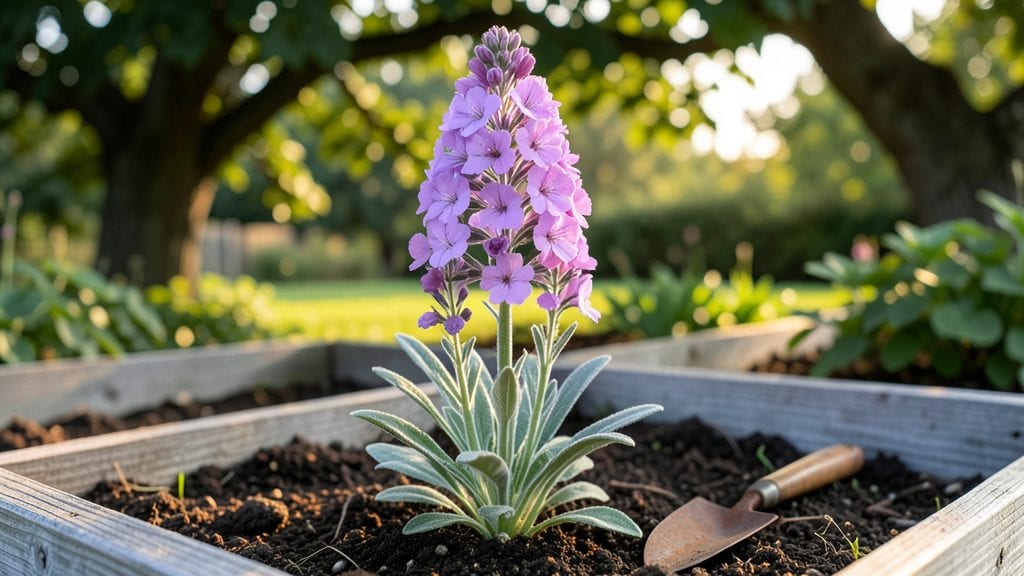
Growing stock flowers from seed is one of those gardening victories that makes you feel like a plant whisperer. 🌱 I’ve watched them transform a bare patch into a fragrant cloud of color—even when winter’s chill lingers.
The key isn’t just patience; it’s knowing how to coax their delicate stems through frost and into bloom.
These cold-hardy perennials love well-draining soil and full sun, but they’re forgiving once you get their basic needs right. Start seeds indoors 6-8 weeks before your last frost, then transplant when soil warms to 50°F.
A sprinkle of compost at planting time gives them the boost they need to establish strong roots before summer’s heat arrives.
What you’ll end up with is a cottage-garden staple that keeps giving—clusters of sweetly scented blooms from early summer through fall, with some varieties even reblooming in cool weather.
The fragrance alone makes them worth growing, but their ability to naturalize and return year after year seals the deal.
Perfect for borders, containers, or cutting gardens, stock flowers pair beautifully with lavender, snapdragons, and sweet alyssum. They’re also deer-resistant, which is a bonus if you’re battling browsers in your yard. Let’s get those seeds started!
📚 In This Guide
- What you need
- Instructions
- Tips and common mistakes
- Wrapping up and next steps
What you need
- ● Stock flower seeds: Choose cold-hardy varieties like Matthiola incana (common stock) or Matthiola longipetala (biennial stock). Opt for heirloom or organic seeds for best results (1–2 packets, ~50–100 seeds each).
- ● Well-draining potting mix: A blend of 50% peat-free compost, 30% perlite or vermiculite, and 20% coarse sand (or pre-mixed seed-starting mix). Pro tip: Avoid heavy clay soil—stocks hate soggy roots! 🌡️
- ● Containers or garden beds: For seedlings: 4–6 inch biodegradable pots or cell trays (10–20 units).
- ● For transplanting: 6–12 inch pots or garden plots with 6+ inches of soil depth.
- ● Slow-release fertilizer: A balanced 10-10-10 or organic option (like fish emulsion or compost tea).
- ● Hand trowel (for planting/seeding).
- ● Spray bottle (for gentle watering of seeds).
- ● Gloves (to protect hands from prickly stems).
- ● Pruners or scissors (for deadheading and harvesting).
- ○ Optional but helpful: Seedling heat mat (if starting indoors in cool climates).
- ● Grow lights (for early indoor growth).
- ● Mulch (straw or shredded leaves to insulate roots in winter).
- ● Sunlight: Full sun (6+ hours/day)—stocks are sun-worshippers! 🔥
- ● Temperature: Seeds germinate best at 60–70°F (15–21°C). Mature plants tolerate light frosts (down to 20°F/-7°C with protection).
- ● Watering routine: Keep soil consistently moist but not waterlogged (especially for seedlings).
- ● Patience: Biennial stocks may take 6–8 months to bloom the first year but reward you with spectacular fragrance and color the next! ✨
Step-by-Step guide to planting and maintaining stock flowers
Here's how I establish these fragrant perennials for long-term blooms.
🌱 Step 1: Choose the Perfect Planting Location
Stock flowers thrive in full sun to partial shade, with at least 6 hours of direct sunlight daily. I always select a spot with well-draining soil—these plants hate soggy roots. The ideal location also offers some afternoon shade in hotter climates to prevent leaf scorch.
Test your soil's drainage by digging a hole, filling it with water, and timing how long it takes to drain. If water remains after 1 hour, amend with 2-3 inches of compost mixed into the top 12 inches of soil. Stocks grow best in slightly alkaline soil with a pH between 6.5-7.5, so test your soil and adjust if needed.
🪴 Step 2: Plant at the Right Time and Depth
Plant stock seeds or transplants in early spring, about 4-6 weeks before your last frost date. For seeds, sow them ¼ inch deep—they need light to germinate, so don't bury them too deeply. Space seeds 12-18 inches apart to allow room for mature plants, which can reach 2-3 feet tall.
If planting transplants, dig holes twice as wide as the root ball but no deeper. Gently remove the plant from its container, loosen the roots if they're circling, and place it in the hole so the top of the root ball sits ½ inch below soil level. This helps prevent stem rot while keeping the plant stable. Water deeply after planting to settle the soil around the roots.
☀️ Step 3: Provide Consistent Care for Healthy Growth
Water stock flowers 1-2 times per week, providing 1 inch of water each time. These plants are drought-tolerant once established, but young plants need consistent moisture to develop strong roots. You'll know they're getting enough water when the soil feels damp 2-3 inches below the surface.
Fertilize lightly in early spring with a balanced, slow-release fertilizer (like 10-10-10) to encourage lush growth. Avoid high-nitrogen fertilizers, which promote leafy growth at the expense of flowers. Deadhead spent blooms regularly to encourage continuous flowering throughout the season. Stocks are self-seeding, so you may find new plants popping up in unexpected places—these can be transplanted or left to naturalize.
✂️ Step 4: Prune and Overwinter for Next Year's Blooms
In late fall, cut back the stems to 4-6 inches tall after the first frost. This helps protect the plant from harsh winter winds and prevents damage from heavy snow. Stocks are cold-hardy in USDA Zones 3-9, so they'll return year after year with minimal care.
Mulch around the base of the plant with 2-3 inches of organic mulch (like shredded leaves or straw) to insulate the roots during winter. In early spring, remove the mulch and trim any dead or damaged growth before new shoots emerge. This ensures a fresh start and encourages vigorous growth for the upcoming season.
Tips & tricks for perfect stock flower cultivation
These practical insights will help you cultivate fragrant, resilient stock flowers that return year after year with minimal fuss.
Soil Preparation Secret: The 1-hour drainage test in Step 1 is non-negotiable—stocks absolutely despise soggy conditions. If your soil drains slowly, mix in 2-3 inches of compost only into the top 12 inches of soil, not throughout the entire planting hole. This creates a perfect root zone while preventing waterlogging deeper down. For even better results, consider adding 10% perlite or coarse sand to heavy clay soils to improve aeration.
Timing Your Planting: When selecting your 4-6 week window before last frost in Step 2, check your local frost dates and aim for planting when soil temperatures reach at least 50°F. Cold soil slows germination and can stress young transplants. A soil thermometer costs less than $10 and makes all the difference—especially in cooler climates where spring arrives late. This small investment prevents the heartache of stunted growth.
Watering Wisdom: The 1-2 times per week guideline in Step 3 works best when you check soil moisture at 2-3 inches deep. Early in the season, water in the morning to allow foliage to dry before evening, which reduces fungal risks. Once established, stocks are remarkably drought-tolerant, but young plants need consistent moisture—think of it as their foundation for future resilience. A simple moisture meter helps avoid overwatering, which is just as damaging as underwatering.
Winter Protection Pro Tip: When cutting back to 4-6 inches in late fall (Step 4), leave the cut stems attached to the plant rather than removing them completely. These stubs act as natural markers for next year's growth and provide some additional insulation. For extra cold protection in Zone 3, add 4-6 inches of mulch instead of the standard 2-3 inches, creating a thicker insulating blanket for the roots.
Pro Tips for Growing Stock Flowers
- These practical insights will help you cultivate fragrant, resilient stock flowers that return year after year with minimal fuss.
- Soil Preparation Secret: The 1-hour drainage test in Step 1 is non-negotiable—stocks absolutely despise soggy conditions.
- Timing Your Planting: When selecting your 4-6 week window before last frost in Step 2, check your local frost dates and aim for planting when soil temperatures reach at least 50°F.
Frequently asked questions
Got questions about growing cold-hardy stock flowers? You’re not alone! Here are answers to the most common queries to help you cultivate a thriving garden year-round.
What’s the easiest way to start growing stock flowers from seed?
Stock flowers grow best from seeds sown directly in late spring after the last frost. Scatter seeds lightly on well-drained soil, cover with a thin layer of compost, and keep moist until germination (7–14 days). For faster results, start seeds indoors 6–8 weeks before the last frost. Pro tip: Use a seedling heat mat to speed up germination in cooler climates!
How cold can stock flowers tolerate before they die back?
Most stock flower varieties are hardy to USDA Zones 3–9, meaning they can survive winter temperatures down to -20°F (-29°C). While they may die back to the ground, their roots stay alive, and they’ll regrow in spring. Mulch heavily in late fall to protect them further. Fun fact: Some varieties even bloom in early spring!
Can I grow stock flowers in containers, or do they need a garden bed?
Stock flowers thrive in containers as long as the pot has drainage holes and is at least 12 inches deep. Use a well-draining potting mix and place the container in full sun. Just ensure the pot gets enough water—containers dry out faster than garden beds. Bonus: Container-grown stock makes stunning window boxes!
What pests or diseases should I watch for with stock flowers?
Stock flowers are generally pest-resistant, but keep an eye out for aphids, slugs, and powdery mildew in humid conditions. To prevent issues, space plants for airflow, water at the base (not leaves), and remove any yellowing foliage promptly. Aphids can be blitzed off with a strong spray of water.
How do I encourage stock flowers to rebloom after the first flush?
Deadhead spent blooms regularly to redirect energy to new flowers. Also, fertilize lightly with a balanced, low-nitrogen fertilizer (like 10-10-10) every 4–6 weeks during the growing season. Prune leggy stems in early spring to promote bushier growth. Remember: Over-fertilizing can reduce flowering!
Wrapping up and next steps
Growing stock flowers doesn’t have to be complicated—especially when you choose cold-hardy perennials that reward you with year-round beauty and resilience! 🌿 From Alchemilla mollis to Hellebores, these plants prove that stunning blooms and low maintenance can go hand in hand. With the right soil prep, sunlight balance, and seasonal care, you’ll enjoy vibrant gardens that thrive even in chilly climates.
Ready to transform your outdoor space? Start small—pick one or two perennials to test in your garden this season, and watch your confidence (and blooms!) grow. Happy gardening! 🌸