
Flowers
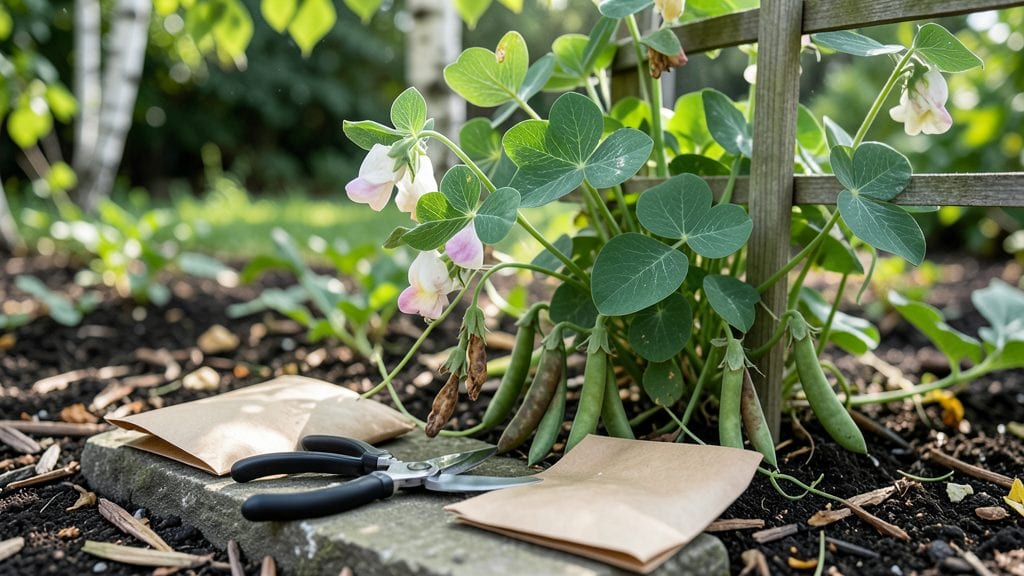
Collecting sweet pea flower seeds from last year’s blooms means next spring’s garden will burst with those same fragrant, velvety petals—if you harvest them right. 🌸 The key isn’t just waiting for pods to form, but knowing exactly when they’re ready and how to handle them before they crack open.
I’ve saved seeds for years, and the difference between a good yield and a handful of shriveled failures comes down to timing and technique.
You’ll need just a few simple supplies: sharp scissors, paper bags for drying, and a dry, dark place to store them. The real work happens in late summer when pods start turning from green to brown—this is when you’ll spot the telltale signs of seed readiness.
A mature pod feels firm but slightly papery, and if you tap it, you’ll hear seeds rattling inside. Miss this window, and you’ll end up with seeds that won’t germinate.
Once you’ve collected the pods, let them dry completely for about two weeks before opening them. The seeds inside should be plump and dark, not shriveled or moldy. Store them in an airtight container in a cool, dry spot, and they’ll stay viable for up to five years.
By next spring, you’ll be planting seeds that promise the same sweet, intoxicating scent and lush blooms you fell in love with this year.
This method works for both climbing and bush varieties, and even if you only have a few plants, you’ll collect enough seeds to share with friends—or fill a whole new garden bed.
The best part? You’ll never have to buy sweet pea seeds again, and you’ll always know exactly where your plants came from.
📚 In This Guide
- What you need
- Instructions
- Tips and common mistakes
- Wrapping up and next steps
What you need
- ● Mature sweet pea pods: Allow pods to fully ripen on the vine until they turn brown and papery (usually 2–3 weeks after flowering). Harvest only when pods are completely dry.
- ● Scissors or pruning shears: Sharp, clean tools to snip pods without damaging the plant.
- ● Brown paper bags or envelopes: 3–5 medium-sized bags (or a single large bag if processing many pods). Avoid plastic—it traps moisture!
- ● Drying surface: A clean, dry tray or screen (like a mesh colander) to spread pods for drying.
- ○ Small fan (optional but helpful): A gentle breeze speeds up drying if humidity is high.
- ● Healthy sweet pea plants: Choose disease-free vines with robust pods (avoid overcrowded or pest-stricken plants).
- ● Sunny, dry conditions: Collect seeds on a warm, dry day (morning is ideal) to prevent mold.
- ● Patience: Seeds take at least 2 weeks to fully dry post-harvest—rushing leads to poor germination!
- ● Seed-saving labels: Small tags or sticky notes to label varieties (e.g., "Cupcake," "Black Eyes").
- ● Desiccant packets: For long-term storage (place 1–2 in an airtight container with seeds).
- ● Magnifying glass: Helps spot tiny seeds inside pods if your eyes need a boost!
Step-by-Step instructions for harvesting sweet pea seeds
Here’s how I save seeds from sweet peas—simple steps to guarantee strong plants next spring.
🌱 Step 1: Identify and Select Healthy Seed Pods
Wait until the first frost has blackened the foliage but the pods remain firm on the vine. This signals the seeds are fully mature. Look for pods that are dry, papery, and brown—they should rattle slightly when shaken. Avoid pods that split open or look shriveled, as those seeds won’t germinate well.
I pick pods in the morning after the dew dries, using clean scissors to snip the stem just above the pod. This prevents moisture from seeping into the cut, which can rot the pod. Place them in a paper bag (not plastic) to allow airflow and prevent mold. If you’re in a humid climate, spread them out on a tray indoors to dry faster.
🌿 Step 2: Dry and Open the Pods
Let the pods dry for 7–10 days in a cool, dry place (around 60–70°F). A sunny windowsill works, but avoid direct sunlight, which can overheat them. Once fully dry, the pods should split open on their own—if not, gently squeeze them between your fingers to release the seeds. Discard any pods that feel mushy or smell funky.
I spread a clean sheet of newspaper on a flat surface and tap the pods over it to catch the seeds. This makes it easy to see and separate the seeds from any pod debris. Remove any blackened or shriveled seeds—these won’t sprout. Store the good seeds in a paper envelope labeled with the variety and harvest date.
⏰ Step 3: Store Seeds Properly for Next Year
Place the envelope in a cool, dark spot (like a fridge or basement) where the temperature stays between 35–45°F. Sweet pea seeds stay viable for 3–5 years if stored correctly, but they germinate best when used within 1–2 years. Check the envelope every few months to ensure no moisture has seeped in—condensation is the enemy of seed longevity.
Here’s the thing—don’t refrigerate seeds in plastic. The paper envelope lets them breathe, preventing mold. If you’re unsure about the variety, I like to include a few dried flowers or leaves in the envelope as a visual reminder. Labeling saves headaches when you’re ready to plant!
💧 Step 4: Test Germination (Optional but Recommended)
Before planting next spring, test a few seeds to confirm they’re still good. Place 5–10 seeds between damp paper towels in a sealed plastic bag. Keep them in a warm spot (around 70°F) and check daily. You should see sprouts in 5–7 days. If fewer than half sprout, store the rest in the fridge for another year—they might still work!
This step gives you peace of mind. I’ve had seeds last 4 years this way, but germination rates drop after the first two. If you’re impatient, plant a few now and save the rest for later. Just remember: fresh seeds = stronger starts.
Tips & tricks for perfect sweet pea seed collection
Here's what I've learned after saving sweet pea seeds for years—these little details make all the difference.
Timing is Everything: Harvest pods right after the first frost when foliage turns black but pods stay firm. This is your sweet spot for fully mature seeds. I've learned the hard way that waiting too long means pods split open and seeds scatter—while harvesting too early gives you underdeveloped seeds that won't germinate well. The morning after dew dries is ideal for picking.
Drying Strategy: For those 7-10 drying days in Step 2, I recommend placing pods on a mesh screen or wire rack rather than directly on newspaper. This allows air to circulate on all sides, speeding up the drying process without overheating. A sunny windowsill works, but watch for temperature spikes—above 75°F can damage seeds. If your kitchen gets warm, move pods to a cooler spot like a basement or closet.
Storage Wisdom: The 35-45°F range in Step 3 is crucial for long-term viability. I keep my seed envelopes in a small plastic container with a few silica gel packets to absorb any moisture that might sneak in. This extra precaution has helped my seeds last up to 5 years—though I always test a few before planting. Labeling with the harvest date is a game-changer when you're ready to plant next spring.
Germination Test: The 5-7 day germination test in Step 4 reveals everything about your seed quality. I've had batches where only 20% sprouted after 3 years, so this test helps me decide whether to plant or save seeds for another year. Keep the plastic bag loosely sealed—too tight creates condensation, which can rot seeds before they sprout.
Pro Tips for Collect Sweet Pea Flower Seeds
- Here's what I've learned after saving sweet pea seeds for years—these little details make all the difference.
- Timing is Everything: Harvest pods right after the first frost when foliage turns black but pods stay firm.
- Drying Strategy: For those 7-10 drying days in Step 2, I recommend placing pods on a mesh screen or wire rack rather than directly on newspaper.
Frequently asked questions
Got questions about collecting sweet pea seeds? You’re not alone! Here are some of the most common concerns—and their answers—to help you master the process like a pro.
When is the best time to harvest sweet pea seeds?
Collect seeds when the pods turn brown, dry, and papery—usually 2–3 weeks after flowering. If you harvest too early, seeds won’t mature; too late, and they’ll spill out! Aim for late summer to early fall in most climates. Pro tip: Test by gently squeezing a pod—if it crinkles, it’s ready!
How long do sweet pea seeds stay viable for storage?
Sweet pea seeds remain viable for 2–4 years if stored properly in a cool, dry place (like a sealed envelope or jar with silica gel). For best results, label them with the variety and harvest date. Note: Older seeds may germinate slower or less consistently.
What if my sweet pea pods rot before drying?
Overly wet or humid conditions can cause pods to mold or rot. To prevent this:
- Harvest pods before rain is forecasted.
- Use a fan or dry them indoors in a paper bag with holes for airflow.
- Choose disease-resistant varieties if your climate is damp.
If pods already rot, try saving seeds from healthier ones or replanting next season!
Can I save seeds from hybrid sweet peas?
Most hybrid sweet peas (marked "F1") won’t produce true-to-type offspring, meaning next-year’s blooms may differ in color or size. For consistent results, stick to heirloom or open-pollinated varieties. Check seed packets—they’ll specify if seeds are "true breeding."
How should I store sweet pea seeds until planting?
Store seeds in a cool (35–40°F), dry place (like a fridge) in a sealed container with a desiccant packet or silica gel. Avoid plastic bags—they trap moisture! Label each batch with the variety and harvest year. For extra longevity, freeze seeds in a vacuum-sealed bag.
Wrapping up and next steps
Collecting sweet pea seeds is a rewarding way to grow next year’s vibrant blooms—just follow these simple steps!
By letting pods fully ripen, harvesting at the right time, and storing them properly, you’ll ensure healthy seeds ready for planting. Don’t let fear of failure hold you back—every gardener starts somewhere! Now that you’re armed with the know-how, grab those pods and get growing! Ready to plant your seeds?
Check out our guide on sweet pea seed germination tips for even better results. 🌱✨