
Planting
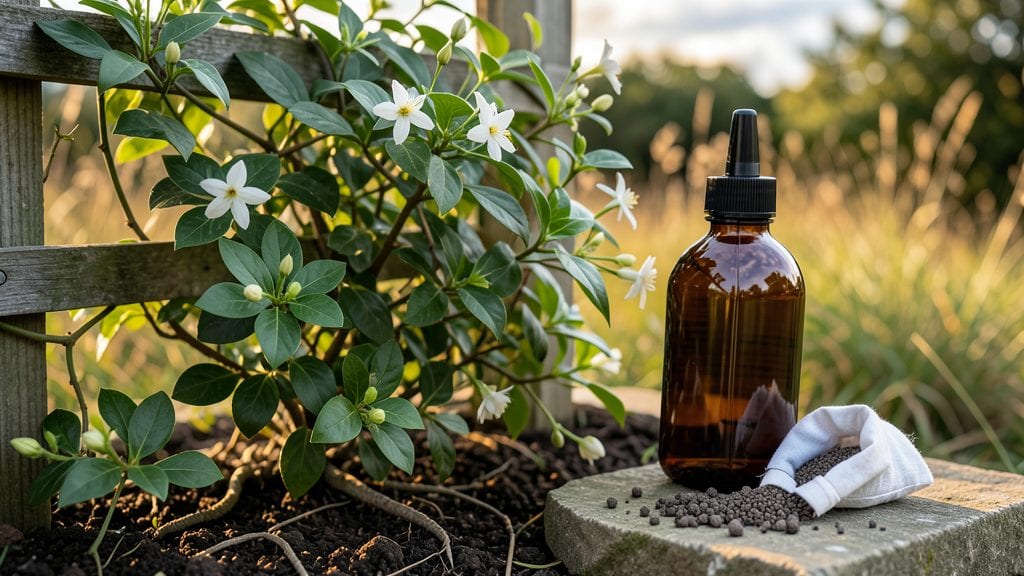
Increasing flowering in jasmine plants starts with understanding its natural blooming triggers—because those fragrant clusters won’t appear if you’re pruning at the wrong time or feeding it the wrong nutrients.
I’ve turned my once-sparse Jasminum officinale into a year-round perfume factory by mastering just three key adjustments: when to trim, how to fertilize, and sunlight positioning that mimics its tropical roots.
The biggest mistake? Pruning after the last flush of blooms—this signals the plant to rest instead of encouraging new growth. Instead, time your cuts right after flowering ends but before new shoots appear, and always cut at a 45-degree angle just above a leaf node.
Combine this with a balanced 10-10-10 fertilizer every 6 weeks during growing season, and you’ll see buds forming within 4-6 weeks of proper care.
What you’ll end up with is a vine covered in snow-white or pale yellow blossoms that perfume the air at dusk, with blooms lasting 2-3 weeks longer than unpruned plants.
The secret isn’t complicated—it’s consistent light (6+ hours of morning sun), gentle watering (never soggy soil), and a little patience while the plant adjusts to your new routine.
Works for both climbing varieties like Jasminum officinale and bushier types like Jasminum sambac, though sambac needs slightly more humidity. Here’s how to make it happen without sacrificing foliage or stressing the plant—because the goal is more flowers, not more leaves.
📚 In This Guide
- What you need
- Instructions
- Tips and common mistakes
- Wrapping up and next steps
What you need
- ● Jasmine plant (preferably healthy, mature vines—Jasminum officinale or Jasminum sambac work best!)
- ● Pruning shears (sharp, clean, and sterilized—alcohol wipes work great!)
- ● Gloves (gardening gloves to protect hands from thorns)
- ● Well-draining potting mix (or garden soil amended with compost—avoid soggy soil!)
- ● Watering can (with a fine rose nozzle for gentle hydration)
- ● Fertilizer (balanced 10-10-10 or 20-20-20 liquid fertilizer, or organic options like fish emulsion)
- ● Support structure (trellis, stakes, or wires for climbing vines)
- ● Rooting hormone (for propagating cuttings)
- ● Mulch (to retain moisture and regulate soil temp)
- ● Grow lights (if indoors and natural light is limited)
- ● Pruning sealant (to prevent disease in larger cuts)
- ● Humidity tray (for indoor plants in dry climates)
Step-by-Step guide to boosting jasmine flower production
Jasmine plants reward precise care with abundant blooms—here’s how to trigger that response.
Master the Pruning Cycle for Flower Stimulation
Jasmine flowers best when pruned immediately after blooming ends. Use sharp, sterilized shears to cut back one-third of the plant’s length, focusing on leggy or overgrown stems. This redirects energy from foliage growth to new flower buds. Prune in early spring or late summer when you notice fewer blossoms—this is your cue the plant needs a reset.
Target the outer third of each stem, cutting just above a leaf node where new growth will emerge. Avoid heavy pruning in fall, as the plant needs stored energy to survive winter. Watch for fresh, vibrant shoots within 4-6 weeks—this confirms the plant is responding to the stimulus.
Optimize Light Exposure for Continuous Blooming
Jasmine thrives in 6-8 hours of direct sunlight daily, but too much afternoon sun can scorch leaves. Position your plant where it receives morning sun and gentle afternoon shade, especially in hot climates. If indoors, place it near a south-facing window or supplement with a grow light for 12-14 hours per day to mimic natural daylight cycles.
You’ll know the light is right when leaves stay a deep green and new growth appears sturdy, not stretched or pale. If flowers drop prematurely, the plant may be overheating—adjust placement to a cooler, brighter spot. Jasmine blooms best when it receives consistent light without sudden shifts.
Adjust Watering to Encourage Flower Bud Formation
Water deeply once a week during active growth, allowing the top 2 inches of soil to dry out between waterings. Overwatering stresses the plant and diverts energy away from flowering. Jasmine roots prefer well-draining soil, so ensure excess water drains freely—soggy conditions lead to root rot and fewer blooms.
Reduce watering slightly in late summer to signal the plant it’s time to focus on flowering rather than foliage. You’ll notice buds forming along the stems 2-3 weeks after cutting back water. If leaves yellow or drop, you’re either overwatering or underwatering—adjust until the soil stays evenly moist but not saturated.
Feed Strategically for Flower-Power Growth
Apply a balanced 10-10-10 fertilizer every 4-6 weeks during spring and summer, but switch to a low-nitrogen, high-phosphorus formula (5-10-10) when buds appear. Phosphorus triggers blooming, while excess nitrogen promotes leafy growth at the expense of flowers. Always water the plant thoroughly after fertilizing to prevent root burn.
Stop fertilizing completely in fall and winter, as the plant enters dormancy. Resume feeding in early spring with a half-strength dose of fertilizer to avoid shocking the plant. You’ll see a surge in new flower stems 3-4 weeks after applying phosphorus-rich fertilizer, signaling the plant is shifting its energy to blooms.
Monitor and Adjust for Year-Round Blooms
Check the plant weekly for signs of stress—wilting leaves, yellowing, or no new buds indicate a need for adjustment. Jasmine responds well to light pruning every 2 months to maintain shape and encourage branching, which increases flower sites. Pinch back new growth tips to promote bushier growth and more blooms.
If your jasmine flowers heavily in spring but fades by summer, it’s likely due to heat stress or lack of pruning. Move it to a cooler, shaded spot during peak summer and prune again in late summer to trigger a second flush of blooms. With consistent care, you’ll enjoy nonstop flowering from early spring through fall.
Tips & tricks for maximizing jasmine blooms
Small adjustments in timing and technique can transform your jasmine from occasional blooms to a fragrant, year-round display. Here's what I've learned after watching my own plants go from sparse flowers to continuous blooms.
Pruning Precision in Step 1: When you're cutting back that one-third of the plant's length, focus on removing stems that have already finished blooming. These stems won't produce flowers again, and keeping them only diverts energy from new growth. Make your cuts just above a leaf node where you can see a small bump—this is where new shoots will emerge. The 4-6 week window for new growth is critical, so don't prune too early or too late in the season.
Light Strategy for Step 2: The 6-8 hours of morning sun is non-negotiable for jasmine flowering, but here's the secret: rotate your plant every few weeks so all sides get equal exposure. This prevents lopsided growth and ensures even flowering. If you notice leaves curling or flowers wilting in afternoon sun, move the plant to a spot with dappled shade during those hours. For indoor growers, position your grow light about 6-12 inches above the plant and adjust the height as the plant grows to maintain that 12-14 hour light cycle.
Watering Technique for Step 3: That once-a-week watering guideline assumes average conditions. In hot, dry climates, you might need to water every 5 days, while cooler, humid environments may only need watering every 10 days. The key is always checking that top 2 inches of soil—stick your finger in to feel the moisture level. When you reduce watering in late summer, do it gradually over 2-3 weeks to give the plant time to adjust its growth patterns.
Fertilizer Timing for Step 4: The switch to low-nitrogen, high-phosphorus fertilizer should happen when you first see tiny flower buds forming, not when flowers are already open. This timing is crucial because once flowers bloom, the plant has already allocated energy to them. The 3-4 week window after applying phosphorus-rich fertilizer is when you'll see the most dramatic increase in flower stems. If you notice new growth looks leafy rather than flowery, you're either over-fertilizing with nitrogen or applying the phosphorus too late in the season.
Pro Tips for Increase Flowering In Jasmine Plant
- Small adjustments in timing and technique can transform your jasmine from occasional blooms to a fragrant, year-round display.
- Pruning Precision in Step 1: When you're cutting back that one-third of the plant's length, focus on removing stems that have already finished blooming.
- Light Strategy for Step 2: The 6-8 hours of morning sun is non-negotiable for jasmine flowering, but here's the secret: rotate your plant every few weeks so all sides get equal exposure.
Frequently asked questions
about boosting jasmine blooms—because every gardener deserves fragrant success!Why isn’t my jasmine flowering despite good care?
Jasmine often needs stress to bloom—like pruning or temperature shifts. Over-fertilizing (especially with nitrogen) can delay flowers. Try light pruning in late winter or reducing water slightly to mimic drought. Patience is key—some varieties (like Jasminum officinale) take 2–3 years to mature!
What’s the best time of year to prune for more flowers?
Prune right after flowering (late spring/early summer) to encourage new growth. For winter-flowering types (like Winter Jasmine), prune immediately after blooms fade (early spring). Avoid heavy pruning in fall—it can stunt next year’s flowers. Pro tip: Use sharp shears to avoid tearing branches!
How often should I water a jasmine plant to promote blooms?
Jasmine hates soggy roots—water deeply once a week (adjust for climate), then let the top 2 inches of soil dry out. Overwatering stresses the plant, reducing flowers. Mulch around the base to retain moisture without suffocating roots. Drought stress (like withholding water for 2 weeks) can trigger blooming in some varieties!
Can I use the same pruning tricks for potted vs. garden jasmine?
Yes! But potted jasmines need more frequent pruning (every 4–6 weeks) to stay compact. For garden jasmines, focus on structural shaping (remove deadwood, thin crowded areas). Key difference: Potted plants benefit from root pruning (trimming roots when repotting) to boost flowering!
Will Epsom salt or coffee grounds help my jasmine flower more?
Maybe! Epsom salt (1 tbsp/gallon of water, monthly) adds magnesium, which supports blooms. Coffee grounds (sprinkled lightly) improve soil acidity—but don’t overdo it (they can compact soil). For best results, combine with balanced fertilizer (10-10-10) during growing season. Test soil pH first (jasmine prefers 6.0–7.0).
What if my jasmine flowers but drops them quickly?
This often means stress—check for underwatering, pests (like spider mites), or poor drainage. Deadhead spent blooms to redirect energy. If humidity is low (common indoors), mist leaves or use a pebble tray. Avoid moving the plant frequently—jasmine dislikes sudden environment changes!
Wrapping up and next steps
Transforming your jasmine plant into a fragrant, blooming beauty is totally within reach! By mastering the right pruning techniques, optimizing sunlight, and providing consistent care, you’ll unlock a cascade of stunning flowers.
Remember, patience and attention to detail are key—your efforts will soon be rewarded with heavenly-scented blooms that last all season.
Ready to see those blossoms thrive? Start with one small pruning session today—your jasmine will thank you with a burst of color and fragrance! 🌸✨