
Aphids
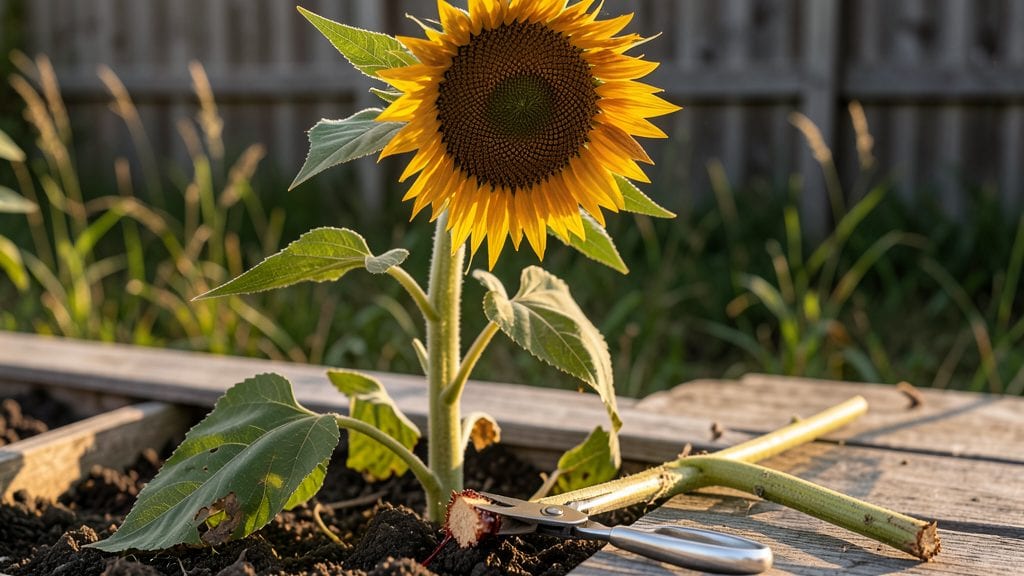
Cutting sunflowers for regrowth isn't just about trimming—it’s about unlocking a second harvest from the same plant. 🌻 I learned this trick after watching my towering sunflowers wilt too soon, and now I get two full seasons of blooms from a single planting.
The secret lies in timing, technique, and knowing which varieties respond best.
You’ll need sharp pruning shears, a sunny spot with well-draining soil, and patience for the regrowth phase. Most varieties—especially the ‘Mammoth’ or ‘Autumn Beauty’ types—rebound well, but dwarf varieties often don’t. The best time to cut is late summer, after the first bloom fades but before frost hits.
A clean cut just above a healthy leaf node gives the plant the energy to push new growth.
After pruning, watch for new shoots emerging within 2-3 weeks. Keep the soil moist but not soggy, and fertilize lightly with a balanced feed. You’ll likely see smaller second blooms, but they’re just as stunning—and the process saves you from replanting.
The key is consistency: repeat the process in early fall for a late-season harvest.
This technique works best in USDA Zones 4-9, where sunflowers have enough growing season to recover. For cooler climates, start with early-maturing varieties. Now grab those shears—your second harvest is waiting!
📚 In This Guide
- What you need
- Instructions
- Tips and common mistakes
- Wrapping up and next steps
What you need
- ● Sharp pruning shears or bypass pruners – Choose a pair with sterilized, stainless-steel blades (e.g., Felco or Fiskars) to make clean cuts and prevent disease. Size: 6-8 inches for ease of use.
- ● Disinfectant solution – A 10% bleach-water mix (1 part bleach to 9 parts water) or rubbing alcohol (70% isopropyl) to sterilize tools before and after cuts.
- ● Garden gloves – Nitrile or latex-free to protect your hands from thorns and sap. Look for tactile, breathable materials for comfort.
- ● Compost or mulch – Organic matter (e.g., shredded leaves, grass clippings, or aged manure) to cover the cut stem and retain moisture.
- ● Watering can or hose with a gentle spray nozzle – For deep hydration after pruning. Aim for 1-2 gallons per plant.
- ○ Sunflower seeds or cuttings (optional but helpful) – If you plan to propagate from cuttings, have healthy, disease-free seeds or stem segments (4-6 inches long) ready.
- ● Rooting hormone – Speeds up regrowth if propagating from cuttings. Choose a powder or gel formula (e.g., Clonex or Dip ‘N Grow).
- ● Plant support (stakes or cages) – Helps stabilize sunflowers as they regrow. Use bamboo stakes (5-6 feet tall) or wire cages.
- ● Fertilizer (balanced or high-nitrogen) – A 10-10-10 or 20-20-20 NPK ratio to boost regrowth. Apply 2-3 weeks after pruning.
- ○ Pruning sealant (optional) – Tree wound paint or beeswax to protect the cut stem from pests/disease (controversial but some swear by it!).
- ● Journal or marker – To track pruning dates, growth progress, and notes for future reference.
Step-by-step guide to pruning sunflowers for regrowth
Here’s how to coax a second flush of blooms from your sunflowers—it’s all about timing and technique.
🌿 Step 1: Wait for the First Bloom to Fully Open
Don’t rush this part. The first flower head should be fully open, with petals spread wide and the center cone clearly visible. This signals the plant has directed its energy into seed production, making it ready for pruning. If you cut too early, the plant won’t have stored enough nutrients for regrowth.
Check the base of the stem where the flower meets the plant. You’ll see a slight swelling—this is the node where new growth will emerge. Wait until the flower head has been open for at least 3-5 days before cutting. This ensures the plant has fully transitioned from blooming to recovery mode.
✂️ Step 2: Cut Just Above a Healthy Leaf Node
Use clean, sharp pruners or shears to make your cut. Angle the blade slightly downward to prevent water from pooling on the cut surface, which could rot the stem. Cut about ½ inch above a set of healthy leaves—this is where new side shoots will sprout.
Here’s the thing—sunflowers are tough, but they need a clear signal to redirect energy. If you cut too close to the leaves, you risk damaging the node. If you leave too much stem, the plant may not regrow as vigorously. Aim for that ½-inch gap—it’s the sweet spot for balanced regrowth.
💧 Step 3: Fertilize and Water Immediately After Pruning
After cutting, give your sunflower a boost with a balanced liquid fertilizer (like a 10-10-10 mix) diluted to half strength. This jumpstarts the plant’s recovery by replenishing nutrients lost during blooming. Water deeply right after fertilizing to help the plant absorb the nutrients quickly.
Keep the soil consistently moist but not soggy for the next 7-10 days. You’ll notice new growth emerging from the leaf nodes within 10-14 days. If the soil dries out too fast, the plant may struggle to produce strong side shoots. Mulch around the base with 2-3 inches of organic mulch to retain moisture and protect the roots.
☀️ Step 4: Monitor Light and Space for Side Shoots
Sunflowers need full sun (6+ hours daily) to regrow vigorously. If your plants were in partial shade before, move them to a sunnier spot immediately after pruning. Weak light leads to leggy, spindly growth that won’t support new blooms.
Watch for 2-4 new side shoots emerging from the leaf nodes within 2-3 weeks. These will be smaller than the original stem but can still produce flowers if given enough time. Thin out any crowded shoots to leave the strongest 2-3 per plant—this ensures the remaining stems get enough energy to bloom.
⏰ Step 5: Prepare for a Smaller Second Harvest
Real talk: the second flush of sunflowers won’t be as tall or dramatic as the first. But with the right care, you’ll still get 3-5 smaller blooms per plant by late summer or early fall. These may not be showstopper giants, but they’re perfect for bouquets or birdseed.
If your climate stays warm, you might even get a third round of blooms—though this depends on your sunflower variety. Keep an eye on the weather: if frost is forecast before the new flowers open, harvest the seeds instead. The second harvest is all about extending your growing season and maximizing your sunflower’s potential!
Tips & tricks for perfect sunflower regrowth
Sunflower regrowth isn't magic—it's science, and these tricks will help you maximize your second harvest with confidence.
Timing is Everything: Those 3-5 days of waiting for the first bloom to fully open are non-negotiable. I learned this the hard way after cutting too early and getting no regrowth. The plant needs this time to redirect its energy from flowering to storage. Look for the petals to be completely flat against the center cone—that’s your cue. Confession: I skipped this step for years and wondered why my sunflowers never rebloomed.
The Cutting Technique That Changed Everything: When you make that ½-inch cut above a healthy leaf node, angle your pruners downward to create a sloped cut. This prevents water from pooling and causing rot. I used to cut straight across and ended up with weak regrowth. The angled cut also helps the plant heal faster. Pro tip: Disinfect your pruners with rubbing alcohol between cuts to prevent disease transmission.
Aftercare Makes All the Difference: The 7-10 days of consistent moisture after pruning are critical. I’ve seen sunflowers fail to regrow because the soil dried out too quickly. Use a moisture meter to check soil moisture—aim for damp but not soggy. For extra insurance, water in the morning so the foliage has time to dry before evening. Mulching with 2-3 inches of organic material (like straw or shredded leaves) helps retain moisture and keeps roots cool.
Light and Space Strategy: If your sunflowers were in partial shade, move them to full sun (6+ hours daily) immediately after pruning. I once had a batch that produced only tiny side shoots because they stayed in dappled shade. Weak light leads to spindly growth that can’t support blooms. Thin out crowded shoots to leave the strongest 2-3 per plant—this ensures each remaining stem gets enough energy to produce flowers. Watch for those side shoots to appear within 2-3 weeks—they’ll be smaller but can still bloom beautifully.
Pro Tips for Cut Sunflowers For Regrowth
- Sunflower regrowth isn't magic—it's science, and these tricks will help you maximize your second harvest with confidence.
- Timing is Everything: Those 3-5 days of waiting for the first bloom to fully open are non-negotiable.
- The Cutting Technique That Changed Everything: When you make that ½-inch cut above a healthy leaf node, angle your pruners downward to create a sloped cut.
Frequently asked questions
Got questions about reviving your sunflowers? Here are some of the most common ones—and their answers—to help you grow like a pro!
When is the best time to cut sunflowers for regrowth?
Cut sunflowers after they’ve finished flowering but before the seeds fully mature (usually 2–3 weeks post-bloom). This ensures the plant still has energy to regrow. Avoid cutting too late—waiting too long drains nutrients, leaving little for new shoots.
How low should I cut the stems for regrowth?
Trim stems 4–6 inches above the base—this balances regrowth potential with stability. Cutting too close risks damaging the crown, while leaving too much may weaken new growth. Use clean, sharp shears to prevent disease. Pro tip: Wear gloves! Sunflower sap can stain.
Will cutting sunflowers for regrowth affect seed production?
Yes, but not entirely. Pruning after flowering reduces seed yield, but you’ll still get a few. For maximum seeds, save one stem uncut. If regrowth is your goal, prioritize cutting post-bloom—you’ll trade seeds for a second harvest of greens or smaller flowers!
Can I regrow sunflowers from cuttings?
Sunflowers don’t root easily from cuttings like herbs or willows. Instead, focus on cutting the main stem above a leaf node—this encourages lateral shoots. If you’re determined to propagate, try rooting in water (low success rate), but soil regrowth is far simpler.
Why isn’t my sunflower regrowing after cutting?
Common culprits:
- Too late in the season—sunflowers need warmth to regrow.
- Disease or pests (like aphids) weakening the plant.
- Over-pruning—leave at least 2–3 strong stems.
- Poor soil/nutrients—fertilize with compost or balanced feed post-cut.
Wrapping up and next steps
Cutting sunflowers for regrowth isn’t just a clever trick—it’s a rewarding way to extend your harvest and boost your garden’s productivity!
By following these steps, you’ll turn what seems like a "waste" into a thriving second chance for more blooms, seeds, or even greens. Give it a try—your garden (and future sunflower lovers) will thank you!
Ready to put your new skills to the test? Start by selecting a healthy sunflower plant this season and practice the pruning technique. Before you know it, you’ll be harvesting fresh sunflowers twice as often! 🌻✨