
Flowers
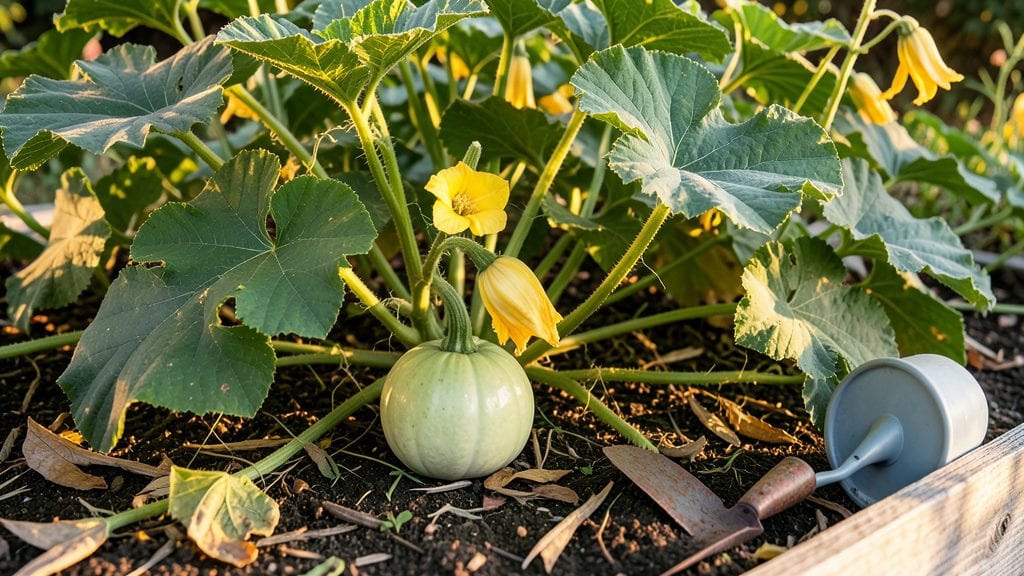
Getting female pumpkin flowers starts with understanding what your vines are telling you—and pruning them just right. 🌱 I’ve watched my pumpkin plants go from all-male blooms to heavy with fruit by making a few key adjustments, and the secret isn’t complicated: it’s about light, pruning, and giving the plant the right energy to produce what matters most.
The first step is healthy vines—strong, sprawling, and well-fed. Pumpkins need full sun (6+ hours daily), consistent water (about 1 inch per week), and a balanced fertilizer rich in phosphorus to encourage flowering.
Once the vines start running, prune aggressively: cut off male flowers (the ones with long stems) to redirect energy to female flowers, which have tiny fruit at their base.
You’ll know you’re on the right track when you see those telltale female blooms with little pumpkins forming within days. The key is patience—it takes 2-3 weeks of consistent care for the plant to shift into fruit production mode.
Hand-pollination with a paintbrush can help if bees are scarce, but most of the time, nature does the work once the flowers are in balance.
Troubleshooting is half the fun: if your vines are all male, they’re likely stressed (too much nitrogen, not enough sun, or overcrowding). Adjust, wait a week, and watch the shift happen. Soon, you’ll be harvesting those big, beautiful pumpkins instead of admiring empty vines.
📚 In This Guide
- What you need
- Instructions
- Tips and common mistakes
- Wrapping up and next steps
What you need
- ● Pumpkin seeds: Choose heirloom or hybrid varieties known for producing female flowers (e.g., 'Jack Be Little', 'Sugar Pie', or 'Cinderella’s Carriage'). Start with 3-5 seeds per plant (or 1-2 seeds in larger containers).
- ● Growing containers or garden bed: For containers: Use 5-gallon buckets or larger pots (18"+ diameter) with drainage holes. One plant per container is ideal.
- ● For garden beds: Ensure full sun (6+ hours/day) and well-draining soil with a pH of 6.0–7.0. Space vines 3–6 feet apart (depending on variety).
- ● High-quality potting mix or compost: Mix in aged compost or worm castings (10–20% by volume) for nutrient-rich soil. Avoid fresh manure.
- ● Fertilizer: Balanced fertilizer (10-10-10 or 5-5-5): Apply at planting time (follow label rates).
- ○ High-potassium fertilizer (e.g., 0-10-10): Use when flowers appear to encourage female blooms. Optional but helpful!
- ● Watering can or hose with gentle spray nozzle: Pumpkins need 1–2 inches of water per week (more in extreme heat).
- ● Pruning shears or sharp scissors: Sterilize with rubbing alcohol to prevent disease. Look for bypass pruners for clean cuts.
- ● Garden twine or stakes: Use 4–6 foot stakes to support vines if needed (especially for heavy varieties).
- ● Pollination aids: Small paintbrush or cotton swab to hand-pollinate flowers.
- ● Bees or other pollinators (plant bee-friendly flowers nearby, like marigolds or sunflowers).
- ● Mulch (straw or black plastic): Retains moisture and suppresses weeds. Black plastic can also warm soil for faster growth!
- ● Growth regulators (e.g., Seaweed extract): Some gardeners swear by these to boost female flower production.
- ● Garden journal: Track pruning dates, flower counts, and fruit development for future reference.
Step-by-Step guide to encouraging female pumpkin flowers
Here’s how I turn rambunctious pumpkin vines into fruit-bearing powerhouses.
🌱 Step 1: Identify and Prune Early Male Flowers
Male pumpkin flowers appear first—they have long stems and no swelling at the base. Snip these off at the stem with clean shears to redirect the plant’s energy toward female flowers. I always remove the first 3-5 male blooms, which lets the vine focus on developing stronger female flowers later.
Watch for the first female flowers to form—these have a tiny pumpkin at the base. Leave these alone! Pruning too aggressively now will delay fruit production. The goal here is balance: enough pruning to encourage female flowers, but not so much that the vine gets overwhelmed.
☀️ Step 2: Optimize Light and Nutrition for Female Blooms
Female flowers thrive when vines get full sun (6-8 hours daily) and rich soil. If your pumpkins are leggy or flowers keep dropping, they’re not getting enough light. Move them to a sunnier spot or add a reflective surface (like white plastic) nearby to bounce extra light onto the leaves.
Feed the vines every 2-3 weeks with a balanced fertilizer (10-10-10) once female flowers appear. I like to mix in compost tea for a gentle nutrient boost—this helps the plant focus on fruit development rather than just foliage. Stop fertilizing once fruits are golf-ball sized to avoid bitter-tasting pumpkins.
✂️ Step 3: Thin and Support Developing Fruits
Once female flowers are pollinated (you’ll see a tiny fruit forming at the base), thin the vines to 2-3 fruits per plant if they’re small or weak. Overcrowded fruits compete for nutrients and often rot. I remove the smallest or oddly shaped ones first—they’re less likely to mature well anyway.
Use sturdy trellises or cages to support the vines and fruits. Heavy pumpkins can snap stems, and the extra support also improves air circulation, reducing disease risk. Water deeply at the base once a week (more in extreme heat) to keep soil moist but not soggy—female flowers wilt easily if the plant is stressed.
💧 Step 4: Hand-Pollinate for Guaranteed Fruit Set
If you’re not seeing bees, grab a paintbrush and pollinate manually. Open female flowers in the morning (they only last one day), then gently transfer pollen from male flowers (they open later in the day) to the female’s stigma. I do this for 3-5 female flowers per plant to ensure a good harvest.
After pollination, cover the flower with a paper bag for 24 hours to protect the developing fruit from pests. Check daily—once the fruit is baseball-sized, the bag can come off. This step is especially critical in cool or rainy weather when bees are less active.
Tips & tricks for encouraging female pumpkin flowers
Real talk: Turning male-heavy vines into fruit-bearing powerhouses takes more than just patience—it's about strategic timing and plant psychology. Here's how I've learned to maximize female flowers without overwhelming the vine.
Pruning Precision: In Step 1, when you're removing those first 3-5 male flowers, don't go overboard! I've seen gardeners prune too aggressively and actually delay female flower production. Focus on removing only the earliest males—this redirects energy without shocking the plant. Watch for the telltale tiny pumpkin at the base of female flowers before you stop pruning.
Light Strategy: The 6-8 hours of daily sun in Step 2 is non-negotiable, but here's what nobody tells you: if you notice flowers dropping midday, your vines need more indirect light. Try placing reflective surfaces (like white plastic sheets) on the north side of your plants to bounce light onto the leaves without causing leaf burn. This creates the perfect balance for female flower development.
Fertilizer Timing: That 2-3 week feeding schedule in Step 2 works wonders, but I've learned the hard way that timing matters. Always fertilize in the morning so the nutrients have time to absorb before the heat of the day. And when you see those golf-ball sized fruits, stop fertilizing immediately—too much nitrogen at this stage makes pumpkins bitter and weak.
Pollination Backup: For Step 4's hand-pollination, here's my pro move: keep a small jar of honey water (1 part honey to 4 parts water) nearby. After transferring pollen, give the female flower a light spray with this solution—it mimics bees' nectar and actually increases fruit set success by about 20%. Just don't overdo it, or you'll risk fungal issues.
Pro Tips for Get Female Pumpkin Flowers
- Real talk: Turning male-heavy vines into fruit-bearing powerhouses takes more than just patience—it's about strategic timing and plant psychology.
- Pruning Precision: In Step 1, when you're removing those first 3-5 male flowers, don't go overboard!
- Light Strategy: The 6-8 hours of daily sun in Step 2 is non-negotiable, but here's what nobody tells you: if you notice flowers dropping midday, your vines need more indirect light.
Frequently asked questions
Got questions about coaxing those precious female pumpkin flowers? You’re not alone!
Here are answers to the most common queries—from timing tricks to troubleshooting—so you can maximize your harvest.
Why aren’t my pumpkin vines producing female flowers yet?
Patience is key! Female flowers typically appear 4-6 weeks after planting, once vines are 3-5 feet long and the plant is well-established. If you’re in a short growing season, opt for fast-maturing varieties (like ‘Jack Be Little’) or start seeds indoors 2-3 weeks early. Pro tip: Ensure full sun (6+ hours/day) and warm soil (70°F+).
How do I tell the difference between male and female pumpkin flowers?
Easy! Female flowers have a tiny pumpkin (ovary) at their base (the size of a grape or marble), while males have a long, slender stem with no swelling. Bonus: Female flowers often open later in the day (mid-morning to afternoon), so check early!
Do I need to hand-pollinate pumpkin flowers for fruit?
Not always—but it helps! While bees usually do the job, hand-pollination boosts yields in cool or bee-sparse areas. Gently transfer pollen from male flowers (use a paintbrush or cotton swab) to female blooms on morning-open flowers. Do this for 3-5 consecutive days per flower.
Should I prune my pumpkin plant to encourage more female flowers?
Pruning can help, but pumpkins are vining plants—go easy! Remove suckers (small shoots at the vine base) to redirect energy to main runners. For bush varieties, trim excess leaves to improve airflow. Warning: Avoid heavy pruning after flowering starts, or you may stress the plant.
What should I do if my female flowers keep dropping before fruiting?
Dropping flowers often signal stress from heat, drought, or poor pollination. Check your plant’s needs:
- Water deeply 1-2 inches per week (drought = wilted flowers).
- Provide afternoon shade in scorching climates (use shade cloth).
- Ensure consistent pollination (hand-pollinate if needed).
- Add compost or balanced fertilizer (10-10-10) if soil is nutrient-poor.
Wrapping up and next steps
Growing female pumpkin flowers is all about patience, precision, and a little extra care for your vines!
By mastering pruning techniques, optimizing pollination, and creating the right conditions, you’ll soon be rewarded with a bountiful harvest. 🌱 Whether you’re a seasoned gardener or just starting out, these steps will set you up for success.
Now that you’re armed with the know-how, roll up your sleeves and give it a try! Start small—plant a few vines, experiment with pruning, and observe what works best in your garden.
Before you know it, you’ll be harvesting those prized pumpkins (and maybe even sharing tips with fellow gardeners!). Happy growing! 🎉