
Propagation
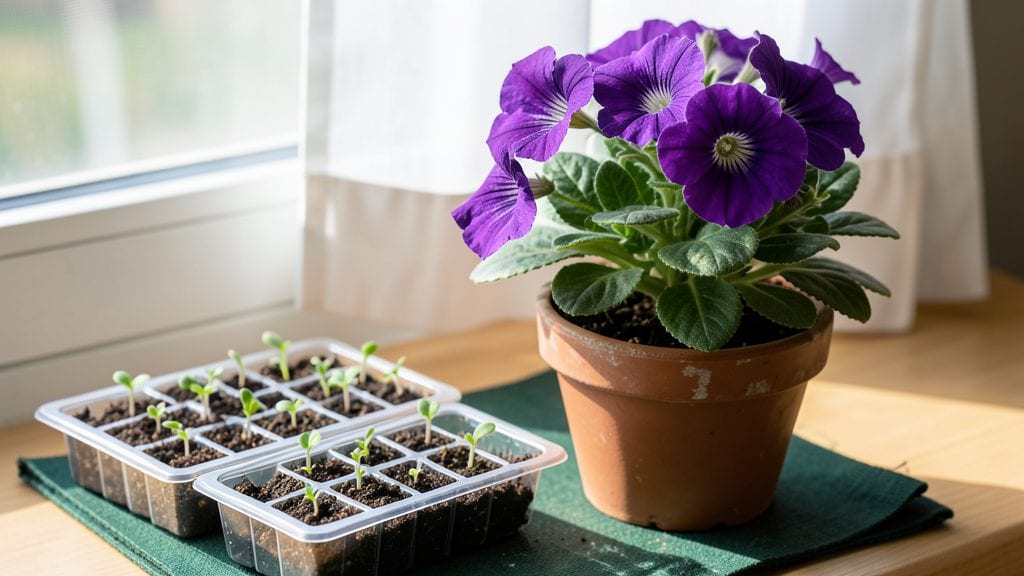
Growing flowers from seeds in pots gives you vibrant blooms without needing a garden—just a sunny windowsill and six weeks of patience. 🌱 I started with a single pot of marigold seeds last spring, and by summer, I had enough cut flowers to fill my kitchen table.
The key is choosing fast-growing varieties like zinnias, pansies, or sweet alyssum that thrive in containers and don’t need deep roots.
You’ll need 4-6 inch pots with drainage holes, a lightweight potting mix, and a spray bottle for gentle watering. Most seeds germinate within 7-14 days if kept warm and moist, and seedlings need at least 6 hours of sunlight daily—south-facing windowsills work best.
The trick is thinning crowded seedlings early to avoid competition for nutrients.
By week 6, you’ll see buds forming, and with proper care, those first blooms arrive just in time for summer. The scent of fresh petunias or the cheerful pop of snapdragons makes every pot feel like a mini garden.
Once flowers fade, deadhead them to encourage more blooms all season long.
This method works year-round for cool-season flowers like violas or even indoors with grow lights. Whether you’re a beginner or just short on space, these pots become your first step toward a blooming balcony or kitchen garden. Let’s get those seeds started!
📚 In This Guide
- What you need
- Instructions
- Tips and common mistakes
- Wrapping up and next steps
What you need
- ● Seed-starting pots or containers: 4–6 inches deep (1–2 per seed type). Use plastic, biodegradable peat pots, or small terracotta pots.
- ● High-quality seed-starting mix: Lightweight, sterile, and well-draining (avoid garden soil). A 10–20 quart bag is ideal for small batches.
- ● Flower seeds: Choose fast-growing varieties like marigolds, sunflowers, or zinnias (check seed packets for days to maturity).
- ● Grow lights or a sunny windowsill: A full-spectrum LED grow light (12–16 hours/day) or a south-facing window with 6+ hours of sunlight.
- ● Spray bottle: For gentle watering (16 oz size works well).
- ○ Misting nozzle (optional but helpful): Ensures even moisture without disturbing seeds.
- ● Plastic wrap or humidity dome: Keeps seeds moist while germinating (clear plastic wrap or a small propagator lid).
- ● Fertilizer (balanced, water-soluble): Diluted to half-strength (e.g., 10-10-10 or 5-5-5). Start after seedlings sprout.
- ● Heating mat: Speeds up germination for slow starters (70–75°F range).
- ● Plant labels: Write seed names/dates on toothpicks or tags.
- ● Tweezers: For delicate seed handling (e.g., tiny petunia seeds).
- ● pH testing kit: Ensures soil pH is ideal (most flowers prefer 6.0–7.0).
- ● Bottom watering tray: Prevents overwatering and keeps roots moist.
Step-by-step instructions for growing flowers in pots from seeds
Here's how to turn a sunny windowsill into a vibrant flower garden in just six weeks.
🌱 Step 1: Prepare Your Pots and Seed Starting Mix
Start with clean pots that have drainage holes—no exceptions. I like to use 4-inch diameter pots for this project since they give roots room to grow without overwhelming the space. Fill each pot with the seed starting mix until it reaches 1 inch below the rim. This gives you wiggle room for watering without spilling over.
Press the mix down gently with your fingers until it's firm but still light enough for roots to penetrate easily. The goal is to eliminate air pockets while keeping the texture loose. Tap the pot lightly on the table once or twice to settle everything evenly. Here's the thing—if the mix feels like wet sand when squeezed, it's ready. If it crumbles, add a little more water and mix again.
🌱 Step 2: Sow Seeds at the Right Depth
Check the seed packet for depth recommendations, but a general rule is to plant seeds at a depth twice their diameter. For tiny seeds like petunias or snapdragons, that means barely pressing them into the surface. For larger seeds like marigolds, aim for about ¼ inch deep. I use a toothpick to make a small hole for each seed—it keeps things neat and prevents overcrowding.
Place 1-2 seeds per pot unless the packet says otherwise. You'll thin later if needed, but this gives you a backup in case one seed doesn't sprout. Cover the seeds lightly with a thin layer of mix—just enough to hide them completely. Mist the surface with a spray bottle until the soil looks evenly damp but not soggy. Real talk: Overwatering here is the fastest way to invite mold and rot before your seeds even sprout.
☀️ Step 3: Provide Warmth and Light for Germination
Cover the pots with clear plastic wrap or a humidity dome to trap warmth and moisture. Flowers like 70-75°F for germination, so if your home runs cooler, place the pots on a seedling heat mat. You'll see sprouts in 5-14 days, depending on the variety—just watch for the first tiny green shoots breaking through the soil.
As soon as you see 50% of seeds sprouted, remove the cover immediately. Trapped humidity after germination encourages damping-off, a fungal disease that collapses seedlings overnight. Move the pots to a south-facing windowsill where they'll get at least 6 hours of direct sunlight daily. If your window isn't sunny enough, supplement with a grow light kept 4 inches above the plants. You'll know the light is right when seedlings grow stocky with dark green leaves instead of stretching tall and pale.
💧 Step 4: Water and Care for Seedlings
Water when the top inch of soil feels dry to the touch—that's your cue. Use a small watering can with a gentle spray nozzle to avoid disturbing the delicate stems. Water at the base rather than from above to prevent washing away soil and seeds. I like to water in the morning so any excess moisture evaporates by evening, reducing the risk of fungal issues.
Once seedlings have 2-3 true leaves (not the first tiny cotyledons), thin to the strongest plant per pot. Snip the weaker seedlings at the base with scissors—don't pull them, or you'll disturb the roots of the ones you're keeping. After thinning, give the remaining plants a light fertilizer application using the balanced liquid fertilizer diluted to half strength. This jumpstarts their growth without overwhelming them.
✂️ Step 5: Encourage Blooms and Maintain Health
When flowers start to bud, pinch off the first blooms that appear. This might sound counterintuitive, but removing early flowers redirects the plant's energy into stronger roots and more abundant future blooms. Keep your pots in the same sunny spot and rotate them a quarter turn every few days so they grow evenly toward the light. You'll notice leaves leaning toward the window? That's your sign to adjust their position.
Deadhead spent blooms regularly by snipping the flower stem just above the next set of leaves. This encourages continuous flowering and keeps your pots looking tidy. If you notice yellowing leaves, it's usually a sign of overwatering—let the soil dry out more between waterings. With consistent care, you'll have full, vibrant blooms in about 6 weeks, depending on the variety. Here's the moment that matters: When those first flowers open, you'll know all your effort paid off.
Tips & tricks for perfect sunny windowsill blooms
Here's what nobody tells you about growing flowers from seeds that'll make all the difference.
Pot Selection: While 4-inch pots work beautifully, consider using 6-inch pots for larger varieties like geraniums or petunias. These give roots more room to establish before flowering, resulting in stronger, longer-lasting plants. If you're short on space, use the 4-inch pots but limit yourself to one plant per pot—crowding leads to weak stems and fewer blooms.
Light Optimization: That 6 hours of direct sunlight requirement is non-negotiable, but here's the secret: Place your pots on a rotating tray or turn them a quarter turn every couple of days. This prevents lopsided growth toward the window and ensures even exposure. I've seen seedlings stretch toward light like sunflowers when they don't get rotated—it's a clear sign they need to be repositioned.
Germination Troubleshooting: Not seeing sprouts after 14 days? First, check if your seeds are still viable by placing a few in a damp paper towel—if they don't sprout in 3-5 days, they might be old. Also, verify your 70-75°F temperature range. If your home runs cooler, a simple seedling heat mat (available for under $15) works wonders. I've had seeds that took 21 days to sprout because my apartment stayed at 65°F—patience is key, but don't wait forever.
Fertilizer Strategy: The half-strength balanced liquid fertilizer application is perfect, but here's how to make it even better: Alternate between fertilizer and plain water every other feeding after thinning. This prevents salt buildup in the soil, which can harm delicate roots. I switch to a fish emulsion fertilizer (optional) when buds form—it gives a gentle nutrient boost without burning the plants. Just dilute it to half strength too!
Pro Tips for Grow Flowers From Seeds In Pots
- Here's what nobody tells you about growing flowers from seeds that'll make all the difference.
- Pot Selection: While 4-inch pots work beautifully, consider using 6-inch pots for larger varieties like geraniums or petunias.
- Light Optimization: That 6 hours of direct sunlight requirement is non-negotiable, but here's the secret: Place your pots on a rotating tray or turn them a quarter turn every couple of days.
Frequently asked questions
Got questions about growing flowers from seeds in pots? You’re not alone! Here are some of the most common ones—and their easy, no-stress answers to help you bloom like a pro.
Can I grow flowers from seeds indoors year-round?
Yes! With the right setup, you can grow flowers indoors anytime. Use grow lights (12–16 hours/day) for winter or low-light conditions. Choose fast-growing varieties like marigolds or pansies for quicker success. Just ensure your pots have drainage and keep soil moist but not soggy.
How deep should I plant flower seeds in pots?
Most seeds need to be planted twice as deep as their width. Tiny seeds (like petunias) should barely be covered—just press them into the soil. Larger seeds (like sunflowers) can go deeper (½ inch). Use a toothpick to mark depth if needed! Pro tip: Label your pots to avoid confusion.
Why aren’t my seeds sprouting? Troubleshooting tips!
Seeds need warmth (70–85°F), moisture, and light to germinate. Check these first:
Too cold? Move pots to a warmer spot (like near a sunny window or under a heat mat).
Too dry? Mist soil lightly daily—don’t drown it!
Buried too deep? Some seeds (like impatiens) need light to sprout.
Old seeds? Test germination by soaking a few in water for 24 hours.
If they still won’t sprout, try fresh seeds or a different variety.What’s the best soil mix for flower seeds in pots?
Use a light, well-draining mix like:
- 50% potting soil
- 30% perlite or vermiculite
- 20% compost or worm castings
Can I reuse pots from last year’s plants?
Yes, but clean them first! Scrub pots with soapy water, rinse, and disinfect with a 1:10 bleach-water solution (let dry completely). This prevents soil-borne diseases. If pots are cracked or warped, replace them—roots need room to breathe!
How often should I fertilize seedlings?
Wait until seedlings have 2–3 true leaves (not just cotyledons). Then, use a balanced, water-soluble fertilizer (like 10-10-10) every 2–3 weeks at half-strength. Over-fertilizing can burn delicate roots. Switch to a low-nitrogen, high-phosphorus formula (like 5-10-5) when buds form.
Wrapping up and next steps
Growing flowers from seeds in pots is a rewarding journey that brings beauty and life to your space—and you’ve got everything you need to succeed! 🌱 With the right containers, soil, seeds, and a little patience, you’ll soon be enjoying vibrant blooms on your windowsill.
Start with easy varieties like marigolds or petunias, and don’t forget to water consistently and provide enough light for the best results.
Now that you’re ready to plant, take the next step and pick your first seeds! 🌸 Whether you’re a beginner or a seasoned gardener, every seed you sow is a chance to create something beautiful. Happy growing—your future blooms are waiting!