
Size
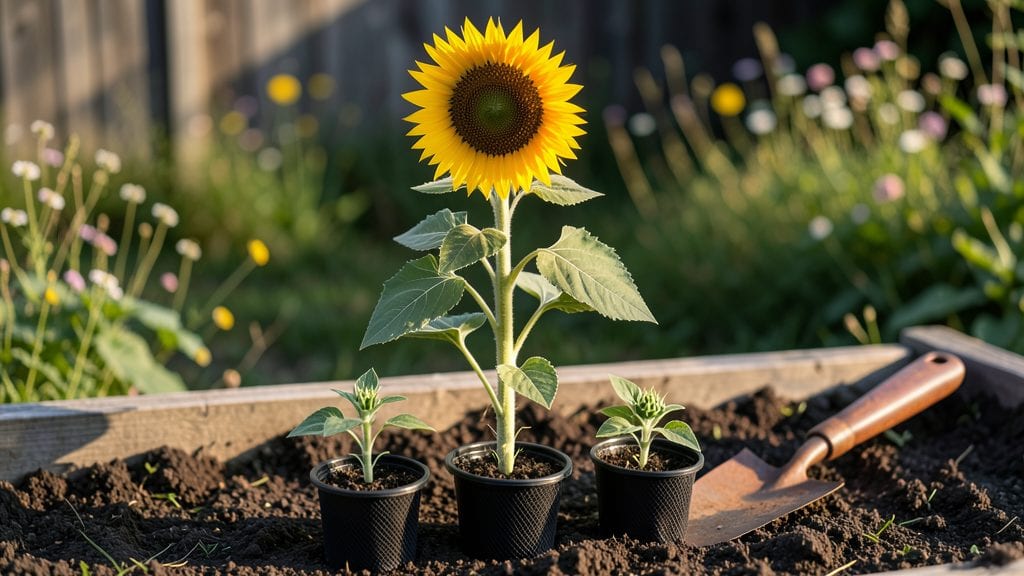
Growing sunflowers in Florida means beating the heat with the right varieties and timing—because not all sunflowers can handle our relentless sun and humidity. 🌻 I learned this the hard way when my first batch wilted by midday, but now I grow heat-resistant types like 'Autumn Beauty' and 'Moulin Rouge' that stay vibrant all season long.
The secret starts with well-draining soil mixed with compost, planted in late summer or early fall when temperatures dip just enough to help germination.
Florida’s long growing season lets you push two harvests a year if you time it right—just avoid planting during peak summer when even the toughest varieties struggle. Water deeply but infrequently to encourage strong roots, and mulch to keep moisture in.
What you’ll end up with are towering stems reaching 8-12 feet tall, their blooms tracking the sun like little golden suns. The birds might try to steal your seeds, but netting solves that—and the flowers attract pollinators all season.
Even the leaves stay lush in Florida’s heat, making these sunflowers a standout in any garden.
Works for urban lots, rural fields, or even containers—just pick the right variety for your space. Here’s how to make it work without the summer melt-downs I used to get.
📚 In This Guide
- What you need
- Instructions
- Tips and common mistakes
- Wrapping up and next steps
What you need
- ● Sunflower seeds: Choose heat-resistant varieties like Helianthus annuus (e.g., 'Moulin Rouge' or 'Autumn Beauty'). Buy 50–100 seeds for a small garden or 200+ seeds for a full plot.
- ● Well-draining potting mix or garden soil: Florida’s sandy soil? Amend with 2–3 inches of compost or coconut coir for moisture retention.
- ● Fertilizer: A balanced 10-10-10 NPK or organic option (like fish emulsion) to boost growth. Use 1 tbsp per plant at planting.
- ○ Mulch (optional but recommended): Straw or pine bark to retain moisture and suppress weeds.
- ● Garden trowel or transplanting spade (for digging holes 1–2 inches deep).
- ● Watering can or hose with a gentle spray nozzle (sunflowers need 1–2 inches of water weekly).
- ● Containers (if growing in pots): 5-gallon pots minimum (deeper = better for tall varieties).
- ○ Stakes or cages (optional): For varieties over 5 feet tall, use 6-foot stakes or tomato cages.
- ● Full sun spot: Sunflowers need 6–8+ hours of direct sunlight daily—Florida’s heat is their friend!
- ● Warm soil: Wait until soil temps hit 60°F+ (spring/fall in most of FL; year-round in zones 9–11).
- ● Space: Plant seeds 12–24 inches apart (check variety spacing).
Step-by-step guide to planting sunflowers in Florida’s climate
Sunflowers love Florida’s warmth—here’s how to grow them strong and tall.
🌱 Step 1: Pick the Right Varieties for Florida’s Heat
Florida’s summer sun can scorch delicate sunflower types, so choose heat-resistant varieties like ‘Moulin Rouge’ or ‘Autumn Booster.’ These handle 90°F+ temperatures without bolting too early. Check seed packets for days to maturity—aim for 70-90 days to finish before winter chill arrives.
If you’re planting in fall or winter, opt for shorter varieties like ‘Teddy Bear’ that thrive in cooler months (50-70°F). Start seeds indoors 4-6 weeks before your target outdoor date to give them a head start against Florida’s unpredictable weather shifts.
🌿 Step 2: Prepare the Soil and Plant at the Right Time
Sunflowers need well-draining soil—Florida’s clay-heavy dirt can suffocate roots. Mix 2-3 inches of compost into the top 12 inches of soil before planting. For containers, use lightweight potting mix with perlite to prevent waterlogging.
Plant seeds ½ inch deep and 6 inches apart in rows 2 feet apart to allow airflow. Florida’s humidity speeds up germination, so you’ll see sprouts in 5-10 days if soil stays warm (70°F+). If planting in late summer, wait until mid-August to avoid early bolting from heat stress.
☀️ Step 3: Water and Fertilize for Strong Stems
Water deeply once a week after germination, aiming for 1-2 inches of moisture per week. Overwatering causes weak stems that snap in storms—Florida’s afternoon thunderstorms can test their resilience. Let the soil dry slightly between waterings to prevent fungal issues.
Fertilize lightly with a balanced 10-10-10 formula when seedlings hit 4 inches tall, then again when buds form. Too much nitrogen makes plants leafy but flowerless. Watch for yellowing leaves—a sign of over-fertilizing or poor drainage.
✂️ Step 4: Support and Protect from Florida’s Elements
Tall varieties like ‘Russian Giant’ need staking or cages to handle Florida’s wind and rain. Install supports at planting to avoid damaging roots later. Prune lower leaves to improve airflow, reducing the risk of powdery mildew that thrives in Florida’s damp air.
If planting in spring, watch for squirrels and birds—they love sunflower seeds. Cover young plants with row fabric until they reach 12 inches tall. In fall, protect from early frosts with lightweight frost cloth if temperatures dip below 32°F. Harvest seeds when back of the flower turns yellow and papery.
⏰ Step 5: Harvest and Enjoy Year-Round Sunflowers
Cut flowers when petals fully open for the longest vase life. Leave some to dry on the stalk for seed harvesting—wait until the back turns brown and the head feels light. Store seeds in a cool, dry place for planting next season.
With Florida’s long growing season, you can plant successive crops every 2 months for continuous blooms. Just adjust varieties for each season—summer heat needs drought-tolerant types, while winter favors cold-hardy dwarf varieties.
Tips & tricks for growing sunflowers in Florida
Florida’s unique climate demands some smart adjustments to grow sunflowers successfully. Here’s how to maximize your chances of stunning blooms.
Variety Selection: When choosing heat-resistant varieties like ‘Moulin Rouge’ or ‘Autumn Booster’, pay close attention to the days-to-maturity range of 70-90 days. This ensures your sunflowers complete their growth cycle before Florida’s cooler winter months arrive. For fall planting, shorter varieties like ‘Teddy Bear’ are ideal—they thrive in cooler temperatures (50-70°F) and can handle Florida’s unpredictable shifts better than taller types.
Soil Preparation: Florida’s heavy clay soil needs improvement before planting. The instructions recommend mixing 2-3 inches of compost into the top 12 inches of soil, but don’t stop there. For containers, lightweight potting mix with perlite is perfect, but if you’re working with garden beds, consider adding a handful of coarse sand to improve drainage. This prevents waterlogging, which can suffocate roots during Florida’s frequent afternoon thunderstorms.
Timing and Germination: Florida’s humidity speeds up germination, so you’ll typically see sprouts in 5-10 days when soil stays warm (70°F+). To avoid early bolting in late summer, wait until mid-August to plant. If you’re starting seeds indoors, begin 4-6 weeks before your target outdoor date. Use seed trays with drainage holes and keep them in a warm spot (around 75°F) to encourage quick germination.
Pest and Weather Protection: Florida’s wildlife loves sunflower seeds, so protect young plants with row fabric until they reach 12 inches tall. For tall varieties like ‘Russian Giant’, install staking or cages at planting time to prevent wind damage. Prune lower leaves regularly to improve airflow and reduce powdery mildew risk—this fungal issue thrives in Florida’s damp air. If frost is forecasted in fall, cover plants with lightweight frost cloth when temperatures dip below 32°F.
Pro Tips for Grow Sunflowers In Florida
- Florida’s unique climate demands some smart adjustments to grow sunflowers successfully.
- Variety Selection: When choosing heat-resistant varieties like ‘Moulin Rouge’ or ‘Autumn Booster’, pay close attention to the days-to-maturity range of 70-90 days.
- Soil Preparation: Florida’s heavy clay soil needs improvement before planting.
Frequently asked questions
Got questions about growing sunflowers in Florida’s sunny (and sometimes sticky) climate? You’re not alone! Here are answers to the most common queries to help you cultivate happy, thriving sunflowers all year long.
What’s the best time to plant sunflowers in Florida?
Florida’s warm climate means you can plant sunflowers year-round, but timing matters for optimal growth. Start seeds indoors 2–3 weeks before your last frost (around February–March for spring) or direct-sow after frost risk passes. For fall/winter, plant in September–October to avoid summer’s peak heat. Heat-resistant varieties like ‘Autumn Beauty’ or ‘Moulin Rouge’ handle Florida’s extremes best!
How do I protect sunflowers from pests in Florida?
Sunflowers in Florida often face aphids, beetles, and birds—but don’t stress! Use neem oil or insecticidal soap for soft-bodied pests, and cover young plants with floating row covers until they’re 6+ inches tall. For birds, try netting or reflective tape. Pro tip: Healthy plants resist pests better—water deeply (1–2 inches weekly) and mulch to deter burrowing critters.
Can sunflowers survive Florida’s summer heat?
Florida’s heat isn’t a dealbreaker if you choose heat-tolerant varieties like ‘ProCut’ (for stems) or ‘Russian Giant’ (for size). Plant in partial shade during peak afternoon sun (12–3 PM) to prevent wilting. Key hack: Water at the base (not leaves) early in the morning to avoid fungal issues. Most sunflowers thrive in 75–85°F but may bolt faster in extreme heat—adjust watering to keep soil moist but not soggy.
Do sunflowers need full sun in Florida?
While sunflowers love sunlight, Florida’s intense rays can scorch young plants. Aim for 6–8 hours of direct sun daily, but morning sun + afternoon shade (from trees or structures) works too. In summer, dappled shade (like under palm trees) can extend their lifespan. Just avoid deep shade—sunflowers need light to grow tall and strong!
What if my sunflowers aren’t blooming?
No flowers? Check these fixes:
- Not enough light: Move to a sunnier spot (Florida’s shade can trick plants into thinking it’s winter!).
- Overcrowding: Space plants 12–24 inches apart for airflow and nutrients.
- Nutrient deficiency: Add phosphorus-rich fertilizer (like 5-10-10) when planting.
- Stress: Extreme heat or drought can delay blooms—water consistently and mulch.
Wrapping up and next steps
Growing sunflowers in Florida is a rewarding experience—especially when you choose the right heat-resistant varieties and follow a few simple steps! With the perfect mix of sunlight, soil prep, and patience, you’ll enjoy vibrant blooms that brighten up your garden year-round. 🌻
Now that you’re armed with the knowledge, why not plant your first seeds this weekend? Start small, experiment with different varieties, and soon you’ll have a sunflower haven that’s as beautiful as it is resilient. Happy gardening!