
Flowers
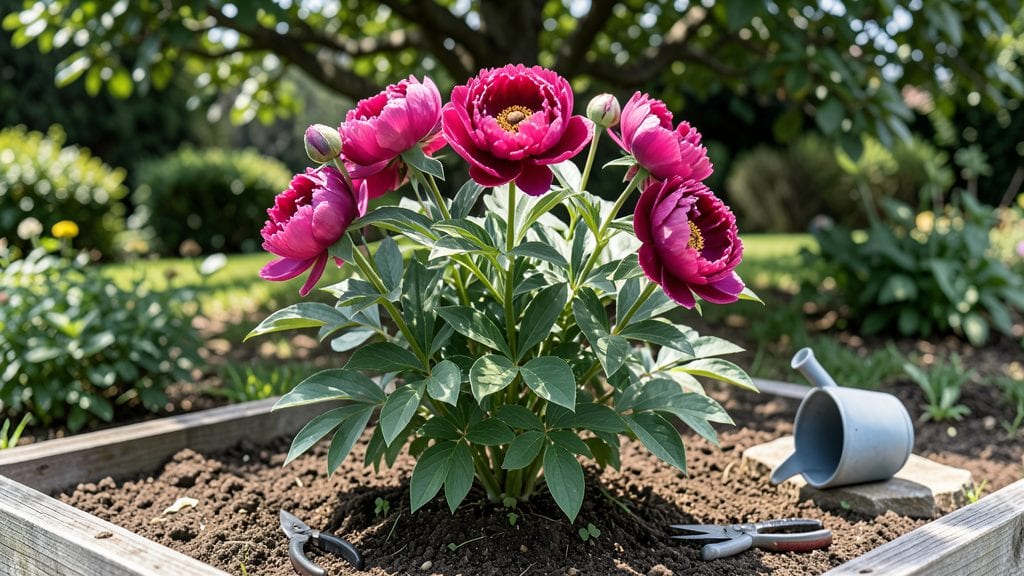
The secret to lush peony flower care lies in those bold, velvety blooms that last for weeks—even after frost. 🌸 I’ve learned the hard way that peonies reward patience with decades of reliability, but only if you follow a few key rules about soil, sunlight, and pruning.
Most gardeners overwater or prune at the wrong time, which is why their peonies flop after just a few years.
The secret starts with well-draining soil mixed with compost and a spot where they get full sun (at least 6 hours daily). Water deeply once a week—never letting them sit in soggy soil—and feed them in early spring with a balanced fertilizer.
Pruning is where beginners stumble: cut back stems in late fall or early spring, but never remove the foliage until it yellows naturally.
By summer, you’ll have lush, fragrant blooms that outshine most perennials, and the plants will keep multiplying underground for years. The key is consistency—peonies thrive when you treat them like the hardy survivors they are, not like delicate annuals.
Whether you’re reviving an old peony bush or planting new ones, these steps ensure they’ll outlast you in the garden. Let’s get those roots settled right from the start.
📚 In This Guide
- What you need
- Instructions
- Tips and common mistakes
- Wrapping up and next steps
What you need
- ● Peony plants: Choose Paeonia lactiflora or Paeonia officinalis (herbaceous or tree peonies). Buy 3–5 bare-root plants or container-grown specimens, depending on your garden size.
- ● Well-draining soil: Aim for a mix of 60% topsoil, 30% compost, and 10% coarse sand or perlite (1–2 cubic yards for a standard garden bed).
- ● Organic mulch: 3–4 inches of shredded bark, straw, or wood chips to retain moisture and insulate roots.
- ● Slow-release fertilizer: A balanced 10-10-10 or 5-10-10 formula (1–2 lbs per 100 sq ft) to support root growth.
- ● Stakes or cages: 6–8 ft bamboo stakes or metal peony rings (2–3 per plant) to prevent flopping stems.
- ● Watering can or hose with a gentle spray nozzle: For deep, consistent watering (1–2 gallons per plant, 2–3 times weekly).
- ● Pruners: Bypass pruners (sharp and clean) for cutting back dead foliage in fall.
- ● Peony food: Specialized peony fertilizer (e.g., Espoma Peony-Tone) for extra blooms.
- ● Soil pH tester: Peonies prefer 6.5–7.0 pH; adjust with lime or sulfur if needed.
- ● Frost cloth: Lightweight fabric to protect young plants in Zone 3–5 during late frosts.
- ● Compost tea or mycorrhizal fungi: Boosts root health and disease resistance.
- ● Glove and knee pads: For comfortable planting and maintenance.
Step-by-step guide to nurturing peony flowers for lush, year-round blooms
Here’s how I keep my peonies thriving through every season—no fancy tricks, just smart care.
🌱 Step 1: Plant in Well-Draining Soil with Full Sun Exposure
Peonies need 6-8 hours of direct sunlight daily for strong blooms. Choose a spot with well-draining soil—they hate soggy roots. Dig a hole 2 inches deeper than the root ball and 3 feet apart between plants (they spread over time). This prevents overcrowding, which weakens flowers.
Mix in 2-3 inches of compost into the bottom of the hole to boost nutrients. Peonies thrive in slightly alkaline soil (pH 6.5-7.5), so test your soil if blooms are sparse. I always add a handful of bone meal at planting for extra phosphorus—this is what fuels those bold blooms.
☀️ Step 2: Water Deeply but Sparingly After Establishment
Peonies are drought-tolerant once established, but water deeply once a week during their first growing season. You’ll know they’re getting enough moisture when the top 2 inches of soil feel dry to the touch. Overwatering causes rot, so avoid soggy soil—especially in winter.
After the first year, reduce watering to every 2-3 weeks unless your region has extreme heat or drought. Mulch with 2-3 inches of organic mulch (like shredded bark) around the base to retain moisture and protect roots from winter freezes. Just keep mulch 6 inches away from the crown to prevent rot.
✂️ Step 3: Prune Correctly to Encourage Stronger Blooms Next Year
Wait until late spring or early summer—after the foliage has died back naturally—to prune peonies. Cut stems back to 2 inches above the ground with clean, sharp shears. Never prune in fall or early spring, or you’ll remove next year’s flower buds.
Here’s the thing—never cut back healthy foliage in summer. Those leaves feed the roots for next year’s blooms. Only remove dead or diseased stems immediately. If you see brown, mushy stems, snip them off at the base and dispose of them (don’t compost—this prevents fungal spread).
⏰ Step 4: Protect from Winter Chill and Spring Frost
Peonies are frost-hardy, but young plants need extra protection during their first winter. Once temperatures drop below 20°F, mound 4-6 inches of mulch over the crown. In colder climates, cover with straw or burlap for added insulation.
In spring, remove mulch gradually as new growth appears. Watch for green shoots emerging from the soil—this is your cue to uncover the plant. If frost threatens after buds form, drape a lightweight frost cloth over the plant until temperatures rise. Peonies bloom best with consistent chilling, so don’t rush to uncover them too early.
🌿 Step 5: Feed and Monitor for Pests/Diseases Year-Round
Apply a balanced 10-10-10 fertilizer in early spring (just as new leaves unfurl) and again after blooming. I swear by fish emulsion for a gentle, organic boost—peonies respond well to slow-release nutrients. Avoid high-nitrogen fertilizers; they promote leafy growth at the expense of flowers.
Watch for peony leaf blight (brown spots on leaves) or aphids on new shoots. Remove infected leaves immediately and spray with neem oil if pests appear. Healthy peonies rarely need treatment, but thin out crowded stems in early spring to improve airflow—this prevents fungal issues.
Tips & tricks for perfect peony flower care
Took me years to figure out these simple secrets—your peonies will reward you with bold blooms every season.
Sunlight Secret: That 6-8 hours of sunlight isn't just about quantity—it's about quality. Morning sun is ideal because it gently warms the plants without the harshness of afternoon heat. If your garden has afternoon shade, position peonies to catch the morning rays first. I've seen peonies in full sun all day produce flowers, but the quality of those blooms isn't as vibrant as those with morning sun exposure.
Soil Preparation Insight: The 2-3 inches of compost and bone meal aren't just random numbers—they're about creating the perfect environment. Bone meal releases phosphorus slowly, which is crucial for flower development. I've found that mixing in a handful of crushed eggshells (about 1/2 cup) along with the compost adds calcium, which strengthens cell walls and prevents blossom end rot in the flowers. This small addition has made a noticeable difference in bloom longevity.
Winter Protection Strategy: When temperatures drop below 20°F, that 4-6 inches of mulch becomes your best friend. I've learned the hard way that less mulch doesn't cut it in harsh winters. For extra protection in Zone 5 and colder, I add a layer of bubble wrap over the mulch before the ground freezes. This creates an insulating air pocket that prevents freeze-thaw cycles from damaging the crown. Remove it in early spring once temperatures stabilize above freezing.
Pruning Timing Tip: The late spring/early summer window for pruning is non-negotiable, but there's a trick to knowing exactly when. Watch for the foliage to turn yellow-brown and collapse naturally—this is your cue. I've found that pruning too early (when leaves are still green) removes the energy source for next year's blooms. If you're unsure, wait until about 2 weeks after the foliage has completely died back. This timing ensures you're not cutting into next year's flower buds.
Pro Tips for Peony Flower Care
- Took me years to figure out these simple secrets—your peonies will reward you with bold blooms every season.
- Sunlight Secret: That 6-8 hours of sunlight isn't just about quantity—it's about quality.
- Soil Preparation Insight: The 2-3 inches of compost and bone meal aren't just random numbers—they're about creating the perfect environment.
Frequently asked questions
Got questions about keeping your peonies happy and blooming? Here are answers to the most common ones—so you can enjoy their lush beauty with confidence!
When is the best time to plant peonies?
Plant peonies in early fall (4-6 weeks before the first hard frost) or late winter/early spring (as soon as the ground is workable). This gives roots time to establish before summer heat. Avoid planting in extreme heat—it stresses the roots!
Can peonies survive winter frost?
Peonies are hardy perennials (zones 3-8) and thrive in cold climates. Their woody stems die back in winter, but the roots stay dormant. Just mulch lightly (2-3 inches) with compost or straw after the first frost for extra protection.
How often should I water peonies?
Water deeply but infrequently—about 1 inch per week (more in extreme heat). Avoid wetting the foliage to prevent fungal diseases. Once established (after 2-3 years), peonies are drought-tolerant but still appreciate occasional deep watering during dry spells.
Why aren’t my peonies blooming?
Common culprits:
- Too much nitrogen (fertilizer) = lush leaves, few flowers. Use a low-nitrogen, high-phosphorus fertilizer instead.
- Overcrowded roots—peonies need space! Divide clumps every 3-5 years in early fall.
- Improper sunlight—they need 6+ hours of sun daily.
- Young plants (1-2 years old) may not bloom yet—be patient!
Can I grow peonies in containers?
Yes! Use a large container (at least 12 inches deep) with well-draining soil and a trellis or support for climbing varieties. Choose herbaceous peonies (not tree peonies) for containers, as they’re more adaptable. Repot every 2-3 years to refresh the soil.
What pests should I watch for?
Peonies are generally pest-resistant, but keep an eye out for:
- Peony leaf miner (tiny white larvae in leaves)—remove affected foliage and spray with neem oil if severe.
- Aphids (on buds)—blast off with water or use insecticidal soap.
- Japanese beetles—handpick or use traps early in the season.
Prevention tip: Keep the garden clean and mulch to deter pests!
Wrapping up and next steps
Caring for peonies is all about patience, consistency, and a little extra love—just like nurturing a prized friendship! 🌸 With the right soil, sunlight, and seasonal adjustments, these frost-resistant beauties will reward you with lush blooms year after year.
Whether you’re a new gardener or a seasoned pro, your efforts will soon be reflected in vibrant, healthy peonies that steal every show.
Ready to watch your garden flourish? Start by planting your peonies this fall—it’s the perfect time to set them up for success! Grab your gloves, dig in, and enjoy the journey of growing these stunning, low-maintenance blooms. Happy gardening! 🌱