
Propagation
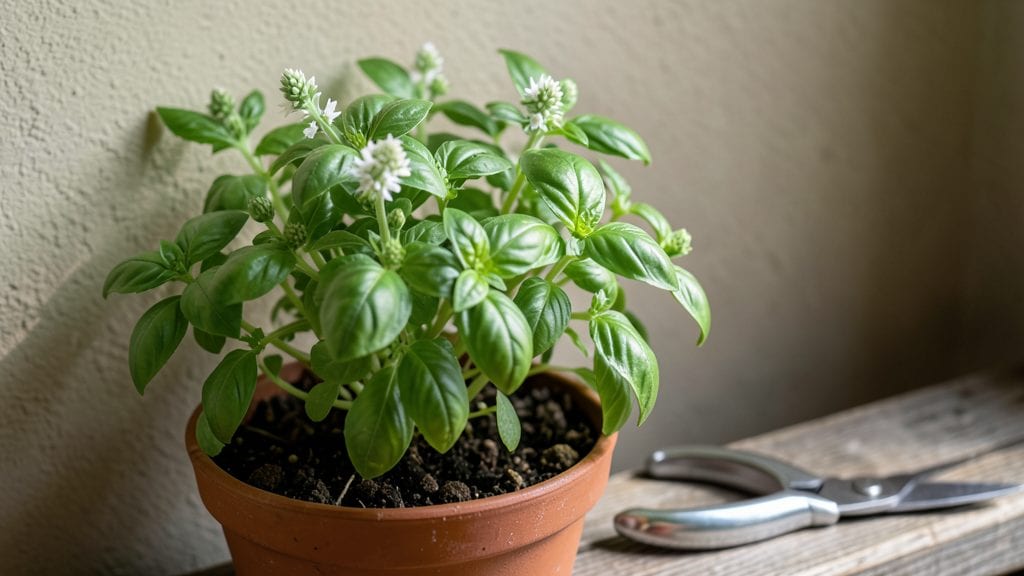
Keeping basil from flowering means more tender leaves and fewer bitter stems—something I learned the hard way after my first harvest turned disappointingly woody. 🌿 The moment those tiny white flowers appear, the plant redirects energy from leaves to seeds, leaving you with tough, flavorless stems instead of the fresh herbs you crave.
The fix is simpler than you think: strategic pruning and a few environmental tweaks can delay flowering for weeks, even months, giving you a steady supply of sweet basil.
You’ll need just three things: sharp scissors, a sunny spot with at least 6 hours of light daily, and a willingness to pinch back stems regularly. The key is cutting just above a leaf node—this encourages bushier growth and keeps the plant focused on producing leaves rather than flowers.
Most gardeners overlook the importance of consistent pruning, but it’s the single biggest factor in extending your harvest.
By following this method, you’ll enjoy vibrant green, tender leaves for weeks longer than usual, with that classic basil aroma filling your kitchen. The plants stay compact, productive, and ready for your next pasta dish or pesto batch.
Once you master the timing, you’ll wonder why you ever let those flowers take over.
This works for both potted basil on a windowsill and plants in the garden—just adjust your pruning frequency based on how fast your basil grows. The secret is patience and regular attention, but the payoff is worth every pinch. Let’s get those stems trimmed and those leaves growing!
📚 In This Guide
- What you need
- Instructions
- Tips and common mistakes
- Wrapping up and next steps
What you need
- ● Fresh basil plant(s) – Potted or in-ground, with healthy, non-flowering stems (start with 1–3 plants for beginners).
- ● Clean, sharp pruning shears or scissors – Sterilized (rubbing alcohol wipe) to prevent disease. Avoid dull tools!
- ○ Gloves (optional but recommended) – Protects hands from sap and dirt (nitrile or gardening gloves work).
- ● Small container or bucket – For collecting pruned cuttings (1–2 gallons capacity).
- ● Well-draining potting mix or compost – If propagating cuttings (avoid heavy clay soil).
- ● Watering can or spray bottle – For gentle hydration (avoid soggy soil!).
- ○ Rooting hormone (optional) – Speeds up root growth for cuttings (powder or gel form).
- ● Grow lights or sunny windowsill – If indoors (10+ hours of light/day).
- ● pH test kit – Ensures soil pH stays between 6.0–7.0 (ideal for basil).
- ● Label markers – To track basil varieties (e.g., Genovese, Thai).
- ● Fertilizer (balanced or low-nitrogen) – For post-pruning boost (e.g., 10-10-10 or fish emulsion).
Step-by-step pruning secrets to prevent basil flowering
Here's how I keep my basil lush and productive for months—no flowers in sight.
🌿 Step 1: Identify and Remove Early Flower Stems
Basil flowers on long, woody stems that emerge from the leaf axils. Watch for tiny buds forming at the leaf joints—these are your first warning signs. Pinch them off immediately with your fingers or clean pruning shears. The sooner you catch them, the easier it is to prevent flowering.
Real talk: I used to wait until flowers appeared, but that's too late. The plant's energy shifts from leaf production to seed-making. Once you see those delicate white or purple blooms, your harvest window closes fast. Check your plants twice weekly during peak growing months for these early signs.
✂️ Step 2: Prune for Bushier Growth
When your basil reaches 6 inches tall, pinch off the top set of leaves just above a leaf node. This forces the plant to branch out instead of growing tall. Use clean pruning shears or your fingers—just don't rip the stem. You'll see new side shoots emerge within 7-10 days.
Here's the thing—I always prune just above a leaf node where two leaves meet the stem. This is where new growth will sprout. If you cut too close to the main stem, you'll leave a bare spot that won't regrow. Aim for a ¼-inch above the node for best results.
🌱 Step 3: Maintain Regular Harvest Pruning
Harvest leaves regularly by pinching off the outer leaves rather than the whole stem. This encourages continuous growth and prevents the plant from sensing it's time to flower. I harvest every 2-3 weeks during active growth, always taking leaves from the top and sides to maintain the plant's shape.
Don't skip this step. When basil goes unpruned, it puts all its energy into flowering. Even if you see no buds, the plant knows it's time to reproduce. Keep those leaves coming off, and your basil will keep producing like a champ. Just avoid taking more than ⅓ of the plant at once—that stresses the plant and can trigger flowering.
☀️ Step 4: Manage Light and Heat
Basil flowers more aggressively in hot, sunny conditions. While basil loves 6+ hours of sunlight daily, too much intense heat can trigger flowering. If your basil starts stretching toward the sun with long stems, it's getting too much light. Move it to a spot with morning sun and afternoon shade.
I've found that keeping basil in 65-75°F temperatures prevents premature flowering. If your summer heat exceeds 80°F, consider moving pots to a shadier spot or even bringing them indoors temporarily. A sudden heatwave is what usually sends basil into flower mode overnight.
💧 Step 5: Water and Fertilize Strategically
Fluctuating moisture levels stress basil and can trigger flowering. Keep the soil consistently moist but not soggy. Water when the top 1 inch of soil feels dry to the touch. I water in the morning so leaves have time to dry before evening—this prevents fungal issues that weaken plants.
Feed your basil with a balanced liquid fertilizer every 4-6 weeks during growing season. Too much nitrogen makes soft, leafy growth but can also trigger flowering if not balanced. I use a 10-10-10 formula diluted to half strength. Stop fertilizing completely when temperatures drop below 60°F—basil goes dormant and needs a break.
Tips & tricks for perfect basil pruning
These little-known tricks will help you extend your basil's harvest season effortlessly.
Early Detection is Everything: Those tiny buds at the leaf joints are your first warning signs, not the flowers themselves. I've seen basil go from perfect leaves to full bloom in just 48 hours once those buds appear. Keep a small magnifying glass handy—it helps spot the early signs before they become obvious. The key is to check your plants twice weekly during peak growing months when they're most vulnerable.
The Quarter-Inch Rule: When pruning for bushier growth, always aim to cut just above a leaf node at a ¼-inch distance. This might seem like a small detail, but it makes all the difference. I learned this the hard way after pruning too close to the stem and leaving bare spots that never regrew. The ¼-inch gives the plant room to heal and sprout new growth from that exact node.
Harvest Frequency Matters: The 2-3 week harvest schedule isn't just about getting leaves—it's about sending your basil a clear message: "Keep growing!" When you skip harvests, the plant senses it's not being eaten and shifts energy to reproduction. I've found that harvesting from the top and sides maintains the plant's shape while encouraging new growth from lower nodes. Just remember: never take more than ⅓ of the plant at once or you'll stress it into flowering.
Temperature Watch: Basil thrives in 65-75°F temperatures, but anything above 80°F can trigger flowering. I've noticed this most dramatically during summer heatwaves. If your basil starts stretching toward the sun with long stems, it's getting too much light. Move it to morning sun with afternoon shade, or bring it indoors temporarily during extreme heat. A sudden temperature drop below 60°F also signals basil to go dormant, so protect it from frost and cold snaps.
Pro Tips for Keep Basil From Flowering
- These little-known tricks will help you extend your basil's harvest season effortlessly.
- Early Detection is Everything: Those tiny buds at the leaf joints are your first warning signs, not the flowers themselves.
- The Quarter-Inch Rule: When pruning for bushier growth, always aim to cut just above a leaf node at a ¼-inch distance.
Frequently asked questions
Got questions about keeping your basil lush and leafy?
Here are answers to the most common concerns—so you can enjoy fresh, flowering-free basil all season long!
Why does basil flower, and is it bad for the plant?
Basil flowers as a natural response to maturity or stress (like heat or drought). While not deadly, flowering signals the plant to shift energy from leaves to seeds, reducing flavor and growth. Pinching blooms early keeps your basil productive and tasty!
How often should I prune basil to prevent flowering?
Prune basil every 2–4 weeks during the growing season (spring to fall). Focus on removing flower buds and spent blooms as soon as you spot them. Regular pruning encourages bushier growth and delays flowering for weeks or even months!
Can I still save basil if it’s already flowering?
Yes! If your basil has already flowered, trim the stems just above the first set of leaves below the bloom. This redirects energy to new growth. For heavily flowered plants, give it a hard prune (cut back by ⅓) to stimulate fresh, leafy regrowth.
Does temperature affect basil flowering?
Extreme heat (above 90°F) or cold snaps can trigger premature flowering. Keep basil in partial shade during peak summer or move pots to a sheltered spot. Consistent moisture and moderate temps (60–75°F) help delay blooms naturally.
What’s the best time of day to prune basil?
Prune in the morning when plants are hydrated and temperatures are mild. Avoid pruning after sunset or during heatwaves—this reduces stress on the plant. Use clean, sharp scissors to make precise cuts just above leaf nodes for faster recovery.
Wrapping up and next steps
Keeping your basil thriving and flowering-free is all about timing, technique, and a little extra care! 🌿 By mastering pruning, managing light, and staying consistent, you’ll enjoy a bountiful harvest for weeks longer.
Remember, even the pros started with their first basil plant—so don’t stress if it takes a few tries to get it right.
Now that you’re armed with the secrets, grab those shears and get pruning! 🌱 Try experimenting with a few plants to see what works best for your space, and soon you’ll be the basil whisperer in your garden. Happy growing!