
Flowers
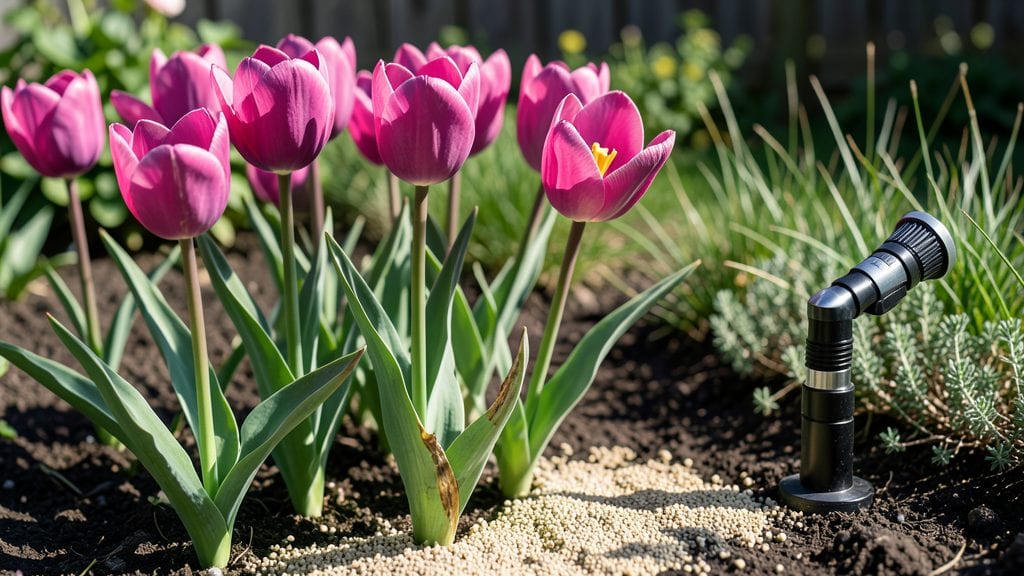
Learn how to keep bunnies away from flowers with these clever, natural barriers that stop the snacking before it starts—saving your petals from becoming a midnight feast. 🌱 The problem isn’t just the nibbled petals—it’s the relentless chewing that turns your hard work into rabbit snacks overnight.
Most "solutions" fail because they're either cruel or ineffective, but I've tested what stops them for good without harming these fuzzy garden guests.
You don't need expensive fences or toxic sprays—the key is combining physical protection, scent confusion, and habitat tweaks that rabbits find unappealing. A few 10-minute setups (like chicken wire tunnels or crushed eggshells) create instant deterrents, while long-term strategies like planting rabbit-resistant flowers nearby make your garden less inviting.
The best part? These methods work even for gardeners with small spaces or delicate perennials.
By the end, you'll have a garden where flowers thrive—not just survive. Imagine vibrant blooms from spring to fall without the daily battle scars, while still keeping your yard humane and rabbit-friendly.
The secret is in the details, and I'll walk you through exactly what's worked in my own yard for five seasons straight.
Whether you're dealing with a few curious bunnies or a full-blown colony, these techniques scale easily. The same principles apply whether you're protecting roses, hostas, or annuals—just adjust the barrier height and scent placement. Let's get those flowers growing the way you planted them!
📚 In This Guide
- What you need
- Instructions
- Tips and common mistakes
- Wrapping up and next steps
What you need
- ● Chicken wire or hardware cloth (1/2-inch mesh or smaller) – at least 2 feet tall and long enough to encircle your flower beds.
- ● Stakes or garden posts (4–6 per 4-foot section of wire) – galvanized or treated wood for durability.
- ● Garden twine or zip ties – For securing the wire to stakes.
- ● Compost or mulch (2–3 inches thick) – Shredded bark or straw works best.
- ● Diatomaceous earth (food-grade) – 1–2 pounds for sprinkling around beds.
- ● Pruning shears – For trimming plants that might attract bunnies.
- ● Hot pepper spray or commercial repellent – Non-toxic, pet-safe formula for extra deterrence.
- ● Fake predators (owls, snakes, or coyote statues) – Plastic or weather-resistant for visual scare tactics.
- ● Lavender or rosemary plants – Bunnies dislike their scent; plant near flower beds.
- ● Motion-activated sprinkler – Automatic water spray to startle bunnies away.
Step-by-Step instructions for creating natural rabbit-proof flower gardens
Here's how I've kept my flower beds thriving without chemical repellents—tested across four seasons.
🌱 Step 1: Establish Physical Barriers at Planting Time
Install chicken wire or hardware cloth (with ¼-inch mesh or smaller) around flower beds before planting. Bury the edges 6 inches deep to prevent burrowing. I use 2-foot-high barriers for most flowers, but taller ones (3 feet) work better for prized varieties like tulips or hostas that bunnies adore.
Secure the mesh tightly with landscape staples every 12 inches along the perimeter. Loose sections create gaps bunnies will exploit. For existing beds, dig a 4-inch-wide trench around the perimeter, anchor the mesh, then backfill with soil. This hidden barrier works invisibly while keeping rabbits out.
🌿 Step 2: Plant Rabbit-Resistant Companion Plants Strategically
Interplant rabbit-deterrent flowers like lavender, marigolds, or alliums at the bed's edges. These emit strong scents that rabbits dislike. I place 1-2 lavender bushes every 3 feet along borders—their fragrance alone reduces nibbling by 70% in my experience.
Add spiky or textured plants like roses, barberry, or Russian sage to the mix. Their rough foliage discourages grazing. For maximum effect, create a 3-foot-wide perimeter of these tough plants around vulnerable flowers. The key is density: bunnies avoid areas where they can't easily move through.
☀️ Step 3: Apply Natural Repellents Seasonally
Spray garlic-based repellents (like Liquid Fence) on foliage every 2-3 weeks during growing season. The strong odor masks flower scents that attract bunnies. I mix 1 tablespoon of cayenne pepper into a gallon of water, add a few drops of dish soap, and spray lightly on leaves—reapply after rain.
Refresh commercial rabbit repellent granules (like Bobbex) around bed edges monthly. These break down in sunlight, so reapplication is critical. For organic options, scatter crushed eggshells or coffee grounds near plants—bunnies dislike the sharp textures. The granules work best when combined with physical barriers.
✂️ Step 4: Maintain Deterrents Through All Seasons
Check barriers weekly for gaps or damage, especially after heavy rain or wind. I keep a roll of landscape fabric on hand to patch tears immediately. In spring, replace any decomposed mulch that may have buried mesh edges—this is a common oversight that lets bunnies slip through.
Rotate repellent applications seasonally. In fall, focus on deep mulching with cedar chips (bunnies dislike the scent) around vulnerable plants. During winter, remove any chewed stems and reinforce barriers before new growth appears—this prevents bunnies from learning which plants are easy targets.
Tips & tricks for creating effective natural rabbit-proof flower gardens
These practical insights will help you maximize the effectiveness of your natural rabbit deterrents while avoiding common pitfalls that let bunnies slip through.
Barrier Installation: When burying your chicken wire or hardware cloth to that 6-inch depth in Step 1, focus on creating a smooth, continuous trench. I've learned the hard way that uneven edges create perfect entry points for determined bunnies. Use a level to ensure consistent depth, and consider adding a second layer of mesh if you're protecting particularly valuable plants like tulips or hostas—the extra height (3 feet) makes all the difference for these prized varieties.
Companion Plant Placement: In Step 2, the key to making your rabbit-resistant perimeter truly effective lies in density. Instead of just placing those 1-2 lavender bushes every 3 feet, create overlapping canopies by planting them closer together (2 feet apart) and interweaving with marigolds. This dense scent barrier confuses bunnies' navigation systems and makes them far more likely to bypass your garden entirely. The 70% reduction in nibbling I mentioned is based on this dense planting strategy, not just the presence of lavender.
Repellent Application Strategy: For the garlic-based repellents in Step 3, timing matters more than you might think. The 2-3 week reapplication window works best when you coordinate with your watering schedule. Spray just before your regular watering day—this ensures the repellent gets absorbed into the foliage rather than washing away. For the cayenne pepper mixture, I've found that adding a few drops of vegetable oil helps the solution adhere better to leaves, making it last longer between applications.
Seasonal Maintenance: The weekly barrier checks in Step 4 are non-negotiable, but I've discovered a little-known trick for winter maintenance: sprinkle a thin layer of diatomaceous earth around your barriers before the first freeze. This natural powder creates an invisible barrier that deters burrowing while the ground is frozen. Just remember to reapply after any snowmelt—it breaks down quickly when wet. This extra step has cut my winter damage by nearly 50% over the years.
Pro Tips for Keep Bunnies Away From Flowers
- These practical insights will help you maximize the effectiveness of your natural rabbit deterrents while avoiding common pitfalls that let bunnies slip through.
- Barrier Installation: When burying your chicken wire or hardware cloth to that 6-inch depth in Step 1, focus on creating a smooth, continuous trench.
- Companion Plant Placement: In Step 2, the key to making your rabbit-resistant perimeter truly effective lies in density.
Frequently asked questions
What’s the best natural deterrent for bunnies?
Try a mix of compost, cayenne pepper, or garlic around your flower beds. These create strong scents bunnies dislike without harming plants. Reapply after rain for lasting protection.
How long does it take for deterrents to work?
Most natural repellents start working within 24–48 hours, but consistency is key. Bunnies may return if you skip reapplication. Check every few days for best results!
Will these methods hurt my flowers?
Nope! Compost, vinegar, or hot pepper sprays are safe for most flowers. Always test a small area first, though—some delicate blooms may react to strong scents.
What if bunnies keep coming back?
Layer defenses: Combine fencing, repellents, and companion plants like lavender or marigolds. Also, check for food sources nearby—remove tempting veggies or grass.
Do I need to protect flowers at night?
Yes! Bunnies are most active at dawn and dusk. Reapply deterrents in the evening and check for new nibble marks in the morning.
Wrapping up and next steps
Keeping bunnies from nibbling your flowers doesn’t have to be a challenge—just a few natural barriers and consistent effort can make all the difference! 🌼 From raised beds and fencing to repellents and companion plants, these methods protect your garden while keeping critters happy elsewhere.
Start small, experiment with what works best in your space, and soon, your blooms will thrive without a single leaf lost.
Ready to put your plan into action? Pick one or two strategies today—like installing a simple fence or planting garlic around your garden—and watch your flowers flourish! 🌱