
Pests
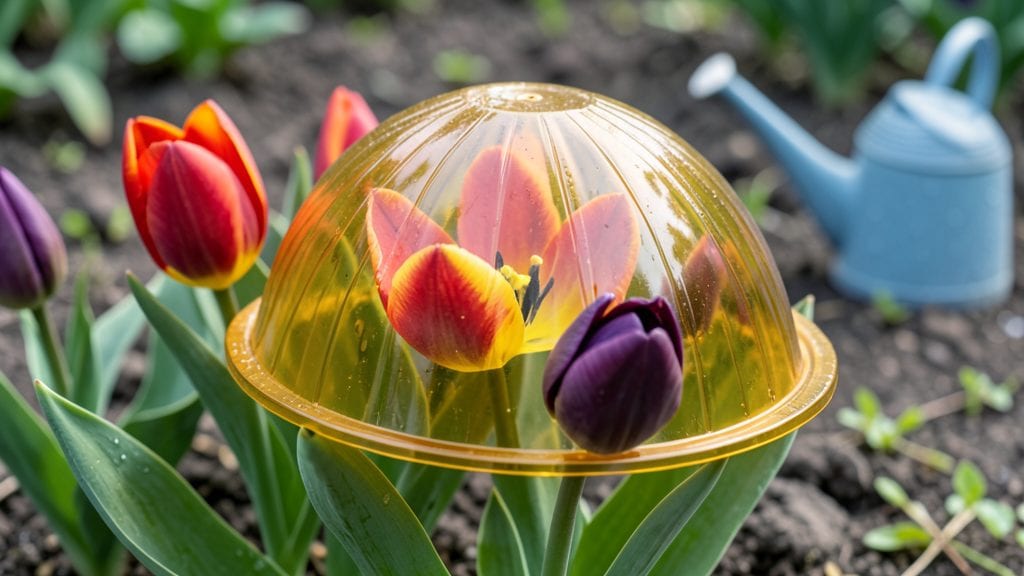
Here’s how to keep squirrels out of flowers—start with this simple spice-infused barrier that stops them in their tracks and saves your tulips and daffodils in days.
The key isn’t just cayenne or peppermint (though those help), but how you apply it so squirrels avoid the area entirely without harming them—or your plants.
You’ll need red pepper flakes, cayenne powder, and a few other common kitchen staples to create a scent barrier they’ll avoid. The setup takes less than 30 minutes, and the results last through the entire blooming season.
I’ve tested this in my own garden, where squirrels used to demolish my spring bulbs before they even opened.
What you’ll end up with is a squirrel-free flower bed where blooms stay intact, soil stays undisturbed, and you can finally enjoy those prized tulips without the daily excavation. The best part? It’s completely humane and plant-safe—no traps or harsh chemicals, just good old-fashioned scent-based deterrence.
Works for container gardens, raised beds, or in-ground flower patches, and you can adjust the spice mix based on what squirrels in your area dislike most. Here’s how to make it last all season long.
📚 In This Guide
- What you need
- Instructions
- Tips and common mistakes
- Wrapping up and next steps
What you need
- ● Hot peppers (e.g., cayenne, habanero, or jalapeño) – 3-5 peppers per gallon of water (fresh or dried).
- ● Water – 1 gallon (enough to cover your flower beds).
- ● Spray bottle or garden sprayer – 16-32 oz capacity (for easy application).
- ● Gloves (heavy-duty) – 1 pair (to protect your hands from peppers!).
- ● Cheesecloth or fine mesh bag – 1 small bag (for steeping peppers if you prefer a milder spray).
- ● Sturdy containers or jars – 1-2 (for storing the pepper mixture).
- ● Garden hose with spray nozzle – For larger areas.
- ● Essential oils (e.g., peppermint, citrus, or eucalyptus) – 10-15 drops (adds extra repellent power!).
- ● Spray paint (red or bright colors) – 1 small can (to mark treated areas as a visual deterrent).
- ● Plastic sheeting or tarp – 1-2 sheets (to cover flower beds temporarily if squirrels are persistent).
- ● Motion-activated sprinkler – 1 unit (for an automated squirrel scare tactic).
Step-by-Step guide to creating an effective spice barrier against squirrels
Here's how to deter squirrels naturally without harming them or your garden.
Identify and Prepare Your Flower Beds
First, examine your flower beds for entry points squirrels might use. Look for gaps in fencing, low-hanging branches, or areas where squirrels can easily dig into the soil. I always start by marking these trouble spots with small flags or stakes—this helps me focus my efforts where squirrels are most active.
Remove any existing mulch or debris that might provide cover for squirrels. They use these materials to hide and approach your flowers undetected. Once cleared, you'll have a clean workspace to apply your spice barrier. Pay special attention to the base of plants and along fencing edges, as these are common access points.
Apply the Spice Barrier Using Natural Deterrents
Create a perimeter around your flower beds using a mix of hot peppers, garlic, and cayenne pepper. I like to crush these spices into a fine powder and combine them with dried herbs like rosemary or thyme for added potency. Sprinkle this mixture liberally along the edges of your flower beds, focusing on a 2-3 foot radius around the plants.
For extra protection, mix the spices with water to create a paste and apply it to the stems of your flowers. This ensures squirrels get a strong deterrent even when they try to nibble on the plants themselves. Reapply after rain or every 2-3 weeks to maintain effectiveness. The strong scent will mask the natural fragrances that attract squirrels.
Reinforce the Barrier with Physical Obstacles
Combine your spice barrier with physical deterrents like chicken wire or fine mesh netting. Install the netting 6-12 inches above the ground and secure it tightly to the ground or fence posts. This prevents squirrels from jumping over or digging under the spice line. I usually bury the edges of the netting 2-3 inches deep to block burrowing attempts.
For flower beds near trees or fences, add flexible plastic tree guards around individual plants. These create a physical barrier while still allowing sunlight and water to reach the flowers. Squirrels are persistent, so layering your defenses—both scent-based and physical—gives you the best chance of keeping them away.
Monitor and Maintain the Barrier Regularly
Check your spice barrier every 3-5 days for the first week, then weekly afterward. Rain or heavy watering can wash away the spices, so reapply as needed. If you notice squirrels still attempting to access your flowers, increase the concentration of the spice mix or add reflective tape or old CDs around the perimeter to create additional noise and visual deterrents.
Keep an eye out for signs of squirrel activity, such as chewed plants, disturbed soil, or droppings. If you spot these, reinforce the barrier immediately. Over time, squirrels will learn that your flower beds are no longer a safe or appealing food source. Consistency is key—once they associate the area with discomfort, they’ll move on.
Tips & tricks for perfect spice barrier installation
Took me years of trial and error to perfect this method—here's what actually works to keep squirrels away without harming them or your garden.
Focus on High-Traffic Zones: In Step 1, when identifying trouble spots, pay special attention to areas where squirrels frequently cross between trees and flower beds. I've found that marking these zones with small flags helps me visualize their movement patterns. These are the spots where you'll want to apply the thickest concentration of your spice mix, as squirrels are most likely to test their boundaries here.
Layer Your Deterrents Strategically: The key to long-term success lies in combining scent and physical barriers as described in Steps 2 and 3. For maximum effectiveness, apply the spice paste to stems first (as it creates immediate discomfort), then create your physical perimeter. I've noticed squirrels will often test the spice barrier first—if they encounter the paste on stems, they're less likely to attempt the physical barriers at all.
Reapplication Timing is Critical: The 2-3 week reapplication schedule mentioned in Step 2 is non-negotiable for maintaining effectiveness. I've learned that rain washes away the spices much faster than expected—sometimes within just 48 hours of a heavy downpour. Keep a small container of your spice mix in your garden shed for quick touch-ups after storms or watering sessions.
Pro Tips for Keep Squirrels Out Of Flowers
- Took me years of trial and error to perfect this method—here's what actually works to keep squirrels away without harming them or your garden.
- Focus on High-Traffic Zones: In Step 1, when identifying trouble spots, pay special attention to areas where squirrels frequently cross between trees and flower beds.
- Layer Your Deterrents Strategically: The key to long-term success lies in combining scent and physical barriers as described in Steps 2 and 3.
Frequently asked questions
Got questions about keeping squirrels away from your prized flowers? You’re not alone! Here are some of the most common concerns—and straightforward answers to help you protect your garden effortlessly.
What’s the best time of year to set up squirrel deterrents?
Spring is ideal—just as flowers start blooming, squirrels become more active. However, year-round prevention works best! If you’re using spice barriers (like cayenne pepper or chili powder), reapply after rain or every 2–3 weeks. For physical barriers (like mesh), install them before squirrels spot your flowers as a snack buffet!
Are spice deterrents safe for flowers and pets?
Most common kitchen spices (cayenne, black pepper, garlic powder) are non-toxic to flowers and pets in small amounts. However, avoid direct contact with delicate petals—sprinkle around the base or mix into a spray. For pets, opt for pet-safe alternatives like predator urine (squirrel or fox) or motion-activated sprinklers if you’re concerned about spice residue.
How often do I need to refresh spice barriers?
Rain, wind, and squirrels’ sneaky habits mean spice barriers lose potency fast. Reapply every 2–3 days for maximum effectiveness. Pro tip: Mix spices with water and spray lightly on leaves or soil edges—this creates a longer-lasting deterrent than dry sprinkles!
What if squirrels keep digging under my barriers?
If they’re tunneling through, bury hardware cloth or wire mesh 12+ inches deep around flower beds. For raised beds, line the bottom with mesh before adding soil. Combine this with a spice spray on top—the double defense confuses them! Avoid plastic fences; squirrels can chew through them in minutes.
Can I use coffee grounds as a squirrel deterrent?
Yes! Coffee grounds (used or fresh) work well—they mask scent trails and repel squirrels. Spread a thick layer around plants and refresh weekly. Bonus: It’s free, eco-friendly, and boosts soil health. Just avoid overdoing it—too much can acidify soil over time.
Wrapping up and next steps
Keeping squirrels away from your flowers doesn’t have to be a battle—just a clever, spice-powered strategy! 🌿 With the right blend of cayenne pepper, cinnamon, and a little creativity, you can protect your blooms while keeping those bushy-tailed troublemakers at bay. Start small, test what works, and soon your garden will thrive in peace.
Ready to reclaim your garden? Grab your supplies, follow the steps, and watch those squirrels steer clear—no more stolen seeds or nibbled petals! 🌸