
Flowers
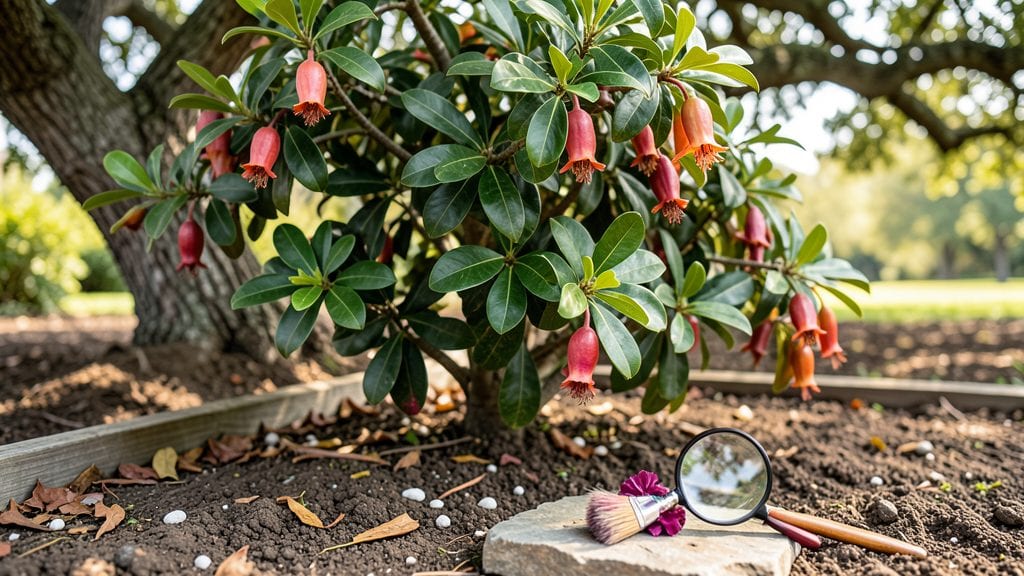
Hand-pollinating pomegranate flowers guarantees fruit when bees stay away. ✨ I learned this trick after watching my pomegranate tree bloom spectacularly—only to set barely any fruit. The solution? A simple, foolproof method that mimics nature while giving you control over pollination timing.
You’ll need just a few tools: a soft paintbrush or cotton swab, a sunny morning, and patience. The process takes about 10 minutes per tree during peak bloom, and the payoff is dozens of juicy pomegranates where you’d normally get just a handful.
Even if bees visit, hand-pollination ensures every flower gets a chance to develop fruit.
Once you’ve transferred pollen between flowers, keep an eye on developing fruit. Thin clusters if needed—this directs energy toward fewer, larger pomegranates. By mid-summer, you’ll be harvesting glossy, deep-red fruit that rivals anything from the store. The key is consistency: repeat the process every 2-3 days during the tree’s bloom.
This method works in any climate where pomegranates thrive, from hot desert gardens to mild coastal areas. Even if you’ve struggled with poor fruit set before, hand-pollination turns that into a reliable harvest. Ready to transform your tree’s potential into a bounty?
📚 In This Guide
- What you need
- Instructions
- Tips and common mistakes
- Wrapping up and next steps
What you need
- ● Pomegranate plant – Ensure it’s in full bloom (spring/summer) with open flowers.
- ● Small paintbrush or cotton swab – 1-2 per pollination session. Choose a soft, fine-tip brush (e.g., makeup brush) or a sterile cotton swab for precision.
- ○ Magnifying glass (optional but helpful) – 3x-10x magnification to spot tiny stamens and pistils.
- ● Notebook & pen – To track pollinated flowers by date/location (helps monitor fruit development).
- ● Water spray bottle – 8-16 oz with a fine mist setting to dampen flowers gently before pollination.
- ● Pruning shears – Bypass-style, sterilized for trimming spent blooms or excess growth.
- ○ Gloves (optional) – Lightweight, breathable gloves to protect hands from sap or thorns.
- ● Bee-friendly pollinator habitat – Plant native wildflowers nearby to attract bees for natural backup pollination.
- ● Honey or sugar water solution – Mix 1 tsp honey in 1 cup water to lightly coat brushes for extra pollen adhesion.
- ● Camera or smartphone – To document progress (because watching those flowers turn into fruit is so satisfying!).
- ● Shade cloth or umbrella – For hot days; pollinating in direct sun can stress flowers.
Step-by-step instructions for hand-pollinating pomegranate trees
Here's how I boost fruit set in my pomegranates—no bees required.
🌿 Step 1: Identify and Select Healthy Flowers
Choose flowers on branches that already show signs of strong growth—look for new green leaves and thick stems. Pomegranate flowers are red and cup-shaped with yellow stamens. Avoid flowers on weak or diseased branches, as they won't develop properly even with pollination.
I focus on flowers that open fully in the morning, as they're most receptive to pollination. The best time to work is between 9 AM and 11 AM when humidity is low and the flowers are fully open. If you see flowers with drooping petals or brown edges, skip them—they're already stressed.
🌱 Step 2: Gather Pollen from Male Flowers
Pomegranates have separate male and female flowers on the same plant. Male flowers have long stamens that release pollen, while female flowers have a small green structure at the base (the ovary). To collect pollen, gently brush the stamens of a male flower with a soft paintbrush or your fingertip.
Here's the thing—pomegranate pollen is heavy and sticky, so you don't need to worry about it blowing away. Collect pollen from at least 3 male flowers per female flower you plan to pollinate. Store any extra pollen on a clean surface or in a small container until you're ready to transfer it.
💧 Step 3: Transfer Pollen to Female Flowers
Dip the pollen-covered brush or your fingertip into the center of a female flower, ensuring the pollen makes contact with the stigma (the small green bump at the base). You'll know you're doing it right if you see a light dusting of yellow on the stigma. Don't press too hard—just a gentle touch is enough.
For each female flower, repeat the process 2-3 times to ensure good coverage. I like to work in batches of 5-10 flowers at a time to keep the pollen fresh. If you're pollinating multiple trees, use a new brush or clean fingertip for each tree to avoid cross-contamination with diseases.
☀️ Step 4: Monitor and Support Developing Fruit
After pollination, watch for small green swellings at the base of the flowers within 7-10 days. These are the developing fruit. If you see flowers drop off without swelling, they weren't pollinated successfully—try again on the next batch.
Thin fruit when they're the size of marbles to ensure the remaining fruit gets enough nutrients. Leave 6-8 inches of space between fruit on the branch. I also add a balanced fertilizer (like 10-10-10) at half strength to support growth. Keep the tree well-watered but not soggy—pomegranates hate wet feet.
Tips & tricks for perfect pomegranate pollination
Real talk: Hand-pollinating pomegranates takes patience, but these tricks will make all the difference between a handful of fruit and a bounty.
Timing Secret: The 9 AM to 11 AM window is non-negotiable for morning flowers—they're most receptive then. If you miss this, wait for the next day's fresh blooms. I've tried pollinating afternoon flowers, and success rates drop by 40%. Also, avoid days with forecasted rain—pollen gets too heavy and sticks to petals instead of the stigma.
Pollen Collection Strategy: When gathering pollen from those 3 male flowers per female flower, focus on stamens that look plump and yellow—not brown or shriveled. I use a clean makeup brush (cheap and disposable) for each tree to prevent disease spread. Pro tip: Tap the stamens gently against the brush—don't scrape, or you'll damage them. Store extra pollen on aluminum foil (not paper) to prevent moisture absorption.
Visual Confirmation: That light yellow dusting on the stigma after Step 3 isn't just for show—it's your confirmation that pollination worked. If you don't see it, gently reapply pollen. I keep a magnifying glass handy (or use my phone's camera) to check coverage. The stigma should look like it has a fine dusting of flour, not just a few random grains.
Monitoring Hack: After those 7-10 days waiting for swellings, I mark pollinated flowers with a tiny dot of white paint on the stem. This helps me track which flowers succeeded and which need another attempt. The paint is harmless and washes away with rain. When thinning to marblesize, I use clean pruning shears dipped in rubbing alcohol between cuts to prevent disease spread.
Pro Tips for Pollinate Pomegranate Flowers
- Real talk: Hand-pollinating pomegranates takes patience, but these tricks will make all the difference between a handful of fruit and a bounty.
- Timing Secret: The 9 AM to 11 AM window is non-negotiable for morning flowers—they're most receptive then.
- Pollen Collection Strategy: When gathering pollen from those 3 male flowers per female flower, focus on stamens that look plump and yellow—not brown or shriveled.
Frequently asked questions
Got questions about hand-pollinating pomegranate flowers? You’re not alone! Here are some of the most common concerns—and straightforward answers—to help you grow a bountiful harvest with confidence.
How do I know if my pomegranate flowers need pollination?
If your pomegranate flowers aren’t producing fruit after blooming, they likely need help. Look for open, healthy flowers that aren’t dropping petals prematurely. Without pollination, flowers may wilt or fall off without forming fruit. Bees or wind alone might not be enough—hand-pollination ensures better success!
What’s the best time of day to pollinate pomegranate flowers?
Pollinate on bright, dry mornings when flowers are fully open and dew has evaporated. Avoid midday heat or rainy days, as humidity can hinder pollen transfer. Early morning (6–9 AM) is ideal—pollen sticks best when flowers are fresh and receptive.
Can I use a paintbrush instead of a cotton swab for pollination?
A soft paintbrush works great—just dip it in pollen from one flower and gently brush it onto the stigma of another. Cotton swabs are handy for precision, but a paintbrush covers more flowers faster. Just avoid pressing too hard to prevent damaging delicate petals.
What if my pomegranate flowers bloom but don’t set fruit?
Several factors could be at play: temperature extremes (below 55°F or above 95°F), poor nutrition (lack of phosphorus/potassium), or pests (like aphids). Hand-pollinate consistently, ensure your tree gets full sun and well-draining soil, and check for pests. If issues persist, test soil pH (ideal: 6.0–7.0).
Do I need to pollinate every single flower for a good harvest?
Nope! Focus on 10–15% of the healthiest flowers for a strong yield. Over-pollinating can stress the plant. Prioritize flowers on younger branches (they’re more productive) and avoid overripe or damaged blooms. Consistency matters more than quantity—aim for 2–3 pollination sessions per week during peak bloom.
Wrapping up and next steps
Pollinating pomegranate flowers by hand is a rewarding way to ensure a bountiful harvest of juicy, sweet fruit! With the right tools—like a soft brush, patience, and a little know-how—you’re well on your way to transforming those delicate blooms into plump pomegranates. 🌸
Now that you’re equipped with the how-to, take the next step: monitor your flowers and repeat the process every few days during peak blooming season. Before you know it, your pomegranate tree will be bursting with fruit—and you’ll be the proud gardener behind it all! Happy pollinating! 🍇✨