
Flowers
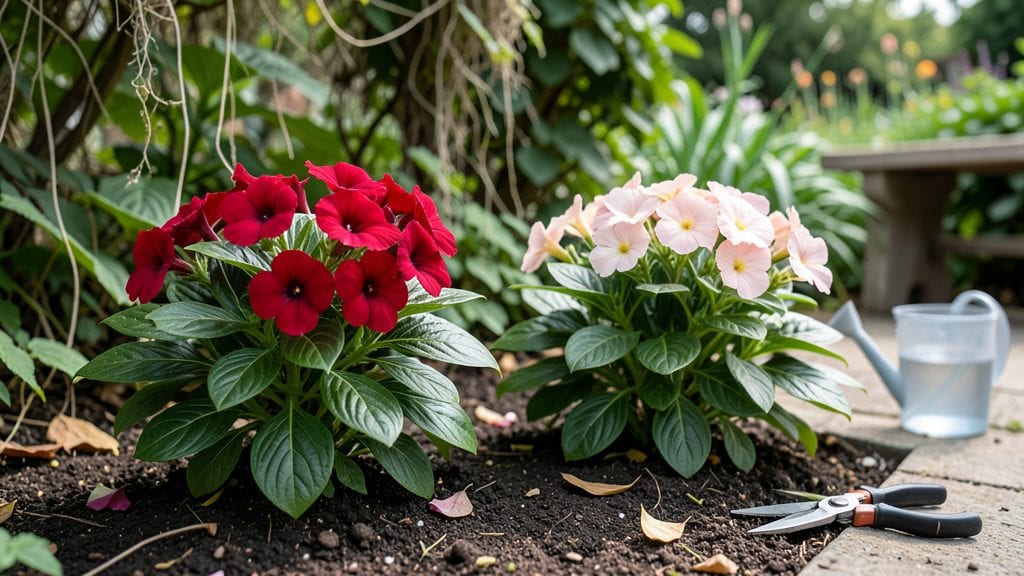
Caring for impatiens flowers means trading a few simple habits for nonstop color from spring through frost—no fuss, no drama, just blooms. 🌸 I’ve grown them in shady corners of my yard for years, and the secret isn’t complicated: they thrive where most flowers refuse to play.
The key is matching their love of moisture, shade, and rich soil to what your garden actually provides.
You’ll need well-draining potting mix (or garden soil amended with compost), a spot with morning sun and afternoon shade, and a watering can you can fill every other day.
Pruning spent blooms keeps them producing, and a light fertilizer every 4-6 weeks ensures those signature red, pink, or white flowers don’t slow down. Even my black thumb can’t kill these—just don’t let them dry out.
What you’ll end up with is a shadow garden that looks like a watercolor painting—soft, velvety petals spilling over pots or borders. The foliage stays lush, the blooms keep coming, and you’ll spend less time fussing than you do admiring.
The only real mistake? Letting them sit in soggy soil or baking in full sun, which turns their leaves yellow faster than you can say “oops.”
Works equally well in containers, hanging baskets, or in-ground beds—just adjust watering for pots, which dry out quicker. Once you’ve mastered the basics, you can experiment with varieties like New Guinea impatiens for extra heat tolerance. Let’s get those blooms going!
📚 In This Guide
- What you need
- Instructions
- Tips and common mistakes
- Wrapping up and next steps
What you need
- ● Impatiens seeds or seedlings: Choose disease-resistant varieties like Impatiens walleriana (garden impatiens) or Impatiens hawkeri (New Guinea impatiens). Start with 3–5 plants for a small garden bed or 10+ plants for a full border.
- ● Well-draining potting mix: A high-quality seed-starting mix (for seedlings) or peat-based garden soil amended with perlite or compost (for outdoor planting). Use 1–2 gallons per plant.
- ● Containers or garden bed: For pots: 5–7 inch diameter containers with drainage holes (1 plant per pot). Opt for fabric grow bags or plastic pots for flexibility.
- ● For garden beds: Choose a semi-shaded, moist area with loose, fertile soil. Space plants 6–12 inches apart.
- ● Watering can or hose with a gentle spray nozzle: Impatiens love moisture but hate soggy roots. A 1-gallon watering can or soaker hose works best.
- ● Balanced liquid fertilizer: A 10-10-10 or 20-20-20 NPK fertilizer (diluted to half-strength) to feed plants every 2–4 weeks during the growing season.
- ● Pruning shears: For trimming leggy stems or deadheading spent blooms. Look for sharp, bypass-pruning shears (e.g., Felco or Fiskars).
- ● Mulch (e.g., shredded bark or pine straw): 1–2 inches to retain moisture and suppress weeds. Avoid organic mulch if prone to fungal issues.
- ● Shade cloth (30–50% coverage): If your garden gets harsh afternoon sun, use lightweight shade fabric to protect plants.
- ● Grow lights (for indoor seedlings): A full-spectrum LED grow light (e.g., 12–16 hours/day) if starting seeds indoors before last frost.
- ● Fungicide (preventative): A copper-based or neem oil spray to ward off powdery mildew in humid climates.
Step-by-step instructions for cultivating vibrant impatiens all season
Here's how I keep impatiens blooming nonstop with just a few simple routines.
🌱 Step 1: Choose the Perfect Planting Spot
Impatiens thrive in partial shade—think 4-6 hours of morning sun and afternoon shade, especially in hotter climates. I always plant mine where they get bright, indirect light all day long. Too much direct sun causes leaves to scorch, while too little light makes them grow leggy and sparse.
If you're planting in containers, place them where they'll get dappled sunlight—under a tree canopy or on a shaded patio. Watch for leaves that look pale or stretched out; that's your cue to move them to a sunnier spot. For in-ground planting, amend the soil with 2-3 inches of compost to improve drainage and fertility.
💧 Step 2: Water Deeply and Consistently
Impatiens hate dry soil—keep the top 1-2 inches of soil consistently moist but never soggy. I water mine every 2-3 days in warm weather, testing by sticking my finger into the soil. If it feels dry at that depth, it's time to water. Overwatering causes root rot, so always ensure containers have drainage holes.
Water at the base of the plant in the morning to reduce evaporation and fungal risks. Avoid wetting the leaves, as this can promote powdery mildew. Mulch with 2-3 inches of organic mulch (like shredded bark) to help retain moisture and keep roots cool. You'll know you're doing it right when the soil stays evenly damp without puddling.
☀️ Step 3: Feed Lightly for Continuous Blooms
Use a balanced, water-soluble fertilizer (like 10-10-10) every 2-3 weeks during the growing season to encourage blooming. I mix it at half-strength to avoid burning tender roots. Impatiens are heavy feeders but don’t need heavy doses—think of it as a light snack, not a full meal.
Stop fertilizing in late summer if blooms slow down. The plant may be preparing for dormancy, and extra nutrients can stress it. Watch for yellowing leaves, which can signal over-fertilization. If that happens, flush the soil with water to rinse out excess salts.
✂️ Step 4: Prune and Deadhead Regularly
Pinch back leggy stems to encourage bushier growth, and deadhead spent blooms every 5-7 days to keep flowers coming. I use clean, sharp scissors to snip just above a set of leaves. This prevents the plant from wasting energy on seed production and redirects it to new blooms.
If your impatiens look crowded or overgrown, trim back one-third of the plant in early summer. They bounce back quickly, and you’ll get a fresh flush of flowers. Avoid heavy pruning in late summer, as the plant needs time to harden off before cooler weather.
🪴 Step 5: Overwinter with Care (If Needed)
Most impatiens are annuals, but if you’re growing New Guinea impatiens (hardier varieties), bring them indoors before the first frost. I move them to a bright, cool spot (around 60-65°F) and reduce watering to every 7-10 days. Too much moisture indoors can cause rot, so let the top 1 inch of soil dry out between waterings.
If you’re growing tender impatiens as annuals, simply compost the plants in fall and start fresh in spring. The key is to enjoy them while they last—they’re worth the effort! With these simple steps, you’ll have a nonstop display of vibrant blooms all season long.
Tips & tricks for perfect impatiens flower care
Confession: I skipped the light testing step for years and wondered why my impatiens never thrived. Here's what actually makes the difference.
Light Testing: Before planting, test your spot for 2-3 days by placing a white sheet of paper on the ground where you plan to plant. Mark the shadow every hour. If shadows cover the area for more than 4-6 hours during peak sun (10 AM-2 PM), that spot is too sunny. Impatiens will tell you when they're unhappy—leaves turning pale or stretching toward light are clear signals to adjust their location.
Mulch Matters: That 2-3 inches of organic mulch isn't just decoration—it's a game-changer. I use shredded bark because it breaks down slowly, improving soil structure over time while keeping roots cool. The secret is to apply it right after planting and refresh it every 3-4 months. This consistent coverage prevents soil temperature swings that stress impatiens.
Fertilizer Timing: The 2-3 week feeding schedule works perfectly when you time it right: fertilize right after watering in the morning. This gives roots time to absorb nutrients before the heat of the day. I've found that adding a handful of compost to the soil at planting time gives them a head start, reducing the need for early fertilizing. The key is consistency—never miss two feedings in a row.
Pruning Precision: When you're deadheading every 5-7 days, aim to remove only the faded bloom and the tiny stem below it. This minimal cut encourages more blooms to form at that node. For the early summer trim, cut back to just above a set of leaves that looks healthy—this ensures the plant has energy reserves to bounce back quickly. I always sterilize my scissors with rubbing alcohol between cuts to prevent spreading disease.
Pro Tips for Impatiens Flower Care
- Confession: I skipped the light testing step for years and wondered why my impatiens never thrived.
- Light Testing: Before planting, test your spot for 2-3 days by placing a white sheet of paper on the ground where you plan to plant.
- Mulch Matters: That 2-3 inches of organic mulch isn't just decoration—it's a game-changer.
Frequently asked questions
How often should I water impatiens?
Impatiens thrive when kept consistently moist but not soggy. Water them whenever the top inch of soil feels dry—typically every 2-3 days in hot weather or daily in extreme heat. Reduce frequency in cooler months, aiming for 2-3 times per week. Always water at the base to avoid wetting the leaves, which can cause fungal issues.
Can impatiens survive winter outdoors?
Most impatiens are tender perennials and won’t survive freezing temperatures (below 30°F/-1°C). In cold climates, treat them as annuals or grow them in containers that you can move indoors before frost. If you’re in a mild winter zone (Zone 10+), protect them with mulch and shade cloth. Overwintering indoors requires bright, indirect light and reduced watering.
Why are my impatiens leaves turning yellow or dropping?
Yellowing leaves or leaf drop usually signal overwatering, underwatering, or pests. Check the soil moisture first—soggy soil causes root rot, while crispy edges mean thirst. Inspect the undersides of leaves for aphids, spider mites, or whiteflies. Treat pests with neem oil or insecticidal soap. If the problem persists, repot in fresh soil to rule out nutrient deficiencies.
Do impatiens need full sun, or do they prefer shade?
Impatiens love shade to partial sun—they’ll scorch in intense midday heat. Ideal spots receive morning sun + afternoon shade or dappled light (like under trees). In hot climates, east-facing windows or filtered light work best. Too much sun causes pale blooms and leaf burn, while deep shade may reduce flowering.
Are there impatiens varieties that bloom year-round?
While no impatiens bloom nonstop without care, New Guinea impatiens (unlike the classic "busy Lizzie") are more tolerant of heat and can bloom spring through fall with proper conditions. For winter blooms, grow them indoors under grow lights or prune spent flowers to encourage new growth. Deadheading faded blooms extends flowering season by 4-6 weeks.
How do I revive a leggy or overgrown impatiens plant?
Leggy impatiens often result from low light or lack of pruning. Pinch back the top 2-3 inches of stems to encourage bushier growth. If severely leggy, trim 1/3 of the plant just above a leaf node. Boost light exposure (but avoid direct sun) and fertilize lightly with a balanced, water-soluble fertilizer every 4-6 weeks. Roots may also benefit from a light repotting in fresh soil.
Wrapping up and next steps
Caring for impatiens flowers is all about embracing their easygoing nature—with the right balance of sunlight, water, and a little TLC, you’ll enjoy vibrant blooms that last all season! 🌸 Remember, these beauties thrive in shade, love consistent moisture, and appreciate a gentle feeding routine.
Whether you’re a seasoned gardener or just starting out, impatiens are the perfect low-maintenance addition to your garden or patio.
Ready to watch your garden flourish? Grab your gardening gloves, pick a spot, and start planting—your impatiens will thank you with a burst of color! 🌿 Next, explore creative ways to display your blooms or dive into troubleshooting common issues.