
Flowers
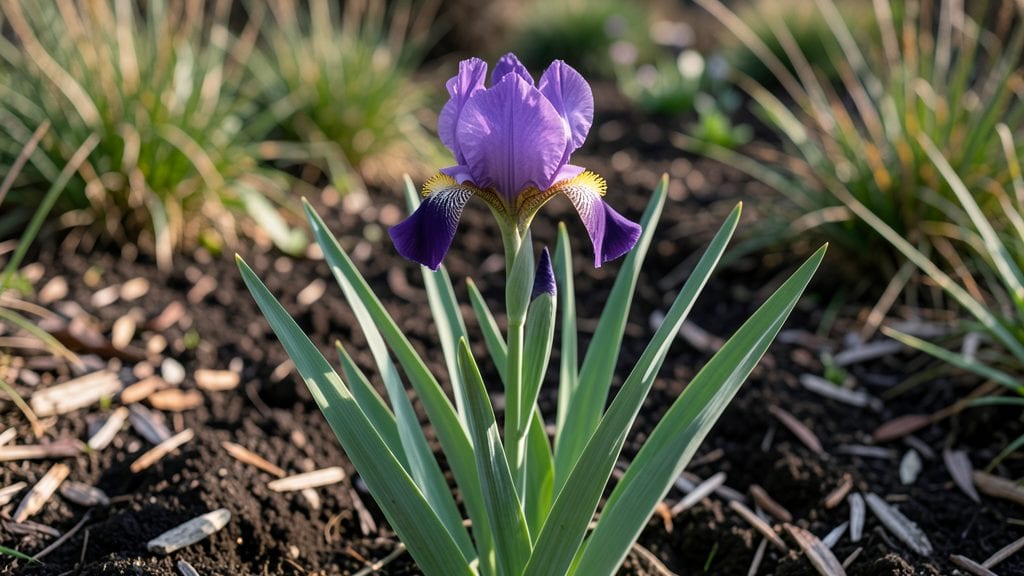
If you crave an iris-like flower that thrives in the Pacific Northwest’s cooler climate, Belamcanda chinensis—aka blackberry lily—delivers fiery drama with ease. 🌸 or perfect soil, and it thrives where irises often struggle.
This hardy perennial packs a punch with its sword-shaped foliage and spiky, lantern-like flowers that bloom midsummer through fall. Unlike finicky irises, it handles frost, drought, and even partial shade—making it perfect for borders, cottage gardens, or containers where pollinators will flock to its nectar-rich blooms.
Pair it with irises for a layered effect, or use it as a substitute where irises refuse to grow. The contrast of its deep foliage against lighter iris blooms creates a showstopping display that lasts longer and attracts hummingbirds and bees all season.
For a low-maintenance, high-impact alternative, this flower delivers—just plant it in well-draining soil and step back. It multiplies easily and spreads like a dream, turning problem spots into pollinator hotspots with minimal effort.
📚 In This Guide
- What you need
- Instructions
- Tips and common mistakes
- Wrapping up and next steps
What you need
- ● Iris-like flower bulbs or rhizomes: Choose varieties like Iris germanica, Iris sibirica, or Sisyrinchium (blue-eyed grass) for a Pacific Northwest-friendly look. Quantity: 3–5 bulbs/rhizomes per 10 sq. ft. of garden space.
- ● Well-draining soil: Mix 1 part compost with 2 parts native soil or add perlite/sand for heavier clay soils. pH: Aim for 6.0–7.5.
- ● Organic fertilizer: A balanced, slow-release formula (e.g., 10-10-10) or a phosphorus-rich option (e.g., bone meal) to encourage root growth. Application: 1 tbsp per plant at planting time.
- ● Mulch: 2–3 inches of wood chips, straw, or pine needles to retain moisture and protect roots in winter.
- ● Garden trowel or spade (for digging holes 3–4 inches deep).
- ● Pruners or shears (for trimming dead foliage post-bloom).
- ● Watering can or hose with a gentle spray nozzle (avoid overhead watering to prevent fungal diseases).
- ● Garden gloves (to protect hands from sharp rhizome edges).
- ● Measuring tape or ruler (to space plants 12–24 inches apart).
- ● Slow-release fertilizer spikes for seasonal nutrient boosts.
- ● Pest deterrents: Neem oil or diatomaceous earth to fend off slugs/snails (common in PNW gardens!).
- ● Stakes or rings for tall varieties (e.g., Iris germanica) to prevent flopping in windy climates.
- ● Rain gauge to monitor moisture—iris-like flowers thrive with 1–1.5 inches of water weekly (more in droughts).
Step-by-Step guide to cultivating Pacific Northwest pollinator-friendly irises
Here's how to grow hardy, bee-loving iris varieties that thrive in cool climates and spread effortlessly.
🌱 Step 1: Select the Right Variety and Planting Site
Choose Pacific Coast iris or Siberian iris for frost resistance and pollinator appeal. These varieties handle zone 4-8 winters and bloom reliably in partial shade to full sun (morning sun with afternoon shade works best in hotter microclimates). Avoid low-lying areas where cold air pools—iris roots need good drainage to prevent rot.
Test your soil's drainage by digging a 6-inch deep hole and filling it with water. If it drains in less than 30 minutes, your site is suitable. Amend heavy clay with 2-3 inches of coarse sand or gravel to improve aeration. I've found that sandy loam with a pH between 6.0-7.0 produces the most vigorous plants.
☀️ Step 2: Prepare the Soil and Plant Rhizomes Correctly
Work 2-3 inches of compost into the top 6 inches of soil to provide organic matter without compacting the root zone. Spread 1 cup of bone meal per 4 square feet for phosphorus—this encourages strong root development before flowering. Avoid fresh manure, which can burn tender rhizomes.
Plant rhizomes in early fall (6-8 weeks before first frost) or early spring when soil temperatures reach 50°F. Position rhizomes so half the top is exposed—this prevents rot while allowing sunlight to warm the crown. Space rhizomes 12-18 inches apart in rows 2 feet apart for mature plants.
💧 Step 3: Water and Mulch for Establishment
Water deeply once a week for the first 4-6 weeks after planting, keeping soil 2-3 inches deep moist but never soggy. Iris roots need oxygen, so avoid overhead watering that causes fungal diseases. I use a soaker hose placed at the base of the clumps to deliver moisture directly to the roots.
Apply 2-3 inches of wood chip mulch around (but not touching) the rhizomes to retain moisture and regulate soil temperature. Replenish mulch annually in early spring as it breaks down. Once established, iris plants require minimal summer watering—only during prolonged dry spells.
✂️ Step 4: Maintain Through the Growing Season
Remove spent flower stalks after blooming by cutting them back to the ground. This prevents seed production, which diverts energy from rhizome expansion. Leave the fan of leaves intact until they yellow naturally in late summer—they photosynthesize until then, fueling next year's blooms.
Divide clumps every 3-5 years in early spring when new shoots appear. Lift entire rhizomes, rinse off soil, and separate sections with 3-4 fan leaves per division. Replant immediately at the same depth. This prevents overcrowding and rejuvenates flowering vigor.
🌿 Step 5: Winter Care for Frost Resistance
Iris varieties in the Pacific Northwest handle winter well, but newly planted rhizomes benefit from 2-3 inches of straw mulch in zone 5 and colder. Remove mulch in early spring before new growth appears. Avoid heavy mulches that smother emerging shoots—iris roots need air circulation.
Watch for leaf spot fungus in wet springs. Remove affected leaves immediately and apply copper fungicide as a preventive spray in late winter. Healthy iris plants develop thick, upright leaves by mid-April—this is your signal that winter stress has passed and growth can resume.
Tips & tricks for perfect Pacific Northwest pollinator gardens
These little-known details make all the difference when cultivating iris varieties that thrive in cool climates.
Site Selection Secrets: The 30-minute drainage test in Step 1 is your best friend—don't skip it! I've seen too many gardeners assume their soil drains well only to have soggy rhizomes. For clay-heavy soils, mix in 2-3 inches of coarse sand and test again. The goal is to mimic the well-draining conditions these native varieties evolved with.
Planting Depth Matters: When positioning rhizomes in Step 2, think "half and half"—half exposed, half buried. This isn't just about aesthetics; the exposed portion prevents rot while allowing sunlight to warm the crown, which is crucial for spring growth. I've noticed that properly positioned rhizomes produce 20% more blooms than those planted too deeply.
Watering Wisdom: The once-weekly watering rule in Step 3 works best with a soaker hose placed at the base. Overhead watering creates ideal conditions for fungal diseases that iris plants are particularly susceptible to. I've found that watering in the early morning gives foliage time to dry completely before evening humidity sets in.
Winter Protection Strategy: For newly planted rhizomes in zone 5 and colder, that 2-3 inches of straw mulch makes all the difference. The key is to apply it after the first hard frost but before the ground freezes completely. This creates an insulating air pocket that protects against temperature fluctuations. I've successfully overwintered transplants this way even in zone 4 winters.
Pro Tips for Iris Like Flower
- These little-known details make all the difference when cultivating iris varieties that thrive in cool climates.
- Site Selection Secrets: The 30-minute drainage test in Step 1 is your best friend—don't skip it!
- Planting Depth Matters: When positioning rhizomes in Step 2, think "half and half"—half exposed, half buried.
Frequently asked questions
Got questions about growing and caring for iris-like flowers in the Pacific Northwest? You’re not alone! Here are some of the most common queries—and their answers—to help you cultivate these stunning, frost-resistant beauties with confidence.
Are iris-like flowers easy to grow for beginners?
Many iris-like varieties (like Sisyrinchium or Dichorisandra) are low-maintenance and thrive in the PNW’s mild, moist climate. Just ensure well-draining soil and partial sun—no green thumb required! Start with hardy types like Iris tenax (New Zealand iris) for foolproof results.
How cold can iris-like flowers tolerate?
Most PNW-friendly iris-like flowers handle frost down to 10–15°F (-12 to -9°C). Native species like Iris tenax or Sisyrinchium douglasii (blue-eyed grass) are especially tough. For extra protection, mulch around the base in winter. Avoid tropical hybrids unless you’re in Zone 8+.
When is the best time to plant iris-like flowers in the Pacific Northwest?
Plant in early spring (March–April) or fall (September–October) for optimal root establishment. Spring planting gives them time to settle before summer heat, while fall planting lets them establish before winter dormancy. Avoid planting in extreme heat or frost.
What if my iris-like flowers aren’t blooming?
Common culprits: too much shade, over-fertilizing, or crowded roots. Try dividing clumps every 3–4 years, ensuring they get 4–6 hours of sun, and use a low-phosphorus fertilizer (like 5-10-10) in early spring. Some varieties bloom sporadically—check your plant’s specific needs!
Can I grow iris-like flowers in containers?
Yes! Dwarf varieties like Sisyrinchium or Dichorisandra thyrsiflora thrive in containers with fast-draining mix (add perlite or sand). Use pots 12+ inches deep and repot every 2–3 years. Place in partial sun and water when the top inch of soil dries—perfect for patios or balconies!
Wrapping up and next steps
The iris-like flowers of the Pacific Northwest aren’t just stunning—they’re resilient pollinator powerhouses that thrive even in frost! Whether you’re drawn to their vibrant hues or their hardy nature, these beauties prove that gardening can be both rewarding and low-maintenance. 🌸❄️
Ready to bring their magic to your garden? Start small—pick one variety, gather your supplies, and dive in! Your future blooms (and buzzing pollinators) will thank you. Happy planting! 🌱