
Pruning
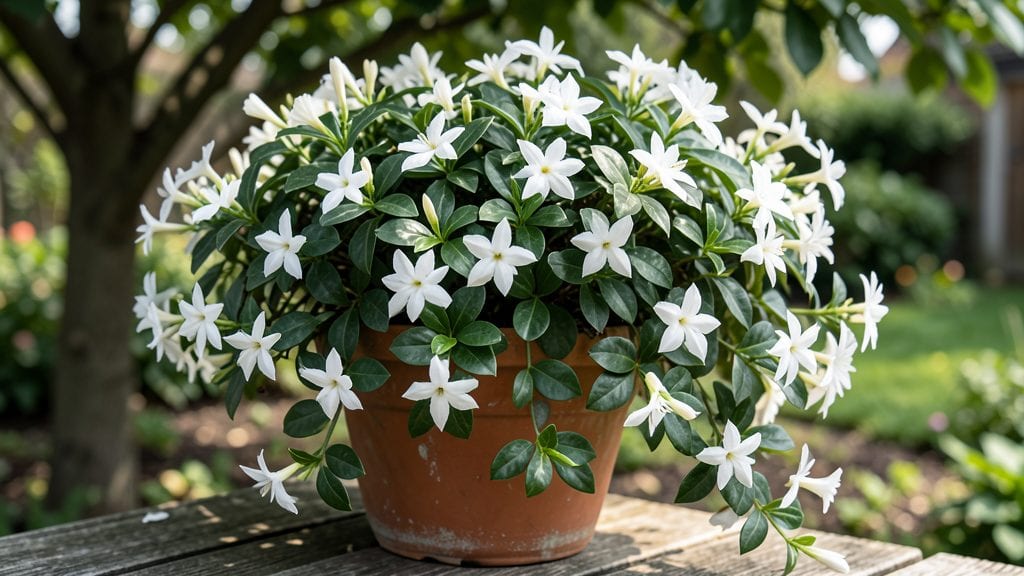
The jasmine flower tree’s intoxicating scent in your garden isn’t just a dream—it’s a pruning secret away. I’ve turned my once-sparse Trachelospermum jasminoides into a fragrant, blooming powerhouse by mastering the timing and technique of cuts.
The key? Pruning isn’t about hacking branches—it’s about encouraging new growth where the flowers will appear.
You’ll need sharp pruners, a ladder (for higher branches), and a clear morning to work—jasmine blooms best when cut back after the last frost but before new shoots appear. Most varieties thrive with light pruning in late winter and a second trim after flowering to shape the plant.
The goal? Open up the center so sunlight reaches all the branches, which is where those creamy-white blossoms love to form.
What you’ll end up with is a jasmine tree that smells like a Mediterranean vacation year-round. The flowers multiply, the scent intensifies, and the plant stays dense enough to climb trellises or spill beautifully over fences.
Even if you’ve never pruned before, this method is foolproof—just follow the seasonal cues, and your jasmine will reward you with blooms from spring through fall.
Works for both star jasmine (Trachelospermum) and climbing varieties like Jasminum officinale, though the timing tweaks slightly depending on your zone. Let’s get those shears out and turn your jasmine into the fragrant star of the garden!
📚 In This Guide
- What you need
- Instructions
- Tips and common mistakes
- Wrapping up and next steps
What you need
- ● Pruning shears: Bypass pruners (sharp, clean, and sterilized with rubbing alcohol to prevent disease). Tip: Choose a pair with ergonomic grips for comfort during long sessions!
- ● Loppers: For thicker branches (½" to 2" in diameter). Look for bypass-style loppers with a 10-12" cutting range.
- ● Hand pruners: Anvil-style for small twigs (Pro tip: Avoid anvil pruners for jasmine—they crush stems, slowing healing!
- ○ Garden saw: Optional but handy for branches thicker than 2". A bow saw or pruning saw with a fine-tooth blade works best.
- ● Disposable gloves: Nitrile or leather gloves (thick enough to protect from thorns but breathable for comfort).
- ● Rubbing alcohol (70% or higher): 1 small bottle to sterilize tools between cuts.
- ○ Pruning sealant: Optional but helpful for large cuts (1 small tube). Use a latex-based sealant for jasmine.
- ● Trash bags or bucket: For collecting debris (1-2 large bags or a 5-gallon bucket).
- ● Weather: Prune on a dry, overcast day or early morning to reduce stress on the tree. Avoid pruning when frost or rain is forecasted within 24 hours.
- ● Timing: Plan to prune after flowering (late spring/early summer) for best results, but light shaping can happen year-round.
- ○ Safety gear: Safety glasses (optional but recommended if your tree has thorny varieties like Jasminum officinale).
- ● Ladder or stool: If your tree is taller than 6 feet, use a stable, 3-sided ladder (never a step ladder for high branches!).
- ● Sharpener: A file or sharpening stone to maintain tool edges between uses.
Step-by-Step instructions for pruning a jasmine flower tree
Reviving your jasmine’s blooming potential starts with precise cuts and timing.
Identify the Right Season for Pruning
Jasmine trees bloom best when pruned just after their spring flowering cycle, typically in late April to early May. This timing ensures you don’t accidentally remove next year’s flower buds, which form on old wood. If your jasmine blooms in late summer or fall, wait until early spring before buds swell to prune.
Look for clusters of spent blooms—these are your visual cue. Once they’ve faded completely but new growth hasn’t yet emerged, it’s time to act. Avoid pruning during active blooming periods, as this can stress the plant and reduce flower production.
Gather Tools and Prepare the Workspace
Use clean, sharp pruning shears (sterilized with rubbing alcohol) to make precise cuts without tearing the bark. Disposable gloves protect your hands from thorns and sap. Lay out a tarp or old sheet below the tree to catch debris—jasmine leaves and twigs make a mess when they fall.
Inspect the tree for dead, diseased, or crossing branches first. These should be removed immediately, regardless of season. Clear the workspace of any obstacles, and work on a dry day to minimize sap splatter, which can stain clothing and tools.
Remove Dead and Problematic Branches
Start by cutting out any dead, diseased, or damaged branches at their point of origin. These are easy to spot—they’re brown, brittle, or lack leaves. Cut at a 45-degree angle just above a outward-facing bud or lateral branch to encourage healthy regrowth.
Next, address crossing or rubbing branches—these compete for sunlight and nutrients, weakening the tree. Remove the weaker of the two branches, cutting back to a bud or lateral branch. Avoid leaving stubs; clean cuts heal faster and reduce the risk of infection.
Shape the Tree for Airflow and Light
Step back and assess the tree’s structure. Jasmine thrives with open, airy growth, so aim to thin out dense areas by removing 10-20% of the total foliage. Focus on inner branches that block light from reaching the center—this encourages blooming along the entire plant, not just the outer edges.
For climbing jasmine varieties, prune to 3-4 main stems to maintain strength. Cut back long, leggy branches by one-third to promote bushier growth. Avoid heavy pruning in one session; spread it over 2-3 days if the tree is large to reduce stress.
Post-Pruning Care for Revived Blooms
After pruning, apply a balanced fertilizer (10-10-10 ratio) around the base of the tree to replenish nutrients lost during cutting. Water deeply to help the plant recover, ensuring the top 6 inches of soil are moist but not waterlogged. Mulch with 2-3 inches of organic mulch to retain moisture and regulate soil temperature.
Monitor the tree for new growth within 4-6 weeks. If you notice yellowing leaves or slow recovery, reduce watering slightly—jasmine is drought-tolerant once established and prefers slightly dry conditions over soggy soil. Prune again lightly in late summer to shape and encourage fall blooms, if applicable to your variety.
Tips & tricks for perfect jasmine flower tree pruning
Reviving your jasmine’s fragrance and beauty takes more than just cutting branches—it’s about strategic timing and technique that most gardeners overlook.
Seasonal Timing is Everything: The late April to early May window for spring-blooming jasmine isn't arbitrary—it coincides with when the plant has already set next year's flower buds. If you prune too early, you risk removing those buds entirely. For late-summer bloomers, early spring pruning gives the plant time to establish new growth before the blooming season. I learned this the hard way after accidentally pruning my jasmine during its peak bloom, which left me with sparse flowers the following year.
Precision Cuts Encourage Regrowth: When removing branches in Step 3, always make your cuts at a 45-degree angle just above an outward-facing bud. This isn't just for aesthetics—it directs the plant's energy toward new growth in the right direction. I've seen many gardeners leave stubs or cut too close to the trunk, which creates entry points for disease. The clean cut also helps the wound seal faster, reducing stress on the plant.
Thinning Strategy for Maximum Blooms: The 10-20% foliage reduction in Step 4 might seem drastic, but it's crucial for airflow and light penetration. Dense growth leads to fewer flowers because the plant focuses energy on maintaining leaves rather than producing blooms. I recommend working in sections—start with the thickest areas first. For climbing varieties, maintaining 3-4 main stems creates a stronger structure that can support more flowers.
Post-Pruning Recovery Plan: After all that cutting, the 10-10-10 fertilizer ratio isn't just random numbers—it provides balanced nutrition to help the plant recover. The 6-inch deep watering ensures moisture reaches the roots without creating waterlogged conditions. I've found that adding 2-3 inches of organic mulch right after pruning helps maintain consistent soil moisture and temperature, which is especially important during the critical 4-6 week recovery period.
Pro Tips for Jasmine Flower Tree
- Reviving your jasmine’s fragrance and beauty takes more than just cutting branches—it’s about strategic timing and technique that most gardeners overlook.
- Seasonal Timing is Everything: The late April to early May window for spring-blooming jasmine isn't arbitrary—it coincides with when the plant has already set next year's flower buds.
- Precision Cuts Encourage Regrowth: When removing branches in Step 3, always make your cuts at a 45-degree angle just above an outward-facing bud.
Frequently asked questions
When is the best time to prune a jasmine flower tree?
The ideal time to prune is late winter or early spring, just before new growth begins. This helps stimulate fresh blooms while avoiding cold snaps. For mild climates, a light pruning after flowering (summer) can encourage more flowers. Avoid heavy pruning in fall—it may stress the tree before winter.
How much can I prune my jasmine tree without harming it?
You can safely remove up to one-third of the tree’s foliage in a single session. Focus on shaping, thinning out crowded branches, and cutting back leggy growth to the nearest bud or branch junction. Over-pruning (more than ⅓) can weaken the tree or reduce flowering. If unsure, start conservatively and observe the tree’s response.
Why isn’t my jasmine tree flowering as much as it used to?
Lack of blooms often stems from over-fertilizing with high-nitrogen fertilizer, which promotes leafy growth over flowers. Prune to improve airflow, ensure it gets 6+ hours of sunlight daily, and fertilize lightly with a balanced bloom booster (like 10-10-10) in early spring. Stress from drought or pests can also reduce flowers.
Can I prune a jasmine tree in summer, and will it still bloom?
Yes! Light pruning in mid-to-late summer (after the first flush of flowers) can encourage a second bloom cycle. Avoid heavy cuts—stick to trimming dead or overgrown branches. Water deeply post-pruning to help the tree recover. Just be mindful: summer pruning may delay fall blooms slightly in cooler climates.
What’s the best alternative if my jasmine tree keeps dying after pruning?
If your jasmine struggles with pruning, consider hardier varieties like Jasminum officinale (common jasmine) or Jasminum sambac (Arabian jasmine), which tolerate pruning better. Alternatively, opt for mock orange (Philadelphus) or gardenia—both bloom reliably with minimal fuss. Always check soil drainage and sunlight before replanting!
Still stumped? Drop your jasmine pruning woes in the comments—we’re happy to help!
Wrapping up and next steps
Your jasmine flower tree is now ready to thrive with year-round blooms and lush growth! 🌸 Pruning isn’t just about trimming—it’s an art that rewards patience and care. By following these steps, you’ve set the stage for a fragrant, vibrant tree that will be the star of your garden.
Ready to take it further? Monitor your tree’s progress and adjust your pruning routine as needed—whether that means fine-tuning timing or experimenting with techniques. Share your blooming success with fellow gardeners or even tag us in your photos! 🌿✨