Planting
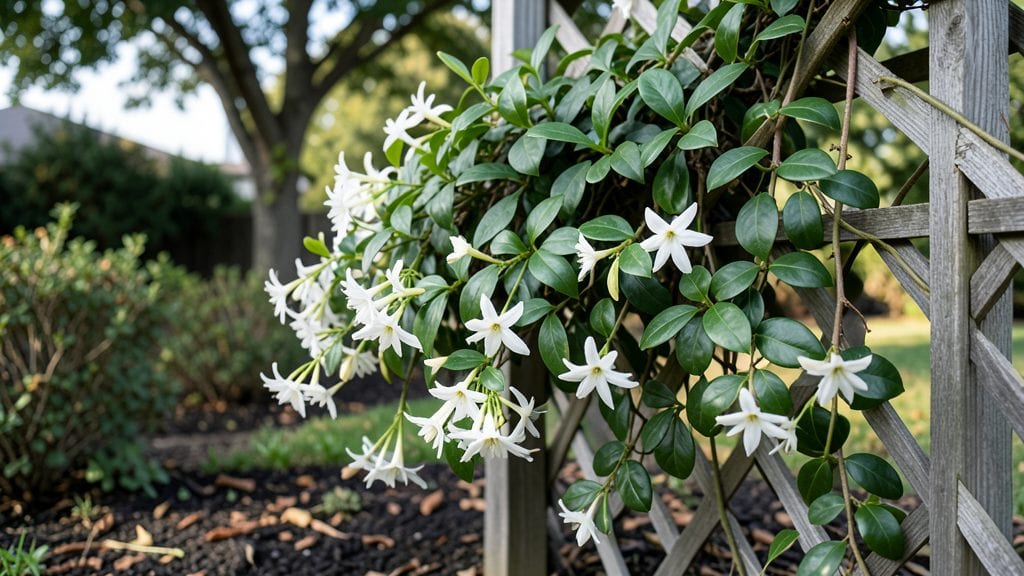
The star jasmine flower plant (Trachelospermum jasminoides) is the Pacific Northwest’s secret weapon for fragrant gardens—its intoxicating scent and hardy nature make it a standout climber that actually thrives in cooler climates. 🌿 I’ve grown mine against a shady fence for three years now, and the difference between a struggling vine and one that bursts with glossy leaves and star-shaped white blooms comes down to a few key tricks.
Most gardeners assume these plants need heat, but they’re far more adaptable than their reputation suggests.
This evergreen vine handles partial shade beautifully, making it perfect for fences, trellises, or even container training in small spaces. The soil needs to drain well but doesn’t require constant moisture—overwatering is the real enemy here.
My plant gets about an inch of water weekly, and I’ve never had to fertilize beyond a light spring feeding. The real magic happens in late spring when those first clusters of star-shaped flowers open, filling the air with a jasmine-like fragrance that’s impossible to resist.
By summer’s end, you’ll have a lush, fragrant curtain that keeps blooming until frost. The glossy leaves stay vibrant even in winter, and with just a little pruning in early spring, your plant will reward you with even more growth.
It’s the kind of vine that turns heads—and noses—without demanding constant attention. Let’s get yours thriving in your own garden.
Whether you’re training it up a trellis or letting it spill over a container, star jasmine adapts to almost any spot. The key is patience—it grows slowly at first but becomes a sturdy, long-lived climber once established.
In my zone 8 garden, it even survives the occasional frost without flinching. Ready to add this fragrant beauty to your space?
📚 In This Guide
- What you need
- Instructions
- Tips and common mistakes
- Wrapping up and next steps
What you need
- ● Star jasmine plant: 1 nursery-grown plant (preferred for faster results) or seeds (slower but fun!). Pro tip: 💡 Choose a healthy, disease-free specimen with vibrant green leaves.
- ● Well-draining potting mix: 2-3 bags (1 cubic foot each) of a blend designed for acid-loving plants or add perlite/peat moss (1 part perlite to 3 parts soil) for better drainage.
- ● Container or garden bed: For containers: 1-2 large pots (12-15 inches deep) with drainage holes.
- ● For in-ground planting: A sunny spot (6+ hours of light) with loose, well-draining soil. Amend heavy clay soil with compost (1 part compost to 3 parts native soil).
- ● Fertilizer: 1 slow-release granular fertilizer (10-10-10 or 20-20-20, 1-2 tbsp per plant) or organic options like fish emulsion or worm castings.
- ● Mulch: 1-2 bags of organic mulch (e.g., cedar chips or pine bark) to retain moisture and regulate soil temperature.
- ● Garden trowel or shovel (for planting).
- ● Pruning shears (sterilized with rubbing alcohol) for trimming.
- ○ Gloves (optional but recommended for handling soil or thorny supports).
- ● Watering can or hose with a gentle spray nozzle.
- ○ Trellis, arbor, or fence (optional but ideal for climbing varieties—choose a sturdy structure like a metal trellis or wooden arbor, 6+ feet tall).
- ● Sunlight: Full sun to partial shade (4-6 hours of direct sunlight daily). Pro tip: 🌡️ In the PNW’s cooler climate, morning sun + afternoon shade works best.
- ● Watering schedule: Keep soil consistently moist (but not soggy) for the first 2-3 weeks, then water deeply 1-2 times per week (adjust for rain).
- ● Patience: Star jasmine grows slowly—expect fragrant blooms in 2-3 years if started from seed, or 1 season from a nursery plant!
How to plant and care for star jasmine in the Pacific Northwest
This fragrant climber loves the region’s cooler weather—here’s how to set it up for success.
🌱 Step 1: Choose the Right Location and Planting Time
Star jasmine thrives in partial shade to full sun, but in the Pacific Northwest, I recommend morning sun and afternoon shade to protect it from intense afternoon rays. The best time to plant is in early spring after the last frost, when the soil warms to 50-60°F. This gives roots time to establish before summer heat arrives.
If you’re planting in fall, do it 6-8 weeks before the first frost to allow roots to settle. Avoid planting during summer heat—transplanted plants struggle when stressed by both root disturbance and high temperatures. Dig a hole twice as wide as the root ball but only as deep as the container it came in. Amend the native soil with a handful of compost to improve drainage and fertility.
☀️ Step 2: Provide Support and Prune for Bushier Growth
Star jasmine is a vigorous climber, so install a trellis, arbor, or fence within 3-4 feet of the planting site before you put the plant in. I use a 6-foot tall metal trellis for mine—it’s sturdy enough to support the weight of the vines once they’re fully grown. Tie the main stems loosely to the support with soft plant ties to avoid damaging the bark.
Prune in late winter or early spring before new growth begins. Cut back one-third of the previous year’s growth to encourage bushier, more fragrant blooms. Remove any dead, diseased, or crossing branches first—this improves airflow and reduces pests. Here’s the thing: star jasmine blooms on new wood, so don’t prune too late in the season. Wait until after the last frost to avoid cutting off potential flower buds.
💧 Step 3: Water and Mulch for Consistent Moisture
Water deeply once a week during the first growing season to encourage deep root growth. After that, star jasmine is drought-tolerant once established, but it appreciates 1 inch of water per week during dry spells. The key is consistent moisture—don’t let the soil dry out completely, but avoid soggy conditions. You’ll know it’s time to water when the top 2 inches of soil feel dry to the touch.
Apply a 3-inch layer of mulch (like shredded bark or wood chips) around the base of the plant, keeping it 6 inches away from the trunk. Mulch helps retain moisture, regulate soil temperature, and suppress weeds. Replenish the mulch layer once a year in early spring to maintain its effectiveness. Avoid piling mulch against the stem—this can cause rot.
✂️ Step 4: Fertilize and Encourage Blooms
Feed star jasmine in early spring with a balanced, slow-release fertilizer (like 10-10-10) applied according to package instructions. I also mix in a handful of bone meal to boost phosphorus, which promotes flowering. Avoid high-nitrogen fertilizers—they encourage leafy growth at the expense of fragrant blooms.
For extra fragrance, give the plant a light trim after flowering to shape it and remove spent blooms. This encourages a second flush of flowers in late summer. Star jasmine is low-maintenance, but a little attention goes a long way. Watch for yellowing leaves—this usually means overwatering or poor drainage. Adjust your watering schedule and check the soil’s drainage if you notice this.
🪴 Step 5: Protect from Frost and Pest Issues
In the Pacific Northwest, star jasmine can handle light frosts, but a hard freeze can damage the foliage. If temperatures drop below 20°F, cover the plant with a frost blanket or burlap. Remove the cover once temperatures rise above freezing. The plant will bounce back with new growth in spring.
Keep an eye out for aphids or spider mites, which can suck the sap from new growth. Spray the plant with a hose to dislodge pests, or treat with neem oil if infestations persist. I’ve found that healthy, well-watered plants are less susceptible to pests, so consistent care is your best defense.
Tips & tricks for perfect star jasmine planting
Between us, getting star jasmine to thrive in the Pacific Northwest takes a few key tricks—especially when it comes to timing and placement. These small adjustments make all the difference.
Location is Everything: While star jasmine handles partial shade to full sun, the PNW’s intense afternoon rays can scorch delicate leaves. I’ve found the sweet spot is morning sun exposure (at least 4-6 hours) paired with afternoon shade—this prevents leaf burn while still giving your plant enough light for robust growth. If you’re working with a sunny yard, position it where late afternoon shade naturally falls, like near a tall evergreen or under a deciduous tree that sheds leaves in summer.
Soil Temperature Matters: The instructions mention planting when soil reaches 50-60°F, but here’s what nobody tells you—actually test your soil temperature with a thermometer. Cold, damp soil can stunt root growth even if the air feels warm. I dig a small hole, fill it with water, then check the temperature after 10 minutes. If it’s below 50°F, wait a few more days. For fall planting, aim for soil temps above 55°F to give roots time to establish before winter arrives.
Pruning Strategy for More Blooms: The instructions recommend cutting back one-third of last year’s growth in late winter, but timing is everything. I prune just after the last frost when new growth begins to emerge—this ensures you’re not cutting off potential flower buds. For even bushier growth, make your cuts at a 45-degree angle about ¼ inch above a leaf node. This encourages branching and more fragrant blooms. Pro tip: Use clean, sharp pruners to avoid crushing stems, which can invite disease.
Mulch Like a Pro: That 3-inch layer of mulch isn’t just for looks—it’s a moisture regulator. In the PNW’s rainy winters, mulch prevents soil compaction from foot traffic, while in summer it keeps roots cool. I use cedar mulch because it naturally repels pests and adds a pleasant aroma. Just remember to pull it back 6 inches from the trunk to prevent rot. Replenish it every spring before new growth begins—this gives your plant a consistent moisture buffer all season.
Pro Tips for Star Jasmine Flower Plant
- Between us, getting star jasmine to thrive in the Pacific Northwest takes a few key tricks—especially when it comes to timing and placement.
- Location is Everything: While star jasmine handles partial shade to full sun, the PNW’s intense afternoon rays can scorch delicate leaves.
- Soil Temperature Matters: The instructions mention planting when soil reaches 50-60°F, but here’s what nobody tells you—actually test your soil temperature with a thermometer.
Frequently asked questions
Got questions about growing star jasmine in your Pacific Northwest garden?
Here are answers to the most common ones—so you can enjoy its sweet fragrance without the guesswork!
How fast does star jasmine grow, and how big does it get?
Star jasmine grows moderately fast—expect 12–24 inches per year under ideal conditions. Mature plants typically reach 10–20 feet tall when trained on a trellis, fence, or arbor. In the PNW’s cooler climate, growth may slow slightly in winter but rebounds in spring.
Can star jasmine survive PNW winters, or do I need to protect it?
Good news! Star jasmine is hardy to USDA Zones 7–10, making it perfect for the PNW’s mild winters. While it may lose leaves in freezing temps, it’s evergreen in warmer zones and regrows quickly in spring. No winter protection is needed unless you’re in a rare hard freeze zone—just mulch lightly for extra insulation.
What’s the best way to prune star jasmine for more flowers?
Prune in late winter or early spring (before new growth starts) to shape the plant and encourage blooms. Cut back overgrown stems by ⅓ to promote bushier growth. Avoid heavy pruning after flowering, as it can reduce next year’s blooms. Use clean, sharp shears to prevent disease!
Why aren’t my star jasmine leaves turning green, and what’s wrong?
Yellowing or pale leaves often signal nutrient deficiency (usually nitrogen or iron) or overwatering. Check soil moisture—star jasmine prefers well-draining soil and wilts if soggy. Amend soil with compost and fertilize lightly in spring. Pests like spider mites can also stress the plant—spray with water or neem oil if needed.
Can I grow star jasmine in a container, or does it need to be planted in the ground?
Yes! Star jasmine thrives in large containers (15+ gallons) with drainage holes, making it great for patios or balconies. Use a light, airy potting mix and water when the top inch feels dry. Train it on a trellis or cage for vertical growth. Just repot every 2–3 years to refresh the soil.
Pro Tip:
For extra fragrance, plant star jasmine near seating areas, windows, or walkways. Its sweet, jasmine-like scent peaks at dusk and dawn, so enjoy it during evening strolls!
Wrapping up and next steps
The star jasmine flower plant is a fragrant, low-maintenance gem that brings charm and sweet scents to your Pacific Northwest garden—even in cooler climates! 🌿 With its hardy nature, easy care, and stunning blooms, it’s the perfect climber for adding beauty and tranquility to any space.
Whether you’re a seasoned gardener or just starting, this resilient plant rewards patience with months of intoxicating fragrance.
Ready to transform your outdoor space? Start by gathering your supplies and follow the steps to plant your star jasmine today—your garden (and senses!) will thank you. Happy gardening! 🌸