
Planting
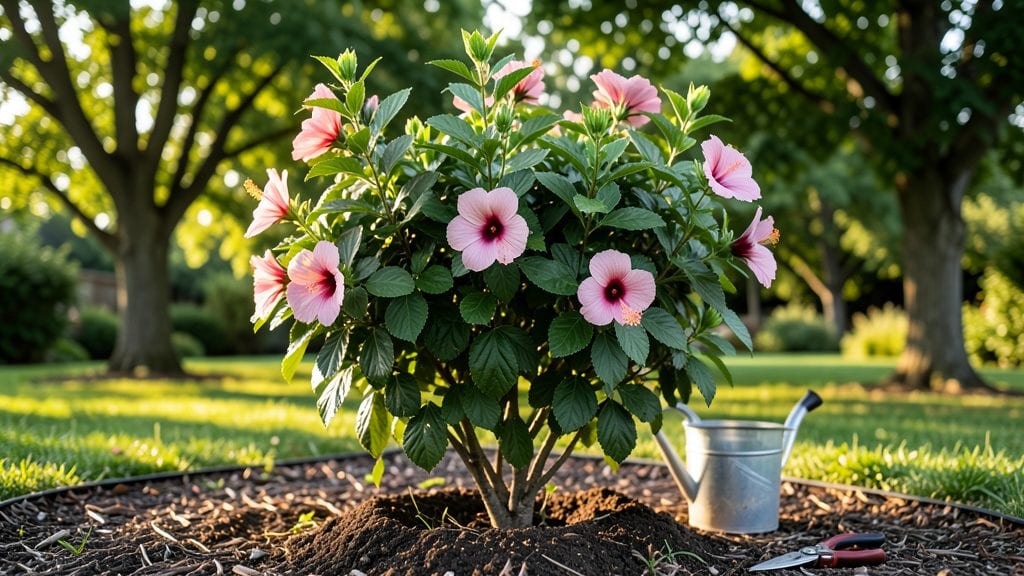
Nothing says "welcome to the garden" like a large flowering plant standing tall against the Pacific Northwest’s misty backdrop. 🌿 These vertical pollinator magnets—think towering hibiscus, sun-kissed sunflowers, or bold cannas—transform any space into a living sculpture while feeding bees and butterflies.
I’ve learned the hard way that placement matters: too close to the house, and you’ll be cleaning up petals everywhere; too far, and they’ll get lost in the shrubbery.
The secret to making them work? Pair them with 3-5 foot companions—like lavender or ornamental grasses—to soften their dramatic height. In containers, choose pots with 12-inch diameter or larger to give roots room to spread, and elevate them on stands for that "garden room" effect.
These plants thrive in full sun, but in the PNW’s dappled light, a little afternoon shade keeps foliage lush without sacrificing blooms.
Imagine this: your front yard’s centerpiece, a 10-foot hibiscus, bursting with pink blooms by July, its leaves rustling in the breeze while hummingbirds dart between the flowers. Or a sunflower border that starts at 5 feet and stretches to 12 by August, its golden domes nodding in the wind.
The key is seasonal layering—plant early bloomers like lupines in spring, mid-season stars like cannas in summer, and late-season showstoppers like asters in fall.
For small spaces, try dwarf varieties or prune aggressively (yes, it works!). In larger gardens, let them grow wild—just stake them if winds get fierce. The PNW’s damp climate means fewer pests, so focus on watering deeply 2-3 times a week once established.
Your garden will become a pollinator paradise, and your neighbors will ask, "What’s that gorgeous plant?" every summer.
📚 In This Guide
- What you need
- Instructions
- Tips and common mistakes
- Wrapping up and next steps
What you need
- ● Large flowering plant: Choose a native PNW species like Ceanothus (California Lilac), Spiraea (Hardhack), or Lupinus (Lupine). Ensure it’s at least 6+ feet tall at maturity.
- ● Container or trellis: Container: A 15+ gallon pot (for potted plants) with drainage holes.
- ● Trellis/Vertical support: A 6-8 ft tall, sturdy metal or wooden trellis (e.g., blank">obelisks or blank">cage-style supports).
- ● High-quality potting mix: 6-8 cubic feet of well-draining mix (e.g., 50% native soil, 30% compost, 20% perlite/pumice).
- ● Slow-release fertilizer: 1-2 cups of balanced (10-10-10) or native-plant-specific fertilizer (e.g., Espoma Native-Tone).
- ● Mulch: 2-3 inches of cedar chips or straw mulch to retain moisture.
- ● Garden tools: Trowel or shovel
- ● Pruners (sterilized)
- ● Gloves (for handling thorns or soil)
- ● Watering supplies: Hose with gentle spray nozzle or drip irrigation kit
- ● Watering can (for containers)
- ● Support materials: Soft ties or jute twine (to secure plants to trellises)
- ● Stakes (if needed for young plants)
- ○ Optional (but helpful!): Soil pH tester (PNW plants often prefer acidic to neutral soil)
- ● Pollinator-friendly companion plants (e.g., Salvia or Yarrow)
- ● Decorative rocks or bark for aesthetics
Step-by-step guide for cultivating towering vertical pollinator plants
Here's how to create a thriving vertical garden that attracts bees and butterflies while adding dramatic height to your Pacific Northwest landscape.
🌱 Step 1: Select and Prepare the Planting Site
Choose a sunny, sheltered location with at least 6 hours of direct sunlight daily—critical for pollinator-friendly blooms. The Pacific Northwest's mild climate means you can plant in early spring once soil temperatures reach 50°F. Clear the area of weeds and loosen the soil to a depth of 12 inches, incorporating 2 inches of compost for nutrient-rich growth.
For vertical support, install 4-6 foot tall sturdy stakes or a metal trellis frame at the planting site. Drive stakes 12 inches deep for stability, especially important in windy coastal areas. Space them 3 feet apart to create a strong framework for your towering plants. Here's the thing—wind resistance matters: secure stakes with 3-foot long metal rods tied at the top for extra support.
🌿 Step 2: Choose and Plant Pollinator-Friendly Species
Select tall, native varieties like giant fleeceflower (Persicaria polymorpha), tall garden phlox (Phlox paniculata), or Russian sage (Perovskia atriplicifolia)—all thrive in PNW conditions and reach 5-7 feet tall. Dig holes twice as wide as the root ball but only as deep to prevent burying the stem.
Place each plant 18-24 inches from the support structure, then backfill with native soil mixed with 1 cup of bone meal for phosphorus boost. Water deeply until the soil is saturated to 12 inches deep. I always add mulch around the base—3 inches thick—to retain moisture and suppress weeds. Here's what I do: use cedar chips because they resist rot better than straw in damp climates.
☀️ Step 3: Train and Support Vertical Growth
As plants reach 12-18 inches tall, gently tie the main stems to the support structure using soft plant ties. Never use wire or anything that can cut into the stems—flexible fabric ties work best. Space ties every 12 inches up the plant to distribute weight evenly.
For bushier growth, pinch back the top 2-3 inches of new growth when plants are 18-24 inches tall. This encourages lateral branching, creating more flower clusters that pollinators love. Watch for new side shoots—these are your signal that pruning worked. Real talk: if you skip this, you'll get one tall stem with sparse blooms at the top.
💧 Step 4: Water and Fertilize for Maximum Bloom
Water deeply 2-3 times per week during the first growing season, ensuring moisture reaches 12 inches deep. In the Pacific Northwest, morning watering prevents fungal issues from evening dampness. Once established, these plants tolerate drought but produce fewer blooms if water-stressed.
Fertilize once in early spring with 5-10-10 fertilizer (following package rates) to promote leafy growth, then switch to low-nitrogen, high-phosphorus (like 2-10-10) when buds form. Here's the trick: stop fertilizing after mid-summer—late-season feeding encourages tender new growth that won't survive winter.
✂️ Step 5: Prune and Maintain for Season-Long Blooms
Deadhead spent flowers weekly to encourage continuous blooming. Cut back 1/3 of the oldest stems in early spring to rejuvenate growth. For perennial varieties, cut back all stems to 6 inches in late fall after the first frost—this prevents winter dieback and promotes fresh spring growth.
Monitor for aphids or spider mites, common in PNW gardens. Spray infested areas with neem oil solution (1 tbsp per gallon of water) in the evening to avoid harming pollinators. I know it seems counterintuitive to spray when you're trying to attract bees, but neem oil breaks down quickly and won't harm them after application dries.
Tips & tricks for Pacific Northwest vertical pollinator gardens
These tried-and-true strategies will help you cultivate a thriving vertical garden that stands tall and attracts pollinators all season long.
Site Selection Wisdom: The 6 hours of direct sunlight requirement is non-negotiable for pollinator success—these plants need full sun to produce abundant blooms. In coastal areas, morning sun is ideal as it reduces afternoon wind exposure. I always check sunlight patterns for at least 2 weeks before planting to ensure consistency. If your site gets afternoon shade, consider placing taller plants toward the north side of the structure to prevent shading.
Support Structure Reinforcement: When installing your 4-6 foot tall stakes or trellis, use a post-hole digger> to create holes 12 inches deep—this prevents shifting in windy conditions. For extra stability, I add concrete footings> at the base of each stake (just a small amount in the bottom of the hole). This simple step keeps your vertical garden standing strong even in PNW's gusty coastal breezes.
Pruning Technique: The pinch back method in Step 3 works best when you remove just the top set of leaves (about 2-3 inches) rather than cutting into the stem. This encourages branching from lower nodes, creating a fuller plant. I always use clean, sharp pruners to avoid damaging stems. For Russian sage, you can pinch back as late as June>—it's more forgiving than fleeceflower, which responds best to early pruning.
Fertilizer Timing: The transition from 5-10-10 to 2-10-10 fertilizer is crucial for blooming. I apply the first dose of 2-10-10 when I see buds forming>—usually 6-8 weeks after planting>. The key is to stop fertilizing by mid-summer> (around July 15th) to harden off new growth before winter. Too much late-season feeding can make plants vulnerable to frost damage.
Pro Tips for Large Flowering Plant
- These tried-and-true strategies will help you cultivate a thriving vertical garden that stands tall and attracts pollinators all season long.
- Site Selection Wisdom: The 6 hours of direct sunlight requirement is non-negotiable for pollinator success—these plants need full sun to produce abundant blooms.
- Support Structure Reinforcement: When installing your 4-6 foot tall stakes or trellis, use a post-hole digger> to cre...
Frequently asked questions
Got questions about growing large flowering plants in the Pacific Northwest? You’re not alone! Here are answers to the most common concerns—from timing to troubleshooting—so you can create a thriving vertical pollinator haven with confidence.
What are the best large flowering plants for the Pacific Northwest?
Top picks include Echinacea purpurea (coneflower), Rudbeckia fulgida (black-eyed Susan), and Achillea millefolium (yarrow). These thrive in PNW’s mild, wet climate and attract pollinators like bees and butterflies. For vertical growth, try Clematis or Hydrangea petiolaris on trellises or fences.
When is the best time to plant large flowering plants in the PNW?
Plant bare-root or container-grown species in early spring (March–April) or fall (September–October). This gives roots time to establish before summer heat or winter frost. Avoid planting in late summer—new growth may not harden off before cold snaps.
How often should I water large flowering plants?
Water deeply 1–2 times per week during the first growing season to encourage deep root growth. Once established, most large perennials tolerate moderate drought, but mulch (2–3 inches) to retain moisture. Pro tip: Water at the base, not overhead, to prevent fungal diseases.
What if my large flowering plant isn’t blooming?
Common culprits: over-fertilizing (too much nitrogen = leafy growth, no flowers), poor sunlight (6+ hours of sun is ideal), or stress (drought, transplant shock). Try deadheading spent blooms and feeding with low-nitrogen, high-phosphorus fertilizer in early spring.
Can I grow large flowering plants in containers?
Yes! Choose large pots (15+ gallons) with drainage holes and use a well-draining soil mix. Dwarf varieties like Hydrangea ‘Endless Summer’ or Salvia nemorosa work well. Pro tip: Move containers to partial shade in peak summer to prevent wilting.
Wrapping up and next steps
Transforming your Pacific Northwest garden into a vibrant pollinator haven with large flowering plants is a rewarding journey that benefits both your space and local ecosystems! 🌸 These towering beauties not only add dramatic height and texture but also support bees, butterflies, and hummingbirds—making your yard a thriving hub of life.
Whether you’re drawn to towering Delphiniums, striking Hollyhocks, or the bold Foxglove, the key is choosing plants that thrive in your region’s climate and soil.
Ready to take the next step? Start small—pick one or two showstopper varieties to test in a sunny, well-drained spot, and watch your garden bloom into a vertical paradise. Happy planting! 🌿✨