
Lawn
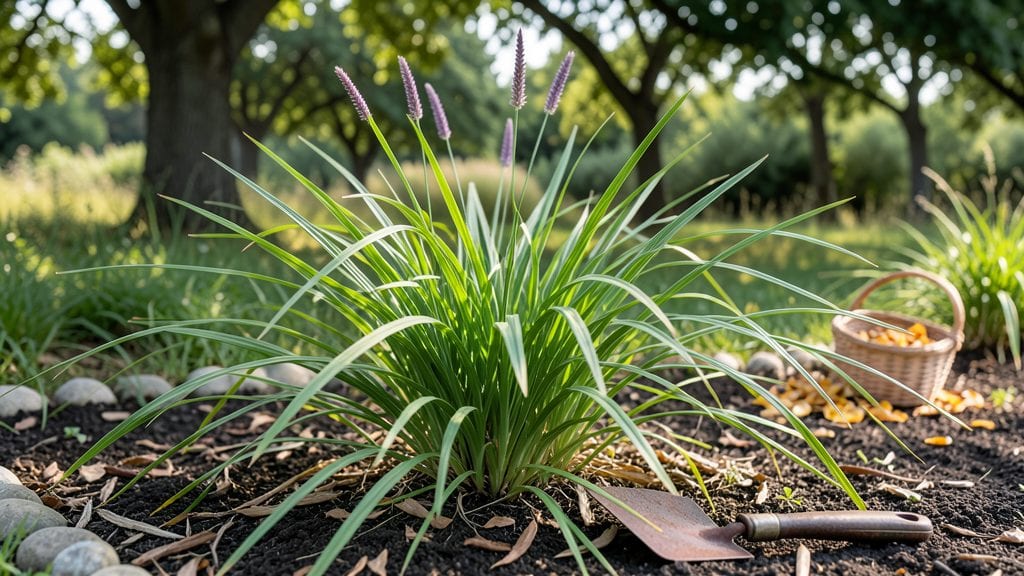
Growing lemon grass flowers transforms your garden into a fragrant citrus paradise. 🌿 The delicate blooms may be rare in stores, but with the right care, you can coax them to life—adding both beauty and an intoxicating aroma to your outdoor space.
I’ve learned that patience is key, as these flowers often take a full year to appear, but the reward is worth it.
The secret starts with well-draining soil and a sunny spot—think at least 6 hours of sunlight daily. Lemon grass thrives in warm climates but can adapt to containers if you live in cooler zones.
Water consistently, keeping the soil moist but never soggy, and watch as the grassy stalks grow tall and sturdy. Most gardeners focus on the leaves, but with a little extra attention, you can encourage those prized blooms.
When flowering season arrives, you’ll be greeted with small, pale purple or white blossoms that release a subtle citrus scent. While the flowers aren’t typically edible, they attract pollinators and add a unique charm to arrangements.
The real magic? The entire plant—leaves, stalks, and blooms—releases that signature lemony fragrance when brushed against, making it a sensory delight.
Whether you’re growing lemon grass for its culinary uses or just love its scent, flowering is the cherry on top. With a few adjustments—like fertilizing lightly in spring and avoiding overcrowding—you’ll have a thriving plant that keeps giving year after year. Ready to turn your garden into a fragrant escape?
📚 In This Guide
- What you need
- Instructions
- Tips and common mistakes
- Wrapping up and next steps
What you need
- ● Lemon grass (Cymbopogon citratus) plants or seeds: 3–5 healthy starter plants (for faster results) or 10–15 seeds (if growing from scratch). Choose organic or nursery-grown options.
- ● Well-draining potting mix or garden soil: 10–15 lbs of a blend with perlite or sand (for pots) or enrich your garden bed with compost (for in-ground planting).
- ○ Containers (optional but helpful): 5–10-inch diameter pots with drainage holes (if growing in containers). Use at least 2–3 pots per plant for better airflow.
- ● Organic fertilizer: A balanced 10-10-10 or citrus-specific fertilizer (1–2 lbs per plant). Slow-release options work best.
- ● Watering can or hose with a gentle spray nozzle: Lemon grass hates soggy roots—avoid overwatering!
- ○ Gloves (optional): Protect your hands from soil and sharp grass edges.
- ● Trowel or small shovel: For transplanting or digging holes (3–4 inches deep for seeds, 12+ inches for plants).
- ● Pruning shears: To trim dead leaves or encourage bushier growth.
- ○ Mulch (optional): Straw or shredded leaves (1–2 inches) to retain moisture and suppress weeds.
- ● Sunlight access: A spot with 6+ hours of direct sunlight daily (partial shade in hot climates).
- ○ pH test kit (optional): Lemon grass thrives in slightly acidic to neutral soil (pH 6.0–7.0). Adjust with lime or sulfur if needed.
- ● Citrus peels or used coffee grounds: Sprinkle around the base to enhance the lemony scent.
- ● Eggshells (crushed): Adds calcium and deters pests.
- ● Companion plants: Try lavender or rosemary nearby—they love similar growing conditions!
Step-by-step guide to cultivating lemon grass flowers
Here's how to grow these fragrant citrus-scented blooms with minimal fuss.
🌱 Step 1: Select and Prepare the Right Growing Location
Lemon grass flowers thrive in warm climates with full sun exposure—at least 6-8 hours daily. Choose a spot where temperatures stay between 70-85°F during the day. If growing in containers, place them where they'll receive morning sunlight and afternoon shade in hotter regions.
I always test the soil first—these plants hate soggy roots. Amend heavy clay soil with 2-3 inches of compost or use a well-draining potting mix if planting in containers. The goal is soil that drains freely but retains enough moisture to keep roots happy.
🪴 Step 2: Plant Lemon Grass Cuttings or Seeds
For fastest results, use 3-4 inch cuttings from established plants. Dip the cut end in rooting hormone (optional but helpful) and plant in moist, well-draining soil about 1 inch deep. Space plants 12-18 inches apart to allow airflow and prevent fungal issues.
If starting from seed, sow them ¼ inch deep in warm soil (75-80°F). Cover lightly with soil and keep consistently moist until germination, which typically takes 2-4 weeks. Real talk: seeds can be finicky, so I often start with cuttings for reliable results.
☀️ Step 3: Maintain Consistent Watering and Fertilization
Water deeply 2-3 times per week, ensuring the top 2 inches of soil stay moist but not waterlogged. Lemon grass flowers dislike dry spells, so check soil moisture daily during hot weather. You'll know it's time to water when the soil feels dry to the touch.
Feed plants every 4-6 weeks with a balanced liquid fertilizer (10-10-10 ratio). I mix it at half-strength to avoid burning the roots. Stop fertilizing 2 months before the first frost if growing in colder climates—this helps the plant prepare for dormancy.
✂️ Step 4: Prune and Encourage Blooming
Deadhead spent flowers regularly to encourage more blooms. Use clean, sharp pruners to snip just above a leaf node. This redirects the plant's energy toward producing new flowers instead of seeding. I prune lightly every 2-3 weeks during the growing season.
If your lemon grass flowers aren’t blooming, they might need more sunlight. Move them to a sunnier spot or supplement with a grow light for 12-14 hours daily. Overcrowding can also stunt blooms, so thin plants if they start competing for space.
⏰ Step 5: Overwintering and Year-Round Care
In colder climates, lemon grass flowers may go dormant. Cut back foliage by ⅓ and mulch heavily with 2-3 inches of straw or leaves to insulate roots. Water sparingly during winter—just enough to keep the soil from drying out completely.
In warmer regions, these plants can bloom year-round. Just keep an eye on pests like aphids or spider mites. A neem oil spray every 4-6 weeks keeps them at bay without harming the plant. You'll know it's working when you see new growth and vibrant blooms.
Tips & tricks for perfect lemon grass flower cultivation
A few simple adjustments can transform your lemon grass flowers from struggling survivors to thriving, fragrant stars in your garden.
Sunlight Strategy: Those crucial 6-8 hours of daily sun are non-negotiable for lemon grass flowers. I've learned the hard way that afternoon shade is especially important in hotter regions—think of it as their built-in air conditioning. Consider using shade cloth (30-50% coverage) during peak summer afternoons if your area gets intense sunlight.
Soil Science: The 2-3 inches of compost recommendation isn't just about drainage—it's about creating a sponge-like environment that holds moisture without suffocating roots. For container growers, I swear by adding a handful of perlite to the potting mix. This creates tiny air pockets that prevent root rot while still allowing water to drain properly.
Watering Wisdom: When checking that top 2 inches of soil for moisture, I've found that using a moisture meter makes this much easier than guessing with my finger. The goal is consistently moist but never soggy—think of a well-wrung-out sponge. In extreme heat, you might need to water every other day instead of the standard 2-3 times per week.
Bloom Boost: The 2-3 week pruning schedule works wonders, but here's what nobody tells you—prune just after a rain shower. The fresh water helps the plant recover faster and reduces stress. Also, if you notice buds forming but not opening, try misting them lightly with water in the early morning. This can encourage those citrus-scented blooms to fully unfurl.
Pro Tips for Lemon Grass Flower
- A few simple adjustments can transform your lemon grass flowers from struggling survivors to thriving, fragrant stars in your garden.
- Sunlight Strategy: Those crucial 6-8 hours of daily sun are non-negotiable for lemon grass flowers.
- Soil Science: The 2-3 inches of compost recommendation isn't just about drainage—it's about creating a sponge-like environment that holds moisture without suffocating roots.
Frequently asked questions
Can lemon grass flowers grow indoors?
Yes! Lemon grass flowers thrive indoors with bright, indirect light (like a sunny windowsill) and well-draining pots. Ensure humidity levels stay moderate—mist leaves occasionally or use a pebble tray. Just avoid drafts, and you’ll enjoy fragrant blooms year-round!
How long does it take for lemon grass flowers to bloom?
With proper care, lemon grass flowers typically bloom 6–12 months after planting from seeds or cuttings. If grown from nursery plants, you might see flowers in 3–6 months. Patience is key—consistent sunlight and watering speed up the process!
What if my lemon grass flower isn’t blooming?
Try these fixes:
- More sunlight (6+ hours/day),
- balanced fertilizer (low nitrogen, high phosphorus), and
- pruning dead foliage to encourage new growth. Overwatering or poor drainage can also stunt blooms—check your soil’s moisture levels!
Are lemon grass flowers perennial or annual?
In warm climates (USDA Zones 9–11), lemon grass flowers are perennial and return yearly. In cooler regions, treat them as tender perennials—bring pots indoors before frost or replant annually. With care, they’ll reward you with seasonal fragrance!
Can I use lemon grass stems (not flowers) for cooking?
While the flowers are ornamental, the stems (especially the lower, tender parts) are prized in cooking. Use them fresh or dried in curries, teas, or soups. Just avoid the tough, woody upper sections—focus on the bright green, citrus-scented lower stems!
Wrapping up and next steps
Growing lemon grass flowers is a rewarding journey that brings fragrant citrus-scented blooms to your garden year-round! Whether you’re drawn to their unique aroma or their striking appearance, these plants thrive with the right care.
Start small—even a single pot can make a difference—and soon, your outdoor space will be filled with natural beauty and a refreshing scent.
Ready to take the next step? Experiment with different varieties or share your newfound knowledge with fellow gardeners! 🌱 Whether you’re a beginner or a seasoned pro, every bloom is a step toward a more vibrant, aromatic garden. Happy planting!