
Flowers
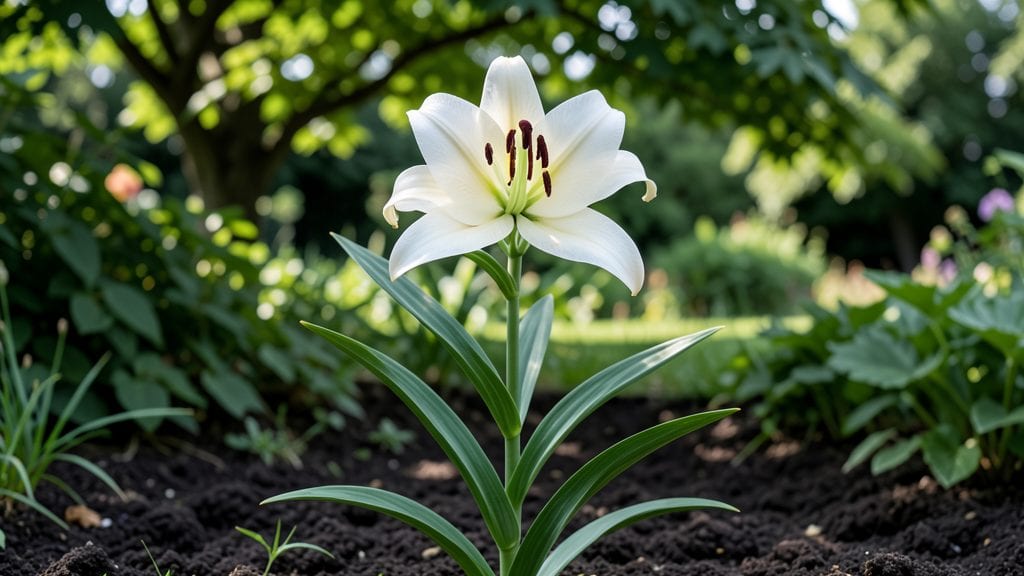
Understanding lily flower parts turns pruning from guesswork to precision. 🌸 Those elegant blooms hide secrets about how to coax more flowers, troubleshoot problems, and even propagate your lilies—if you know where to look.
The first time I saw a lily dissected, I realized why my plants kept underperforming: I'd been cutting the wrong parts.
Start with the stems—they're the plant's lifeline, supporting both blooms and the bulb below. Then come the tepals (what most call petals), which guard the reproductive bits: the stamens (with their pollen-rich anthers) and the pistil (the slender style topped by a stigma).
The bulb itself stores energy for next year's growth, so how you handle it after blooming makes all the difference.
When you recognize these parts, pruning becomes strategic. Snip spent blooms just above the first healthy leaf to redirect energy to the bulb. Save those anthers—rubbing them on fresh pistils can boost pollination for seed pods.
And if your lilies refuse to rebloom? The issue might be in how you're treating the stem base or the bulb's dormancy cycle.
This knowledge works for every lily type, from Asiatics to Oriental hybrids. Once you see the plant's anatomy, you'll spot early signs of stress—like deformed stamens or wilted tepals—and fix problems before they spread. The next time you prune, you'll do it with purpose, not just aesthetics.
📚 In This Guide
- What you need
- Instructions
- Tips and common mistakes
- Wrapping up and next steps
What you need
- ● Fresh or dried lily flowers – At least 3-5 specimens (preferably with intact stems and buds) for clear observation.
- ● Pruning shears or sharp scissors – A bypass pruner (for clean cuts) or small garden scissors (for delicate work). Ensure blades are sterilized to prevent disease spread.
- ○ Magnifying glass (optional but helpful) – A 10x magnification lens to inspect tiny parts like stamens or pistils up close.
- ● White or light-colored paper/plastic tray – A shallow tray (12" x 18") to lay out dissected parts for easy identification.
- ● Ruler or measuring tape – For measuring stem lengths or petal sizes (inches or centimeters).
- ● Labeling tags & pencil/marker – Small plant tags or sticky notes to mark parts like stamens, pistil, or bulb scales.
- ● Spray bottle with water – To keep flowers hydrated during dissection (especially useful for fresh specimens).
- ● Field guide or lily identification book – For cross-referencing parts (e.g., Lilium asiaticum vs. Lilium longiflorum).
- ● Camera or smartphone with macro mode – Capture close-ups of flower anatomy for reference.
- ● Gloves (nitrile or latex) – Protects hands from sap or dirt, especially when handling dried specimens.
- ● Drying press or silica gel packets – If preserving dissected parts for long-term study.
How to identify and prune lily flower parts like a pro
Knowing your lilies inside and out makes pruning effortless—and your garden stunning.
🌱 Step 1: Recognize the Stem and Leaf Structure
Start by locating the stem—the main vertical support that holds everything up. It should feel firm and upright, with smooth, slightly waxy skin. Run your fingers along it from the base to the flower buds. Lilies grow from rhizomes (thick, horizontal roots), so the stem emerges directly from the ground or slightly below it.
Next, identify the leaves. Lily leaves are long, sword-shaped, and grow in a spiral pattern up the stem. They’re usually 3-4 inches wide and 12-24 inches long, with a slight curve. If you see leaves growing in pairs or clumps, you might be dealing with a hybrid variety—still prune the same way, but expect slightly different growth patterns.
🌿 Step 2: Examine the Flower Components
When the flower opens, you’ll see six petal-like structures—these are actually tepals, not true petals. They’re often brightly colored (yellow, pink, or orange) and surround the flower’s center. Gently separate one tepal to reveal the stamens (the male reproductive parts) with their yellow anthers (pollen-bearing tips). The anthers are the fuzzy, dusty-looking parts you’ll see when mature.
In the center, you’ll find the stigma (the female part), which looks like a small, greenish bump. It’s surrounded by the stamens. If you’re pruning for seed production, leave a few flowers uncut to allow pollination. For showy blooms, you can remove spent flowers to redirect energy to new growth.
✂️ Step 3: Prune Spent Blooms and Faded Flowers
Use clean, sharp pruning shears to snip off faded blooms just above the first set of leaves below the flower. This encourages the plant to produce more buds rather than wasting energy on seed development. Avoid cutting into the stem’s nodes (the bumps where leaves grow)—these are where new flowers will form.
If the entire flower stalk is brown and wilted, cut it back to 4-6 inches above the ground. This keeps the plant tidy and prevents disease from spreading through dead tissue. Wear gloves—lily pollen can irritate skin, and the sap might stain clothing.
🪴 Step 4: Maintain Healthy Stems and Leaves
After pruning, inspect the remaining stems for yellowing leaves or soft, mushy spots—signs of rot or pests. Remove any damaged foliage immediately to prevent disease from spreading. Healthy leaves should be deep green, firm, and free of holes or discoloration.
Water the base of the plant deeply but infrequently—lilies hate soggy soil. Mulch around the rhizomes with 2-3 inches of organic matter (like shredded bark) to retain moisture and regulate temperature. This keeps the roots happy and encourages strong stem growth for next season.
Tips & tricks for perfect lily pruning
Confession: I used to cut lilies at the wrong spots for years—until I learned these simple tricks that make all the difference.
Stem Identification Tip: Run your thumb along the stem from bottom to top—you'll notice tiny bumps called nodes where leaves and buds form. Always cut just above these nodes when pruning spent blooms (Step 3). These nodes are where new growth emerges, so preserving them is key to future blooms. I learned this the hard way after accidentally cutting into a node and losing a potential flower!
Flower Anatomy Insight: Those six colorful petal-like structures are actually tepals, not true petals. The distinction matters because tepals often fall off after blooming, leaving the stamens and stigma exposed. When pruning, focus on removing faded tepals first—this reveals the flower's true center where you can spot any lingering pollen or seed pods that might need attention.
Equipment Upgrade: Invest in a pair of bypass pruners with a sharp blade—these make clean cuts that heal faster than jagged snips. I keep mine sterilized with rubbing alcohol between plants to prevent spreading any potential diseases. For stubborn stems, a small hand saw works better than scissors, especially when cutting back wilted stalks to 4-6 inches above ground (Step 3).
Seasonal Timing: The best time to prune is right after blooming, when flowers start to fade but before they completely wilt. This gives your lilies time to redirect energy to new growth rather than seed production. In my garden, I prune Asiatic lilies in early summer and Oriental lilies in late summer—following their natural blooming cycles makes all the difference!
Pro Tips for Lily Flower Parts
- Confession: I used to cut lilies at the wrong spots for years—until I learned these simple tricks that make all the difference.
- Stem Identification Tip: Run your thumb along the stem from bottom to top—you'll notice tiny bumps called nodes where leaves and buds form.
- Flower Anatomy Insight: Those six colorful petal-like structures are actually tepals, not true petals.
Frequently asked questions
Got questions about lily flower parts?
You’re not alone! Here are answers to the most common queries—whether you’re pruning, identifying, or just admiring these stunning blooms.
What are the main parts of a lily flower, and how do they differ?
A lily’s key parts include the petals (often called tepals—they’re identical and form the bloom), the stamen (male part with pollen-filled anthers), and the pistil (female part with the ovary). The stem supports the flower, while the bulb stores nutrients underground. Each part plays a role in pollination and growth!
When is the best time to prune lilies after they’ve bloomed?
Prune lilies after they’ve finished flowering and the foliage turns yellow (usually late summer to early fall). Cut back the stems to ground level but leave the leaves until they naturally die back—this ensures the bulb stores energy for next year’s blooms. Avoid pruning too early, or you risk weakening the plant.
Can I propagate lilies from their parts, like bulbs or stems?
Yes! Lilies can be propagated from bulb offsets (small bulbs that form around the parent bulb) or scaling (peeling back layers of the bulb to reveal new growth points). For stems, take basal cuttings (bottom 2-3 inches) in early spring, but this method is less common. Always use sterilized tools and well-draining soil for best results.
Why are my lily petals falling off before the flower fully opens?
This could be due to overwatering, pests (like aphids or lily beetles), or disease (such as botrytis). Check for signs of damage, ensure proper drainage, and avoid wetting the petals. If pests are the culprit, use neem oil or insecticidal soap. For fungal issues, remove affected flowers immediately and treat with a fungicide.
Are there lilies that don’t require deadheading or pruning?
Most lilies benefit from deadheading (removing spent blooms) to encourage more flowers, but Asiatic lilies and Oriental lilies are more forgiving. If you skip pruning, focus on leaving the foliage intact until it yellows naturally. However, even low-maintenance lilies thrive with light pruning—just trim away dead or damaged parts to keep the plant healthy!
Still curious? Drop your lily questions in the comments—we’re happy to help!
Wrapping up and next steps
Understanding the lily flower parts—from petals to stamens—empowers you to prune with confidence and nurture healthier blooms! 🌸 Whether you’re trimming for aesthetics, health, or propagation, knowing each part’s role makes the process intuitive and rewarding. Ready to put your newfound knowledge into action?
Start by observing your lilies daily—spot wilting petals, overgrown stems, or spent blooms as cues for maintenance. Grab your pruning shears and give your garden the care it deserves! Happy pruning!