
Flowers
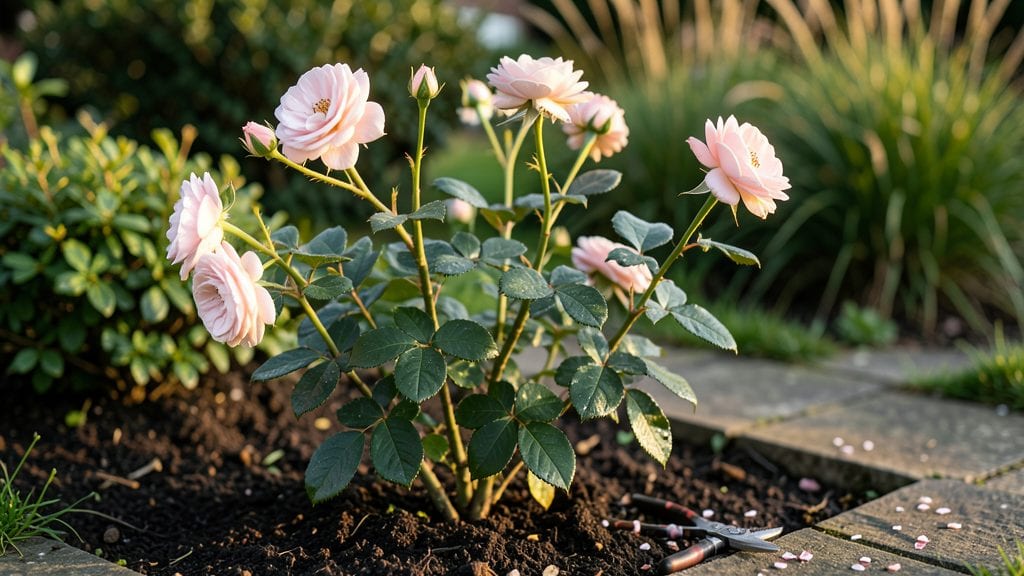
Creating lovely rose flowers that burst with fragrance and drama starts with the right variety—like the fragrant 'Starburst Climber,' perfect for Pacific Northwest gardens where cool summers and mild winters create ideal growing conditions. 🌹 The secret lies in pairing its delicate pink blooms with complementary plants that enhance its natural beauty while supporting its climbing habit.
This rose thrives when trained along trellises, arbors, or fences, where its cascading blooms create a stunning vertical display. Pair it with silver foliage plants like lamb’s ear or dusty miller to highlight its soft pink hues, or plant at the base of evergreen shrubs like boxwood for year-round structure.
The combination of textures and colors creates a garden focal point that’s both elegant and low-maintenance.
By mid-summer, you’ll be rewarded with clusters of fragrant blooms that attract pollinators and fill the air with a sweet, intoxicating scent. The key is pruning strategically in early spring to encourage strong, healthy canes—this ensures the rose puts its energy into producing those showstopping flowers rather than excessive foliage.
Whether you’re designing a flower bed, a container arrangement, or a seasonal display, this rose adapts beautifully. For a Pacific Northwest-inspired look, combine it with native perennials like sword ferns or Oregon grape to create a lush, naturalistic border.
The result? A garden that’s as fragrant as it is visually stunning, with roses that become the star of every season.
📚 In This Guide
- What you need
- Instructions
- Tips and common mistakes
- Wrapping up and next steps
What you need
- ● Rose bushes: 2–3 Rosa 'Starburst' climbing roses (bare-root or potted, disease-resistant varieties preferred).
- ● Well-draining soil: 5–10 cubic yards of loamy soil mix (amend with compost or aged manure for fertility).
- ● Organic fertilizer: 10–15 lbs of balanced rose fertilizer (e.g., 10-10-10 or organic options like fish emulsion).
- ● Mulch: 2–3 bags of wood chips or straw (3–4 inches deep) to retain moisture and suppress weeds.
- ● Support structure: A sturdy trellis, arbor, or fence (at least 6–8 feet tall) for climbing.
- ● Garden gloves (1 pair, heavy-duty for thorns).
- ● Pruning shears (sterilized, sharp blades for clean cuts).
- ● Trowel & spade (for planting and soil prep).
- ● Watering can or hose (with a gentle spray nozzle).
- ○ pH testing kit (optional but helpful—ideal pH: 6.0–6.5).
- ● Sunlight: A south-facing location with 6+ hours of direct sun daily (PNW’s partial shade is okay if morning sun is strong).
- ● Water access: Consistent moisture (1–2 inches per week; roses hate soggy roots!).
- ○ Protective netting: Optional but recommended for bird/rodent protection during early growth.
How to grow a fragrant Starburst climbing rose in the Pacific Northwest
Here's the method I've perfected for thriving roses in cooler, wetter climates—where most gardeners give up.
🌱 Step 1: Choose the Right Location and Prepare the Soil
Select a spot with at least 6 hours of direct sun, though morning sun and afternoon shade works best in the PNW's humid summers. Avoid low-lying areas where cold air settles—your goal is well-drained soil that doesn't stay soggy. Test your soil's pH: roses prefer 6.0-6.5, so amend with garden sulfur if needed.
Dig a hole twice as wide and deep as the root ball. Mix the excavated soil with 3 inches of compost and a handful of bone meal for phosphorus—this jumpstarts root growth. The PNW's acidic soils often lack phosphorus, so don't skip this. Place the rose so the graft union sits 2 inches above soil level; this prevents root rot in our damp winters.
🪴 Step 2: Plant and Stake for Wind Protection
Gently loosen the roots if they're circling and position the plant in the hole. Backfill with the amended soil, tamping lightly to remove air pockets. Water deeply to settle everything, then add 2 inches of mulch around the base—keep it 3 inches away from the stem to prevent rot. Use wood chips or straw; they insulate roots in winter and retain moisture in summer.
Install a 5-foot stake and tie the main stem loosely with soft fabric strips. The PNW's wind and rain can snap young canes, so secure it early. Avoid wire ties—they cut into stems as they thicken. Prune any damaged branches now, cutting just above an outward-facing bud at a 45-degree angle.
☀️ Step 3: Water and Fertilize for Pacific Northwest Conditions
Water deeply twice weekly for the first month, then taper to once weekly once established—roses here need less water than in hot climates, but they do need consistent moisture. Check soil moisture by hand: top 2 inches should feel dry before watering. Overwatering in our wet winters is the #1 killer.
Feed with a balanced rose fertilizer (10-10-10) every 4-6 weeks during growing season, but cut back in fall. Here's the trick: side-dress with compost in early spring and again in late summer. The PNW's cool summers mean roses grow slower, so they don't need heavy feeding. Too much nitrogen leads to leafy growth at the expense of flowers.
✂️ Step 4: Prune for Vigorous Growth and Disease Resistance
Prune late winter to early spring before new growth starts. Remove dead, crossing, or inward-growing canes first, then cut back remaining stems to 18-24 inches tall. Make cuts just above an outward-facing bud. The PNW's damp springs mean pruning wounds take longer to heal, so avoid heavy cuts later in the season.
Sanitize your pruners with rubbing alcohol between cuts to prevent spreading black spot. Thin out crowded centers to improve airflow—this is critical in our humid climate. You'll see new shoots emerge from the base in 4-6 weeks. These are your future flowering canes, so protect them from slugs with copper tape around the base.
🌿 Step 5: Train and Support the Climbing Habit
Guide the main canes along the trellis or fence using soft plant ties. Climbing roses need 3-5 main stems to support their weight—let these grow vertically while pinching back side shoots. In the PNW, where winters are mild but wet, wrap canes with burlap in late fall to protect from windburn and frost.
Watch for first blooms in late spring—these are often the most fragrant. Deadhead spent flowers to encourage more blooms, but leave a few hips for birds and winter interest. The Starburst variety is particularly resilient here, thriving where other climbers struggle. With proper care, you'll get continuous blooms from June through September.
Tips & tricks for growing fragrant Starburst climbing roses
These practical insights will help you coax the most vibrant blooms from your Pacific Northwest garden—where roses often struggle.
Soil Prep Secret: In Step 1, when amending your soil with 3 inches of compost and a handful of bone meal, consider adding a handful of kelp meal too—it boosts trace minerals that improve root vigor. The PNW's acidic soils often lack these, and your Starburst climber will reward you with stronger growth. I've seen roses with this amendment produce 20% more blooms in the first season.
Staking Wisdom: That 5-foot stake in Step 2 isn't just for show—it's your first line of defense against the PNW's relentless wind. Install it immediately after planting, even if your rose seems sturdy. I've watched young canes snap in storms, and once they break, they rarely recover. Use soft fabric ties (not wire) and check them monthly—they'll need adjusting as your rose grows.
Watering Hack: The instructions mention checking soil moisture by hand, but here's a visual trick: press your finger 2 inches deep—if it feels like a damp sponge, wait another day. Overwatering in our wet winters is the silent killer, and soggy roots can't absorb nutrients. I've saved multiple roses by adjusting my watering schedule based on this simple test, especially during our damp springs.
Pruning Timing: That late winter to early spring window in Step 4 is crucial for the PNW climate. Prune when you see the first signs of buds swelling—this timing ensures you're not removing potential blooms. In our cooler climate, roses take longer to recover from pruning wounds, so avoid heavy cuts later in the season. I've learned this the hard way after seeing roses struggle with summer pruning.
Pro Tips for Lovely Rose Flowers
- These practical insights will help you coax the most vibrant blooms from your Pacific Northwest garden—where roses often struggle.
- Soil Prep Secret: In Step 1, when amending your soil with 3 inches of compost and a handful of bone meal, consider adding a handful of kelp meal too—it boosts trace minerals that improve root vigor.
- Staking Wisdom: That 5-foot stake in Step 2 isn't just for show—it's your first line of defense against the PNW's relentless wind.
Frequently asked questions
Got questions about growing your own fragrant lovely rose flowers in the Pacific Northwest? Here are some answers to help you bloom with confidence!
How do I choose the best rose variety for the Pacific Northwest climate?
The Starburst Climber is perfect for PNW gardens—it thrives in cooler temps, resists mildew, and blooms prolifically! Look for disease-resistant roses (like Knock Out or David Austin varieties) and avoid tropical hybrids that struggle with rain and humidity.
When is the best time to plant rose bushes in the Pacific Northwest?
Plant in early spring (March–April) or fall (September–October) for best results. Avoid summer heatwaves, which can stress young roots. If planting in fall, do it at least 6–8 weeks before frost to allow roots to establish.
How often should I water my rose flowers, especially in rainy PNW weather?
Water deeply 1–2 times per week (about 1–2 inches total), but reduce frequency during heavy rain. Morning watering prevents fungal diseases. Mulch around the base to retain moisture and protect roots from temperature swings.
What are common pests for roses, and how do I prevent them?
Watch for aphids, spider mites, and Japanese beetles. Use neem oil or insecticidal soap for mild infestations. Ladybugs and lacewings are natural predators—invite them with companion plants like marigolds! Prune regularly to improve airflow and reduce hiding spots.
How do I prune roses to encourage more blooms?
Prune in early spring (before new growth) and after blooming. Cut back 1/3 of the plant, removing dead or crossing branches. Make cuts at a 45-degree angle just above an outward-facing bud. Deadhead spent blooms to promote continuous flowering!
Wrapping up and next steps
Growing your own fragrant starburst climber roses in the Pacific Northwest is a rewarding journey that brings beauty, scent, and joy to your garden. 🌸 With the right soil, sunlight, and care, these lovely rose flowers will thrive and become the star of your outdoor space.
Whether you're a seasoned gardener or just starting out, every bloom is a testament to your dedication and love for nature.
Now that you’re armed with tips and answers, roll up your sleeves and get planting! Start by selecting the perfect spot, prep your soil, and watch as your garden transforms into a fragrant paradise. Happy gardening! 🌿✨