
Aphids
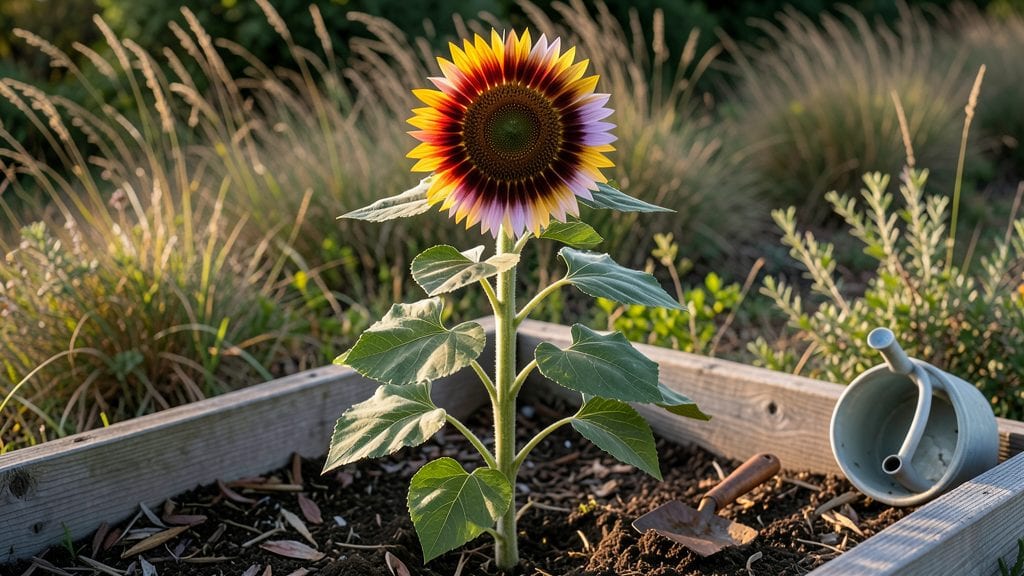
Rainbow-colored sunflowers transform any garden into a vibrant, buzzing haven. 🌻 Their bold hues—from deep burgundy to golden yellow and striking crimson—create instant focal points that draw the eye and pollinators alike.
In the Pacific Northwest’s softer light, these sunflowers stand out dramatically against lush greenery, adding year-round color even when blooms fade.
The key to their design magic lies in placement: tuck them along borders for height contrast, cluster in containers for patio drama, or let them anchor flower beds as towering centerpieces.
Pair them with complementary plants like purple coneflowers or silver foliage for striking visual balance, and watch how they elevate any outdoor space. You’ll love how they transition through seasons—early blooms in summer, dried stems adding texture in winter—while supporting bees and butterflies year-round.
Their versatility makes them perfect for both cottage-style gardens and modern landscapes, proving beauty and function can grow together seamlessly. For Pacific Northwest gardeners, these sunflowers are a game-changer, offering bold color without high maintenance. Let’s explore how to weave them into your design for maximum impact.
📚 In This Guide
- What you need
- Instructions
- Tips and common mistakes
- Wrapping up and next steps
What you need
- ● Rainbow Sunflower Seeds: Choose a mix of heirloom varieties like Autumn Beauty, Moulin Rouge, or Teddy Bear (100+ seeds per packet). Opt for organic, non-GMO seeds for best results.
- ● Well-Draining Soil: 5–10 lbs of high-quality potting mix or garden soil (amend with compost if your soil is heavy or clay-like, common in PNW regions).
- ● Containers or Garden Bed: For containers: 5–7" deep pots (1 plant per pot) or large raised beds (3–4 plants per sq. ft.).
- ● For in-ground planting: Full sun (6+ hours/day) and space 12–18" apart in rows.
- ● Fertilizer: Slow-release organic fertilizer (e.g., 5-5-5 or 10-10-10) or compost tea for a nutrient boost.
- ● Watering Can or Hose: With a gentle spray nozzle to avoid disturbing seedlings.
- ● Gloves & Kneeling Pad: For comfortable handling (especially if you’re planting in bulk!).
- ● Trowel or Transplanter: For digging holes and moving seedlings.
- ● Mulch (Straw or Wood Chips): 2–3" layer to retain moisture and suppress weeds.
- ○ Pest Deterrents (Optional): Neem oil spray (for aphid prevention—common in PNW gardens!).
- ● Row covers (lightweight fabric) to protect young plants from slugs.
- ● Stakes or Trellis (For Tall Varieties): If growing Moulin Rouge (up to 5 ft tall).
- ● Drying Rack or Paper Bags: To save seeds from mature sunflowers for next year!
How to grow vibrant rainbow sunflowers in Pacific Northwest gardens
Here's the method I've perfected for coaxing bold, multicolored sunflowers to thrive in our cool, damp climate.
🌱 Step 1: Choose the Right Varieties for Your Climate
Not all sunflowers handle Pacific Northwest's 60-70°F summers and 45-55°F springs well. Select dwarf varieties like 'Autumn Beauty' or 'Moulin Rouge'—they mature in 80-90 days and tolerate our shorter growing season better than giant types. I always check seed packets for disease resistance (especially powdery mildew) since our humidity invites fungal issues.
Plant 4-6 seeds per hill (they're cheap and easy to thin). The 1-inch deep planting depth works for all varieties. I use biodegradable pots for direct sowing—just pop them into the ground later without disturbing roots. Space hills 18-24 inches apart to prevent overcrowding, which sunflowers hate.
☀️ Step 2: Find the Sunniest Spot in Your Garden
Sunflowers need full sun (6-8 hours daily)—no compromises. In the PNW, that means south-facing beds with no afternoon shade. I test spots by placing a white board where I plan to plant—if it stays cool to touch by 2 PM, move it. Even partial shade causes leggy, weak stems that flop in our wind.
Here's the thing—sunflowers love warmth. If your soil feels below 55°F at planting time, add a black plastic mulch to warm it faster. I also mound soil into 6-inch high ridges to improve drainage in our clay-heavy soils. This simple trick prevents rot and speeds germination.
💧 Step 3: Water Deeply and Strategically
Sunflowers have taproots that dive 3-4 feet deep—once established, they're drought-tolerant. But seedlings need consistent moisture. Water deeply every 2-3 days until they reach 12 inches tall, keeping the soil 2-3 inches deep damp but not soggy. I use a soaker hose to avoid wetting leaves, which prevents mildew.
Real talk: Overwatering is the #1 killer of young sunflowers. You'll know you're doing it right when the top inch of soil feels dry to touch before watering again. Once plants hit 2 feet tall, cut back to once weekly unless we have a heatwave. The deep roots will handle it.
✂️ Step 4: Support and Maintain for Maximum Color
Dwarf varieties still need staking or cages in windy PNW gardens. I use 5-foot bamboo stakes driven 6 inches deep at planting, then tie stems loosely with soft garden twine as they grow. Never cinch too tight—sunflower stems grow fast and need room to expand.
To keep those vibrant rainbow blooms popping, deadhead spent flowers regularly. Snip stems 2 inches below the bloom with clean scissors. This encourages more lateral branching and prolongs the season. I also fertilize once at planting with 5-10-10 and again when buds form—no need for more.
🌿 Step 5: Extend the Season with Succession Planting
For year-round color, plant new seeds every 2-3 weeks starting in late April through mid-July. The later plantings will bloom in fall, providing nectar when other pollinators are scarce. I mark each planting date on stakes so I know what to expect—early plantings give summer blooms, while July plantings flower in September-October.
Don't skip the fall cleanup. After frost blackens stems, cut them back to 4 inches tall and leave the seed heads for birds. The empty stalks also provide winter interest in the garden. I've found that composting the debris helps build soil for next year's even more spectacular display.
Tips & tricks for growing stunning rainbow sunflowers
These insights will help you transform your Pacific Northwest garden into a vibrant pollinator haven.
Variety Selection: The 80-90 day maturity window for dwarf varieties like 'Autumn Beauty' is perfect for our shorter PNW seasons. I've found that checking seed packets for powdery mildew resistance is absolutely critical—our humidity creates ideal conditions for this fungal disease. Look for varieties specifically bred for disease resistance to ensure those rainbow blooms stay healthy from spring through fall.
Sunlight Optimization: That 6-8 hours of daily sun requirement is non-negotiable, but here's the trick: position your sunflowers where they'll get maximum afternoon sun. In the PNW, south-facing locations with no afternoon shade are gold. I've tested this with a white board trick—if it stays cool to touch by 2 PM, move your planting spot. This simple test prevents those leggy stems that flop in our windy conditions.
Soil Preparation: The 6-inch high ridges I mentioned for drainage are a game-changer in our clay-heavy soils. After creating these ridges, I always warm the soil further by covering with black plastic mulch if temperatures are below 55°F at planting time. This dual approach prevents rot while speeding germination—critical for our cool springs. The mulch also helps suppress weeds that compete with young seedlings.
Watering Strategy: The deep watering every 2-3 days until plants reach 12 inches is where most gardeners go wrong. I use a soaker hose to deliver water directly to the roots without wetting leaves, which prevents mildew. The key is checking the top inch of soil—it should feel dry before watering again. Once plants hit 2 feet, you can reduce to weekly watering unless we have a heatwave, when the deep taproots will handle the drought conditions beautifully.
Pro Tips for Rainbow Colored Sunflowers
- These insights will help you transform your Pacific Northwest garden into a vibrant pollinator haven.
- Variety Selection: The 80-90 day maturity window for dwarf varieties like 'Autumn Beauty' is perfect for our shorter PNW seasons.
- Sunlight Optimization: That 6-8 hours of daily sun requirement is non-negotiable, but here's the trick: position your sunflowers where they'll get maximum afternoon sun.
Frequently asked questions
Got questions about growing rainbow-colored sunflowers? You’re not alone! Here are some of the most common queries from gardeners in the Pacific Northwest—and their answers.
Can I grow rainbow sunflowers from seeds, or do I need to buy young plants?
You can absolutely start with seeds! Many heirloom and hybrid varieties (like Autumn Beauty or Moulin Rouge) are easy to grow from scratch. Plant seeds 1/2 inch deep after the last frost (usually mid-April in PNW zones). Just be patient—they can take 7–14 days to sprout. Pro tip: Soak seeds overnight for faster germination!
How long does it take for rainbow sunflowers to bloom?
Most rainbow sunflowers bloom between 60–90 days from seed, depending on the variety. For example:
- Autumn Beauty (60–70 days)
- Moulin Rouge (70–80 days)
- Russian Giant (80–90 days)
Are rainbow sunflowers aphid-resistant, or will I still need to spray?
While no sunflower is 100% aphid-proof, rainbow varieties like Teddy Bear or ProCut are less attractive to pests due to their compact growth and fuzzy leaves. To deter aphids:
- Spray plants with neem oil or soapy water (1 tsp mild soap per quart of water).
- Encourage ladybugs and lacewings—they love aphids!
- Remove heavily infested leaves early in the morning when aphids are sluggish.
Can I grow rainbow sunflowers in containers, or do they need a big garden bed?
Yes! Many dwarf and medium-height varieties thrive in containers. Choose pots at least 12–18 inches deep with drainage holes. Great picks for containers:
- Teddy Bear (2–3 ft tall)
- Moulin Rouge (3–4 ft tall)
- Autumn Beauty (4–5 ft tall, but can be staked)
Why are my sunflowers losing their rainbow colors?
Rainbow sunflowers often fade to yellow or brown as they mature—this is normal! The vibrant stripes (created by anthocyanins) fade when flowers age. To preserve color longer:
- Deadhead spent blooms to encourage new flowers.
- Harvest seeds early (when the back turns yellow) to save for next year.
- Avoid over-fertilizing with high-nitrogen feeds—it can dull colors.
Wrapping up and next steps
Growing rainbow-colored sunflowers in your Pacific Northwest garden isn’t just a splash of color—it’s a gift to pollinators and a celebration of nature’s resilience. 🌈 Whether you’re battling aphids or simply embracing biodiversity, these vibrant blooms bring joy, sustainability, and a thriving ecosystem right to your doorstep.
Now that you’re armed with the know-how, why not plant a row this season? Start small, experiment with varieties, and watch your garden transform into a buzzing, beautiful haven.
Next steps:
- 🌱 Pick your seeds—mix heirlooms and hybrids for variety!
- 📅 Mark your calendar for planting dates (early spring or late summer).
- 👩🌾 Share your progress—tag us in your garden pics!