
Flowers
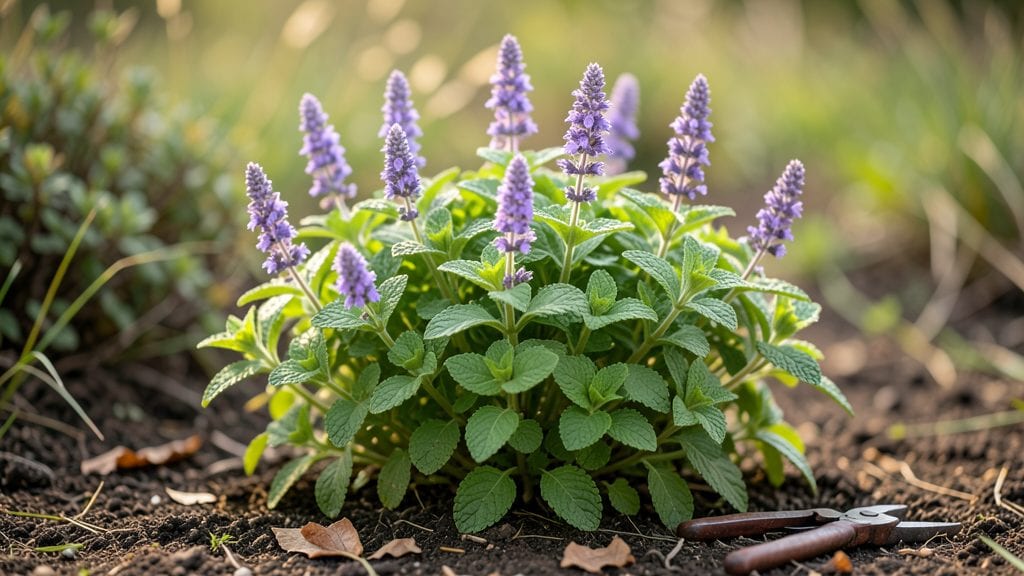
My first encounter with mint plants boasting purple flowers changed how I design my Pacific Northwest garden—especially when hummingbirds start their spring migration. 🌿 These aren’t your average mints; they’re the showstoppers that thrive in cooler climates, their lavender-pink blooms drawing pollinators like magnets while surviving frosts that would kill most herbs.
The real magic happens when you let them spill over container edges or line garden borders, their frost-resistant stems staying lush even after light freezes.
Pair them with silver foliage plants like lamb’s ear or dusty miller to make their color pop, and watch how they transform a shady spot into a hummingbird hotspot by late spring. The key? Plant them in containers with deep roots—they’ll spread, but you’ll control where.
You’ll end up with a garden that’s not just functional but visually stunning—imagine purple mint cascading beside a patio or framing a woodland path. The fragrance is a bonus: crisp and minty, but with a floral twist that lingers in the air long after the blooms fade.
Plus, their hardiness means less fuss than most ornamentals.
For those worried about mint’s notorious spreading, I’ve got three foolproof containment tricks—including a simple soil barrier hack that works every time. Let’s make your garden the envy of the neighborhood while keeping the hummingbirds (and your sanity) happy.
📚 In This Guide
- What you need
- Instructions
- Tips and common mistakes
- Wrapping up and next steps
What you need
- ● Purple-flowered mint plants (e.g., Mentha 'Purpurascens' or Mentha 'Purple Passion'): 1-3 nursery-grown plants (6-inch pots) or
- ● Seeds (if starting from scratch—germination can be tricky!)
- ● Well-draining soil: 50% potting mix (organic, peat-free preferred)
- ● 30% perlite or coarse sand (for aeration)
- ● 20% compost (for nutrients)
- ● Containers or garden bed: Containers: 12-inch pots (1 per plant) with drainage holes or
- ● Garden bed: Partial shade (4-6 hours sun), moist but not soggy soil
- ● Watering can or hose with a gentle spray nozzle
- ● Pruning shears (sterilized with rubbing alcohol)
- ● Organic mulch (e.g., shredded bark or straw, 2-3 inches thick)
- ● Gloves (to protect hands from mint’s aggressive roots)
- ● Fertilizer (balanced 10-10-10 or slow-release pellets, applied every 6-8 weeks)
- ○ Hummingbird feeder (optional, to supplement nectar sources)
- ● Shade cloth (30-50% coverage, for hot PNW summers)
- ● Plant labels (to track varieties and pruning schedules)
Step-by-Step guide to growing purple-flowering mint varieties
Here’s how to cultivate vibrant purple-blooming mint that thrives in the Pacific Northwest’s cool climate.
🌱 Step 1: Select the Right Mint Variety and Planting Site
Choose a cold-hardy variety like Mentha ‘Purple’ or Mentha suaveolens ‘Berry Wonder’—both produce striking purple flowers and tolerate 10-25°F temperatures. These varieties also attract hummingbirds, making them perfect for pollinator gardens.
Site your mint in partial shade to full sun (at least 4-6 hours of sunlight daily). In the Pacific Northwest, morning sun and afternoon shade prevent leaf scorch while allowing flowers to develop. Avoid low-lying areas where frost lingers—elevated spots with good drainage keep roots healthy.
Here’s the thing—mint spreads aggressively. If you’re not growing it in containers, plant it in a sunken bed lined with landscape fabric to contain roots. I’ve seen mint escape and take over entire garden beds if left unchecked.
🪴 Step 2: Prepare Soil and Plant with Proper Spacing
Amend your soil with 2-3 inches of compost to improve drainage and fertility. Mint prefers moist but well-drained soil—soggy conditions lead to root rot, while dry soil causes leaves to wilt. Mix in 1 cup of perlite per square foot if your native soil is heavy clay.
Plant 4-6 inch tall nursery-grown mint (not seeds—germination is unpredictable) 12-18 inches apart in rows 2 feet apart. Dig holes slightly deeper than the root ball to encourage root expansion. Gently firm soil around the base but avoid compacting it—mint roots need air to thrive.
Water deeply right after planting to settle the soil and eliminate air pockets. You’ll know it’s right when the surface looks slightly damp but not glistening. Overwatering now can smother roots, so let the top 1 inch of soil dry between waterings.
☀️ Step 3: Maintain Moisture and Encourage Blooms
Keep soil consistently moist but never soggy—mint wilted from thirst won’t recover. In the Pacific Northwest’s rainy season, reduce watering to once every 10-14 days unless your soil feels bone-dry. Use a soaker hose to deliver water at the base without wetting leaves, which prevents fungal diseases like powdery mildew.
To promote purple flowers, pinch back new growth when plants reach 6-8 inches tall. This redirects energy to flowering stems instead of leaf production. You’ll see buds form along the stems in 4-6 weeks—watch for the first hints of lavender-purple color.
Real talk: If your mint stays leafy with no flowers, it’s getting too much nitrogen. Switch to a low-nitrogen, high-phosphorus fertilizer (like 5-10-10) in early spring to boost blooms. I’ve found that granular organic fertilizer works best—just sprinkle it around the base and water it in.
✂️ Step 4: Prune and Overwinter for Next Year’s Growth
After flowering, cut back stems by one-third to maintain shape and encourage bushier growth. Remove spent flowers to prevent seed production—unless you’re intentionally propagating more plants. Deadheading also keeps the plant looking tidy and redirects energy to next year’s blooms.
In the Pacific Northwest, mint survives winter but may look ragged. Once frost hits consistently (usually late November), mulch heavily with 2-3 inches of straw or shredded leaves. This protects roots from freezing and thawing cycles. In spring, remove mulch when new growth appears—usually by mid-April.
Don’t skip dividing your mint every 2-3 years. Dig up clumps in early spring, separate into 3-4 inch sections, and replant. This rejuvenates growth and prevents the plant from becoming too crowded. You’ll notice stronger stems and more vibrant flowers after division.
🌿 Step 5: Protect and Extend the Season
To extend blooms into fall, cover plants with frost cloth when nighttime temperatures dip below 35°F. This buys you 2-3 extra weeks of purple flowers—hummingbirds will thank you! Remove the cloth during the day so the plant can photosynthesize.
If you’re growing mint in containers, move pots to a sheltered spot (like a garage or under an eave) before the first hard frost. Water sparingly in winter—just enough to keep soil from drying out completely. You’ll see new growth in early spring, signaling it’s time to return pots to their sunny spot.
Here’s where it gets fun—watch for hummingbirds hovering over the purple spikes. They’ll visit repeatedly, and you’ll have a front-row seat to one of nature’s most elegant pollinators. Just remember: mint is invasive, so always contain it or grow it in pots!
Tips & tricks for cultivating stunning purple-flowering mint
These hard-won insights will help you coax the most vibrant blooms from your Pacific Northwest garden.
Variety Matters: The Mentha ‘Purple’ and Mentha suaveolens ‘Berry Wonder’ varieties are your best bets for reliable purple flowers in our climate. I’ve seen gardeners struggle with other varieties that either don’t bloom or produce weak, pale flowers. These cold-hardy types consistently deliver the striking lavender-purple spikes that hummingbirds adore—especially when grown in partial shade to full sun with that critical 4-6 hours of sunlight daily mentioned in Step 1.
Soil Science: The 2-3 inches of compost and 1 cup of perlite per square foot in Step 2 aren't just numbers—they're your secret weapons against two common problems. Too much clay soil? The perlite prevents compaction while improving drainage. Too sandy? The compost holds moisture without suffocating roots. I learned this the hard way after watching mint plants wilt dramatically in heavy clay—once I adjusted the soil mix, their resilience improved overnight.
Pinching Pays Off: When you pinch back those 6-8 inch tall stems in Step 3, you're not just shaping the plant—you're redirecting its energy. The 4-6 week wait for buds to appear might feel long, but this is when the magic happens. I've found that pinching at this exact height triggers more robust flowering stems. For even better results, do a second pinch when the plant reaches 12-15 inches—this creates a bushier plant with more flower sites.
Winter Protection: That 2-3 inches of straw or shredded leaves mulch in Step 4 isn't just decoration—it's insulation against the Pacific Northwest's freezing and thawing cycles. I've seen mint plants survive 10-25°F temperatures just fine, but the real damage comes from temperature swings. The mulch acts like a blanket, keeping roots at a more stable temperature. And remember: remove it by mid-April when new growth appears—don't let it sit too long or you'll smother emerging shoots.
Pro Tips for Mint Plants With Purple Flowers
- These hard-won insights will help you coax the most vibrant blooms from your Pacific Northwest garden.
- Variety Matters: The Mentha ‘Purple’ and Mentha suaveolens ‘Berry Wonder’ varieties are your best bets for reliable purple flowers in our climate.
- Soil Science: The 2-3 inches of compost and 1 cup of perlite per square foot in Step 2 aren't just numbers—they're your secret weapons against two common problems.
Frequently asked questions
Got questions about growing stunning mint plants with purple flowers in your Pacific Northwest garden?
You’re not alone! Here are some of the most common queries—and their answers—to help you cultivate a thriving, hummingbird-friendly patch.
Can mint with purple flowers survive PNW winters?
Most purple-flowering mints (like Mentha 'Purple' or 'Purple Sage') are hardy to USDA Zones 5-9, making them perfect for the PNW’s chilly winters. Mulch heavily in fall to protect roots, and choose varieties labeled frost-resistant for extra peace of mind.
How long does it take for purple mint to bloom?
With ideal conditions (sunlight, moisture, and well-draining soil), expect purple blooms in 60–90 days from planting. Pinch back flowers after the first bloom to encourage longer, bushier growth and a second flush of color later in the season.
What’s the best way to control mint’s aggressive spread?
Mint’s roots are notorious for wandering! Plant it in a container with drainage holes or bury a root barrier (like a buried pot or landscape fabric) to contain it. If it escapes, dig up stray stems—don’t compost them!
Will purple mint attract hummingbirds like other flowers?
Hummingbirds love the nectar-rich purple blooms—just ensure your mint gets 6+ hours of sun and stays well-watered. Pair it with bee balm or columbine for a hummingbird buffet that keeps them hovering all season.
Why isn’t my purple mint flowering?
Lack of blooms often signals too much shade, over-fertilizing (especially with nitrogen), or root-bound conditions. Move it to sunny spot, prune leggy growth, and use a balanced bloom booster (like 10-10-10) in early spring. Deadhead spent flowers too!
Wrapping up and next steps
Incorporating mint plants with purple flowers into your Pacific Northwest garden isn’t just about beauty—it’s about creating a thriving, pollinator-friendly haven that’s tough enough to handle frost! 🌿 These vibrant blooms attract hummingbirds while adding a pop of color and a refreshing fragrance to your outdoor space.
Whether you’re a seasoned gardener or just starting out, these plants offer low-maintenance charm and year-round appeal.
Ready to transform your garden? Start by selecting the perfect variety (like Purple Mint or Hummingbird Mint) and follow the simple steps to plant and care for them. Then, sit back and enjoy the buzzing activity—and stunning visuals—your garden will soon become! 🐝✨