
Succulent
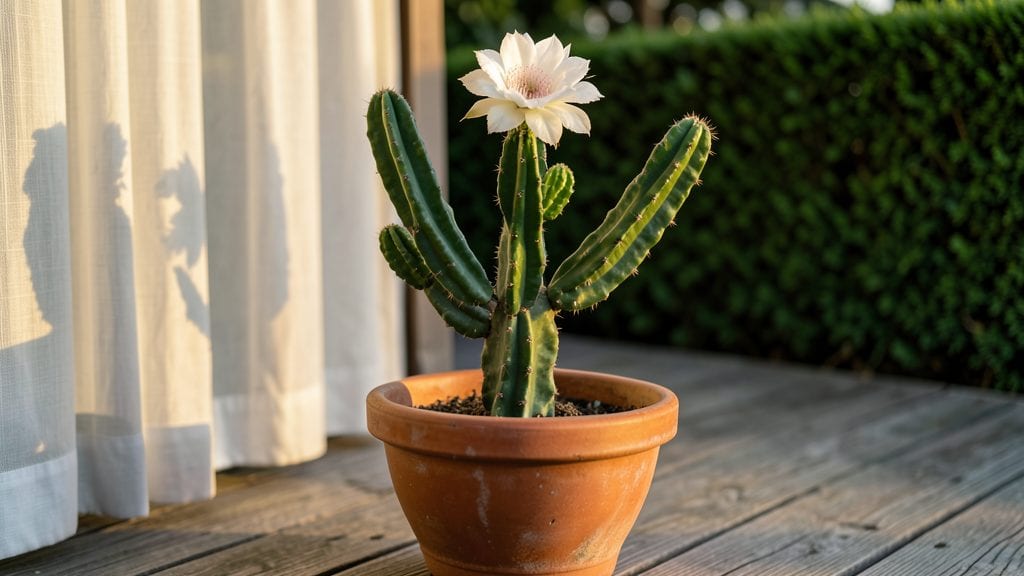
The night flowering cactus like Selenicereus grandiflorus rewards you with fragrant blooms that open only after dark—these desert stars thrive with minimal effort once you match their natural rhythms: bright days, cool nights, and just enough water to keep roots happy without drowning them.
The secret isn’t complicated: mimic their wild habitat, and they’ll reward you with glossy, moonlit flowers that last just one night but leave a lasting impression.
Your setup needs only three essentials: a well-draining cactus mix, a south-facing window or grow light, and a pot with drainage holes. Temperature swings between 70-85°F days and 55-65°F nights trigger blooming, while humidity stays low—just like their native deserts.
Overwatering is the fastest way to kill them, but once you find the right balance, these plants become near-indestructible and surprisingly low-maintenance.
By summer, you’ll see sturdy, ribbed stems reaching toward the light, followed by buds that swell overnight before bursting into large, star-shaped blooms at dusk. The fragrance—sweet and intoxicating—draws moths and humans alike, turning your patio into a nighttime garden party.
With the right care, these cacti can bloom year after year, proving that zero-fuss doesn’t mean zero drama.
Even in small spaces, these plants adapt—balconies, windowsills, or greenhouses all work. The key is patience: it may take 2-3 years for mature plants to flower, but once they do, they’ll keep surprising you with seasonal blooms that feel like a magical secret.
Let’s get those stems growing strong and ready for their nightly show.
📚 In This Guide
- What you need
- Instructions
- Tips and common mistakes
- Wrapping up and next steps
What you need
- ● Night flowering cactus plant: 1 healthy, mature plant (choose a Selenicereus grandiflorus or Epiphyllum oxypetalum for best results).
- ● Well-draining potting mix: 1 bag (1–2 gallons) of cactus/succulent soil (or mix 60% inorganic grit, 30% peat moss, and 10% perlite).
- ● Pot with drainage holes: 1 container (8–12 inches in diameter) with drainage holes to prevent root rot. Terracotta or ceramic pots work best!
- ● Slow-release fertilizer: 1 packet of balanced, low-nitrogen fertilizer (e.g., 5-10-10 or 2-7-7).
- ○ Gloves (optional): 1 pair to protect hands from spines.
- ● Watering can with a narrow spout: 1 (to avoid overwatering).
- ● Spray bottle: 1 for misting (helpful in dry climates).
- ○ Grow lights (optional): 1–2 LED grow bulbs (if indoors with <10 hours of sunlight/day).
- ○ Support stake or trellis (optional): 1–2 for climbing varieties (like Selenicereus).
Step-by-Step guide to cultivating night-blooming cacti
Here's how to coax those dramatic moonlit blooms with minimal effort.
🌱 Step 1: Select the Right Variety and Container
Night-blooming cacti like Selenicereus (formerly Hylocereus) thrive in containers that allow roots to breathe. Choose a pot with drainage holes—terracotta works best—about 12-16 inches in diameter for each plant. These cacti grow vining stems, so they need vertical space to climb or sprawl.
I always start with a well-draining cactus/succulent mix (never regular potting soil). The blend should contain 50% inorganic grit like perlite or pumice to prevent root rot. Add a handful of orchid bark for extra aeration—this mimics their natural epiphytic growing conditions.
☀️ Step 2: Position for Optimal Light and Temperature
Night-blooming cacti need bright, indirect light during the day—think 6-8 hours of morning sun followed by afternoon shade. A south-facing window works, but direct afternoon sun can scorch the pads. If growing indoors, rotate the pot quarter-turn weekly to prevent lopsided growth.
Temperature is critical: these plants need warm days (75-85°F) and cool nights (60-65°F) to trigger blooming. If your home stays too warm at night, move the plant outdoors during summer evenings or use a small cooling fan on low setting.
💧 Step 3: Water Sparingly and Fertilize Strategically
Water only when the top 2-3 inches of soil feel completely dry—this usually means every 2-3 weeks in summer, less in winter. I use the "finger test" method: stick your finger in the soil up to your first knuckle. If it's dry, water thoroughly until it drains from the bottom.
Feed with a balanced, water-soluble fertilizer (10-10-10) diluted to half-strength every 4-6 weeks during spring and summer. Avoid fertilizing in fall and winter—this mimics their natural dormancy period. Overwatering or over-fertilizing causes root rot, which is nearly impossible to recover from.
⏰ Step 4: Encourage Blooming with Proper Rest Periods
Night-blooming cacti need 6-8 weeks of cooler temperatures (55-65°F) to set flower buds. In fall, reduce watering and stop fertilizing entirely. Place the pot in a cool, bright location (like a garage with natural light) or move it outdoors if temperatures permit.
Watch for tiny white or pink buds forming along the stems—this is your cue that blooming is imminent. Once buds appear, return the plant to warmer conditions (70-75°F) and resume normal watering. Flowers typically open one night at a time and last only 24 hours, so be ready with a camera!
🌿 Step 5: Prune and Propagate for Long-Term Growth
After blooming, trim any dead or leggy stems with sterile scissors, leaving ½ inch above a node where new growth can emerge. The cuttings can be rooted immediately—just let them dry for 1-2 days to callus over, then place them in a small container of moist cactus mix.
Propagate in spring when the plant is actively growing. New growth appears at the nodes, so you can separate and repot these every 2-3 years to refresh the soil. Always use fresh cactus mix and avoid disturbing the roots—these plants are sensitive to handling.
Tips & tricks for perfect night-blooming cactus care
Here’s how to troubleshoot common challenges—and get those magical blooms every season.
Lighting Strategy: In Step 2, when positioning your cactus for 6-8 hours of morning sun, use a sheer curtain to diffuse harsh afternoon rays. I’ve found that placing the plant near an east-facing window prevents scorching while still providing the bright indirect light these cacti crave. For indoor growers, a grow light on a timer set for 12-14 hours daily works wonders during winter months when natural light fades.
Temperature Transition: The 60-65°F nighttime temperature range in Step 2 is non-negotiable for bud formation. If your home stays above 70°F at night, create a "cooling zone" by placing the pot on a bed of damp pebbles in a shallow tray. The evaporative cooling mimics outdoor conditions without risking root rot. Monitor closely—too much moisture can backfire.
Watering Wisdom: The "finger test" in Step 3 works, but I’ve learned to trust my eyes too. Look for subtle wrinkling along the pads—this is your plant’s SOS signal. When watering, aim for the soil edges rather than pouring in the center. This encourages even moisture distribution and prevents compacted soil that suffocates roots.
Pruning Precision: In Step 5, when trimming leggy stems, make cuts just above a node at a slight angle. This increases surface area for faster rooting when you propagate. Sterilize your scissors with rubbing alcohol between cuts to prevent bacterial infections. I’ve had success rooting cuttings in water too—just change it every 3-4 days until roots form.
Pro Tips for Night Flowering Cactus
- Here’s how to troubleshoot common challenges—and get those magical blooms every season.
- Lighting Strategy: In Step 2, when positioning your cactus for 6-8 hours of morning sun, use a sheer curtain to diffuse harsh afternoon rays.
- Temperature Transition: The 60-65°F nighttime temperature range in Step 2 is non-negotiable for bud formation.
Frequently asked questions
Got questions about your night-blooming cactus? You’re not alone!
Here are some of the most common queries—plus quick, no-fuss answers to keep your moonlit blooms thriving.
Why does my night flowering cactus only bloom at night?
Night-blooming cacti (like Selenicereus or Epiphyllum) follow a natural rhythm called nyctinasty. Their flowers open under low light to attract nocturnal pollinators like moths. Pro tip: Avoid bright lights near them at night—they’ll stay closed!
How often should I water my night flowering cactus?
Water sparingly—only when the soil is completely dry (every 2–3 weeks in summer, less in winter). Overwatering is the #1 killer! Use a pot with drainage holes and never let it sit in saucers of water. Signs of distress: Wrinkled skin = thirsty; Moldy soil = drowning.
Can I force my cactus to bloom during the day?
Nope! These beauties are hardwired for nighttime shows. However, you can extend their bloom time by placing them in a dimly lit room after dark. For daytime curiosity, snap a photo with a red or yellow flashlight—it won’t harm them!
What should I do if bugs appear on my cactus?
Common pests like mealybugs or scale love night-bloomers. Act fast:
- Isolate the plant to prevent spreading.
- Wipe leaves with a 70% alcohol or soapy water solution.
- For stubborn infestations, use neem oil (follow package instructions).
Prevention? Inspect new plants before bringing them home!
Are there daytime-blooming cactus alternatives?
If you crave daytime color, try:
- Echinopsis (Peruvian Apple Cactus) – Bold pink/purple blooms.
- Hylocereus (Dragon Fruit Cactus) – Edible flowers!
- Notocactus – Bright yellow or red daytime stars.
These thrive in full sun and need similar care—just water them less!
Wrapping up and next steps
Night-flowering cacti bring a touch of magic to your garden with their stunning, moonlit blooms—and caring for them is easier than you think! 🌙✨ Whether you're a beginner or a seasoned plant parent, these hardy beauties thrive with minimal effort, just a little patience, and the right conditions.
Now that you know the key tips for success, why not treat yourself (or your green thumb) to one of these enchanting plants?
Ready to take the next step? Start small—pick a variety that suits your climate, gather your supplies, and give your night-flowering cactus the love it deserves. Before you know it, you’ll be rewarded with breathtaking blooms that light up your evenings like nature’s own fireworks! 🌵💫