
Flowers
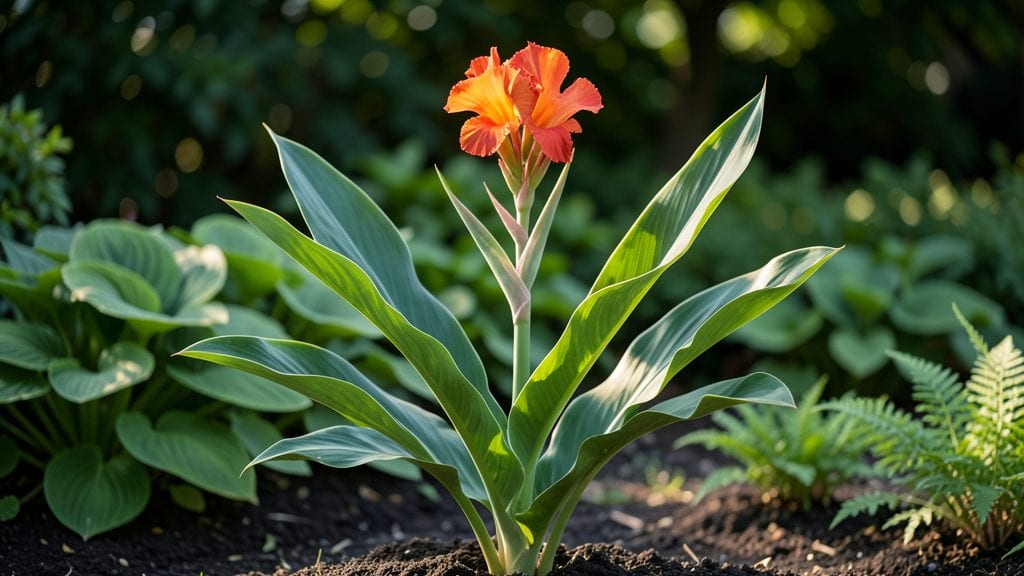
The orange canna flower brings bold drama to any garden, blooming from summer through frost with fiery starburst blooms that demand attention. 🌟 I’ve grown them for years, and they’ve never failed to turn heads—whether planted in sun-drenched borders or dramatic containers.
Their tropical vibe thrives in heat and humidity, making them perfect for zones 8-11, though they’ll return from the ground in cooler climates too.
These plants are surprisingly low-maintenance once established. They love full sun (at least 6 hours daily) and rich, well-draining soil—think compost mixed into garden beds or container mixes.
Watering is simple: keep the soil consistently moist but not soggy, and you’ll reward yourself with 3-foot-tall tropical splashes of color that outshine most annuals.
What makes them special is their versatility. Use them as bold focal points, mass-planted for a fiery border, or in containers to add height and drama to patios. The large, lush foliage provides texture year-round, and the blooms attract hummingbirds—nature’s free show.
Even beginners will love how forgiving they are; just avoid overcrowding and deadhead spent blooms for continuous flowering.
Here’s the best part: they multiply easily. Divide clumps every 3-4 years to keep them vigorous, and you’ll have enough to share (or fill your garden with even more drama). Ready to add some sun-soaked excitement? Let’s get growing!
📚 In This Guide
- What you need
- Instructions
- Tips and common mistakes
- Wrapping up and next steps
What you need
- ● Canna tubers: 3–5 healthy, firm tubers (choose Canna × generalis varieties like ‘Durban’ or ‘Tropicanna’ for bold orange blooms).
- ● Well-draining potting mix: 5–10 gallons (depending on container size). Opt for a blend of peat moss, perlite, and compost (ratio: 2:1:1).
- ○ Containers (optional but recommended): Large pots (12–18 inches deep) with drainage holes, or raised garden beds.
- ● Slow-release fertilizer: 1–2 cups of balanced 10-10-10 or organic compost (like worm castings).
- ● Gloves: Heavy-duty gardening gloves (canna rhizomes can be prickly!).
- ● Trowel or shovel: For planting tubers 2–3 inches deep.
- ● Watering can or hose with a gentle nozzle: Cannas love moisture but hate soggy roots!
- ● Pruners (sterilized): For trimming dead foliage or dividing tubers.
- ○ Mulch (optional): 2–3 inches of straw or pine bark to retain soil moisture and regulate temperature.
- ● Sunlight access: Full sun (6+ hours daily)—cannas thrive in heat and humidity!
- ● Cold-hardiness zone check: If in zones 8–11, plant outdoors year-round. For colder climates, grow in containers and overwinter indoors.
- ● Epsom salt: 1 tablespoon per gallon of water (monthly feed for vibrant blooms!).
- ● Canna-specific liquid fertilizer: Diluted to half-strength for foliar sprays.
- ● Decorative stakes or trellis: To support tall varieties (up to 6 feet!).
Step-by-Step guide to cultivating stunning orange canna flowers
Here's how to coax bold, tropical drama from these sun-hungry beauties—no greenhouse needed.
🌱 Step 1: Choose the Perfect Planting Spot
Cannas thrive in full sun to partial shade, with at least 6 hours of direct sunlight daily. In hot climates, afternoon shade prevents leaf scorch. I always test spots by watching how quickly water evaporates—if it disappears in under 2 hours, the area gets too much sun for cannas.
Dig a hole twice as wide as the root ball but only as deep as the container's height. This encourages shallow root spread, which cannas love. Amend heavy clay soil with 2-3 inches of compost to improve drainage. The key is loose, fertile soil that holds moisture without becoming waterlogged—cannas hate soggy feet.
🪴 Step 2: Plant Rhizomes Correctly for Dramatic Growth
Cannas grow from thick, gnarled rhizomes (not traditional roots). Plant them horizontally, 2-4 inches deep, with the "eyes" (buds) facing upward. I like to space mine 18-24 inches apart—this gives leaves room to fan out dramatically. If planting in containers, use pots at least 12 inches deep with drainage holes.
Press soil gently around the rhizome but don't compact it. The goal is to create air pockets for root development. Water immediately after planting, then again in 3-5 days to establish roots. You'll know it's working when new shoots emerge within 2-3 weeks—they'll look like tiny, pointed leaves pushing through the soil.
☀️ Step 3: Feed and Water for Maximum Bloom Impact
Feed cannas with a balanced 10-10-10 fertilizer every 4-6 weeks during growing season. I mix it into the top 2 inches of soil rather than watering it in—this prevents root burn. For organic gardeners, use compost tea or worm castings instead. The secret to vibrant orange blooms? Consistent nutrition without overfeeding.
Water deeply 2-3 times per week, aiming for 1-2 inches of moisture per week. Let the top 2 inches of soil dry out between waterings—this prevents fungal issues while keeping rhizomes happy. You'll see the difference in leaf color: deep green means perfect moisture; yellowing means overwatering or poor drainage.
✂️ Step 4: Prune and Support for Showstopping Height
Remove spent blooms by cutting stems back to the nearest leaf node. This redirects energy to new flowers instead of seed production. I also prune any yellow or damaged leaves immediately—they're entry points for pests. For tall varieties, install stakes or cages early to prevent flopping. Cannas can reach 3-5 feet, but their heavy blooms need support.
Divide clumps every 3-4 years in early spring. Dig up rhizomes, separate sections with at least 1-2 buds each, and replant. This rejuvenates plants and gives you free propagation material. The best time to divide is when new shoots appear but before active growth begins—usually 4-6 weeks before last frost.
Tips & tricks for perfect orange canna flowers
Real talk: These vibrant beauties demand attention to detail—but once you master these tricks, you'll have showstopping blooms all season long.
Sunlight Strategy: The 6-hour minimum sunlight requirement is non-negotiable for those fiery orange blooms. I've seen cannas in full sun all day develop sunburnt leaves, so in hot climates, provide afternoon shade using sheer fabric or plant them near taller plants that offer natural shade. Position them where they'll get morning sun and afternoon shade—this balance is what creates those perfect orange hues rather than faded blooms.
Rhizome Placement: When planting those 2-4 inch deep rhizomes in Step 2, think of it like laying down a sleeping bag—horizontal placement with the "eyes" up ensures maximum root spread. I've made the mistake of planting them vertically and ended up with stunted growth. The shallow planting also prevents rot from sitting too deep in damp soil. Press soil gently around the rhizome but don't compact it—you're creating a cozy nest, not a concrete foundation.
Fertilizer Timing: That 4-6 week feeding schedule in Step 3 is crucial, but here's what nobody tells you: the first feeding after planting should happen when you see those tiny shoots emerging—usually about 3-4 weeks in. This jumpstarts growth. I also recommend using a slow-release fertilizer pellet mixed into the soil at planting time for continuous nutrition without the risk of root burn from watering in liquid fertilizer.
Watering Wisdom: The 2-3 times per week watering guideline works, but here's the secret: water in the morning so leaves dry quickly, preventing fungal issues. I've noticed that when I water in the evening, those vibrant orange blooms develop brown spots. Also, let that top 2 inches dry out between waterings—this mimics their natural tropical environment where heavy rains are followed by dry periods. Yellowing leaves? You're either overwatering or have poor drainage.
Pro Tips for Orange Canna Flower
- Real talk: These vibrant beauties demand attention to detail—but once you master these tricks, you'll have showstopping blooms all season long.
- Sunlight Strategy: The 6-hour minimum sunlight requirement is non-negotiable for those fiery orange blooms.
- Rhizome Placement: When planting those 2-4 inch deep rhizomes in Step 2, think of it like laying down a sleeping bag—horizontal placement with the "eyes" up ensures maximum root spread.
Frequently asked questions
Got questions about growing and loving orange canna flowers? You’re not alone! Here are some of the most common queries—plus quick, practical answers to help you keep your garden blooming like a sun-drenched masterpiece.
How do I get my orange canna flowers to bloom longer?
Cannas thrive in full sun (6+ hours daily) and well-draining soil. Deadhead spent blooms regularly to encourage new growth, and fertilize lightly with a balanced, phosphorus-rich formula every 4–6 weeks. Pro tip: Mulch around the base to retain moisture—cannas hate soggy roots!
When is the best time to plant orange canna lilies?
Plant cannas after the last frost (spring) when soil temps hit at least 60°F (15°C). In warmer zones (USDA 8–11), you can plant as early as February. If using tubers, soak them in water for 24 hours before planting to jumpstart growth.
Are orange canna flowers toxic to pets or kids?
Yes! All parts of canna lilies—roots, leaves, and flowers—contain calcium oxalate crystals, which can cause mouth irritation, drooling, or vomiting if ingested. Keep them out of reach of curious pets and small children. Opt for pet-safe alternatives like marigolds or sunflowers if needed.
Can I grow orange cannas in containers? What size pot do I need?
Cannas adapt well to containers, but go big or go home: Aim for pots at least 12–15 inches deep and wide with drainage holes. Use a lightweight potting mix blended with perlite for aeration. In cold climates, bring pots indoors before frost or mulch heavily for overwintering.
What do I do if my canna leaves turn yellow or wilt?
Yellow leaves often signal overwatering or poor drainage. Let soil dry between waterings, and ensure pots/containers have holes. Wilting can also mean underwatering or root stress. Check for pests (like spider mites) and adjust sun exposure—cannas need bright light but may scorch in intense afternoon heat.
Still stumped? Drop your canna conundrums in the comments—we’re happy to help your garden shine!
Wrapping up and next steps
The orange canna flower isn’t just a burst of color—it’s a bold statement for your garden, thriving in heat, demanding little fuss, and rewarding you with dramatic, tropical flair all year round.
Whether you’re a seasoned gardener or a beginner eager to try something stunning, these sun-loving beauties prove that impactful gardening doesn’t have to be complicated. 🌺
Ready to transform your space? Start small—plant a single canna in a pot or along a sunny border—and watch it bloom into confidence. Then, let your creativity run wild: mix textures, experiment with heights, or even share cuttings with fellow plant lovers.
Your garden’s starburst moment is just a shovel’s toss away!