
Flowers
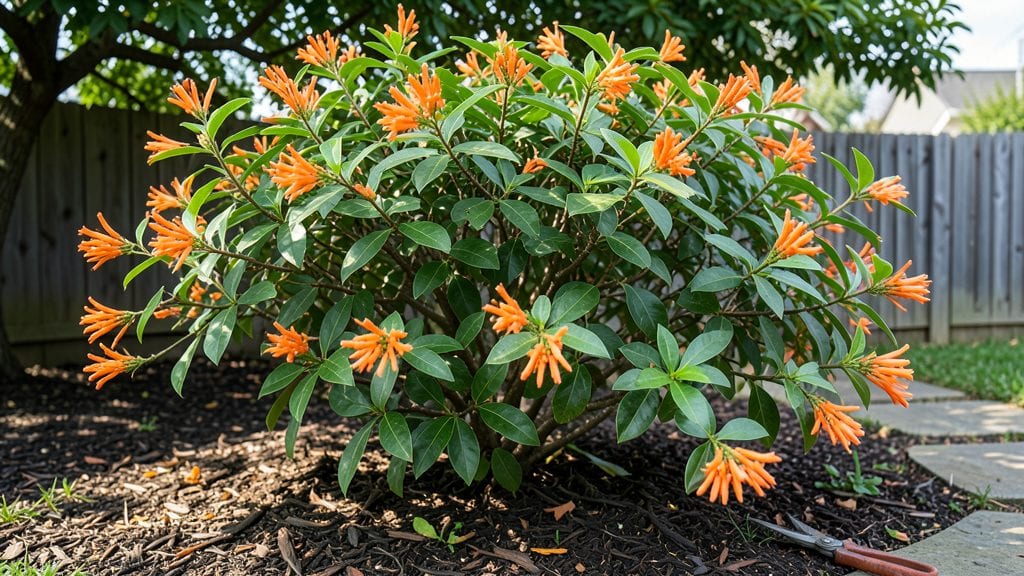
If you're dreaming of a south Florida tree with orange flowers that bursts into color like a tropical sunset, the Royal Poinciana (Delonix regia) is your answer. 🌺 This iconic tree doesn’t just bloom—it explodes with fiery orange blossoms that turn neighborhoods into postcard-perfect scenes, especially from April through June.
I’ve seen them transform bare winter branches into a cascade of petals that hum with bees and butterflies.
The magic of this tree isn’t just its drama—it’s how effortlessly it thrives in South Florida’s heat and humidity. Plant it in full sun with well-draining soil, and it’ll reward you with 30+ feet of shade while attracting birds and pollinators.
Water it deeply once established, and you’ll have a low-maintenance star that outshines anything at the nursery.
Imagine your front yard in spring, where the Poinciana’s blooms create a sunset glow that lasts for weeks. The tree’s feathery foliage stays lush year-round, and its drought tolerance means you’ll spend less time fussing and more time admiring.
Plus, its cultural significance in Florida makes it a conversation starter—locals and visitors alike will stop to admire it.
For best results, pair it with drought-tolerant ground covers like sago palms or muhly grass to highlight its vibrant base. Prune lightly after blooming to shape it, but avoid heavy cuts—this tree’s natural elegance is part of its charm. Ready to make your landscape shine?
📚 In This Guide
- What you need
- Instructions
- Tips and common mistakes
- Wrapping up and next steps
What you need
- ● Tree: A healthy 1–3 gallon Tabebuia sapling (age 1–3 years) from a local nursery (e.g., Tabebuia chrysantha or Tabebuia impetiginosa).
- ● Soil: Well-draining native sandy soil (amend with 20% compost for nutrient-rich soil).
- ○ Optional: 5 lbs of slow-release fertilizer (10-10-10 NPK ratio) for planting.
- ● Tools: Shovel (or digging bar for tough soil).
- ● Garden trowel (for root adjustments).
- ● Wheelbarrow (for moving soil/amendments).
- ● Watering can or hose with adjustable nozzle (1–2 gallons capacity).
- ○ Optional: Pruning shears (for shaping young trees).
- ● Location: Full sun (6+ hours daily) and USDA Hardiness Zones 9b–11 (South Florida is perfect!).
- ● Spacing: Plant 15–20 feet apart (or 25+ feet for mature trees to avoid root competition).
- ● Water Access: Drought-tolerant once established, but 10–15 gallons of water per week for the first year.
- ● Permits: Check with your local county (e.g., Miami-Dade, Broward) for tree planting regulations (especially near power lines).
- ● Season: Plant in late fall (Nov–Dec) or early spring (Feb–March) to avoid extreme heat.
How to plant and maintain a stunning South Florida tree with vibrant orange blooms
Here’s the straightforward approach I’ve used to grow these showstopper trees in Florida’s heat and humidity.
🌱 Step 1: Choose the Right Tree for Your Climate
For South Florida’s USDA Hardiness Zones 10b-11, the Royal Poinciana (Delonix regia) or Tabebuia (Tabebuia chrysantha) are the gold standards. Both thrive in full sun and tolerate the region’s 90°F+ temperatures with ease. The Royal Poinciana bursts with fiery orange-red blooms in spring, while Tabebuia offers pale yellow-orange flowers that last into summer.
Check local nurseries for container-grown saplings (3-5 feet tall) to bypass the slow growth of seed-started trees. Avoid young trees labeled as "mature"—they’re often mislabeled and may not handle transplant shock. Look for thick, woody stems and healthy foliage as signs of a robust specimen.
☀️ Step 2: Plant in Well-Draining Soil with Full Sun Exposure
Dig a hole twice as wide as the tree’s root ball but no deeper—planting too deep suffocates roots. South Florida’s sandy, well-draining soil is ideal, but amend with 2-3 inches of compost to boost nutrients. If your soil is heavy clay, mix in 1 part peat moss to improve aeration.
Position the tree where it gets at least 6 hours of direct sunlight daily. Morning sun is best—afternoon intensity can scorch young leaves. Water deeply once planted, then let the soil dry slightly before watering again. Overwatering in Florida’s heat leads to root rot, which kills trees faster than drought.
💧 Step 3: Water Deeply and Fertilize Strategically
For the first 30 days, water 2-3 times per week (deeply, soaking 12-18 inches down). After that, reduce to weekly deep waterings—these trees are drought-tolerant once established. Look for wilting leaves or dry soil 3 inches down as signals to water.
Fertilize twice a year (spring and fall) with a balanced, slow-release fertilizer (10-10-10 ratio). Apply ½ cup per inch of trunk diameter around the root zone, but never touch the trunk. Too much fertilizer causes leaf burn and excessive growth, which weakens the tree in storms.
✂️ Step 4: Prune for Shape and Health After Flowering
Prune only after the blooming season (late summer to early fall) to avoid removing next year’s flower buds. Remove dead, diseased, or crossing branches first, then thin out 10-15% of the canopy to improve airflow. Use sterilized pruners to prevent fungal spread.
Never prune more than 25% of the tree at once—this stresses the tree and invites pests. If you see yellowing leaves or sawdust-like frass (signs of borers), treat with neem oil spray immediately. These trees are tough, but neglect invites problems.
🪴 Step 5: Protect from Hurricanes and Pests Year-Round
South Florida’s hurricane season (June-November) demands preparation. Stake young trees only if necessary—over-staking restricts root growth. Instead, mulch heavily (3-4 inches of wood chips) to anchor roots. If a storm is forecasted, prune weak branches in advance to reduce wind damage.
Watch for scale insects and aphids, which thrive in Florida’s humidity. Spray with soapy water (1 tsp mild dish soap per gallon) monthly during peak growing season. Healthy trees handle pests better, so never skip fertilizing—even in winter.
Tips & tricks for perfect South Florida orange-blooming trees
Here's what I've learned from years of growing these vibrant trees in Florida's intense climate—details that make all the difference between a struggling plant and a showstopper.
Tree Selection Insight: When choosing between Royal Poinciana and Tabebuia, consider your space needs. Royal Poinciana grows wider (25-35 feet) with a more dramatic canopy, while Tabebuia stays slightly smaller (20-30 feet) but blooms later in summer. Both need full sun, but if your yard has afternoon shade, Tabebuia handles it better. The key is selecting a container-grown sapling—those 3-5 foot trees skip the slow seed-starting phase and establish faster. I've seen "mature" trees from big box stores fail within months because they're often under-sized and stressed.
Planting Depth Secret: That "no deeper" rule about planting is critical—root suffocation is silent killer. Use a reference stake: the top of the root ball should sit just above ground level. For heavy clay soil, my go-to amendment mix is 2 parts native soil to 1 part peat moss plus those 2-3 inches of compost. This creates perfect drainage while retaining enough moisture. Pro tip: Water the hole thoroughly before planting, then adjust the tree depth as needed—you can't go deeper, but you can always add more soil around the sides.
Watering Strategy: The 30-day watering schedule (2-3 times weekly) might seem excessive, but it's about establishing roots deep enough to handle Florida's droughts. Use a soil probe to check moisture—if it's dry 3 inches down, water again. After establishment, let the soil dry completely between waterings. I've seen trees wither because owners kept them too wet, thinking they needed constant moisture. These trees are tough once rooted—they'll tell you when they're thirsty through wilting leaves, not before.
Pruning Precision: When thinning that 10-15% of the canopy, focus on branches growing inward or upward. These are the ones that create weak points during storms. Always prune just outside the branch collar (that swollen area where the branch meets the trunk) to prevent tearing. For borer treatment, I've had best results with neem oil applied in late afternoon when bees are less active—it's more effective and safer for pollinators than chemical sprays.
Pro Tips for South Florida Tree With Orange Flowers
- Here's what I've learned from years of growing these vibrant trees in Florida's intense climate—details that make all the difference between a struggling plant and a showstopper.
- Tree Selection Insight: When choosing between Royal Poinciana and Tabebuia, consider your space needs.
- Planting Depth Secret: That "no deeper" rule about planting is critical—root suffocation is silent killer.
Frequently asked questions
Got questions about that stunning South Florida tree with fiery orange blooms?
You’re not alone! Here are answers to the most common queries about caring for, identifying, and enjoying these vibrant beauties in your landscape.
What’s the most common South Florida tree with bright orange flowers?
The Tabebuia caraiba (Yellow Tabebuia) and Tabebuia impetiginosa (Pink Trumpet Tree) are top picks, but the Erythrina herbacea (Coral Bean Tree) steals the show with its bold orange-red blooms. All thrive in Florida’s heat and humidity!
When do these trees bloom in South Florida?
Most orange-flowering trees burst into color in late winter to early spring (February–April), but some—like the Coral Bean—may rebloom sporadically. Pro tip: Prune lightly after flowering to encourage next year’s show!
How do I attract pollinators to my orange-flowering tree?
Skip pesticides near the tree! Orange blooms naturally draw hummingbirds, bees, and butterflies. Bonus tip: Plant companion natives like Firebush (Hamelia patens) nearby for a pollinator paradise.
Why aren’t my orange flowers lasting long?
Short-lived blooms are normal, but overwatering or poor drainage can stress the tree. Ensure it’s in well-draining soil and water deeply only when the top 2–3 inches are dry. Yellowing leaves? Check for fungal issues—prune affected branches promptly.
Are there low-maintenance alternatives to these trees?
Yes! Try Lagerstroemia (Crapemyrtle) for drought tolerance or Caesalpinia pulcherrima (Mexican Bird of Paradise) for striking orange-red flowers. Both handle Florida’s climate with ease and minimal fuss.
How big do these trees get, and do they need pruning?
Most orange-flowering trees mature at 20–30 feet tall. Prune in late winter to shape the tree and remove dead wood. Warning: Some, like the Coral Bean, have thorns—wear gloves!
Wrapping up and next steps
Discovering the South Florida tree with orange flowers—like the vibrant Tabebuia or Royal Poinciana—is like unlocking a burst of sunshine for your landscape! These stunning blooms not only add year-round elegance but also thrive in the region’s climate, making them a low-maintenance yet high-impact choice.
Whether you’re a gardening enthusiast or simply love nature’s beauty, these trees are a perfect way to elevate your outdoor space.
Ready to bring this tropical charm to your yard? Start by researching the best variety for your space—then reach out to a local nursery or landscaper to get planting! 🌺 With the right care, you’ll enjoy these fiery blooms for years to come.