
Flowers
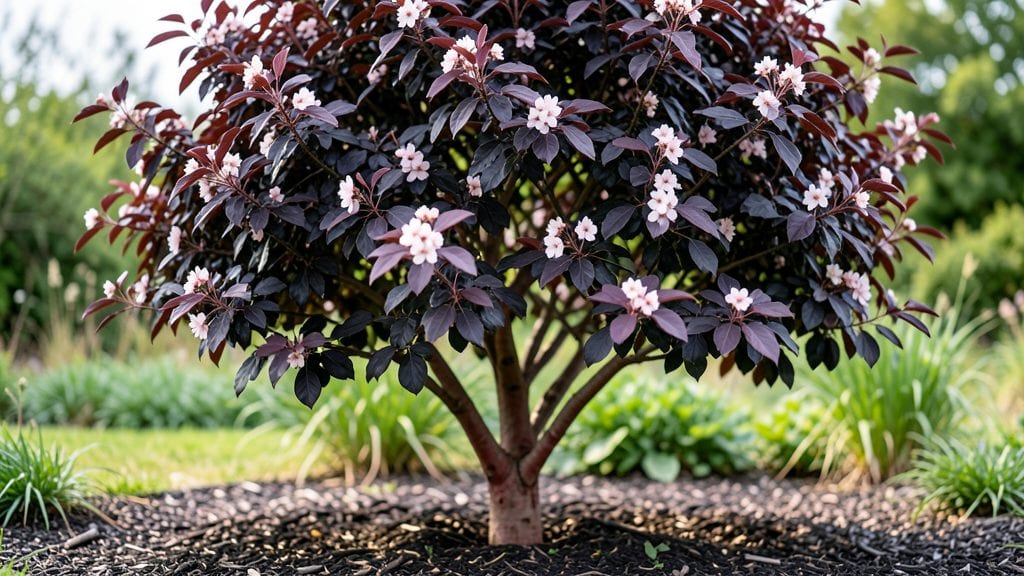
The intoxicating ornamental plum tree flowers I planted five years ago now greet my neighbors every March as the first tree in bloom. The secret isn’t just the timing—it’s the right spot, soil, and a little pruning magic that keeps those blossoms coming back bigger each year.
The best varieties—like ‘Santa Rosa’ or ‘Methley’s Red’—thrive in full sun with well-draining soil, and they reward you with weeks of blooms that attract bees, butterflies, and hummingbirds year-round.
You’ll need basic tools (pruners, gloves) and patience, but the payoff is worth it: clusters of pink, white, or red flowers that smell like a springtime dream. Even in colder zones, these trees handle frost better than most.
By late spring, you’ll have vibrant foliage and maybe even small, edible plums (though they’re not the star here). The real magic happens when the tree becomes a hub for wildlife, with pollinators hovering over the blossoms for hours.
Prune in late winter to shape the tree and encourage next year’s flowers—it’s simpler than it sounds, and the results are stunning.
Works in urban yards, rural landscapes, or even large containers if you choose a dwarf variety. Whether you’re a beginner or a seasoned gardener, this tree delivers low-maintenance beauty that keeps giving. Let’s get yours growing!
📚 In This Guide
- What you need
- Instructions
- Tips and common mistakes
- Wrapping up and next steps
What you need
- ● Ornamental plum tree sapling: Choose a Prunus serrulata cultivar (e.g., 'Kwanzan,' 'Shirotae,' or 'Fashionable'). Ensure it’s disease-resistant and hardy for your USDA zone (typically 5-8).
- ● Well-draining soil: A mix of 60% native soil, 30% compost, and 10% perlite/sand (for drainage). Test soil pH (ideal: 6.0–7.0).
- ● Organic mulch: 3–4 inches of wood chips or shredded bark to retain moisture and suppress weeds.
- ● Fertilizer: Balanced granular fertilizer (10-10-10) at planting.
- ● Slow-release fertilizer (e.g., 14-14-14) in early spring and late summer.
- ● Shovel (for digging holes 3x wider and 2x deeper than the root ball).
- ● Pruning shears (sterilized with rubbing alcohol) for shaping and removing dead branches.
- ● Garden hose or watering can with a rose attachment for deep watering.
- ● Gloves (heavy-duty for digging, lightweight for pruning).
- ○ Stakes & ties (optional, for young trees in windy areas).
- ● Sunlight: 6+ hours of full sun daily (partial shade tolerates but reduces bloom intensity).
- ● Space: Minimum 15–20 feet between trees (or nearby structures) for mature spread.
- ● Water source: Consistent access for deep watering 2–3x/week (1–1.5 gallons per watering for young trees).
- ● Pest/disease monitoring: Know your region’s common threats (e.g., Plum pox virus, scale insects).
Step-by-step guide to cultivating stunning ornamental plum tree flowers
Here's how to coax breathtaking blossoms from your ornamental plum tree—season after season.
🌱 Step 1: Select and Prepare the Right Location
Ornamental plum trees thrive in full sun—at least 6-8 hours daily—so choose a spot with unobstructed southern or western exposure. I always check for well-draining soil first; these trees despise soggy roots. If your soil compacts easily when squeezed, amend it with 2-3 inches of compost mixed into the top 12 inches before planting.
Dig a hole twice as wide as the root ball but only as deep. Plum trees resent being planted too deep, which can suffocate the graft union. Loosen the roots gently if they're circling—this encourages outward growth instead of girdling. Water the hole thoroughly before placing the tree in, then backfill with native soil to eliminate air pockets.
☀️ Step 2: Optimize Sunlight and Pruning for Maximum Blooms
Prune in late winter or early spring—just before buds swell—to shape the tree and encourage abundant flowering. Remove dead, crossing, or inward-growing branches first. I always cut back to an outward-facing bud to promote air circulation and sunlight penetration. For established trees, thin the canopy by 20-30% to redirect energy toward floral production rather than dense foliage.
Watch for water sprouts (suckers) that pop up at the base or along branches. These steal nutrients from the main tree. Snip them off at the base with clean pruners. After pruning, apply a balanced 10-10-10 fertilizer around the drip line—this feeds the roots while encouraging vigorous spring growth and floral buds.
💧 Step 3: Water Deeply and Strategically for Flower Production
Newly planted trees need 1-2 inches of water weekly, but established specimens are surprisingly drought-tolerant once established. I water deeply once a week during dry spells, targeting the root zone (not the leaves) to prevent fungal issues. Use a soaker hose for 30-45 minutes to saturate the soil to a depth of 12-18 inches. You'll know it's right when water runs out the bottom of the hole if you dig down.
Mulch with 3-4 inches of organic mulch (like shredded bark) to retain moisture and regulate soil temperature. Keep mulch 6 inches away from the trunk to prevent rot. Avoid overwatering—plum trees in soggy soil develop root rot, which kills them faster than any pest. If leaves yellow between veins, that's your signal to cut back on water.
✂️ Step 4: Maintain Year-Round for Continuous Pollinator Appeal
After the initial spring bloom, deadhead spent flowers to encourage a second flush of blooms later in the season. I use sterilized pruners to snip just above a leaf bud, which redirects the tree's energy toward new growth instead of seed production. This trick works especially well for varieties like 'Santa Rosa' or 'Methley's Red'.
Feed lightly in early spring with a low-nitrogen, high-phosphorus fertilizer (like 5-10-10) to boost flowering. Avoid high-nitrogen fertilizers—they promote leafy growth at the expense of blossoms. In fall, apply a slow-release fertilizer to strengthen roots for next year's display. Prune lightly in late fall to remove any diseased branches and shape for winter.
🪴 Step 5: Protect and Prepare for Next Season
As winter approaches, wrap young trees with tree guards to shield them from sunscald and animal damage. Mature trees usually handle cold well, but a thick layer of mulch (up to 4 inches) insulates roots from freezing temperatures. I always check for pest eggs on branches in late fall—scrub off any sawfly or scale insect eggs with a soapy water solution to prevent next year's infestations.
In early spring, before buds swell, spray the tree with neem oil as a preventative measure against aphids and mites. These pests can defoliate a tree in days, robbing it of energy needed for blooms. Monitor for powdery mildew on leaves—if you see white fuzzy spots, treat with a copper fungicide and improve air circulation by pruning the canopy.
Tips & tricks for cultivating stunning ornamental plum tree flowers
Transforming your plum tree into a floral showstopper takes more than just patience—it's about understanding the subtle details that make all the difference. Here's what I've learned after years of nurturing these beauties.
Sunlight Strategy: While the instructions emphasize full sun, not all southern exposures are equal. I've found that trees planted near reflective surfaces like driveways or light-colored walls often receive an extra boost of indirect light, which can enhance bloom production. If your yard has limited direct sunlight, consider placing the tree where it gets morning sun and afternoon shade—this prevents stress while still encouraging flowering.
Pruning Precision: The instructions mention pruning in late winter or early spring, but timing is everything. I wait until the buds are just about to swell—this is when the tree is primed for new growth. Use sharp, sterilized pruners to make clean cuts at a 45-degree angle just above an outward-facing bud. This technique promotes better healing and more vigorous new shoots that will eventually become flowering branches.
Watering Wisdom: The 30-45 minute soaker hose session is perfect for established trees, but newly planted specimens often need more frequent attention. I've had success with a simple rule: water when the top 2 inches of soil feel dry to the touch. This prevents overwatering while ensuring roots get the moisture they need to establish themselves. For container-grown trees, check soil moisture daily during the first two weeks after planting.
Seasonal Care Calendar: Beyond the spring and fall maintenance mentioned, I've created a seasonal checklist that keeps my plum trees thriving year-round. In late summer, I apply a light layer of compost around the base to replenish nutrients. During winter, I avoid heavy pruning unless necessary—plum trees are vulnerable to disease when stressed, and winter pruning can invite infections. The key is to work with the tree's natural cycles rather than against them.
Pro Tips for Ornamental Plum Tree Flowers
- Transforming your plum tree into a floral showstopper takes more than just patience—it's about understanding the subtle details that make all the difference.
- Sunlight Strategy: While the instructions emphasize full sun, not all southern exposures are equal.
- Pruning Precision: The instructions mention pruning in late winter or early spring, but timing is everything.
Frequently asked questions
Got questions about growing and enjoying ornamental plum tree flowers? Here are some of the most common queries—plus expert answers to help you make the most of these fragrant beauties!
When do ornamental plum tree flowers bloom, and how long do they last?
Most ornamental plum trees burst into bloom in early to mid-spring (February–April, depending on your climate), often before the leaves appear. Their flowers typically last 1–3 weeks, but some varieties, like Prunus cerasifera, may rebloom lightly in summer with proper care.
Can ornamental plum trees survive in cold climates, or do they need warm weather?
Many ornamental plum varieties are hardy to USDA Zones 5–9, making them great for colder regions. For example, Prunus cerasifera 'Thundercloud' thrives in Zone 5, while Prunus mume (Japanese plum) handles Zone 6. Just plant in full sun and protect young trees from late frosts with frost cloth if needed.
Do ornamental plum trees attract bees, and are they safe for pollinators?
Their highly fragrant flowers are a magnet for bees, butterflies, and hummingbirds—especially early in the season when pollinators need nectar. Unlike fruit-bearing plums, ornamental varieties don’t produce edible fruit, so they won’t lure pests like fruit flies. Plant them near pollinator gardens for a year-round boost to local ecosystems.
What’s the best way to prune an ornamental plum tree to encourage more flowers?
Prune in late winter or early spring (before bud break) to shape the tree and remove dead wood. Focus on open-centered pruning: cut back 1/3 of the oldest branches annually to promote new growth and flower production. Avoid heavy pruning in summer, as it can stress the tree. Use sterilized tools to prevent disease!
Are there dwarf or small ornamental plum tree varieties for tight spaces?
Yes! If space is limited, consider these compact options:
- Prunus cerasifera 'New Dawn' (12–15 ft tall, great for small yards)
- Prunus mume 'Barely Pink' (10–12 ft, cold-hardy and fragrant)
- Columnar varieties like Prunus 'Sno-Witch' (10–12 ft tall, narrow shape)
Why aren’t my ornamental plum tree flowers opening, or are they dropping early?
Common culprits include late frosts (damaging buds), overwatering (root rot), or nutrient deficiencies (like lack of phosphorus). Check for pests like plum curculio or fungal diseases (e.g., silver leaf). If buds form but don’t open, try thinning dense branches to improve airflow.
Wrapping up and next steps
Ornamental plum tree flowers aren’t just a springtime showstopper—they’re a year-round gift to pollinators, gardeners, and nature lovers alike. With their fragrant blooms, easy care, and adaptability, these trees prove that beauty and sustainability go hand in hand.
Whether you’re a seasoned gardener or just starting, adding one to your landscape is a simple yet rewarding way to elevate your outdoor space.
Ready to plant your own plum tree paradise? Start by researching the best varieties for your climate, then grab your gloves and get growing! 🌸 Your future blooms—and the buzzing pollinators—will thank you.