Flowers
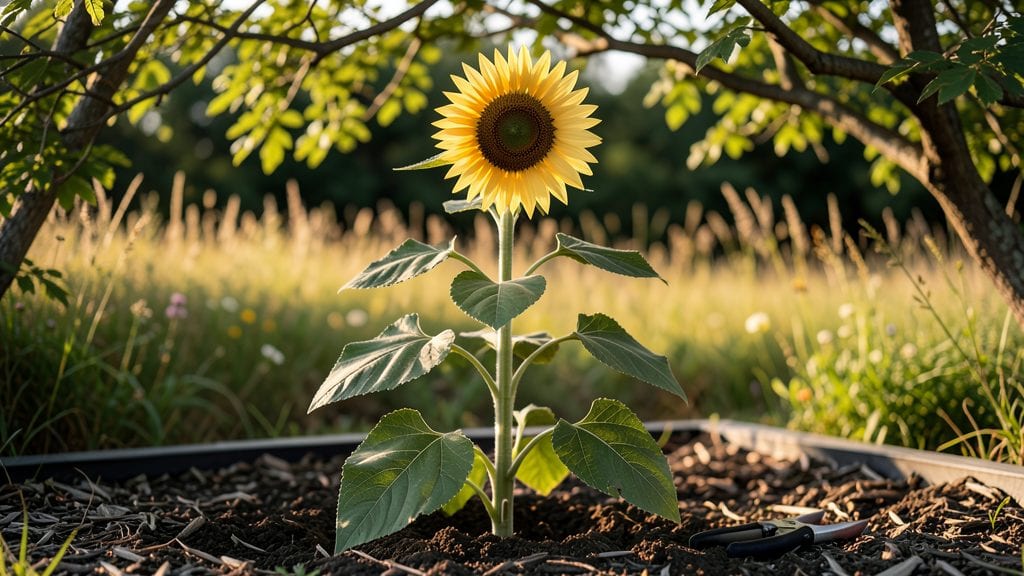
Growing perennial sunflowers means year-after-year golden starbursts that outshine annual varieties—no replanting needed. 🌻 I planted my first patch last spring and was stunned when they returned bigger and bolder this year, proving these sunflowers are the unsung heroes of the garden.
The secret lies in their deep roots and cold tolerance, which let them push through frost and still bloom by summer.
You’ll need full sun (at least 6 hours daily), well-draining soil, and patience—these aren’t the fast-growing annuals you’re used to. Start with 3-6 inch divisions in early spring or fall, spacing plants 2-3 feet apart for their mature height of 5-10 feet.
Water deeply once established, but avoid soggy soil, which causes root rot. The payoff? Sunflowers that thrive for decades with minimal care.
By midsummer, you’ll have towering blooms that attract pollinators and turn heads in the neighborhood. The foliage stays lush even in drought, and the stems are sturdy enough to support heavy blooms without flopping.
Prune back dead flowers in fall to encourage next year’s growth—it’s the one trick that keeps them coming back stronger.
Perfect for cottage gardens, prairie-style plantings, or even urban spaces with enough sunlight. These sunflowers adapt to zones 3-9, making them the most reliable tall blooms in your garden. Ready to grow sunflowers that outlast annuals? Let’s get started.
📚 In This Guide
- What you need
- Instructions
- Tips and common mistakes
- Wrapping up and next steps
What you need
- ● Perennial sunflower plants or seeds: Choose cold-hardy varieties like Helianthus species (e.g., Helianthus maximiliani or Helianthus salicifolius). Purchase 1–3 plants (or seeds) from a reputable nursery or seed supplier.
- ● Well-draining soil: Test soil pH (ideal range: 6.0–7.5). Amend with compost or aged manure (1–2 gallons per planting hole) for fertility.
- ● Sunlight access: Full sun (6+ hours daily) is a must—these sunflowers thrive in bright light!
- ● Watering can or hose: Deep watering (1–2 inches per week) during dry spells.
- ● Garden gloves and trowel: For planting and soil prep—protect your hands and make the job easier!
- ● Mulch (straw or wood chips): Helps retain moisture and suppress weeds.
- ● Fertilizer (balanced 10-10-10 or organic options): Apply once in early spring for a boost.
- ● Plant markers: Label varieties if growing multiple types.
- ● Pruning shears: For shaping or removing dead blooms to encourage regrowth.
- ● Drip irrigation system: Automates watering for busy gardeners!
Step-by-Step guide to establishing perennial sunflower plants
Here's how to plant these hardy beauties so they thrive and return year after year.
🌱 Step 1: Choose the Perfect Planting Location
Perennial sunflowers need full sun—at least 6-8 hours daily—to reach their full potential. I always scout the sunniest spot in my garden because these plants won't tolerate shade. Look for areas where other sun-lovers thrive, like coneflowers or black-eyed Susans.
Check the soil drainage by digging a small hole and filling it with water. If it drains within 30 minutes, the site is ideal. If water pools, amend the soil with 2-3 inches of compost to improve drainage. Perennial sunflowers hate soggy roots, so this step is critical.
🪴 Step 2: Prepare the Soil for Long-Term Growth
Loosen the soil to a depth of 12-18 inches using a garden fork or tiller. This encourages deep root growth, which helps perennial sunflowers withstand winter. Mix in 3-4 inches of organic matter—like compost or well-rotted manure—into the top 6 inches of soil.
Perennial sunflowers prefer slightly alkaline soil with a pH of 6.0-7.5. Test your soil with a kit if unsure. If the pH is too low, add pelletized lime according to package instructions. The goal is to create a nutrient-rich, well-aerated bed that supports strong root development.
☀️ Step 3: Plant with Proper Spacing for Future Growth
Dig holes twice as wide as the root ball but no deeper. Space plants 2-3 feet apart to allow for mature growth—these sunflowers can reach 5-7 feet tall. Gently remove the plant from its container and place it in the hole, ensuring the top of the root ball sits level with the soil surface. Here's the thing—perennial sunflowers resent being buried too deep.
Backfill the hole with soil, pressing lightly to eliminate air pockets. Water deeply to settle the roots and remove any tags or protective wrappings from the plant. Mulch around the base with 2-3 inches of organic mulch, leaving a 2-inch gap around the stem to prevent rot. This keeps moisture consistent and suppresses weeds.
💧 Step 4: Water and Maintain for First-Year Establishment
Water newly planted sunflowers deeply once a week for the first 4-6 weeks, ensuring the soil stays moist but not waterlogged. You'll know it's right when the top 1-2 inches of soil feel damp but not soggy. Overwatering is a common mistake—these plants are drought-tolerant once established.
Fertilize lightly with a balanced, slow-release fertilizer (like 10-10-10) at planting and again in early spring. Avoid high-nitrogen fertilizers, which promote leafy growth at the expense of flowers. Monitor for pests like aphids or slugs, but resist the urge to treat unless necessary—perennial sunflowers are tough and can handle some early stress.
Tips & tricks for perfect perennial sunflower establishment
These hardy plants reward patience—here's how to set them up for long-term success without common pitfalls.
Sunlight Strategy: The 6-8 hours of daily sun in Step 1 is non-negotiable, but I've found that morning sun (east-facing) paired with afternoon shade (west-facing) actually works better in hot climates. If your garden has afternoon shade, position plants to catch the morning rays first—this prevents leaf scorch while still giving them their required sunlight. Trust me, I learned this after watching my first batch develop brown patches in peak afternoon heat.
Soil Science: When testing drainage in Step 1, I recommend using a trowel to create a deeper hole (about 6 inches) rather than just a small test spot. This gives you a more accurate reading of what the roots will actually experience. For the 2-3 inches of compost in poorly draining soil, I like to mix in perlite or coarse sand to create better aeration—this helps prevent the very root rot that perennial sunflowers fear.
Planting Precision: The 2-3 feet spacing in Step 3 might seem generous, but here's the thing—these sunflowers can grow aggressively. I've seen them reach 7 feet tall with stems as thick as my wrist, and that's when proper spacing really pays off. If you're planting in a small garden, consider using dwarf varieties (like 'Moulin Rouge') which stay around 3-4 feet tall and can be spaced 18-24 inches apart.
Watering Wisdom: That first 4-6 weeks of weekly watering in Step 4 is crucial, but I've found a simple trick to check moisture: Stick your finger 2 inches into the soil—if it feels dry at that depth, water. If it's still damp, wait another day. Overwatering is the #1 killer of young perennials, and sunflowers are no exception. I also recommend watering in the morning so any excess moisture evaporates during the day rather than sitting around the roots.
Pro Tips for Perennial Sunflower Plants
- These hardy plants reward patience—here's how to set them up for long-term success without common pitfalls.
- Sunlight Strategy: The 6-8 hours of daily sun in Step 1 is non-negotiable, but I've found that morning sun (east-facing) paired with afternoon shade (west-facing) actually works better in hot climates.
- Soil Science: When testing drainage in Step 1, I recommend using a trowel to create a deeper hole (about 6 inches) rather than just a small test spot.
Frequently asked questions
Got questions about perennial sunflowers? You’re not alone!
Here’s what gardeners ask most often—and how to tackle them like a pro.
Can perennial sunflowers really survive winter in my climate?
Yes! Most perennial sunflowers (like Helianthus species) thrive in USDA Zones 3–9. They’re cold-hardy, but mulch heavily in winter to protect roots. In colder zones, choose varieties like Helianthus maximiliani (Maximilian sunflower), which handles frost beautifully. Just avoid soggy soil—drainage is key!
How long does it take for perennial sunflowers to bloom after planting?
Patience pays off! First-year plants may focus on root growth, blooming lightly or not at all. By year 2 or 3, they’ll reward you with showstopping flowers (June–September). Deadhead spent blooms to encourage more flowers—just leave some seeds for wildlife!
Are perennial sunflowers deer-resistant? (Or should I give up my garden dreams?)
Deer usually avoid them, but hungry herds might nibble young shoots. Try these tricks:
- Plant near deer-deterrents like lavender or Russian sage.
- Use repellent sprays (peppermint oil works!).
- Opt for taller varieties (6+ feet) that deer skip.
What’s the best way to propagate perennial sunflowers?
Easy-peasy! Try these methods:
- Division: Split clumps in early spring or fall.
- Seed: Collect seeds from mature blooms and sow in fall or spring.
- Cuttings: Root semi-hardwood cuttings in summer (less common but doable!).
Do perennial sunflowers attract pests? How do I keep them happy?
They’re a magnet for pollinators (), but watch for:
- Aphids: Blast off with water or use insecticidal soap.
- Powdery mildew: Improve airflow and avoid overhead watering.
- Squirrels: Harvest seeds early or use netting!
Wrapping up and next steps
Perennial sunflowers are a game-changer for gardeners who crave low-maintenance, long-lasting beauty with a pop of color! Their cold-hardy nature and ability to return year after year make them a rewarding choice for any landscape.
Whether you're drawn to their striking blooms or their eco-friendly appeal, these sunflowers prove that easy and stunning can go hand in hand.
Ready to transform your garden? Start by selecting the right variety for your climate, then dive into planting and care with confidence. Watch your yard bloom with joy—and come back for more! 🌻✨