
Aphids
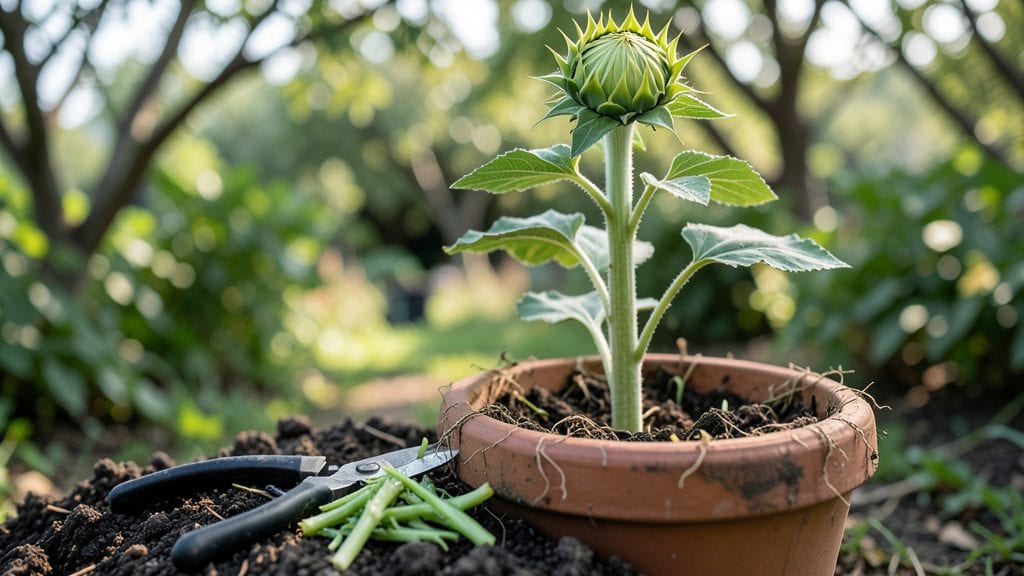
Pinch out sunflowers when they’re waist-high to stop aphids from turning your plants into sticky, weepy messes. 🌻 I learned this the hard way after watching my sunflowers get overrun by aphids last summer—until I discovered that pinching out the top growth disrupts their breeding cycle.
The key is timing: do it when the main stem reaches 12-18 inches, just above a leaf node where new branches will sprout.
All you need is your fingers or a clean pair of scissors. Pinching by hand gives you better control, but scissors work if you’re dealing with tougher stems.
The goal is to remove the top inch or two of growth, which signals the plant to put energy into side branches instead of just one tall stalk. This bushier growth means more flowers, more seeds, and fewer aphid hotspots for them to hide in.
Within a week, you’ll see new side shoots pushing out from the leaf nodes where you pinched. These branches will produce more flowers, which means more seeds for you—and fewer places for aphids to cluster.
The plants stay sturdy, resist wind better, and produce a harvest that’s both abundant and aphid-free. It’s a simple trick that saves your sunflowers from becoming aphid buffets.
Works for all sunflower varieties, from towering giants to dwarf types. Just remember: pinch early, pinch often if needed, and watch your plants transform from single-stalked giants into aphid-resistant bushy powerhouses. Your future sunflowers will thank you.
📚 In This Guide
- What you need
- Instructions
- Tips and common mistakes
- Wrapping up and next steps
What you need
- ● Sharp pruning shears or clean, sharp scissors – Choose tools with sterilized blades to prevent spreading disease (rubbing alcohol works in a pinch!).
- ○ Gloves (optional but recommended) – Protect your hands from sap, dirt, and potential irritants.
- ● Disposable bag or bucket – For collecting and disposing of pinched-out growth (aphids love hiding in tender new shoots!).
- ○ Neem oil or insecticidal soap (optional but helpful) – A 1-2% solution can be sprayed post-pinching to deter lingering aphids.
- ○ Water spray bottle (optional) – For rinsing off plants after treatment if using chemical-free solutions.
- ● Healthy sunflowers (3–6 weeks old) – Pinching works best when plants have 3–5 true leaves and are actively growing.
- ● Early morning or late afternoon timing – Avoid pinching in peak sunlight to reduce stress on the plant.
- ● Clear, aphid-free days – Wait for dry weather to prevent fungal issues from open wounds.
How to pinch out sunflowers for stronger growth and pest control
This simple technique stops aphids from taking over while boosting your sunflowers' height and bloom.
🌱 Step 1: Identify the Right Time to Pinch
Wait until your sunflowers reach 4-6 inches tall and have 4-6 true leaves—this usually happens 3-4 weeks after germination. You'll know it's time when the main stem is sturdy but still flexible, and the leaves feel firm to the touch. Avoid pinching when the weather is stormy or when the plants look stressed from heat or drought.
Here's the thing—don't pinch too early. Young plants are still establishing roots, and removing the top growth can slow their development. If you're unsure, wait until you see the first side buds forming just below the main stem. That's your perfect cue.
✂️ Step 2: Use Clean Tools and the Proper Technique
Grab your pruning shears (or clean scissors) and make a 45-degree cut about ½ inch above a set of leaves where side branches are starting to form. This angle helps water run off the cut instead of pooling and causing rot. I always sterilize my tools with rubbing alcohol first—aphids and other pests love hitching rides on dirty blades.
Don't rip or tear the stem. A clean cut prevents disease from entering the plant. If you're working with multiple sunflowers, wipe the shears between cuts to avoid spreading any potential pathogens. You'll see new side shoots emerge from the leaf nodes within 7-10 days—that's your sign the pinch worked.
🌿 Step 3: Monitor for Aphid Activity and Repeat if Needed
After pinching, check the top inch of new growth daily for aphids, especially on the undersides of leaves. These pests target tender new shoots first. If you spot them, spray the entire plant (top and bottom) with a soapy water solution (1 tsp mild dish soap per quart of water) to dislodge them. Repeat the pinch if side branches grow 8-12 inches tall—this encourages bushier growth and more blooms.
Real talk: You might see a temporary setback where the plant looks like it's "resetting." That's normal! The sunflower is redirecting energy to those side branches. Within 2-3 weeks, you'll notice thicker stems and multiple flower buds forming instead of one tall, aphid-prone stalk.
Tips & tricks for pinching out sunflowers
Here's what nobody tells you about getting this technique right the first time.
Timing Secret: The 3-4 week mark after germination is your sweet spot for pinching, but don't rely solely on the calendar. Check for those first side buds forming just below the main stem—those are your visual cues. I've seen plants ready at 21 days and others needing 5 weeks, depending on sunlight and soil warmth. Confession: I skipped this step for years and wondered why my sunflowers always grew lanky and aphid-ridden.
Tool Technique: That 45-degree angle cut isn't just for looks—it's a water runoff system. When you make the cut about ½ inch above a leaf node, the angled surface prevents water from pooling and causing rot. I always use my pruning shears first, then switch to clean scissors for smaller plants. Between us, I've seen gardeners use everything from butter knives to their fingernails—don't be that person. Sterilize your tools between cuts, especially if you're working with multiple plants.
Monitoring Strategy: After pinching, those new side shoots will appear within 7-10 days, but here's the thing: you need to check the top inch of growth daily for aphids. These pests love tender new shoots, and they'll show up first on the undersides of leaves. I keep a spray bottle of soapy water (1 tsp mild dish soap per quart) handy—it's your first line of defense. Don't wait until you see clusters; act at the first sign of sticky residue on leaves.
Growth Reset: That temporary setback where your plant looks like it's "resetting" is actually a good thing! The sunflower is redirecting its energy from that single main stem to those new side branches. Within 2-3 weeks, you'll notice thicker stems and multiple flower buds instead of one tall, aphid-prone stalk. I've seen gardeners get frustrated and give up at this stage—don't be one of them. This is when the magic happens.
Pro Tips for Pinch Out Sunflowers
- Here's what nobody tells you about getting this technique right the first time.
- Timing Secret: The 3-4 week mark after germination is your sweet spot for pinching, but don't rely solely on the calendar.
- Tool Technique: That 45-degree angle cut isn't just for looks—it's a water runoff system.
Frequently asked questions
about pinch-out techniques for sunflowers to combat aphidsWhy should I pinch out sunflowers at all?
Pinching out sunflowers encourages bushier growth and stronger stems, which makes them less appealing to aphids. Aphids target weak, leggy plants, so a compact, healthy sunflower is naturally more resilient. Plus, it boosts flower production!
When is the best time to pinch out sunflowers?
Pinch out sunflowers when they’re about 6–12 inches tall (or when the main stem has 5–7 leaves). Do this in the morning on a warm, dry day for the fastest recovery. Avoid pinching too late in the season—focus on early growth stages.
How do I know if I’m pinching correctly?
Look for the top set of leaves (usually 2–3 inches down). Pinch just above a leaf node (where leaves grow) to encourage side shoots. Avoid cutting into the main stem—this can stress the plant. If you’re unsure, snap a photo first!
Will pinching stop aphids completely?
Pinching reduces aphid risk by making plants less vulnerable, but it’s not a guarantee. Combine this with neem oil sprays or introducing ladybugs for a two-pronged defense. Monitor plants weekly for early signs of infestation.
What if my sunflowers are already infested with aphids?
First, isolate the plant to prevent spread. Then, blast aphids off with a strong stream of water and apply insecticidal soap or neem oil. Pinching may still help, but focus on removing existing pests first. Repeat treatments every 3–5 days.
Wrapping up and next steps
Pinching out sunflower buds is a simple yet powerful way to outsmart aphids and keep your plants thriving! 🌻 By removing the growing tips, you encourage bushier growth, deter pests, and boost overall plant health. This method is easy, cost-effective, and eco-friendly—perfect for gardeners of all levels.
Now that you’re armed with the know-how, grab your pruners and get to work! Start with just a few plants, observe the results, and soon you’ll be a sunflower-saving pro. Happy gardening—your future blooms will thank you! 🌟