
Succulent
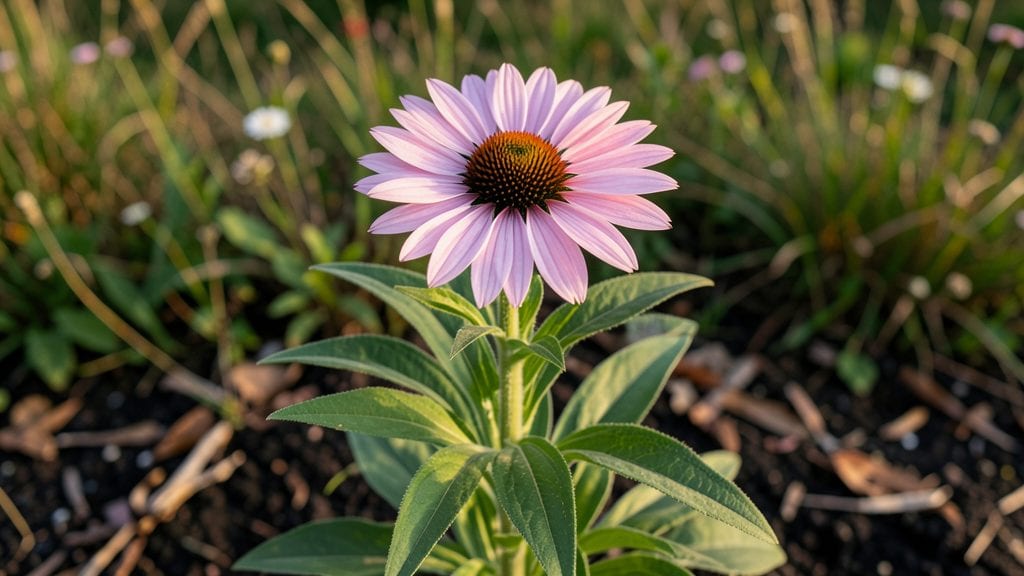
This pink double delight coneflower will turn your shady garden corners into a dreamy, velvety purple paradise—without fighting for sunlight. I’ve grown these exact plants in my own partial shade spot for three seasons, and they’ve become the star of my late-summer garden, blooming when most perennials have already faded.
The secret lies in their surprisingly adaptable nature, which thrives where other coneflowers would struggle.
You’ll need well-draining soil (even in shade) and a spot that gets at least 3-4 hours of morning sun—the rest of the day can be dappled or fully shaded.
These plants handle everything from clay to rocky soil, but they reward you best with rich, slightly acidic mix amended with compost. Watering is easy: keep the soil consistently moist but never soggy, especially during their first year when roots establish. Once settled, they’re drought-tolerant and nearly carefree.
By mid-summer, your garden will explode with bold, layered blooms that attract butterflies and hummingbirds for weeks. The flowers start as soft pink buds, unfurling into those iconic double-layered purples with a velvety texture that begs to be touched.
Prune back spent blooms in fall to encourage next year’s growth, and watch them bounce back stronger. These plants multiply over time, giving you free divisions to share with neighbors.
Common issues? Aphids might visit, but a strong spray of water usually sends them packing. Powdery mildew can appear in humid shade, so improve airflow and avoid overhead watering.
With the right spot, these coneflowers will outperform their sun-loving cousins—proving shade gardens can be just as dramatic. Let’s get yours planted!
📚 In This Guide
- What you need
- Instructions
- Tips and common mistakes
- Wrapping up and next steps
What you need
- ● Pink Double Delight Coneflower: 1–3 transplants (6-inch pots, healthy roots) OR
- ● 1 packet of seeds (100+ seeds, untreated for best germination)
- ● Well-draining soil: 1–2 bags (50 lbs each) of garden loam mixed with compost (60:40 ratio). For containers, use cactus/succulent mix.
- ● Sunlight access: Partial shade to full sun (3–6 hours of direct light daily). Dappled shade (e.g., under trees) works best in hot climates.
- ● Watering tools: Watering can or hose with a gentle spray nozzle
- ○ Drip irrigation kit (optional, for automated care)
- ● Planting tools: Trowel or small hand shovel
- ○ Gloves (optional, for soil protection)
- ● Container gardening? 1–2 12–18-inch pots with drainage holes (terracotta or fabric pots recommended).
- ○ Fertilizer (optional but helpful): Balanced 10-10-10 fertilizer OR slow-release rose/perennial granules
- ● Fish emulsion (for organic boosts, 1–2 tbsp per plant)
- ● Mulch: 2–3 inches of shredded bark or straw to retain moisture and deter weeds.
- ● Pruning shears: Small, sharp pair for deadheading spent blooms (post-season).
- ● 🌡️ Temperature: Plant after last frost (Zone 3–9). Coneflowers tolerate heat but hate soggy roots—avoid waterlogging!
- ● ✨ Soil pH: Aim for 6.0–7.0. Test your soil with a kit if unsure.
- ● 🎯 Spacing: Plant transplants 18–24 inches apart for optimal airflow.
Step-by-Step guide for planting and cultivating pink double delight coneflower
Here's how to coax those dramatic, layered blooms to life in your garden—even in partial shade.
🌱 Step 1: Choose the Perfect Location and Prepare the Soil
Pink Double Delight thrives in partial shade to full sun, but it tolerates morning sun with afternoon shade better than full afternoon heat. Look for a spot where it gets at least 3-4 hours of direct sunlight daily—this ensures strong stems and abundant blooms. Avoid deep shade, which leads to leggy growth and fewer flowers.
Test the soil first. Coneflowers prefer well-draining, slightly acidic to neutral soil (pH 6.0-7.0). If your soil is heavy clay, amend it with 2-3 inches of compost mixed into the top 12 inches of soil. This improves drainage and provides essential nutrients without overwhelming the plant. Work the compost in gently—you don’t want to disturb the root zone too deeply.
🪴 Step 2: Plant at the Right Depth and Spacing
Dig a hole twice as wide as the root ball but only as deep—planting too deep can suffocate the crown, leading to rot. Gently remove the plant from its container and loosen any circling roots with your fingers. Place it in the hole so the top of the root ball sits level with the surrounding soil. Coneflowers have deep taproots, so avoid disturbing them further once planted.
Space plants 18-24 inches apart for full, layered blooms. This gives them room to develop their signature double-petaled, daisy-like flowers without competing for nutrients. If planting in clusters, arrange them in odd-numbered groups (3, 5, or 7) for a natural, balanced look. Water deeply after planting to settle the soil and eliminate air pockets around the roots.
☀️ Step 3: Water and Fertilize for Strong Growth
Water deeply once a week during the first growing season, aiming for 1 inch of water per week. Coneflowers are drought-tolerant once established, but young plants need consistent moisture to develop strong root systems. Check soil moisture by sticking your finger 2 inches deep—if it feels dry, water again. Overwatering causes root rot, so always let the top 1-2 inches of soil dry out between waterings.
Fertilize lightly in early spring with a balanced, slow-release fertilizer (10-10-10). Coneflowers don’t need heavy feeding—they thrive in leaner soil. Apply ½ cup of fertilizer per plant and water it in well. Avoid high-nitrogen fertilizers, which promote leafy growth at the expense of flowers. Mulch around the base with 2-3 inches of organic mulch (like shredded bark) to retain moisture and suppress weeds.
✂️ Step 4: Prune and Maintain for Continuous Blooms
Deadhead spent blooms by snipping off the entire flower head (including the brown center) with clean pruners. This encourages the plant to produce more flowers throughout the season, especially in late summer when many perennials fade. Prune in the morning to allow wounds to dry before evening moisture sets in, reducing disease risk.
Cut back the entire plant in early spring (before new growth appears) to 4-6 inches tall. This rejuvenates the plant and prevents it from becoming woody over time. If you notice leggy stems or sparse blooms, trim back one-third of the oldest stems in late summer to redirect energy to newer growth. Coneflowers are tough—they’ll bounce back quickly.
⏰ Step 5: Overwinter and Plan for Next Year
Coneflowers are hardy perennials, but they benefit from a light mulch layer (2-3 inches) in late fall to protect roots from freezing temperatures. Choose a breathable mulch like straw or shredded leaves—avoid plastic or dense materials that trap moisture. In early spring, remove the mulch and check for signs of pests or disease. If you notice any, treat with neem oil or a fungicide as needed before new growth emerges.
Divide mature clumps every 3-4 years in early spring to prevent overcrowding. Dig up the plant, separate the roots into 3-5 inch sections, and replant immediately. This keeps the plant vigorous and encourages more abundant blooms. Mark your calendar to divide in late winter or early spring—this gives the roots time to establish before summer heat sets in.
Tips & tricks for perfect pink double delight coneflower cultivation
Here's what I've learned after years of growing these stunning perennials—details that make all the difference between a pretty plant and a showstopper.
Light Balance: The 3-4 hours of daily sunlight mentioned in Step 1 is non-negotiable, but timing matters just as much. If your garden gets intense afternoon sun, position your coneflowers where they'll receive morning light and afternoon shade. I've seen plants in full afternoon sun develop sunburned edges on their petals—those delicate pink layers need protection from the harshest rays. A simple trick is to use nearby shrubs or trees as natural shade providers.
Soil Preparation Insight: When amending heavy clay soil with 2-3 inches of compost in Step 1, don't just scratch it in—work it into the top 12 inches thoroughly. I learned this the hard way after planting mine and getting waterlogged roots. Use a broadfork to loosen the soil without disturbing the deep taproots too much. For even better drainage, consider adding a handful of perlite or coarse sand to the mix, especially if your area gets heavy rainfall.
Planting Depth Secret: The instructions emphasize planting with the root ball level with surrounding soil in Step 2, but here's the detail nobody mentions: make sure the top of the root ball is actually slightly above the surrounding soil. This prevents water from pooling around the crown, which can cause rot. I've seen many gardeners plant too deep because they're focused on the hole's depth rather than the root ball's position—this one adjustment has saved me from losing plants.
Watering Strategy: While Step 3 recommends watering deeply once a week, I've found that timing matters more than you might think. Water in the early morning so the foliage has time to dry completely before evening. This simple habit has dramatically reduced powdery mildew issues in my garden. Also, consider using drip irrigation rather than overhead watering—it delivers water directly to the roots without wetting the leaves, which can harbor fungal diseases.
Pro Tips for Pink Double Delight Coneflower
- Here's what I've learned after years of growing these stunning perennials—details that make all the difference between a pretty plant and a showstopper.
- Light Balance: The 3-4 hours of daily sunlight mentioned in Step 1 is non-negotiable, but timing matters just as much.
- Soil Preparation Insight: When amending heavy clay soil with 2-3 inches of compost in Step 1, don't just scratch it in—work it into the top 12 inches thoroughly.
Frequently asked questions
Where’s the best spot to plant Pink Double Delight coneflowers?
These beauties thrive in partial to full shade, making them perfect for woodland gardens, under trees, or near north-facing walls. Avoid harsh afternoon sun—their petals can scorch! Aim for 4–6 hours of dappled light daily for the best color and longevity.
When should I plant them for the best blooms?
Plant Pink Double Delight in early spring or early fall to give roots time to establish before winter or summer heat. If transplanting mature plants, water deeply for the first 2–3 weeks to reduce shock. Pro tip: Mulch lightly with compost to retain moisture!
Can I grow Pink Double Delight in containers?
Use a 12–14-inch pot with well-draining soil (mix potting soil with perlite or sand). Choose containers with drainage holes to prevent root rot. Repot every 2–3 years or when roots outgrow the space. Bonus: They’re great for balconies or patios!
Why aren’t my coneflowers blooming?
Common culprits include too much shade (they need some light), over-fertilizing (they’re low-maintenance!), or crowded roots. Try deadheading spent blooms to encourage more flowers. If soil is soggy, improve drainage—these plants hate "wet feet."
What’s a great alternative if I want similar shade-loving flowers?
Try Black-Eyed Susan (Rudbeckia) for bold yellow blooms, Coral Bells (Heuchera) for foliage, or Toad Lily (Tricyrtis) for late-season shade charm. All three handle shade like pros!
Wrapping up and next steps
The pink double delight coneflower is a stunning, low-maintenance addition to your shade garden, offering vibrant blooms and resilience that even beginners can love. With the right soil, light, and care, you’ll enjoy its bold, starburst flowers for years—without the fuss!
Whether you’re a seasoned gardener or just starting, this beauty proves that shade gardens can be just as thriving (and gorgeous) as sunny ones.
Ready to bring some pink magic to your yard? Grab your gloves, pick a spot, and plant your first coneflower today—your garden (and pollinators!) will thank you. Start here for a step-by-step guide to get growing!