
Flowers
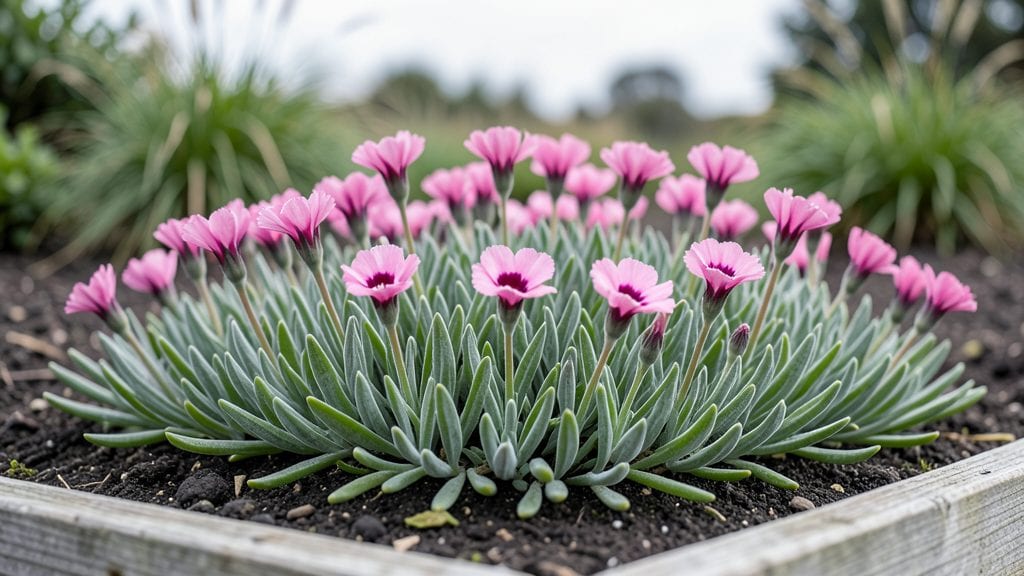
A pink flower carpet transforms bare ground into a dreamy, soft-focus masterpiece—no ivy’s dull green required. I’ve designed these living carpets in my own garden, and the difference is night-and-day: instead of weeds peeking through, you get a sea of blooms that hum with pollinators.
The secret lies in the right mix of sun-loving annuals and tough perennials that spread like wildfire but stay tidy.
Start with petunias for bold color, creeping phlox for early spring blooms, and lobelia for trailing edges—all thrive in well-draining soil with 6+ hours of sunlight. Space plants 6–12 inches apart (closer for annuals, wider for perennials) to fill gaps fast.
Mulch lightly to retain moisture and suppress weeds, then sit back while nature does the work. For slopes, mix in clover or ajuga to prevent erosion while keeping that pink glow.
By midsummer, you’ll have a velvety carpet that feels like walking on clouds—just keep watering 1–2 inches per week and snip spent blooms to encourage more flowers. Add silver foliage plants like lamb’s ear or deep purple salvia for contrast, and your carpet will look intentional, not accidental.
The best part? This looks effortless, but it’s low-maintenance magic once established.
Works in borders, pathways, or steep banks—just adjust plant choices for shade or drought. For year-round interest, layer in heuchera or sedge for winter structure. The payoff? A garden feature that’s always the first thing visitors notice—and the last thing they forget.
📚 In This Guide
- What you need
- Instructions
- Tips and common mistakes
- Wrapping up and next steps
What you need
- ● Pink flowering ground cover plants: Choose from Phlox subulata (creeping phlox), Ajuga reptans 'Pink Glow', or Sedum 'Angelina' (for golden edges). Quantity: 10–15 plants per 10 sq. ft. (adjust for larger areas).
- ● High-quality potting soil: 2–3 bags (1 cubic foot each) of well-draining, organic soil mix (e.g., Miracle-Gro Garden Soil).
- ● Compost or organic fertilizer: 1–2 bags (e.g., Espoma Garden-Tone) to boost nutrient levels.
- ○ Mulch (optional but recommended): 1 bag of pine bark nuggets or cocoa hulls (3–4 inches thick) to retain moisture.
- ● Garden tools: Hand trowel or transplanting spade
- ● Garden rake (for leveling soil)
- ● Pruners (for trimming leggy plants)
- ● Garden hose or watering can (with rose attachment for gentle watering)
- ● Prep work: Clear weeds/debris from the planting area (use a weed puller if needed).
- ● Test soil pH (aim for 6.0–7.0; adjust with lime or sulfur if necessary).
- ● Mark planting layout with spray paint or stakes (for precision).
- ● 🌡️ Timing: Plant in early spring or fall (avoid extreme heat).
- ○ ✨ Color boost: Add a slow-release pink dye (like Nature’s Blush) to soil for deeper hues (optional).
- ● 🔥 Sunlight: Ensure 6+ hours of sunlight daily (most pink ground covers thrive in full sun).
Step-by-step guide to creating a stunning pink flower carpet
Transform your garden into a vibrant pink sea with this lush ground cover technique.
Select the Right Pink-Flowering Ground Cover Plants
Choose fast-spreading, low-growing perennials that thrive in your climate. Creeping phlox, ajuga, or pink creeping thyme are excellent choices—they form dense mats while producing abundant pink blooms. Avoid invasive species like creeping charlie, which can overwhelm your garden. I prefer creeping phlox for its hardiness and vibrant color, but ajuga adds deep purple foliage contrast.
Buy healthy, established plants from a reputable nursery. Look for strong stems and vibrant leaves—these indicate plants that will establish quickly and resist disease. If starting from seed, allow 6-8 weeks before transplanting outdoors, as seedlings need time to develop strong root systems before competing with weeds.
Prepare the Soil and Planting Area
Test your soil’s pH and amend it to 6.0-7.0—most pink-flowering ground covers prefer slightly acidic to neutral conditions. Work in 2-3 inches of compost and 1-2 inches of coarse sand (if your soil is heavy clay) to improve drainage. Poor drainage leads to root rot, which can kill your carpet before it forms.
Clear the area of weeds and grass, then loosen the soil to a depth of 6-8 inches. The goal is to create a soft, welcoming bed for roots to spread. If planting in full sun, add a 2-inch layer of mulch (like shredded bark) to retain moisture and suppress weeds. In shady areas, use 1-2 inches of leaf mold instead—it breaks down slowly and enriches the soil.
Plant Strategically for a Seamless Carpet
Space plants 6-12 inches apart, depending on the variety’s mature spread. Creeping phlox, for example, needs 8-10 inches between plants, while ajuga can handle 10-12 inches. Overplanting leads to competition, while spacing too far apart creates gaps that weeds exploit. I like to stagger plants in a staggered pattern—like bricks—to ensure full coverage faster.
Dig holes twice as wide as the root ball but no deeper. Gently remove plants from their containers, loosen the roots if they’re circling, and place them so the top of the root ball sits flush with the soil line. Press the soil firmly around each plant to eliminate air pockets. Water deeply to settle the roots—you’ll know it’s done when moisture reaches 4-6 inches down.
Maintain for a Thick, Continuous Bloom
Water deeply once a week during the first growing season to encourage deep root growth. After establishment, most pink ground covers tolerate drought once established, but consistent moisture in the first year prevents stress. You’ll see new growth fill in gaps within 4-6 weeks—that’s your cue to reduce watering slightly.
Fertilize lightly in spring with a balanced, slow-release fertilizer (like 10-10-10) at ½ the recommended rate. Over-fertilizing promotes leafy growth at the expense of flowers. Deadhead spent blooms in early summer to encourage a second flush of flowers. In fall, apply a 1-inch layer of compost to replenish nutrients for next year’s growth.
Control Weeds and Encourage Spread
Weeds are the enemy of a pink flower carpet—they steal nutrients and block sunlight. Apply 2-3 inches of mulch (like pine straw or shredded leaves) annually to suppress weeds naturally. Avoid plastic mulch, which can smother roots and trap too much moisture. Hand-pull weeds as soon as they appear, especially in the first year.
To encourage faster spread, divide established clumps every 2-3 years in early spring. Dig up a section, separate the roots gently, and replant the divisions in bare spots. This technique fills gaps instantly and rejuvenates older plants. If your carpet thins over time, simply add new plants to the edges—they’ll fill in within a season.
Tips & tricks for perfect pink flower carpet installation
Creating a flawless pink flower carpet takes planning—and these insights will help you avoid the most common pitfalls while maximizing your garden's visual impact.
Plant Selection Strategy: When choosing between creeping phlox, ajuga, or pink creeping thyme, consider your garden's light conditions first. Creeping phlox thrives in full sun and produces the most vibrant pink blooms, while ajuga handles partial shade better and offers beautiful purple foliage contrast. I've found that mixing these varieties creates a more dynamic carpet—plant phlox in sunniest areas and ajuga where light is filtered. The key is to match plant needs to your site's microclimates for uniform growth.
Soil Preparation Insight: The 6.0-7.0 pH range mentioned is crucial, but don't stop at testing—actually amend your soil before planting. I recommend mixing compost and sand in equal parts (1:1 ratio) for heavy clay soils, while sandy soils benefit from more compost (2:1 ratio). The goal is to create a crumbly, moisture-retentive medium that mimics the ideal growing conditions these plants evolved in. This preparation step is what separates a struggling carpet from one that thrives.
Planting Technique: The staggered planting pattern I mentioned works wonders, but here's the secret: plant in a herringbone pattern rather than simple staggering. This creates natural lines that guide the eye and makes thinning inevitable over time. When spacing, remember that creeping phlox will spread 12-18 inches wide while ajuga spreads 10-12 inches—leave room for this expansion. The 4-6 inch watering depth is critical; use a soil probe to verify moisture penetration after watering.
Maintenance Timing: The 4-6 week gap-filling period is your first real test of success. If you don't see new growth by week 6, check for three potential issues: insufficient water (soil should be moist 2-3 inches down), poor soil contact (roots may not have established), or overly competitive weeds. The spring fertilization timing is perfect—apply fertilizer when you see new growth appear, not before. This ensures nutrients are available when plants are actively growing rather than sitting dormant in the soil.
Pro Tips for Pink Flower Carpet
- Creating a flawless pink flower carpet takes planning—and these insights will help you avoid the most common pitfalls while maximizing your garden's visual impact.
- Plant Selection Strategy: When choosing between creeping phlox, ajuga, or pink creeping thyme, consider your garden's light conditions first.
- Soil Preparation Insight: The 6.0-7.0 pH range mentioned is crucial, but don't stop at testing—actually amend your soil before planting.
Frequently asked questions
Got questions about creating your own pink flower carpet? You’re not alone! Here are some of the most common queries—plus quick, practical answers to help you plan like a pro.
What’s the best time of year to plant a pink flower carpet?
For most regions, spring (after the last frost) or early fall are ideal. This gives roots time to establish before extreme heat or cold. In warmer climates, late winter works too—just avoid planting when temps are still dropping. Pro tip: Check your local frost dates for precision!
How often should I water a pink flower carpet?
Water deeply 2–3 times per week for the first month, then taper to 1–2 times weekly once established. Mulch lightly (1–2 inches) to retain moisture. Overwatering can drown roots, so always check soil moisture—stick your finger 1 inch down; if dry, it’s time to water!
Can I use annuals instead of perennials for a faster pink carpet?
Annuals like pansies, sweet alyssum, or lobelia create instant color but fade by summer. For a long-term carpet, mix perennials (e.g., creeping phlox, ajuga) with annuals for a seasonal bloom combo. Bonus: Annuals are great for renters or temporary spaces!
What pests should I watch for in a pink flower carpet?
Common culprits include slugs, aphids, and spider mites. Prevent slugs with copper tape or diatomaceous earth. For aphids, spray with soapy water (1 tsp mild soap + 1 quart water). Neem oil is a safe, organic fix for mites. Inspect leaves weekly—early action keeps your carpet pest-free!
How do I fill in bare spots in my pink flower carpet?
Gently loosen soil in thin areas, sprinkle new seeds or cuttings, and press lightly. Water thoroughly. If gaps persist, overseed with a fast-growing annual like clover or portulaca for temporary coverage. Tip: Thin existing plants slightly to reduce competition!
Will a pink flower carpet survive winter?
It depends! Perennials (like creeping thyme) return yearly, while annuals die back. In cold climates, add a light mulch layer (straw or leaves) to protect roots. Spring cleanup: Trim dead growth in early spring to encourage fresh blooms!
Wrapping up and next steps
A pink flower carpet isn’t just a dream—it’s a vibrant, low-maintenance reality that can transform any garden into a breathtaking oasis. Whether you’re drawn to Phlox subulata, Creeping Phlox, or Ajuga, these ground covers offer year-round beauty, resilience, and effortless charm. 🌸
Ready to take the next step? Start small—grab a few plants, prep your soil, and let nature do the rest. Before you know it, your yard will be the talk of the neighborhood! Plant today, bloom tomorrow!