
Flowers
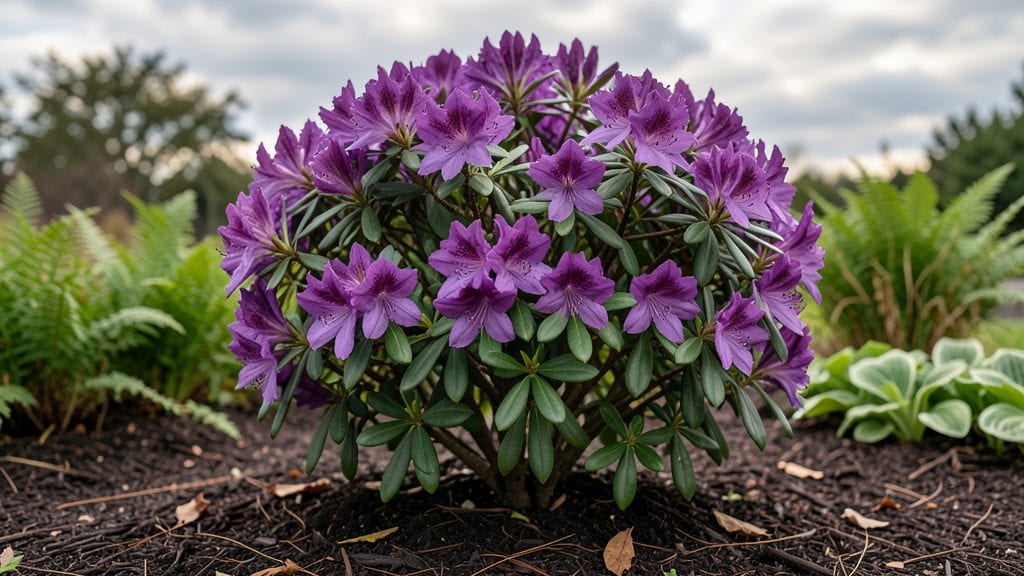
Purple azalea flowers bring the Pacific Northwest's damp, misty charm to life with their velvety blooms that hummingbirds can't resist year-round. 🌿 I've watched these shrubs transform my garden from a simple yard into a vibrant, living tapestry—especially when paired with ferns and rhododendrons.
The secret lies in their ability to thrive in partial shade while still making a bold statement against evergreen backdrops.
Their deep magenta blooms create a stunning contrast with silver foliage plants like lamb's ear or even the soft greens of hostas. In late spring, the flowers draw hummingbirds in like magnets, and their fragrance lingers through summer showers.
Unlike many flowers, azaleas stay attractive even when not in bloom, with glossy leaves that add texture to borders or foundation plantings.
You’ll love how they anchor garden beds while requiring minimal fuss—just well-draining soil and occasional pruning after flowering. The color combinations are endless: try pairing them with white hydrangeas for a dreamy effect or with purple coneflowers for a wildflower meadow vibe.
Their versatility makes them perfect for both formal gardens and relaxed woodland settings.
For Pacific Northwest gardeners, these shrubs are a game-changer—they handle the region's mild summers and rainy winters with ease. Whether you're creating a pollinator-friendly border or adding height to a mixed bed, purple azaleas deliver beauty and function without the high-maintenance hassle. Let’s make your garden their next home.
📚 In This Guide
- What you need
- Instructions
- Tips and common mistakes
- Wrapping up and next steps
What you need
- ● Purple azalea plants: Choose between Rhododendron varieties like 'George L. Taber' or 'Bow Bells' (available as 1-gallon pots or bare-root). 3-5 plants are ideal for a small garden.
- ● Well-draining soil: Mix 1 part peat moss or coconut coir + 2 parts acidic potting soil (pH 4.5–6.0). Avoid alkaline soil!
- ● Organic mulch: 3–4 inches of pine bark or wood chips to retain moisture and acidity.
- ● Slow-release fertilizer: Acid-loving plant fertilizer (e.g., Osmocote or Miracle-Gro Azalea/Camellia).
- ● Pruning shears: Sharp, bypass-style shears (sterilized with rubbing alcohol).
- ● Garden gloves: Heavy-duty, chemical-resistant (to protect from thorns and soil acids).
- ● Trowel or spade: For digging holes 2–3 times wider than the root ball.
- ● Watering can or hose with a gentle nozzle: Azaleas hate soggy roots—water deeply but infrequently.
- ○ Hummingbird feeders (optional): 1–2 red, nectar-filled feeders (4:1 sugar-water ratio) to complement blooms.
- ○ Epsom salt (optional): 1 tbsp/month dissolved in water for magnesium boosts (especially in clay soil).
Step-by-step guide to planting and caring for purple azaleas
These vibrant bloomers thrive with the right approach—here's how to get them established.
🌱 Step 1: Choose the Perfect Planting Spot
Purple azaleas adore partial shade, especially in the Pacific Northwest's humidity. Pick a location that gets morning sun and afternoon shade—think dappled light under tall trees or a spot near your home's north-facing wall. Avoid full sun, which scorches their delicate blooms, or deep shade, which weakens growth.
Test your spot by observing how light behaves there for a week. You're aiming for 4-6 hours of gentle sunlight daily. If leaves turn yellow, your plant's getting too much sun; if growth stalls, it needs more light. The ideal soil should drain well but stay moist—azaleas hate soggy roots but need consistent hydration.
🪴 Step 2: Prepare Acidic, Well-Draining Soil
Azaleas demand acidic soil (pH 4.5-6.0). Test your soil with a kit—if it's alkaline, amend it with 2-3 inches of peat moss or pine bark fines mixed into the top 12 inches of soil. I like to dig a hole twice as wide as the root ball and blend in 1 part sulfur for every 10 parts soil to lower the pH gradually.
Never use garden soil alone—it's too dense. Instead, mix in 30% organic matter like composted leaves or pine needles. The hole should sit slightly higher than the surrounding ground to prevent water pooling. Tap the soil gently after planting to remove air pockets, then water deeply until moisture reaches 6 inches down.
💧 Step 3: Plant and Water for Establishment
Remove the azalea from its container and loosen any circling roots with your fingers. Place it in the hole so the top of the root ball sits 1 inch above ground level—this prevents rot. Backfill with your amended soil mix, pressing lightly as you go. The goal is firm but not compacted soil that supports roots without suffocating them.
Water immediately after planting, giving it 1-2 gallons to settle the soil. Mulch with 2-3 inches of pine bark or wood chips, keeping it 3 inches away from the stem to prevent rot. Water 2-3 times weekly for the first month, ensuring the top 2 inches of soil stay moist but never soggy. Yellow leaves after planting? You're overwatering—let the soil dry slightly between drinks.
☀️ Step 4: Feed and Prune for Year-Round Blooms
Azaleas bloom best with low-nitrogen, acidic fertilizer in early spring and again after flowering. Use a 10-10-10 or 8-3-9 formula (like azalea-specific feed) at half-strength every 6-8 weeks. Scratch it into the soil around the drip line, then water deeply to prevent root burn. Too much nitrogen = fewer flowers, more leaves—watch for rapid foliage growth with sparse blooms.
Prune right after flowering (late spring) to shape the plant and encourage next year's blooms. Remove dead or crossing branches first, then trim back 1/3 of the oldest growth to stimulate new shoots. Never prune into "wood"—azaleas bloom on last year's growth, so aggressive cuts reduce flowers. Step back often to check your cuts; ragged edges mean you're pruning too much.
Tips & tricks for perfect purple azalea planting
Here's what nobody tells you about growing these stunning Pacific Northwest favorites.
Lighting Strategy: The 4-6 hours of morning sun is non-negotiable—this is when azaleas photosynthesize most efficiently. I've seen gardeners place them under trees that provide afternoon shade but still let morning light filter through. If your spot gets harsh afternoon sun, consider a sheer white fabric shade cloth for those critical hours when temperatures climb above 80°F.
Soil Preparation Secret: That 12-inch soil amendment depth might seem excessive, but it's crucial for root expansion. I've found that mixing in 1 part sulfur for every 10 parts soil works best when spread evenly throughout the entire hole—not just at the bottom. This ensures consistent acidity where roots will grow, not just where they currently sit. Test your soil again after amending to confirm the pH is between 4.5-6.0.
Watering Wisdom: The first month's 2-3 times weekly watering schedule can be tricky—especially in our rainy Pacific Northwest climate. I recommend using a moisture meter to check soil moisture before watering. Aim to keep the top 2 inches moist but never soggy. If your azalea's leaves start curling at the edges, that's your signal to cut back on water slightly. Yellow leaves after planting? You're definitely overwatering—let the soil dry out between drinks.
Pruning Precision: When trimming back that 1/3 of oldest growth, focus on the outermost branches first. These are the oldest and least productive. I like to step back frequently while pruning to visualize the plant's shape—this helps avoid those ragged edges that make pruning look sloppy. Remember, azaleas bloom on last year's growth, so never cut into "wood" (the brown, woody stems). You'll know you're cutting correctly when you see green stems with leaf buds.
Pro Tips for Purple Azalea Flower
- Here's what nobody tells you about growing these stunning Pacific Northwest favorites.
- Lighting Strategy: The 4-6 hours of morning sun is non-negotiable—this is when azaleas photosynthesize most efficiently.
- Soil Preparation Secret: That 12-inch soil amendment depth might seem excessive, but it's crucial for root expansion.
Frequently asked questions
Got questions about purple azaleas? You’re not alone! Here are some of the most common queries from gardeners and nature lovers—plus quick, practical answers to help you make the most of these stunning blooms.
When is the best time to plant purple azaleas in the Pacific Northwest?
The ideal window is early fall (September–October) or late winter (January–February). Cooler temps help roots establish before summer heat, and PNW’s mild winters reduce transplant shock. Avoid planting in summer—those roots hate drought stress!
Why aren’t my purple azaleas attracting hummingbirds this year?
Hummingbirds love azaleas, but a few things might be off:
- Timing: Bloom season (spring–early summer) is critical—if flowers fade too fast, birds may move on.
- Nectar access: Trim dead blooms but leave some open flowers for easy sipping.
- Pesticides: Skip chemicals near flowers; hummingbirds need pesticide-free nectar!
How do I protect purple azaleas from PNW’s rainy season?
Azaleas thrive in rain, but overly soggy soil causes root rot. Improve drainage with:
- Mulch (3–4 inches) to regulate moisture.
- Raised beds if your yard stays waterlogged.
- Avoid compacted soil—amend with compost or pine bark.
Can I grow purple azaleas in containers? What’s the catch?
Just pick compact varieties like ‘George Taber’ or ‘Kaleidoscope.’ Use:
- Well-draining acidic soil mix (add peat moss or pine fines).
- Large pots (15+ gallons) with drainage holes.
- Morning sun + afternoon shade (PNW’s intense summer sun can scorch leaves).
What’s a great alternative if I can’t grow azaleas?
If your soil’s too alkaline or you need year-round color, try:
- Pacific Dogwood (Cornus nuttallii): White blooms, hummingbird magnet, thrives in PNW shade.
- Salal (Gaultheria shallon): Evergreen ground cover with edible berries (and hummingbird-approved flowers!).
- Oregon Grape (Mahonia aquifolium): Yellow flowers, drought-tolerant, and native!
Wrapping up and next steps
The purple azalea flower isn’t just a stunning addition to the Pacific Northwest’s gardens—it’s a year-round hummingbird haven that brings joy, color, and life to your outdoor space! 🌸 From its vibrant blooms to its low-maintenance care, this beauty is perfect for gardeners of all levels.
Whether you’re a seasoned plant enthusiast or just starting, planting azaleas is a rewarding way to attract pollinators and elevate your landscape.
Ready to transform your garden? Start by choosing the right variety, preparing your soil, and giving these flowers the love they deserve. Check out our step-by-step guide to get growing—and soon, you’ll be enjoying a hummingbird paradise of your own!