
Flowers
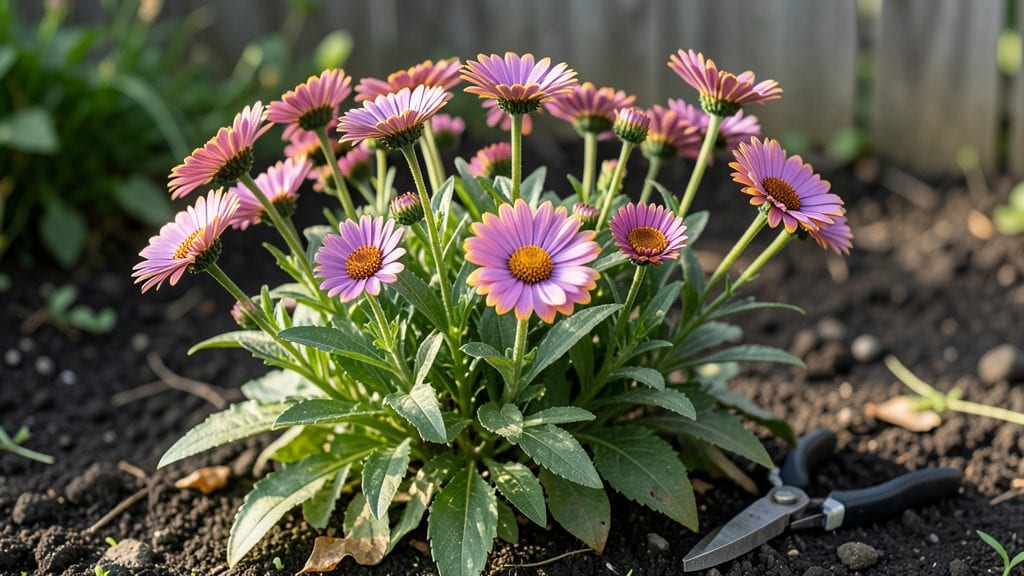
Purple calendula flowers bring a velvety, jewel-toned pop to any space—whether tucked into cottage gardens or spilling over container edges. 🌿 I fell for their edible petals and hardy nature after growing them in my balcony pots last summer, where they bloomed nonstop from June until frost.
The secret to their success? They thrive in partial sun and don’t fuss over soil quality, making them perfect for beginners or busy gardeners.
These flowers aren’t just pretty—they’re practical. Use them as edible garnishes in salads or teas, or let them attract pollinators while adding vertical interest to borders. Pair them with lavender for a dreamy purple theme or mix in with herbs for a cottage-style container.
Their bright blooms also hide soil mess in raised beds, making them a gardener’s multitasking MVP.
By summer’s end, you’ll have a cascade of petals that double as pest deterrents (deer and rabbits avoid them!). The flowers dry beautifully for potpourri or winter arrangements, extending their usefulness long after the growing season. Whether you’re designing a pollinator haven or just want low-maintenance color, purple calendula delivers.
Best of all, they self-seed reliably, so once planted, they’ll keep coming back year after year. Start with a handful of seeds or young plants, and let their cheerful faces transform your garden—no green thumb required.
📚 In This Guide
- What you need
- Instructions
- Tips and common mistakes
- Wrapping up and next steps
What you need
- ● Calendula seeds: Choose heirloom or organic purple calendula seeds (e.g., ‘Bonanza Purple’ or ‘Moonbeam Purple’). Start with 5–10 seeds for a small container or 20–30 seeds for a larger one.
- ● Containers: Minimum 6-inch diameter for 1–2 plants (deeper is better for root growth).
- ● Drainage holes are a must—calendula hates soggy feet! 🚫💦
- ● Materials: Terracotta, fabric grow bags, or plastic pots (terracotta helps regulate moisture).
- ● High-quality potting mix: Use a well-draining, sterile mix (avoid garden soil). A 50/50 blend of potting soil and perlite or coco coir works perfectly.
- ● Slow-release fertilizer: A balanced, organic option (e.g., 5-5-5 or 10-10-10) mixed into the soil at planting time.
- ● Hand trowel or small shovel for planting.
- ● Spray bottle for gentle watering (especially after sowing seeds).
- ○ Twine or small stakes (optional, for trellising if you want vertical growth).
- ● Mulch (straw or shredded leaves) to retain moisture and suppress weeds.
- ○ Liquid fertilizer (fish emulsion or compost tea) for mid-season feeding (optional but helpful!).
- ● Sunlight: A south-facing window, balcony, or patio with 6+ hours of direct sunlight daily.
- ● Water: Access to room-temperature water (calendula dislikes cold or hard water).
- ● Patience: Germination takes 7–14 days—keep seeds moist but not waterlogged!
How to grow purple calendula in containers
Here's the simple method I use to grow vibrant, edible calendula in pots year after year.
🌱 Step 1: Choose the Right Containers and Soil Mix
Calendula thrives in well-draining soil, so pick containers with drainage holes—at least 6 inches deep and 12 inches wide for each plant. I use terracotta pots because they breathe and prevent root rot. Fill each with a mix of 50% potting soil and 50% compost to give your calendula the nutrients it loves.
Don't skip the compost—it helps the soil retain moisture while still allowing excess water to drain. Tap the pot gently after filling to settle the mix without compacting it. The soil should feel like a damp sponge, not a brick.
💧 Step 2: Plant Seeds at the Correct Depth and Spacing
Sow seeds ¼ inch deep and 1 inch apart in rows spaced 12 inches apart. Calendula seeds are tiny, so I use a toothpick to place them precisely. Cover lightly with a thin layer of soil—just enough to hide the seeds, no more.
Water gently with a spray bottle until the soil is evenly moist. Overwatering now can wash seeds away or bury them too deep, delaying germination. Place the pots in a warm, sunny spot—65-75°F is ideal—and keep the soil consistently moist until sprouts appear in 7-14 days.
☀️ Step 3: Provide Full Sun and Consistent Care
Once seedlings emerge, move them to a location with 6+ hours of direct sunlight daily. Calendula loves full sun and will reward you with bold purple blooms if it gets enough light. If your space is shady, expect smaller flowers and leggy stems.
Water at the base of the plants when the top inch of soil feels dry. Avoid wetting the leaves to prevent fungal diseases like powdery mildew. I usually water every 2-3 days in summer, but adjust based on your climate—containers dry out faster than in-ground beds.
✂️ Step 4: Prune and Harvest for Longer Blooms
Pinch back the tips of young plants when they reach 6 inches tall to encourage bushier growth. This simple step prevents leggy stems and keeps your calendula compact and full. Remove spent blooms regularly—this deadheading trick prompts more flowers to form.
Harvest flowers in the morning after the dew dries but before the heat of the day. Snip stems just above a leaf node with clean scissors. You'll see new buds opening within a week—that's your signal the plant is thriving. Use fresh petals in salads or dry them for potpourri.
Tips & tricks for perfect purple calendula growth
These simple secrets will help you coax the most vibrant purple blooms from your container-grown calendula.
Container Selection: While terracotta pots are ideal, any container with drainage holes works—just avoid plastic, which can trap moisture and cause root rot. I've had great success with ceramic pots too, as long as they're at least 6 inches deep. For multiple plants, use wider containers spaced 12 inches apart to prevent competition for nutrients.
Soil Mix Secret: The 50-50 potting soil to compost ratio is key, but don't stop there—add a handful of perlite or coarse sand to improve drainage. I like to mix in a sprinkle of worm castings for extra nutrients. This light, airy mix prevents compaction and keeps roots happy in their confined space.
Germination Hack: For faster sprouts, soak seeds in warm water for 24 hours before planting. Place the pots in a clear plastic bag after sowing to create a mini greenhouse effect—this traps humidity and speeds up germination. Just remember to remove the bag once sprouts appear to prevent mold. The 7-14 day window is flexible, but this trick often brings them along in about 5-7 days.
Sunlight Strategy: If your space only gets partial sun, place your calendula in the sunniest spot you have for at least 6 hours daily. South-facing windowsills or balconies work well. I've seen calendula adapt to 4-5 hours of sun, but the blooms will be smaller and less vibrant. Rotate pots weekly so all sides get equal light exposure for even growth.
Pro Tips for Purple Calendula Flower
- These simple secrets will help you coax the most vibrant purple blooms from your container-grown calendula.
- Container Selection: While terracotta pots are ideal, any container with drainage holes works—just avoid plastic, which can trap moisture and cause root rot.
- Soil Mix Secret: The 50-50 potting soil to compost ratio is key, but don't stop there—add a handful of perlite or coarse sand to improve drainage.
Frequently asked questions
Got questions about growing or using purple calendula flowers? You’re in the right place! Here are answers to some of the most common queries—from planting to harvest and everything in between.
How long does it take for calendula flowers to bloom after planting?
Purple calendula typically blooms 6 to 8 weeks after sowing seeds, depending on temperature and sunlight. For faster results, opt for transplants (3–4 weeks) or start seeds indoors 4–6 weeks before the last frost. Patience pays off—once established, they’ll reward you with vibrant blooms all season long!
How often should I water calendula flowers?
Calendula thrives with consistent moisture, especially during germination and flowering. Water deeply 1–2 times per week, ensuring the soil stays evenly damp (not soggy). In containers, check soil moisture daily—small pots dry out faster! Pro tip: Mulch around plants to retain moisture and deter weeds.
Can I grow calendula in containers year-round?
While calendula is an annual, you can extend its life in containers by overwintering in mild climates (USDA Zones 8–11). Move pots to a sunny indoor spot or greenhouse, reduce watering, and protect from frost. In colder areas, treat it as a seasonal plant and replant each spring.
Are purple calendula petals safe to eat raw?
Calendula petals are edible and delicious, adding a mild, slightly peppery flavor to salads, teas, or garnishes. Always wash petals thoroughly and avoid pesticides. For a bold color boost, use food-grade dye made from dried petals. Note: Start with small amounts to check for allergies.
What pests commonly attack calendula, and how do I prevent them?
Calendula is pest-resistant, but watch for aphids, spider mites, or whiteflies, especially in dry conditions. Preventative tips:
- Water regularly to deter mites.
- Encourage beneficial insects (ladybugs, lacewings).
- Spray neem oil if pests appear.
Can I dry calendula flowers for later use?
Yes! Drying preserves calendula’s color and medicinal properties. Tie stems in small bundles and hang upside down in a dark, dry, well-ventilated space for 1–2 weeks. Once brittle, strip petals and store in airtight containers away from light. Use dried petals for teas, potpourri, or homemade remedies.
What’s the best way to harvest calendula for continuous blooms?
Harvest flowers in the morning after dew dries but before the sun peaks. Snip stems just above a leaf node to encourage new growth. Deadhead spent blooms regularly to redirect energy to more flowers. For seed saving, leave a few flowers to mature—brown seed pods are ready when they split open!
Wrapping up and next steps
From their vibrant purple calendula flowers to their easy-care nature, these edible beauties bring color, healing properties, and joy to any container garden. Whether you’re growing them for culinary uses, natural remedies, or simply to brighten your space, calendula is a rewarding and versatile choice. 🌸
Ready to get started? Grab your supplies, pick a sunny spot, and let these cheerful blooms transform your balcony or patio into a thriving oasis! Happy gardening! 🌱