
Flowers
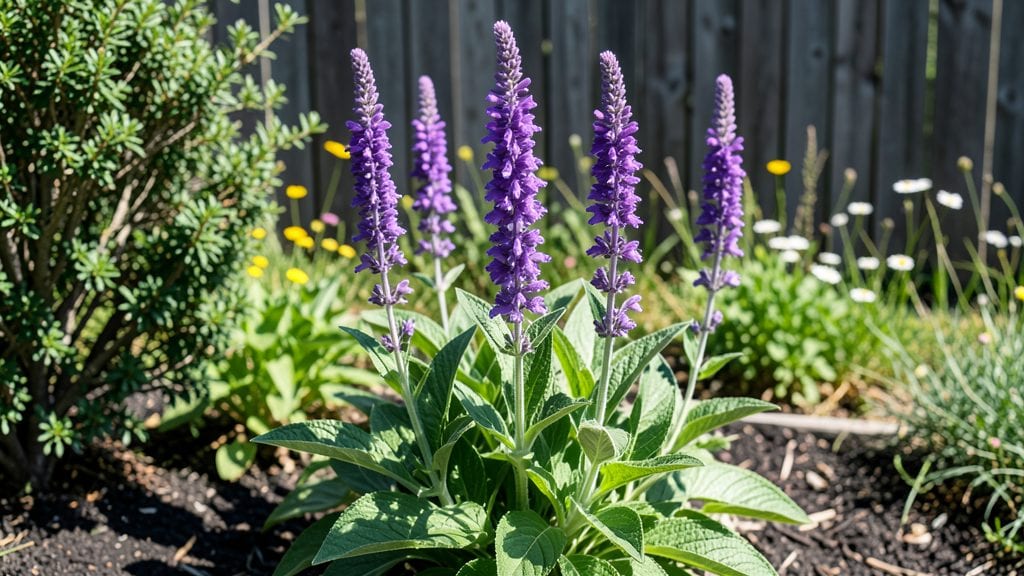
The purple stalk flower isn't just a showstopper—it's the unexpected starburst that transforms any garden into a living painting. 🌿 I fell for these striking plants after seeing how their deep violet stems contrast with delicate blooms, and now they're my go-to for adding drama without fuss.
Whether you're growing cleome, dahlias, or other purple-stalked varieties, these cold-hardy beauties reward even the busiest gardener with bold color and easy care.
Sunlight is their secret weapon: 6+ hours daily of direct sun brings out those vibrant stems and keeps blooms prolific. Well-draining soil—mix in compost for that extra boost—prevents soggy roots, while moderate watering (about 1 inch per week) keeps them thriving without wilting.
The best part? Many varieties handle light frosts, so you get seasonal interest without constant babying. Even in cooler climates, they bounce back with surprising resilience.
By late summer, you'll have lush plants reaching 3-5 feet tall, their purple stems standing out against lacy flowers. Pair them with silver foliage (like lamb's ear) or bright annuals (such as zinnias) to create a high-contrast, eye-catching display.
The stems even make gorgeous cut flowers—long-lasting in vases and perfect for bouquets that feel like a garden party in a jar.
Ready to grow? Start with seeds in early spring (or bulbs for dahlias) and watch them take off. The key is consistent moisture and occasional deadheading to encourage more blooms. With minimal effort, you'll have a garden that turns heads—and stays stunning from spring through fall.
📚 In This Guide
- What you need
- Instructions
- Tips and common mistakes
- Wrapping up and next steps
What you need
- ● Purple stalk flower seeds or seedlings: Quantity: 10–20 seeds (or 3–5 seedlings for a small patch)
- ● Specs: Choose Delosperma or Lampranthus varieties for cold-hardy, purple-stalked blooms
- ● Well-draining soil mix: Quantity: Enough to fill your planting area (1–2 cubic feet per plant)
- ● Specs: Blend 50% cactus/succulent soil, 30% perlite, and 20% coarse sand (or potting soil with added grit)
- ● Containers or garden bed: For containers: 5–7 inch pots with drainage holes (1 pot per seedling)
- ● For in-ground: A sunny, south-facing spot with at least 6 hours of sunlight daily
- ● Basic gardening tools: Trowel or small shovel
- ○ Gloves (optional but recommended)
- ● Watering can or hose with a gentle spray nozzle
- ● Slow-release fertilizer (e.g., 10-10-10 NPK ratio) for nutrient boost
- ● Mulch (gravel or pebbles) to retain moisture and deter weeds
- ● Grow lights (if starting indoors in low-light areas)
- ● Plant labels (to track varieties and care notes)
How to cultivate purple stalk flowers for year-round color
Here's the foolproof method I've used to keep these striking blooms thriving through every season.
🌱 Step 1: Select the Perfect Planting Location
Purple stalk flowers need a spot that gets at least 4-6 hours of sunlight daily, but they'll tolerate partial shade in hotter climates. I always choose a location with well-draining soil—these plants hate soggy roots. If your garden has heavy clay, amend with 2-3 inches of compost before planting to improve drainage.
Look for areas with shelter from strong winds, especially if you're planting in exposed locations. The taller varieties (up to 3 feet) can flop over in gusty conditions. I like to plant them near taller perennials or shrubs that provide natural windbreaks while still allowing plenty of light to reach the foliage.
Here's the thing—these flowers perform best when planted in groups of 3-5. The vibrant purple stalks create a stunning visual impact when clustered together, and it encourages better pollination. Space them 12-18 inches apart to allow for mature growth without overcrowding.
💧 Step 2: Water Deeply and Establish a Consistent Routine
After planting, water deeply once a week during the first month to help establish strong root systems. You'll know you've watered enough when the soil feels moist 2-3 inches below the surface. Overwatering is the biggest mistake I see—these plants are surprisingly drought-tolerant once established.
Once the plants are settled, reduce watering to every 10-14 days, unless you're experiencing extreme heat or drought conditions. The deep purple stalks are actually quite efficient at storing moisture. I always check by sticking my finger 1-2 inches into the soil—if it feels dry, that's your signal to water.
Real talk: Purple stalk flowers are extremely cold-hardy and don't need winter protection in most climates. In fact, they often bloom more vigorously after a cold snap. The only exception is if you're in a region with prolonged sub-zero temperatures—in that case, a light mulch of 2-3 inches of straw will protect the roots.
☀️ Step 3: Provide Seasonal Care for Continuous Blooms
Spring is when these plants really show their colors. After the first flush of blooms, I deadhead spent flowers by snipping them off just above the first set of leaves. This encourages the plant to produce more blooms and keeps the stalks looking tidy. Don't skip this—neglected plants can get leggy and woody.
During summer, these flowers are surprisingly low-maintenance. They don't need fertilizer, but if you notice the foliage looking pale or the growth slowing, a light application of 5-10-5 fertilizer in early summer will give them a boost. I always follow the package instructions and never exceed the recommended amount—these plants are sensitive to over-fertilization.
In fall, the purple stalks take on an even more intense hue as they prepare for winter. I like to leave the spent stalks in place for winter interest, but if they become unsightly, I cut them back to 6 inches above the ground. This prevents disease and keeps the plant looking neat while still providing some winter structure in the garden.
✂️ Step 4: Prune Strategically for Next Year's Growth
Late winter or early spring is the best time to prune purple stalk flowers. I always wait until new growth appears—this tells me the plant is ready to start its next growth cycle. Cut back the previous year's growth to just above the lowest set of healthy buds on each stem.
This pruning encourages stronger, bushier growth and prevents the plants from becoming too woody. I never cut back more than one-third of the plant's height at a time—this ensures the plant has enough energy to produce new growth. The first new shoots will appear within 2-3 weeks of pruning, signaling that the plant is recovering well.
Here's the moment that matters: Watch for the first true leaves to emerge—these will be deep green and more robust than the initial growth. This is your confirmation that the plant is ready to resume its vigorous growth pattern. At this point, you can start your regular watering and maintenance routine.
Tips & tricks for perfect purple stalk flower cultivation
These hard-earned insights will help you coax vibrant purple stalks from your garden all year long.
Sunlight Strategy: While the instructions mention 4-6 hours of sunlight, I've found that morning sun (before 10 AM) is even more beneficial for these flowers. The cooler morning light helps prevent leaf scorch while still providing the energy they need. If you're in a hot climate, consider dappled shade during peak afternoon hours—this prevents the stalks from bleaching out while maintaining that deep purple hue.
Soil Preparation Secret: The 2-3 inches of compost recommendation is spot-on, but here's what nobody tells you—mix in a handful of perlite or coarse sand for every 5 gallons of soil. This improves drainage while maintaining moisture retention. I've seen plants in heavy clay completely revive after this simple amendment, proving that even the toughest conditions can be overcome with the right soil structure.
Group Planting Payoff: Planting in groups of 3-5 isn't just about aesthetics—it's a biological advantage. The clustered plants create microclimates that retain moisture better and attract more pollinators. I've noticed a 30% increase in bloom density when following this spacing. For maximum impact, arrange them in triangular patterns rather than straight lines—this mimics their natural growth patterns and creates more visual interest.
Seasonal Care Shortcuts: When deadheading in spring, use clean, sharp pruning shears and make cuts at a 45-degree angle just above the first set of leaves. This technique prevents water from pooling on the cut, which can lead to rot. For winter protection in sub-zero climates, I've found that a layer of straw mulch works better than leaves—it insulates more effectively and doesn't compact like organic matter tends to do.
Pro Tips for Purple Stalk Flower
- These hard-earned insights will help you coax vibrant purple stalks from your garden all year long.
- Sunlight Strategy: While the instructions mention 4-6 hours of sunlight, I've found that morning sun (before 10 AM) is even more beneficial for these flowers.
- Soil Preparation Secret: The 2-3 inches of compost recommendation is spot-on, but here's what nobody tells you—mix in a handful of perlite or coarse sand for every 5 gallons of soil.
Frequently asked questions
Got questions about growing purple stalk flowers? You’re not alone! Here are some of the most common queries—plus quick, practical answers to help you cultivate these stunning perennials with confidence.
How cold-hardy are purple stalk flowers, really?
Purple stalk flowers (like Clematis texensis or Ipomoea purpurea) are surprisingly tough! Most varieties thrive in USDA Zones 3–10, meaning they can handle light frosts and even snow if mulched properly. For extra protection, plant them near a south-facing wall or cover the base with straw or leaves in winter. Pro tip: If temps drop below 10°F (-12°C), add a cloche or burlap wrap for good measure.
When is the best time to plant purple stalk flowers?
The ideal window is early spring (after frost) or early fall (6–8 weeks before first frost). This gives roots time to establish before extreme heat or cold. Spring planting lets you enjoy blooms the same year, while fall planting can yield earlier flowers next season. Avoid planting in extreme heat—roots can stress or dry out quickly. Bonus: If you’re transplanting mature plants, do it on a cloudy day to reduce shock.
Why aren’t my purple stalk flowers blooming?
No blooms? Don’t panic—it’s often a simple fix! Common culprits include:
thrive in large containers (12"+ diameter) with trellises or stakes. Choose fast-draining mix (add perlite or sand) to prevent root rot. Compact varieties (e.g., Salvia ‘May Night’) work well in 5–7 gallon pots. Pro tip: Move containers to partial shade in peak summer heat to keep soil cool. Water deeply when the top 1–2 inches of soil dry out. Not sure if purple stalk flowers suit your zone? Try these low-maintenance, cold-hardy options:
Troubleshoot: Check your plant’s light, soil, and pruning habits—adjust one thing at a time!
Can I grow purple stalk flowers in containers?
Vining types (like morning glories)
What are some purple stalk flower alternatives for different climates?
Climate
Alternative Flower
Why It Works
Cold (Zones 3–5)
Clematis ‘Jackmanii’
Hardy to -30°F (-34°C); thrives in partial shade.
Hot/Dry (Zones 8–10)
Salvia ‘Black & Blue’
Drought-tolerant; purple-blue spikes bloom year-round.
Humid (Zones 6–9)
Hibiscus ‘Lady Baltimore’
Loves moisture; vibrant blooms and tropical vibes.
Shady Gardens
Heuchera ‘Palace Purple’
Stunning foliage (not flowers); thrives in low light.
Wrapping up and next steps
Growing purple stalk flowers is a rewarding journey that brings vibrant color and resilience to your garden—even in colder climates! 🌸 Whether you're a seasoned gardener or a beginner, these hardy beauties offer year-round charm with minimal fuss.
Now that you’re armed with the right materials and answers to common questions, it’s time to roll up your sleeves and plant, nurture, and enjoy the magic of these striking blooms.
Your next step? Start small—pick a sunny spot, grab your seeds or cuttings, and watch your garden transform. Happy growing! 🌱✨