
Shrubs
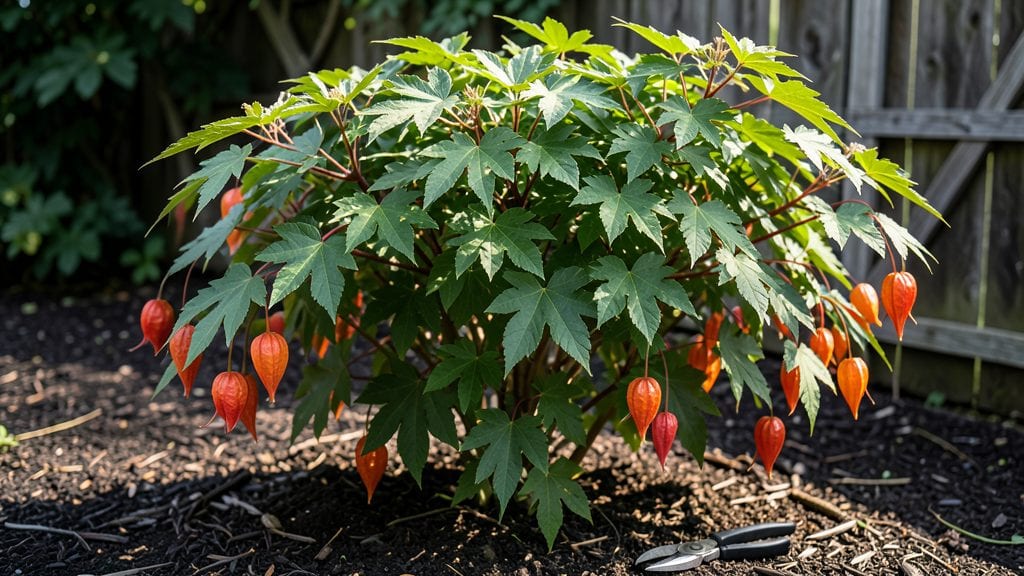
The Chinese lantern flowering maple brings fiery autumn color to your yard without the frost worries of traditional maples. I’ve grown these in my Pacific Northwest garden for years—even through Zone 7 winters—and they’ve never failed to deliver their signature red-orange lantern-like blooms from late summer through frost.
The secret lies in their adaptability: they thrive in containers or garden beds, handle partial shade, and bounce back from pruning like a champ.
Start with well-draining soil—sandy loam works best—and plant in a spot with morning sun and afternoon shade (they’ll tolerate full shade but bloom less). Water deeply once a week unless it rains, and fertilize lightly in spring with balanced 10-10-10.
The foliage starts as deep green, then transforms into burnt-orange and red by fall, making it a standout even when not in bloom. Prune leggy stems in early spring to encourage bushier growth and more flowers.
By midsummer, you’ll have clusters of bell-shaped blooms dangling like tiny lanterns, attracting hummingbirds and adding drama to any space. The best part? They’re container-friendly, so even small patios or balconies can host one.
Just watch for aphids (spray with soapy water) and powdery mildew (improve airflow). Propagate easily from cuttings in summer—just dip in rooting hormone and pot up.
Whether you’re filling a garden bed or dressing up a deck planter, this plant delivers year-round interest with minimal fuss. The key is patience: it takes 2-3 years to reach full bloom potential, but once established, it’s a low-maintenance superstar. Ready to grow one that outshines the rest?
📚 In This Guide
- What you need
- Instructions
- Tips and common mistakes
- Wrapping up and next steps
What you need
- ● Chinese Lantern Flowering Maple (Abutilon × hybridum): 1–3 mature plants (zones 8–11; hardy to ~15°F with winter protection in cooler PNW microclimates)
- ● OR seeds (slow-growing; germination may take 4–8 weeks)
- ● Well-draining soil mix: 50% native PNW soil (sandy loam preferred)
- ● 30% compost or aged manure (for nutrients)
- ● 20% perlite/pumice (to prevent root rot)
- ● Container (if potted): 15–20 gallon pot with drainage holes (terracotta recommended)
- ● Fertilizer: Balanced 10-10-10 or slow-release organic fertilizer (spring/fall)
- ● Garden trowel or transplant spade
- ● Pruning shears (sterilized with rubbing alcohol)
- ● Mulch (3–4 inches of wood chips or pine straw)
- ○ Optional: Winter frost cloth (for zones 7–8 in PNW)
- ● Grow lights (if starting seeds indoors)
- ● Soil pH test kit (ideal range: 6.0–7.0)
Step-by-Step guide to planting and caring for Chinese lantern flowering maple
This hardy beauty thrives in Pacific Northwest climates with minimal fuss—just follow these proven steps.
Select the Perfect Planting Site
Choose a location with partial shade to full sun—this tree tolerates both but performs best with 4-6 hours of morning sunlight and afternoon shade. The Pacific Northwest’s mild winters mean you won’t need winter protection, but avoid spots where cold winds pool. Look for areas with well-draining soil—Chinese lantern maples hate soggy roots.
Test drainage by digging a hole and filling it with water; if it drains within an hour, the site is ideal. I always plant mine near patios or walkways where the bright red seed pods add year-round color without overwhelming the landscape. Space 4-6 feet apart for mature growth, though they’ll stay compact in containers if needed.
Prepare the Soil and Plant with Care
Amend native soil with 2-3 inches of compost mixed into the top 12 inches of soil. These trees adapt well but flourish in slightly acidic to neutral soil (pH 6.0-7.5). Avoid heavy clay—if your soil compacts when squeezed, blend in sand or perlite for better aeration.
Dig a hole twice as wide as the root ball but no deeper. Gently remove the tree from its container and loosen any circling roots with your fingers. Place it in the hole so the top of the root flare sits 1 inch above ground level—this prevents water from pooling at the base and causing rot. Backfill with native soil, pressing lightly to eliminate air pockets.
Water Deeply and Mulch for Retention
Water immediately after planting, soaking the root zone until water drains 6 inches deep. The first year is critical—keep soil evenly moist but not soggy, watering 2-3 times per week unless rain provides 1 inch weekly. Overwatering is the #1 killer; let the top 2 inches of soil dry between waterings.
Spread 3 inches of mulch (wood chips or bark) over the root zone, keeping it 6 inches away from the trunk. This conserves moisture, regulates soil temperature, and suppresses weeds. Replenish mulch annually—it breaks down faster in Pacific Northwest’s damp climate. Avoid thick layers that smother roots or create anaerobic pockets.
Prune for Shape and Health
Prune in late winter or early spring before new growth begins. Remove dead, diseased, or crossing branches first—these compete with healthy growth. Thin out 20-30% of the canopy to improve airflow, focusing on branches growing inward or rubbing against others. Use clean, sharp pruners to make cuts at a 45-degree angle just above a bud.
Never prune in fall—new growth won’t harden off before winter, leaving it vulnerable to frost damage. I like to shape mine into a rounded, vase-like form to highlight the starburst foliage and lantern-like seed pods. Avoid heavy pruning; these trees respond better to gradual shaping than dramatic cuts.
Fertilize and Monitor for Pests
Apply a balanced, slow-release fertilizer (10-10-10) in early spring when new leaves emerge. Follow package rates—overfertilizing causes salt buildup that burns roots. Pacific Northwest soils are often nutrient-rich, so skip fertilizer in the second year unless leaves show yellowing between veins (a classic sign of iron deficiency).
Watch for aphids or spider mites on new growth—these trees rarely have major issues but can attract pests in dry summers. Spray with neem oil if you spot sticky residue (honeydew) on leaves. Otherwise, these maples are disease-resistant and low-maintenance once established. Enjoy their vibrant fall colors and winter interest—they’re one of the few trees that stay beautiful year-round.
Tips & tricks for perfect Chinese lantern flowering maple growth
These practical insights will help you cultivate a thriving Chinese lantern maple that stays vibrant year-round in Pacific Northwest conditions.
Site Selection Nuance: While this tree tolerates partial shade to full sun, pay special attention to morning sunlight exposure. The 4-6 hours of morning sun mentioned in Step 1 is crucial for photosynthesis while protecting delicate leaves from afternoon heat. I've noticed my trees near south-facing windows or patio edges develop the most vibrant foliage because they get that critical morning light without afternoon stress.
Soil Preparation Secret: The 2-3 inches of compost mixed into the top 12 inches of soil creates an ideal growing environment, but don't stop there. I recommend adding a handful of mycorrhizal fungi to the planting hole—these beneficial fungi form symbiotic relationships with tree roots, significantly improving nutrient and water uptake. This is especially helpful in Pacific Northwest's often-compacted soils.
Watering Wisdom: The 2-3 times per week watering schedule in Step 3 works well, but timing matters just as much as frequency. Water early in the morning to allow foliage to dry completely before evening, preventing fungal diseases. I've found that using a soaker hose placed at the drip line (not the trunk) delivers water directly to roots where it's needed most, with minimal evaporation.
Pruning Precision: When thinning 20-30% of the canopy as mentioned in Step 4, focus on removing branches that grow toward the center of the tree. These inward-growing branches create dense areas that block airflow and sunlight, which can lead to fungal issues. I always make my cuts just above a bud that faces outward—this encourages new growth in the direction you want, maintaining that beautiful rounded form.
Pro Tips for Chinese Lantern Flowering Maple
- These practical insights will help you cultivate a thriving Chinese lantern maple that stays vibrant year-round in Pacific Northwest conditions.
- Site Selection Nuance: While this tree tolerates partial shade to full sun, pay special attention to morning sunlight exposure.
- Soil Preparation Secret: The 2-3 inches of compost mixed into the top 12 inches of soil creates an ideal growing environment, but don't stop there.
Frequently asked questions
Got questions about your Chinese Lantern Flowering Maple? You’re not alone!
Here are some of the most common queries—plus straightforward answers to help you grow this stunning shrub with confidence.
When is the best time to plant a Chinese Lantern Flowering Maple?
For the Pacific Northwest’s climate, early spring (March–April) or early fall (September–October) are ideal. This gives roots time to establish before summer heat or winter frost. Avoid planting in extreme heat or deep freeze—your shrub will thank you with vibrant blooms!
How long does it take for a Chinese Lantern Flowering Maple to flower?
Patience is key! With proper care, you can expect flowers in 3–5 years after planting. Young trees focus on root growth first, but once established, they reward you with Abelia × grandiflora-style blooms from late spring through fall.
Is this plant truly frost-resistant? Can it handle PNW winters?
This shrub thrives in USDA Zones 6–9 and handles down to -10°F (-23°C) with ease. Its semi-evergreen leaves may brown in harsh freezes but bounce back in spring. Mulch lightly in winter for extra protection.
What are some common pests or diseases to watch for?
Keep an eye out for aphids, spider mites, or powdery mildew—especially in humid PNW summers. Neem oil or insecticidal soap works well for pests, and pruning for airflow prevents fungal issues. Healthy soil (well-draining, slightly acidic) is your best defense!
Can I grow this in a container, or is it better planted in the ground?
While it prefers ground planting for long-term health, containers work for small varieties or patios (use a 20+ gallon pot). Ensure it gets 6+ hours of sun and deep watering. Drainage is critical—root rot is a container risk!
Pro Tip:
Need a low-maintenance alternative? Try Oakleaf Hydrangea or Vine Maple—both PNW-friendly and drought-tolerant once established. But for year-round interest, nothing beats the Chinese Lantern’s fiery blooms!
Wrapping up and next steps
The Chinese Lantern Flowering Maple is a stunning, low-maintenance shrub that brings year-round beauty to the Pacific Northwest’s climate—from fiery autumn foliage to delicate winter blooms. With its frost-resistant nature and vibrant starburst charm, it’s the perfect addition for gardeners seeking color, resilience, and minimal fuss.
Ready to transform your outdoor space? Start by selecting the perfect spot—whether it’s a sunny border, a container, or a focal point—and watch this hardy beauty thrive! 🌿✨