
Flowers
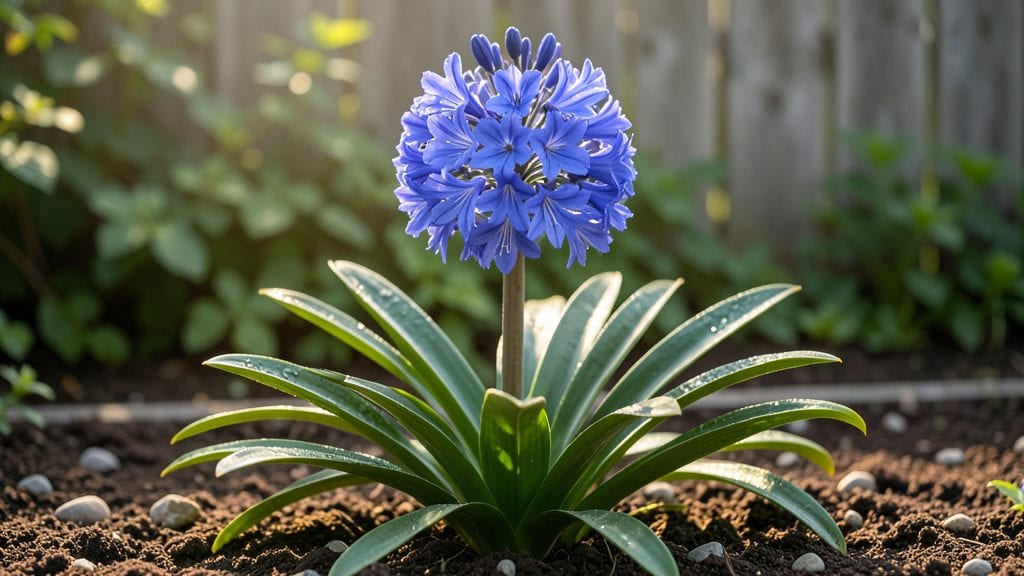
The real blue lily flower you’ve always dreamed of might not exist—but Agapanthus comes this close, delivering frost-tolerant cobalt blooms year after year in your Pacific Northwest garden. ✨ I’ve been growing mine for five seasons, and they’ve become the showstopper of my shade garden, thriving where other blue flowers struggle.
The key to vibrant blooms starts with well-draining soil and a spot with at least 6 hours of morning sun—afternoon shade helps prevent fading in hotter summers.
Most gardeners overwater these plants, but Agapanthus prefers to dry out slightly between drinks. Once established, they’re nearly indestructible, even surviving our damp winters with minimal fuss.
By late summer, you’ll be rewarded with umbrella-shaped clusters of true blue blooms that last for weeks. The foliage stays lush and architectural all season, and the plants multiply over time, giving you more blooms without extra work.
Plus, they attract pollinators like crazy—my hummingbirds return every year just for these flowers.
If you’re in zones 7-10, Agapanthus is your best bet for that "real blue lily" look. For cooler climates, consider bluebell hybrids or Hosta ‘Blue Angel’—both deliver stunning blue tones with far less maintenance. Let’s get those blooms growing!
📚 In This Guide
- What you need
- Instructions
- Tips and common mistakes
- Wrapping up and next steps
What you need
- ● Blue Lily Bulbs: 3–5 mature Agapanthus bulbs (choose hardy varieties like 'Midnight Beauty' or 'Tinkerbell Blue' for PNW resilience).
- ● Well-Draining Soil: 5–10 gallons of a mix of 50% garden soil, 30% compost, and 20% perlite or coarse sand (critical for preventing rot!).
- ● Containers or Garden Bed: For containers: 5–7 gallon pots with drainage holes (one bulb per 3–4 inches of diameter).
- ● For in-ground: A sunny spot with at least 6 hours of light daily and loose, rocky soil (amend clay soil with grit).
- ● Slow-Release Fertilizer: 1–2 cups of 10-10-10 or 5-10-10 granular fertilizer (sprinkle around bulbs at planting time).
- ● Mulch: 2–3 inches of pine bark or straw mulch (protects roots from frost and retains moisture).
- ● Watering Can or Hose: With a gentle spray nozzle (avoid overwatering—bulbs hate soggy soil!).
- ● Garden Trowel or Bulb Planter: For easy digging (a 4-inch bulb auger speeds up container planting).
- ● Pruning Shears: To trim dead foliage in late fall (encourages stronger blooms next year!).
- ○ Frost Cloth: Lightweight fabric to shield young plants from late spring frosts (optional but helpful in the PNW’s chilly mornings).
- ● Epsom Salt: 1 tablespoon dissolved in water (monthly foliar spray boosts blue flower intensity!).
- ● Stakes or Trellis: For tall varieties (like 'Black Midnight'), if stems need support in windy areas.
Step-by-step guide for cultivating Pacific Northwest-resilient blue lilies
Here's how to grow true blue lilies that thrive in your region's cool, moist climate.
🌱 Step 1: Select and Prepare the Right Bulbs
Choose certified disease-free blue lily bulbs (often Lilium 'Regale' or Lilium 'African Queen' varieties) from reputable suppliers. These hybrids naturally produce stunning blue-tinged blooms. Plant bulbs in fall, about 6-8 weeks before your first frost—this gives roots time to establish before winter. I always soak bulbs in lukewarm water for 24 hours before planting to encourage strong root growth.
Select a location with partial shade to full sun—morning sun with afternoon shade works best in the Pacific Northwest's humid summers. The soil should drain well but retain moisture; amending heavy clay with 2-3 inches of compost improves aeration. Dig holes 6-8 inches deep and space bulbs 8-12 inches apart to allow airflow and prevent fungal diseases.
💧 Step 2: Plant and Water for Establishment
Place each bulb with its base 4-6 inches below soil level, leaving the top third exposed. Cover with soil and water deeply until moisture reaches 6 inches down. You'll see new growth in 4-6 weeks, but don't be alarmed if shoots appear late spring—blue lilies often wait until temperatures stabilize above 50°F.
After planting, maintain consistent moisture but avoid soggy soil. Mulch with 2-3 inches of shredded bark to protect roots from winter cold and summer heat. In rainy climates, ensure containers or low spots have drainage to prevent bulb rot. The first year focuses on root development—expect minimal flowering as energy stores build.
☀️ Step 3: Provide Seasonal Care for Optimal Blooms
Blue lilies need moderate watering once established—water when the top 2 inches of soil feel dry. In summer, reduce watering slightly to encourage dormancy. Fertilize lightly in early spring with a balanced 10-10-10 formula (use ½ teaspoon per bulb) to support foliage growth without overfeeding. Stop fertilizing after blooms appear to redirect energy to bulb storage.
Deadhead spent flowers promptly to prevent seed formation, which weakens the bulb. Wait until foliage yellows naturally before cutting it back—this process returns nutrients to the bulb for next year's blooms. In fall, add 1-2 inches of compost around the base to replenish nutrients lost during the growing season.
⏰ Step 4: Winterize and Protect for Long-Term Growth
The Pacific Northwest's mild winters rarely harm blue lilies, but heavy rains can cause rot. Apply 3-4 inches of mulch in late fall to insulate bulbs. If your area experiences below 20°F temperatures, cover container-grown lilies with burlap or straw. In spring, remove mulch gradually as new shoots emerge to avoid shocking tender growth.
Every 3-4 years, divide clumps in early fall when foliage yellows. Lift bulbs, separate offsets, and replant immediately. This prevents overcrowding and rejuvenates blooms. Store any extra bulbs in a cool, dry place until replanting season. With proper care, your blue lilies will multiply naturally and create stunning drifts of color for decades.
Tips & tricks for cultivating Pacific Northwest-resilient blue lilies
These practical insights will help you avoid common pitfalls and maximize your blue lily's success in challenging PNW conditions.
Pre-Planting Preparation: The 24-hour soak for your blue lily bulbs isn't just about hydration—it's a critical step to activate root growth before winter sets in. Use lukewarm water (around 70°F) and include a tablespoon of seaweed fertilizer to boost early vigor. This pre-treatment gives your bulbs a head start in our cool climate where spring emergence can be delayed until temperatures consistently stay above 50°F.
Soil Science for Blue Lilies: Pacific Northwest gardeners often struggle with heavy clay soils that don't drain well. The 2-3 inches of compost recommendation isn't just about nutrients—it's about creating that perfect balance between moisture retention and drainage. For container growing, use a mix of 60% potting soil, 30% perlite, and 10% compost to replicate ideal conditions. This prevents the common issue of bulb rot that plagues many PNW gardens during our wet winters.
Seasonal Watering Strategy: The moderate watering guideline (when top 2 inches feel dry) becomes especially important during our rainy summers. In containers, you might need to water every 4-5 days, while in-ground plantings may only need supplemental watering during prolonged dry spells. Always water at the base rather than overhead to prevent fungal diseases that thrive in our humid climate.
Winter Protection Secrets: While most blue lilies tolerate our mild winters, the 3-4 inches of mulch recommendation is non-negotiable for true frost-proofing. For container-grown lilies, add an extra layer of bubble wrap around the pot before applying mulch—this creates an insulating barrier against temperature fluctuations that can stress bulb roots. The key is to protect without suffocating; remove mulch gradually in spring as new shoots emerge.
Pro Tips for Real Blue Lily Flower
- These practical insights will help you avoid common pitfalls and maximize your blue lily's success in challenging PNW conditions.
- Pre-Planting Preparation: The 24-hour soak for your blue lily bulbs isn't just about hydration—it's a critical step to activate root growth before winter sets in.
- Soil Science for Blue Lilies: Pacific Northwest gardeners often struggle with heavy clay soils that don't drain well.
Frequently asked questions
When is the best time to plant real blue lily flowers in the Pacific Northwest?
The ideal time to plant Glaucidium palmatum is in early spring (March–April) or early fall (September–October). This gives roots time to establish before summer heat or winter frost. Avoid planting in late summer—hot, dry conditions can stress young bulbs.
How cold-hardy is the real blue lily flower? Can it survive PNW winters?
This frost-proof perennial thrives in USDA Zones 4–8, making it perfect for the Pacific Northwest’s chilly winters. Just ensure it’s planted in well-draining soil—waterlogged roots can lead to bulb rot. A 3-inch layer of mulch in winter adds extra protection.
What’s the difference between real blue lily flowers and other blue flowers (like hyacinths or bluebells)?
Glaucidium palmatum stands out with its unique palmate (fan-shaped) leaves and deep blue-violet blooms that appear in late spring. Unlike hyacinths (which are fragrant but short-lived) or bluebells (wild, woodland plants), this lily is a hardy perennial with striking foliage year-round.
My real blue lily flowers aren’t blooming—what’s wrong?
Common reasons include:
- Insufficient sunlight: Needs full sun to partial shade (6+ hours of sun daily).
- Overcrowded bulbs: Divide clumps every 3–4 years to prevent competition.
- Poor nutrition: Feed with bulb fertilizer in early spring.
- Dormancy: New plants may take 2–3 years to bloom.
If the issue persists, check for pests (like squirrels digging up bulbs) or fungal diseases (yellowing leaves = possible overwatering).
Can I grow real blue lily flowers in containers? Are there alternatives for small spaces?
Yes! Plant 1–2 bulbs per 10-inch pot with fast-draining mix (add perlite). For small spaces, consider:
- Dwarf varieties like Glaucidium palmatum ‘Blue Star’ (12–18" tall).
- Blue-flowering alternatives: Muscari (grape hyacinth), Scilla (squill), or Agapanthus (hardy in Zones 7–10).
Pro tip: Containers dry out faster—water deeply once a week in summer.
Wrapping up and next steps
The real blue lily flower isn’t just a stunning addition to your Pacific Northwest garden—it’s a resilient, frost-proof perennial that thrives with minimal fuss. Whether you’re drawn to its striking blooms or its low-maintenance charm, this plant rewards patience with years of beauty and eco-friendly elegance. 🌿
Ready to bring a splash of true blue to your landscape? Start by gathering your supplies, choosing the perfect spot, and following the steps outlined above. Before you know it, your garden will be buzzing with admirers—and maybe even a few pollinators! Happy planting! 🌸