
Vegetables
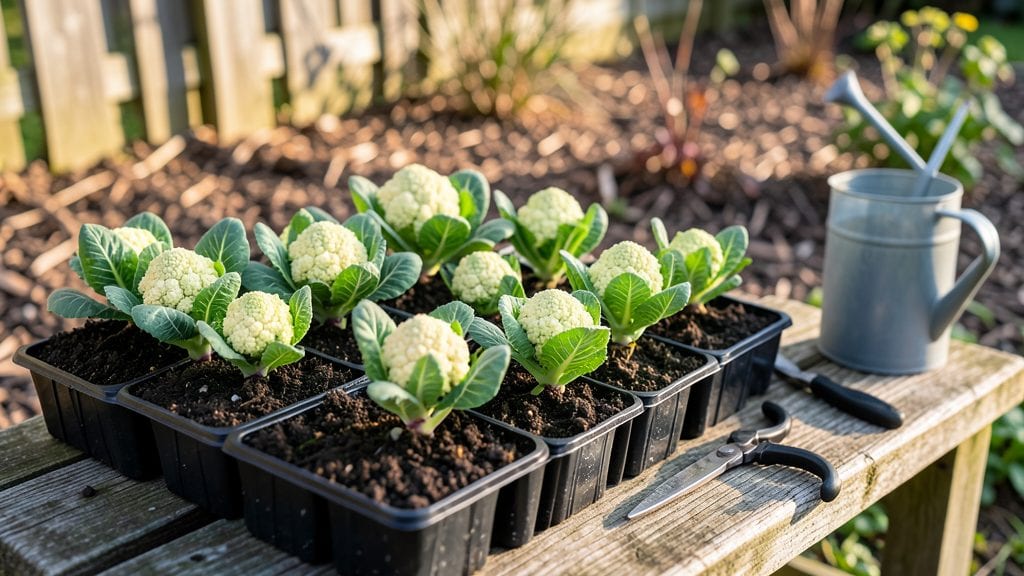
Growing romanesco cauliflower seedlings gives you a head start on those stunning fractal heads that look like nature’s own math puzzle. 🌱 The secret to success? Starting seeds indoors 8-10 weeks before your last frost—my plants hit the garden ready to grow, not struggling to catch up.
That extra time means bigger harvests and fewer surprises when summer rolls around.
You’ll need a sunny windowsill or grow light, seed-starting mix, and patience—though trust me, the payoff is worth it. Romanesco thrives in cooler weather, so it’s perfect for early spring or fall plantings too.
The seedlings are delicate at first, but once they hit the garden, they grow fast and handle heat better than regular cauliflower.
By midsummer, you’ll be harvesting those vibrant green starbursts that taste like a cross between broccoli and Brussels sprouts—nutty, tender, and packed with flavor. The best part? One plant produces enough for multiple meals, and the unique shape makes it a conversation starter in any kitchen.
Whether you’re growing in containers or garden beds, this variety adapts well—just keep the soil moist and watch those fractals form. Ready to grow your own? Let’s get those seedlings sprouting!
📚 In This Guide
- What you need
- Instructions
- Tips and common mistakes
- Wrapping up and next steps
What you need
- ● Seeds: 10–20 Romanesco cauliflower seeds (organic, non-GMO preferred for best germination).
- ● Seed-starting mix: 2–3 quarts of sterile, seedling-specific potting soil (avoid garden soil—it’s too dense!).
- ● Containers: 4–6 biodegradable seedling pots (2–3 inches deep) or a seed tray with individual cells.
- ● Watering can or spray bottle: With a fine mist nozzle to avoid disturbing seeds.
- ● Grow lights or sunny windowsill: A full-spectrum LED grow light (12–16 hrs/day) or a south-facing window (6+ hrs of sunlight).
- ○ Heat mat (optional but helpful): For faster germination (70–75°F is ideal).
- ● Small hand trowel: For gently pressing seeds into soil.
- ● Humidity dome or plastic wrap: To retain moisture while seeds sprout.
- ● Fertilizer: A balanced, water-soluble fertilizer (5-5-5 or 10-10-10) for seedlings (use sparingly!).
- ● Labels & markers: To track planting dates (romanesco takes 90–120 days to harvest!).
- ● Scissors or knife: For transplanting (if using biodegradable pots).
Step-by-step instructions for germinating romanesco cauliflower seedlings
Here's how to get those stunning starburst heads growing strong and fast.
🌱 Step 1: Prep the Seeds for Quick Germination
Romanesco seeds germinate fastest when prepped properly. Soak the seeds in lukewarm water for 12-24 hours—this softens the tough outer shell and speeds up sprouting. I use a small bowl with a damp paper towel draped over it to keep seeds moist while they soak. You'll know they're ready when the outer coating looks slightly wrinkled and the seeds feel plump to the touch.
After soaking, spread the seeds on a clean paper towel and let them dry slightly for 10-15 minutes. This prevents them from sticking together when you plant. Here's the thing—don't skip this step. Wet seeds planted directly will often rot before they sprout, and that's a waste of your time and materials.
🪴 Step 2: Plant in Warm, Moist Seedling Mix
Fill your seed trays with sterile seedling mix (never garden soil—it's too heavy and can introduce diseases). Moisten the mix until it's damp but not dripping, then press it down gently to remove air pockets. Romanesco seedlings need warmth to germinate, so place the trays on a seedling heat mat set to 75-80°F.
Plant the seeds ¼ inch deep—about twice their diameter—and space them 1 inch apart in rows 2 inches apart. Use a pencil or toothpick to make small holes, then drop one seed per hole. Cover lightly with a sprinkle of additional mix. Here's where it gets fun: once planted, mist the surface with water until the soil looks evenly damp but not soggy.
☀️ Step 3: Provide Warmth and Humidity for Fast Sprouting
Cover the trays with a clear plastic dome or plastic wrap to trap warmth and humidity. Romanesco seeds germinate best in 75-85°F soil temperatures, so keep the heat mat running until you see sprouts. You'll notice condensation forming on the plastic—this is normal and helps maintain the right moisture level.
Check daily for germination, which typically happens in 7-14 days. The first sign is a tiny green shoot pushing through the soil. Once you see 50% of seeds sprouted, remove the dome immediately to prevent damping-off disease. Here's the moment that matters: keep the soil consistently moist but never waterlogged after germination.
💧 Step 4: Move to Bright Light and Thin Seedlings
As soon as seedlings emerge, move them to a spot with bright, indirect light for the first week. A south-facing window works, but if your light is weak, supplement with a grow light kept 4-6 inches above the plants. You'll see leggy growth if the light isn't strong enough—thin stems and leaves spaced far apart are your warning signs.
Once seedlings have 2-3 true leaves (not the first tiny cotyledons), thin them to 1 seedling per cell or 3 inches apart in the tray. Use clean scissors to snip unwanted seedlings at soil level, then replant the strongest one in its space. This prevents overcrowding and gives each plant room to grow strong.
Tips & tricks for germinating romanesco cauliflower seedlings
Took me a while to figure out these tricks—your Romanesco seedlings will thank you for them.
Soaking Secret: The 12-24 hour soak isn't just about speed—it's about preparing the seeds for their big debut. I've found that adding a pinch of honey or cinnamon to the soaking water can boost germination rates even further. These natural antimicrobials help prevent mold while the seeds soften. Just use a tiny amount—about ½ teaspoon per cup of water—and rinse the seeds thoroughly before planting.
Heat Mat Hack: Maintaining that 75-85°F range is crucial, but here's what nobody tells you—your heat mat's temperature setting isn't always accurate. I use an infrared thermometer to check the actual soil temperature right at planting depth. If it's running cooler than 75°F, I'll add a second layer of bubble wrap under the tray for extra insulation. The goal is consistent warmth, not just heat!
Thinning Timing: When you're thinning those seedlings in Step 4, don't wait until they're crowded—act at the 2-3 true leaves stage as instructed. But here's the thing: if you notice any seedlings with yellowing leaves or stunted growth, remove them immediately, even if they don't meet the leaf count. These are often weak plants that will compete with their healthier siblings for nutrients.
Light Transition Strategy: Moving seedlings to bright light after germination can be tricky if you don't have a south-facing window. I've had great success with a simple LED desk lamp (around 6500K color temperature) placed 4-6 inches above the plants. Start with 12 hours of light daily and gradually increase to 14-16 hours as the seedlings grow. This mimics natural daylight extension and prevents that dreaded leggy growth.
Pro Tips for Romanesco Cauliflower Seedlings
- Took me a while to figure out these tricks—your Romanesco seedlings will thank you for them.
- Soaking Secret: The 12-24 hour soak isn't just about speed—it's about preparing the seeds for their big debut.
- Heat Mat Hack: Maintaining that 75-85°F range is crucial, but here's what nobody tells you—your heat mat's temperature setting isn't always accurate.
Frequently asked questions
Got questions about growing romanesco cauliflower seedlings?
Here are answers to the most common ones to help you get started confidently!
How long does it take for romanesco cauliflower seedlings to germinate?
Romanesco cauliflower seedlings typically germinate in 7–14 days when kept in warm, moist conditions (70–80°F). For faster results, soak seeds overnight before planting and maintain consistent soil moisture. Patience is key—some seeds may take a little longer!
When is the best time to plant romanesco cauliflower seedlings outdoors?
The ideal time to transplant seedlings outdoors is 2–3 weeks after your last frost date when soil temps are at least 50°F. Romanesco thrives in cool weather (60–75°F) but struggles in heat. Start seedlings indoors 8–10 weeks before transplanting for a head start!
Can I grow romanesco cauliflower from store-bought heads instead of seedlings?
Yes! You can regrow romanesco from a store-bought head by cutting off the top 1–2 inches and placing it in water or soil. However, seedlings are faster and more reliable. If using this method, expect smaller yields and slower growth compared to purpose-grown seedlings.
Why are my romanesco cauliflower seedlings turning yellow or wilted?
Yellowing or wilting seedlings often signal overwatering, underwatering, or poor drainage. Ensure pots have drainage holes and soil stays consistently moist (not soggy). Check for pests like aphids or fungal issues (like damping-off) if seedlings look mushy or spotted.
What’s the best temperature range for growing romanesco cauliflower seedlings?
Seedlings prefer 60–75°F during the day and 50–60°F at night. Avoid extreme heat (>85°F), which can stunt growth or cause bolting. Use shade cloth if temps rise too high, and consider a heat mat (70°F) for faster germination indoors.
Wrapping up and next steps
Growing romanesco cauliflower seedlings is a rewarding journey—fast germination, stunning fractal shapes, and year-round harvests make it a must-try for any gardener! 🌱 Whether you're a beginner or a seasoned green thumb, these vibrant plants thrive with the right care, from proper soil prep to consistent moisture.
Now that you’re armed with tips and answers to common questions, it’s time to plant those seeds and watch your garden transform into a fractal masterpiece.
Ready to take the next step? Start small:
- Try a mini batch of seedlings in containers or a raised bed.
- Experiment with companion plants like herbs or leafy greens.
- Share your progress—and harvests—with fellow gardeners for inspiration!