
Light Requirements
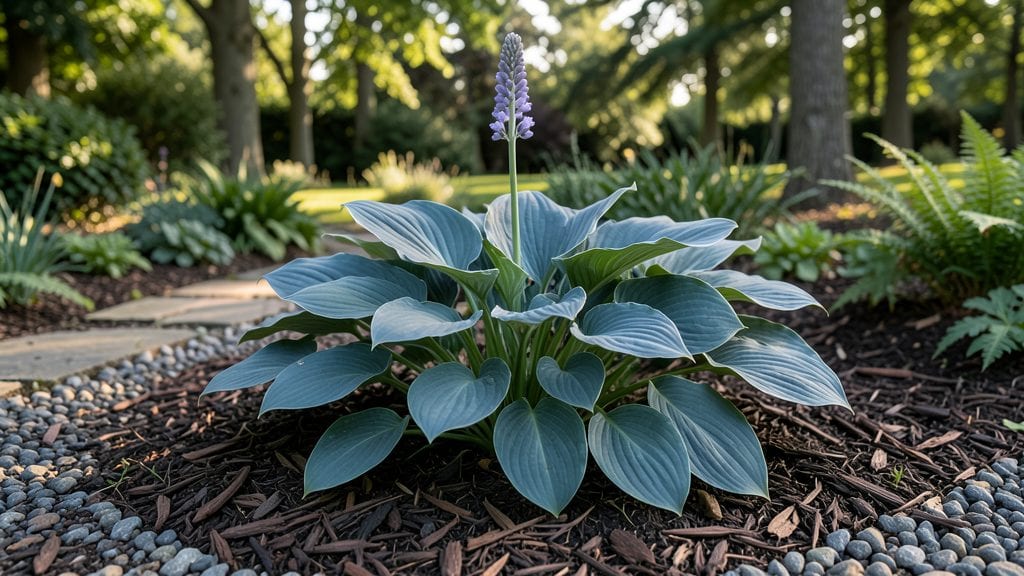
Shade-tolerant perennial flowers bring life to dark corners where sun-loving plants struggle. 🌿 I’ve transformed my own shady garden beds—once dull and forgotten—into vibrant tapestries that bloom from spring through frost.
The secret isn’t complicated: it’s about choosing the right plants that thrive in low light while still delivering bold color and texture.
These perennials work in almost any shaded spot—under trees, along north-facing walls, or in woodland gardens. My go-to list includes heuchera with its jewel-toned foliage, astilbe for feathery plumes, and bleeding heart for delicate, heart-shaped blooms that last for months.
They’re all low-maintenance, drought-tolerant once established, and pair beautifully with ferns, hostas, and shade-loving shrubs.
What you’ll end up with is a garden that feels lush and intentional, even when sunlight is scarce. The foliage stays velvety and rich, the flowers pop against dark green backdrops, and you’ll enjoy color well into autumn.
Best of all, these plants multiply over time, reducing your workload—and increasing your garden’s impact—year after year.
Whether you’re designing a woodland retreat, brightening a shady border, or filling gaps under mature trees, these perennials deliver four-season interest with minimal effort. Let’s dive into the best varieties and how to layer them for maximum effect.
📚 In This Guide
- What you need
- Instructions
- Tips and common mistakes
- Wrapping up and next steps
What you need
- ● Shade-tolerant perennial plants: 4–6 Hosta (e.g., 'Blue Angel' or 'Francee') – 1–2 per square foot
- ● 3–5 Heuchera (e.g., 'Palace Purple' or 'Lime Rickey') – 1 per 12–18 inches apart
- ● 2–3 Astilbe (e.g., 'Fanal' or 'Deutschland') – 1 per 18–24 inches apart
- ● 1–2 Bleeding Heart (Dicentra spectabilis) – 1 per 18–24 inches apart
- ● 1–2 Foamflower (Tiarella cordifolia) – 1 per 12 inches apart
- ● Soil amendments: 5–10 lbs compost or well-rotted manure per 10 sq ft
- ● 1–2 lbs organic mulch (e.g., shredded bark or pine needles) per plant
- ● Tools: Garden trowel or hand shovel
- ● Pruning shears (for cleanup)
- ● Watering can or hose with adjustable nozzle
- ○ Gloves (optional but recommended)
- ● Slow-release fertilizer (e.g., 10-10-10, applied in early spring)
- ● Mulch rings or landscape fabric (to suppress weeds)
- ● Decorative rocks or stepping stones (for pathways)
- ● pH test kit (to check soil acidity, ideal: 6.0–7.0 for most shade plants)
- ● Drip irrigation system (for consistent moisture)
How to design a low-maintenance shade garden with perennial flowers
Here's how to create a vibrant, no-fuss shade garden that blooms reliably year after year.
🌿 Step 1: Assess Your Shade Conditions
First, observe your shade levels carefully—this determines which perennials will thrive. Use a simple test: place a white piece of paper in the shadiest spot for an hour. If it stays mostly white, you have deep shade (less than 3 hours of direct sun). If it shows slight yellowing, you have partial shade (3-6 hours of sun). Most shade-tolerant perennials prefer partial shade, while a few hardy types like heuchera or hosta handle deep shade.
Take note of seasonal light changes too. Evergreen trees filter more light in summer, while deciduous trees let light through in winter. This helps you plan for year-round interest. For example, bleeding heart (Dicentra spectabilis) thrives in partial shade but may need more light in winter when other plants are dormant.
🪴 Step 2: Choose the Right Perennials for Layered Color
Select perennials that offer sequential blooms to keep your garden lively from early spring to late fall. Start with spring ephemerals like trillium or bloodroot (Sanguinaria canadensis) for fleeting but dramatic color. Add midseason bloomers like astilbe or coral bells (Heuchera) for summer texture, and finish with fall interest from Japanese anemone (Anemone hupehensis) or toad lily (Tricyrtis).
Mix heights and textures too. Tall foxglove (Digitalis) or cimicifuga (bugbane) add vertical drama, while low-growing ajuga or lamium create lush ground cover. For foliage contrast, pair silver-leaved heuchera with deep purple hosta—their colors complement each other even when not in bloom.
☀️ Step 3: Prepare the Soil for Moisture Retention
Shade gardens often have moist, compacted soil, so amending it is critical. Work in 2-3 inches of organic matter—like compost or well-rotted leaf mold—into the top 6 inches of soil to improve drainage and aeration. Avoid heavy clay by mixing in sand or perlite if needed. A soil test will tell you if you need to adjust pH; most shade perennials prefer slightly acidic to neutral soil (pH 6.0-7.0).
Mulch heavily with 3-4 inches of shredded bark or wood chips to keep roots cool and retain moisture. This also suppresses weeds, which compete aggressively in shady conditions. Replenish mulch annually, especially in spring, to maintain its protective layer.
💧 Step 4: Plant with Spacing and Long-Term Growth in Mind
Dig holes twice as wide as the root ball but no deeper to encourage outward root growth. Space perennials based on their mature size—hostas need 18-24 inches apart, while ferns can be planted 12-18 inches apart. Overcrowding leads to weak stems and disease. Plant in early spring or fall when temperatures are mild and roots can establish without stress.
Group plants with similar water needs together. Moisture-loving perennials like astilbe or tiarella should cluster near a drip irrigation line or soaker hose, while drought-tolerant types like sedum or heuchera can be placed farther from water sources. Water deeply once a week after planting to encourage deep root growth, then taper off as they establish.
✂️ Step 5: Prune and Maintain for Season-Long Beauty
Most shade perennials need minimal pruning, but timing matters. Remove dead or yellowed leaves in early spring to make room for new growth. For grasses or ornamental perennials like cimicifuga, cut back brown foliage in late winter before new shoots emerge. Avoid pruning spring bloomers like bleeding heart until after they flower, or you’ll sacrifice next year’s blooms.
Fertilize lightly in early spring with a balanced, slow-release fertilizer (10-10-10) to support new growth. Over-fertilizing leads to weak stems and fewer blooms. Instead, focus on seasonal cleanup: remove spent blooms from astilbe or heuchera to encourage more flowers, but leave seed heads on coneflowers or black-eyed Susans for winter interest and wildlife support.
Tips & tricks for perfect shade-tolerant perennial gardens
Creating a thriving shade garden doesn't have to be complicated—these practical tips will help you avoid common pitfalls and maximize your garden's potential.
Seasonal Light Adaptations: The 3-6 hour sun range for partial shade is a guideline, but seasonal variations matter. In winter, when deciduous trees lose their leaves, what was deep shade becomes partial shade. Plant bleeding heart and foamflower (Tiarella) in spots that get morning sun in winter but afternoon shade in summer. This flexibility ensures year-round color without constant relocation.
Soil Prep Pro Tip: When amending that top 6 inches of soil with 2-3 inches of organic matter, don't just mix it in—create a "soil sandwich." Layer compost on the bottom of your planting hole, then place the root ball on top, and fill the remaining space with your amended soil. This creates ideal conditions right where the roots will establish. The 3-4 inches of mulch you add afterward should be organic (like shredded bark) to slowly break down and improve soil structure over time.
Strategic Plant Pairing: The height and texture combinations in Step 2 work best when you consider growth patterns. Pair fast-spreading ground covers like ajuga with slow-growing specimens like hosta to prevent overcrowding. For example, place ajuga in front of heuchera—the ajuga's rapid spread will fill in gaps while the heuchera maintains its structure. This creates a natural, layered look that requires less maintenance over time.
Watering Wisdom: That initial once-a-week deep watering after planting is crucial, but don't assume all shade plants have the same needs. Group astilbe and tiarella together near your water source—they'll appreciate consistent moisture. Meanwhile, heuchera and sedum can handle slightly drier conditions once established. Consider installing a simple drip irrigation system on a timer for the moisture-loving perennials; it's more efficient than hand-watering and prevents overwatering.
Pro Tips for Shade Tolerant Perennial Flowers
- Creating a thriving shade garden doesn't have to be complicated—these practical tips will help you avoid common pitfalls and maximize your garden's potential.
- Seasonal Light Adaptations: The 3-6 hour sun range for partial shade is a guideline, but seasonal variations matter.
- Soil Prep Pro Tip: When amending that top 6 inches of soil with 2-3 inches of organic matter, don't just mix it in—create a "soil sandwich."
Frequently asked questions
Got questions about shade-tolerant perennials?
You’re not alone! Here are some of the most common concerns—and their easy answers—to help you garden with confidence.
What are the best shade-tolerant perennials for beginners?
Start with hardy, low-maintenance picks like heuchera (coral bells), hostas, or astilbe. These thrive in low light, handle occasional neglect, and offer year-round interest. For bold color, try bleeding heart (Dicentra) or Japanese painted fern (Athyrium)—both are foolproof and stunning!
When is the best time to plant shade-loving perennials?
Spring (after the last frost) or early fall are ideal. These windows give roots time to establish before extreme heat or cold. Avoid planting in summer—soil stays too dry, and tender roots can scorch. Pro tip: Water deeply after planting, then mulch to retain moisture!
Can shade perennials survive in very dark spots (like under trees)?
Look for foamflower (Tiarella), sweet woodruff (Galium), or wild ginger (Asarum)—they’re built for deep shade (even <2 hours of sun). For a pop of color, Japanese anemone (Anemone × hybrida) blooms late summer to fall in partial shade.
Why aren’t my shade perennials blooming as much as I expected?
Most shade plants prioritize foliage over flowers. Boost blooms by:
- Ensuring 6+ hours of dappled light (e.g., under high-canopy trees).
- Fertilizing lightly in spring with low-phosphorus feed (too much = leafy, no flowers!).
- Deadheading spent blooms (like astilbe) to encourage reblooming.
Are there shade perennials that attract pollinators?
Yes! Plant bee balm (Monarda), columbine (Aquilegia), or shade-loving clematis (like Clematis montana) to draw bees and butterflies. Even heuchera (with its nectar-rich flowers) helps pollinators. Pair with ferns for a pollinator-friendly, lush understory.
Wrapping up and next steps
Shade-tolerant perennial flowers are your secret weapon for a vibrant, low-maintenance garden that thrives year-round! 🌿 From the delicate blooms of Hosta to the bold charm of Heuchera, these plants prove that shade doesn’t mean sacrificing color or texture.
With the right choices and a little care, you can create a lush, four-season retreat that’s as easy to maintain as it is beautiful.
Ready to transform your shady spots? Start small—pick one or two perennials to test the waters, then expand your garden’s personality season by season. Your future self (and your plants!) will thank you.