Flowers
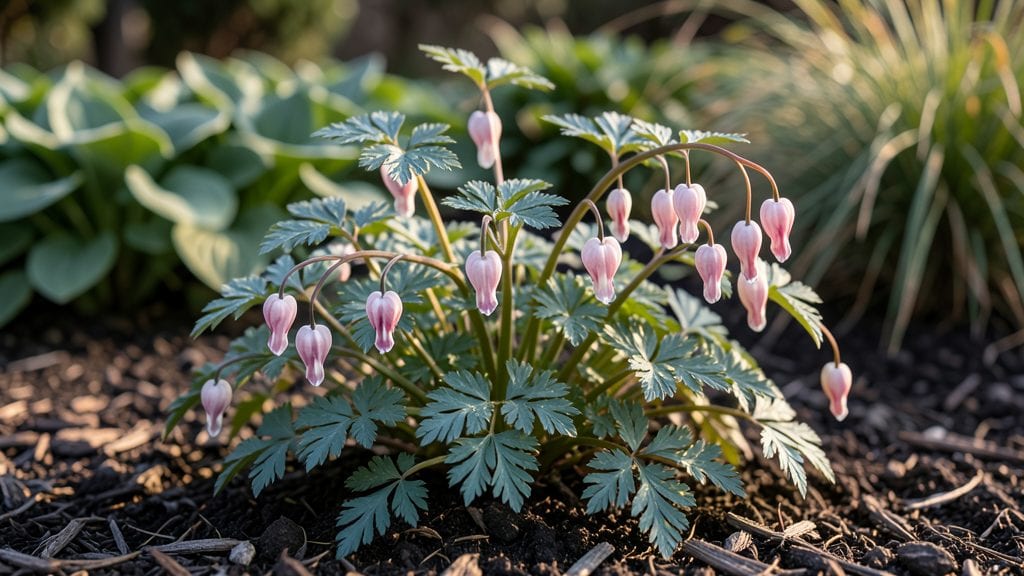
The white bleeding heart flower thrives where others falter—especially in the damp, mild climates of the Pacific Northwest. I’ve watched mine spill over garden edges like a watercolor painting, their delicate pendulous blooms swaying in the breeze while hummingbirds dart between them.
This isn’t just a pretty face; it’s a pollinator powerhouse that blooms reliably year after year with minimal fuss.
You’ll need partial shade (morning sun, afternoon dappled light), rich but well-draining soil, and patience—because these plants reward slow, steady care with months of blooms from late spring through summer.
The white variety stands out against darker foliage, creating a dreamy, ethereal contrast that’s perfect for shady borders or woodland gardens. They’re also deer-resistant, which is a bonus in rural areas.
Once established, they’re nearly self-sufficient: water when the top inch of soil dries, mulch to protect roots, and prune spent blooms to encourage more flowers. The secret to their longevity? Not overwatering and giving them space to spread naturally.
You’ll end up with a lush, low-maintenance plant that outshines trendy annuals every season.
Pair them with ferns, hostas, or astilbes for a shade garden that feels like a secret forest. And if you’re in zones 3-8, they’ll come back year after year—no replanting required. Ready to grow one that’s as tough as it is beautiful?
📚 In This Guide
- What you need
- Instructions
- Tips and common mistakes
- Wrapping up and next steps
What you need
- ● White bleeding heart plants (Dicentra spectabilis 'Alba') – 3-5 bare-root plants or potted seedlings (check local nurseries or online seed suppliers).
- ● Well-draining soil – Mix 1 part compost with 2 parts native soil or a high-quality potting mix (avoid heavy clay).
- ● Partial to full shade location – A spot with 4-6 hours of dappled sunlight (morning sun is ideal).
- ● Mulch – 2-3 inches of organic mulch (e.g., shredded bark or wood chips) to retain moisture and suppress weeds.
- ● Watering can or hose with a gentle spray nozzle – For consistent moisture (avoid soggy roots!).
- ● Garden trowel or transplant spade – For digging holes (6-8 inches deep).
- ● Garden gloves – Protect your hands while handling soil or plants.
- ● Pruners (sterilized) – For trimming dead foliage after flowering.
- ● Soil pH test kit – Ideal pH for bleeding hearts is 6.0-7.0 (amend soil if needed with lime or sulfur).
- ○ Stakes or small cages – Optional for supporting taller stems in windy areas.
- ● Wait until early spring (March-April) for planting bare-root varieties or early fall (September-October) for potted seedlings (avoid summer heat!).
- ● Prepare the planting area 1-2 weeks before transplanting to let the soil settle.
- ● Ensure your garden has consistent moisture—bleeding hearts hate drying out!
Step-by-Step guide to cultivating white bleeding heart in the Pacific Northwest
This shade-loving perennial thrives in damp, cool climates—perfect for Pacific Northwest gardens.
🌱 Step 1: Select the Ideal Planting Location
White bleeding heart (Dicentra spectabilis) thrives in partial to full shade, making it ideal for Pacific Northwest gardens where direct sun can scorch its delicate foliage. Choose a spot with dappled sunlight—morning sun with afternoon shade works best. The plant’s natural habitat is moist woodland edges, so mimic that by selecting an area where soil stays consistently humid but not waterlogged.
If your garden has heavy clay soil, amend it with 3-4 inches of organic matter like compost or leaf mold before planting. This improves drainage while retaining moisture, which bleeding heart craves. Avoid low-lying areas where water pools after rain, as root rot can quickly develop. Instead, opt for a gently sloping site where excess water drains away naturally.
🪴 Step 2: Plant Bare-Root Tubers at the Right Depth
Bleeding heart grows from tubers, not traditional roots, so handle them gently during planting. In early spring, after the last frost but before new growth appears, dig a hole 12-18 inches deep and 12-18 inches wide—these plants need space to establish their extensive root systems. Place each tuber 2-3 inches below the soil surface, with the narrow end pointing upward. This orientation encourages proper growth and prevents the plant from flopping over later.
Space tubers 18-24 inches apart in rows, allowing room for their 18-24 inch tall and 12-18 inch wide mature size. If planting in clusters, group 3-5 tubers together for a natural, woodland-effect display. Press the surrounding soil firmly around the tubers to eliminate air pockets, then water deeply to settle the soil and encourage root contact.
☀️ Step 3: Provide Consistent Moisture and Mulch
Bleeding heart’s most critical care need is consistent moisture. After planting, water deeply once a week during the first growing season, ensuring the soil stays evenly damp but not soggy. In the Pacific Northwest’s cool, wet climate, supplemental watering is usually unnecessary after establishment, but monitor soil moisture—if the top 2 inches feel dry, it’s time to water. A 5-gallon watering can applied slowly at the base prevents foliar diseases caused by overhead sprinkling.
Apply a 3-inch layer of organic mulch (like shredded bark or wood chips) around the base of the plant to retain moisture, suppress weeds, and regulate soil temperature. Refresh the mulch annually in early spring, keeping it 2-3 inches away from the stems to prevent rot. Avoid synthetic mulches, which can compact and suffocate the plant’s delicate roots.
✂️ Step 4: Prune and Divide for Long-Term Health
Bleeding heart’s heart-shaped flowers appear on new growth, so avoid heavy pruning in early spring. Instead, remove spent flower stalks as they fade to redirect the plant’s energy into foliage and next year’s blooms. Cut back yellowed or damaged leaves in late spring to maintain the plant’s tidy appearance, but leave healthy foliage until it naturally yellows in late summer or early fall.
Every 3-4 years, divide mature clumps in early spring to rejuvenate the plant and prevent overcrowding. Dig up the tubers, separate them with a clean knife, and replant the healthiest sections. Discard any tubers that appear shriveled or mushy, as these won’t regrow. Dividing also gives you free plants to share with fellow gardeners—bleeding heart spreads easily and makes a generous gift.
⏰ Step 5: Prepare for Winter Dormancy
Bleeding heart is hardy to USDA Zone 3, making it perfectly suited for Pacific Northwest winters. However, its foliage will die back naturally in late fall, signaling the plant’s dormancy period. Once the leaves turn yellow and crisp, cut them back to the ground but leave the tubers undisturbed—they’ll overwinter safely in the soil. Avoid heavy mulching in winter unless your region experiences freezing temperatures below 10°F, in which case add an extra 2-inch layer of straw mulch for insulation.
In early spring, as new shoots emerge (usually late February to early March in the PNW), remove the winter mulch and replace it with fresh organic material. This signals the plant to resume growth and ensures a strong display of pink or white heart-shaped blooms by late spring. If you notice fewer flowers over time, it may be time to divide the plant or fertilize lightly with a balanced 10-10-10 formula in early spring to encourage vigor.
Tips & tricks for cultivating white bleeding heart in the Pacific Northwest
Between us, these insights will help you avoid the most common pitfalls when growing this delicate woodland favorite.
Soil Preparation Secret: The 3-4 inches of organic matter mentioned in Step 1 is non-negotiable for Pacific Northwest clay soils. I've seen bleeding heart struggle when planted directly in unamended clay—it's why I always mix in equal parts compost and leaf mold. This combination improves drainage while maintaining the moisture retention these plants absolutely need. Think of it as creating a sponge-like environment that mimics their natural woodland habitat.
Tuber Orientation Matters: In Step 2, planting tubers with the narrow end up isn't just a suggestion—it's essential. I learned this the hard way after seeing plants flop dramatically when oriented incorrectly. The upward-facing narrow end helps establish proper growth direction from the start. When handling tubers, work gently to avoid damaging the delicate root structures that will spread extensively.
Winter Protection Strategy: That 10°F threshold in Step 5 isn't arbitrary. When temperatures drop below this in colder PNW regions, I always add the extra 2-inch straw mulch layer. This creates an insulating blanket that prevents soil temperature fluctuations that could stress the dormant tubers. In my experience, properly insulated plants emerge stronger in spring with more vigorous growth.
Pruning Precision: Step 4's advice about removing spent flower stalks is crucial for maintaining plant health. I've noticed that plants left unpruned often produce fewer blooms the following year as energy gets diverted to seed production. The key is to prune just as flowers fade—don't wait until they turn brown. This redirecting of energy is what ensures those iconic heart-shaped blooms return year after year.
Pro Tips for White Bleeding Heart Flower
- Between us, these insights will help you avoid the most common pitfalls when growing this delicate woodland favorite.
- Soil Preparation Secret: The 3-4 inches of organic matter mentioned in Step 1 is non-negotiable for Pacific Northwest clay soils.
- Tuber Orientation Matters: In Step 2, planting tubers with the narrow end up isn't just a suggestion—it's essential.
Frequently asked questions
Got questions about growing white bleeding heart flowers? You’re not alone—these delicate beauties are beloved but sometimes tricky to master. Here are answers to the most common queries to help you cultivate thriving plants with ease.
What’s the best time to plant white bleeding heart flowers in the Pacific Northwest?
Plant them in early spring or early fall for optimal success. The PNW’s mild, wet winters mean they thrive when soil temps are cool (50–60°F). Avoid summer planting—the heat can stress young roots. Pro tip: Amend soil with compost before planting to mimic their native woodland conditions.
How long does it take for white bleeding heart to bloom after planting?
With patience, you’ll see blooms in 2–3 years from seed, but established plants (purchased as starts) may flower in their first or second year. Consistent moisture and partial shade speed up the process. Troubleshooting: If no blooms appear after 3 years, check for overcrowding or poor drainage.
Can I grow white bleeding heart in containers? What’s the ideal pot size?
Yes! Use a 12–18-inch container with drainage holes and a well-draining potting mix. These plants have shallow roots, so wider pots prevent root binding. Place containers in partial shade (morning sun, afternoon shade) and water regularly to keep soil evenly moist. Warning: They’re not drought-tolerant—containers dry out faster!
Are white bleeding heart flowers truly pollinator magnets? Which bees and butterflies love them?
Their nectar-rich blooms attract hummingbird moths, bumblebees, and swallowtail butterflies. The PNW’s native Columbian silverspot butterfly also favors them. For extra buzz, plant near salmonberry or Oregon grape—their combined blooms create a pollinator buffet.
Why are my white bleeding heart leaves turning yellow or dropping? How do I fix it?
Yellow leaves often signal overwatering or root rot (common in heavy PNW clay soil). Ensure pots/containers drain well and water only when the top 1 inch of soil is dry. Drooping leaves may also mean underwatering or heat stress—move plants to shadier spots in summer. Quick fix: Trim affected leaves and adjust watering.
What are the best alternatives if white bleeding heart struggles in my garden?
Try these PNW-friendly, pollinator-loving substitutes:
- Pacific Coast Iris – Thrives in wet soils, blooms spring/summer.
- Western Columbine – Drought-tolerant, attracts hummingbirds.
- Lungwort (Pulmonaria) – Shade-loving, early bloomer.
- Bleeding Heart Vine (Ceropegia woodii) – Fast-growing, trailing option.
Wrapping up and next steps
The white bleeding heart flower isn’t just a stunning addition to your Pacific Northwest garden—it’s a low-maintenance, pollinator-friendly superstar that thrives with minimal fuss. Whether you’re drawn to its delicate blooms, resilience, or role in supporting bees and hummingbirds, this plant proves beauty and sustainability go hand in hand. 🌸
Ready to transform your garden? Start by gathering your supplies, picking a shady spot, and planting with confidence—your future blooms will thank you! For extra inspiration, sketch a quick garden layout or browse local nurseries for companion plants to create a thriving ecosystem. Happy gardening! 🌿