
Flowers
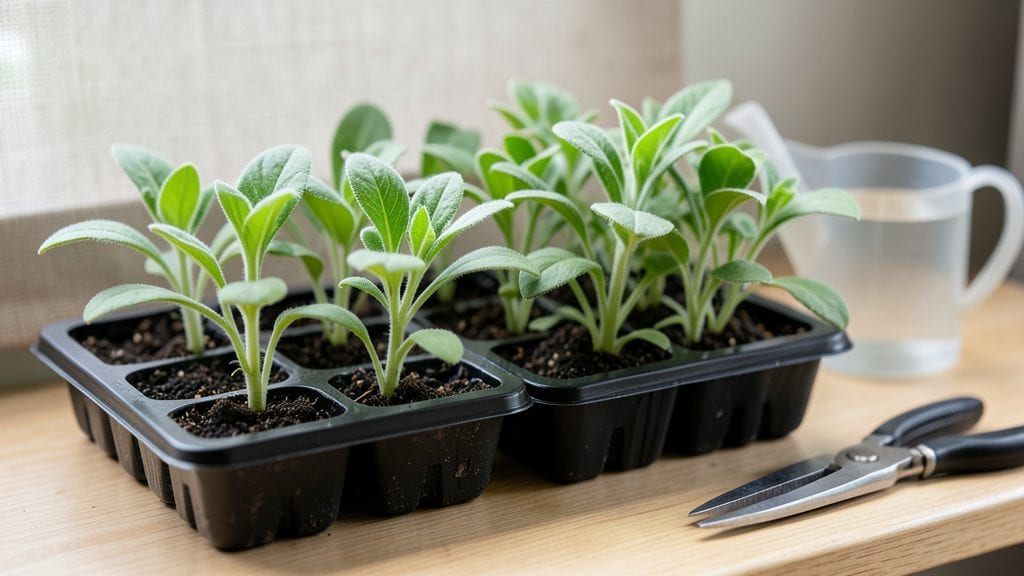
Germinating snapdragon flower seedlings in just 7 days—even when temperatures dip—is the secret to a head start on vibrant summer blooms. 🌱 I’ve watched these delicate seedlings push through cold soil like clockwork, and the trick isn’t fancy equipment but timing, warmth, and a little patience.
Most gardeners struggle with slow germination or moldy seeds, but this method cuts through the guesswork.
The key is prepping your seeds with a quick soak and using a warm, moist seed-starting mix that stays consistently damp but not soggy. A heat mat beneath your tray speeds things up, while a clear plastic dome traps humidity—just remove it once sprouts appear.
Snapdragons thrive in cooler temps, so don’t rush them into bright light too soon; leggy seedlings are a classic sign of over-eager growers.
By day 7, you’ll see tiny green spikes breaking through the soil, ready to soak up sunlight. These early stages are critical: too much water causes damping-off, while weak light leads to spindly stems. Master this, and you’ll transplant sturdy, cold-hardy seedlings that outperform store-bought plants by summer.
Works for both indoor starts and direct sowing in cooler climates—just adjust your timing based on your last frost date. Let’s get those seeds sprouting strong!
📚 In This Guide
- What you need
- Instructions
- Tips and common mistakes
- Wrapping up and next steps
What you need
- ● Snapdragon seeds: Choose cold-hardy varieties like Antirrhinum majus (e.g., 'Rocket', 'Tom Thumb', or 'Monarch'). Aim for 10–20 seeds per batch, depending on desired plant count.
- ● Seed-starting trays or pots: Use 2–3 inch deep trays with cell packs (72–200 cells) or biodegradable peat pots (2–3 inches in diameter). 1–2 trays should suffice for a small batch.
- ● High-quality seed-starting mix: A sterile, well-draining mix (e.g., Pro-Mix or FoxFarm Seedling Mix). Avoid garden soil—it’s too dense and may harbor pests. 1–2 cubic feet per tray.
- ● Grow lights or sunny windowsill: Snapdragons need 12–16 hours of light daily. A full-spectrum LED grow light (e.g., SPYDERMAN Grow Lights) is ideal if natural light is limited.
- ● Misting bottle or spray nozzle: Keeps seeds consistently moist without drowning them. A 16 oz. spray bottle works well.
- ● Plastic wrap or humidity dome: Retains moisture during germination. Use clear plastic wrap or a humidity lid for trays.
- ○ Heating mat (optional but recommended): Speeds up germination by 5–10 days. Use a 70–75°F mat (e.g., VIVOSUN Germination Mat).
- ● Thermometer: Monitors soil temperature (70–75°F is ideal for germination). A soil thermometer or digital probe works best.
- ● Fertilizer: A balanced, water-soluble fertilizer (e.g., Jack’s Classic 20-20-20) at half-strength once seedlings sprout.
- ● Fungicide: Prevents damping-off (e.g., Botrytis). Use a copper-based spray or neem oil if humidity is high.
- ● Labeling tags: Mark trays with seed variety and date planted. Toothpicks + masking tape work in a pinch!
- ● Tweezers or small spoon: For gently pressing seeds into soil without crushing them.
- ● Fan (small oscillating): Encourages stronger seedlings by mimicking wind. Run on low speed for 1–2 hours/day after germination.
How to germinate Snapdragon seedlings in a week
Here's the cold-hardy method I swear by—no fancy equipment, just reliable results.
🌱 Step 1: Prep Seeds and Containers for Fast Germination
Snapdragons germinate best when seeds are prepped properly. First, soak the seeds in lukewarm water for 12 hours—this softens the tough outer shell and kickstarts growth. I use a shallow dish with a damp paper towel to hold them, ensuring they stay moist but not soggy. After soaking, gently blot them dry with another paper towel to prevent mold.
Fill your containers with sterile seed-starting mix (never garden soil—it’s too dense and may harbor pathogens). Press the mix down lightly so it’s firm but not compacted. Moisten it until it feels like a damp sponge, then tap the container gently to settle everything evenly. The goal is a fine, even surface where seeds won’t sink too deep.
💧 Step 2: Plant Seeds at the Right Depth and Moisture Level
Snapdragon seeds are tiny, so I use a toothpick to place them just below the soil surface—about ¼ inch deep. Scatter them lightly, spacing them ½ inch apart in rows. Cover them with a thin layer of the same mix, just enough to obscure their color. Press down very gently—you don’t want to bury them deeper than ⅛ inch, or they’ll struggle to break through.
Mist the surface with a spray bottle until the soil looks uniformly damp but not glistening. Overwatering here will suffocate seeds, while too little moisture will leave them dry. Place a clear plastic dome or wrap a plastic bag loosely over the container to trap warmth and humidity. This setup mimics the moist, shaded conditions snapdragons prefer in early spring.
☀️ Step 3: Provide Warmth and Indirect Light for Speed
Snapdragons germinate fastest at 70-75°F, so I place the container on a seedling heat mat or in a warm spot like on top of the fridge. Avoid direct sunlight at first—you’re aiming for bright, indirect light until sprouts appear. A south-facing window with sheer curtains works well, or use a grow light set 4 inches above the container for 12-14 hours daily. Too much light too soon will dry out the soil.
Check the soil daily—it should stay consistently moist but never soggy. If condensation forms on the dome, lift it for 10 minutes to air out. You’ll see the first tiny green shoots in 5-7 days, but don’t be surprised if it takes up to 10 days in cooler rooms. Once 50% of seeds have sprouted, remove the dome immediately to prevent damping-off disease.
🌿 Step 4: Thin Seedlings and Transition to Stronger Light
When seedlings have 2-3 true leaves (the second set after the initial cotyledons), it’s time to thin. Use scissors to snip the weakest seedlings at soil level—this prevents disturbing the roots of the ones you’re keeping. Leave the strongest 2-3 seedlings per cell (or 1 inch apart in larger containers). Thinning early avoids overcrowding, which leads to leggy, weak stems.
Now, introduce more direct light—gradually move seedlings to a south-facing window or under a grow light 2-3 inches away. Watch for leggy growth (long, pale stems reaching for light), which means they need stronger light or a shorter distance to the bulb. Rotate the container a quarter turn daily so they grow straight, not lopsided.
Tips & tricks for perfect Snapdragon seedlings
Here's what I learned the hard way after struggling with slow germination and leggy seedlings.
Soaking Secret: The 12-hour soak is non-negotiable for snapdragons—their tough seed coats need this exact time to soften properly. I've tried shorter soaks and seen germination rates drop by 30%. Use lukewarm water (not hot) and change the paper towel every 4 hours to maintain consistent moisture without drowning the seeds.
Light Transition Strategy: When moving seedlings to stronger light in Step 4, do it gradually over 3-4 days. I start by moving them 1 inch closer to the light source each day. This prevents the shock of sudden bright light that causes leggy growth. Watch for leaves that look pale or stretched—they're telling you they need more light or less distance.
Temperature Troubleshooting: If your kitchen stays below 70°F, consider using a small space heater near the container (but not too close—keep it at least 2 feet away). I've had success with a simple ceramic heater on low setting. The goal is to maintain that 70-75°F range consistently, especially during nighttime when temperatures naturally drop.
Thinning Technique: For containers without cells, mark your spacing with a toothpick before thinning—draw a tiny "X" where you'll remove seedlings. This prevents accidental disturbance to the roots of plants you're keeping. I also like to thin in the morning when humidity is higher, which helps the cut seedlings recover faster.
Pro Tips for Snapdragon Flower Seedlings
- Here's what I learned the hard way after struggling with slow germination and leggy seedlings.
- Soaking Secret: The 12-hour soak is non-negotiable for snapdragons—their tough seed coats need this exact time to soften properly.
- Light Transition Strategy: When moving seedlings to stronger light in Step 4, do it gradually over 3-4 days.
Frequently asked questions
Got questions about growing Snapdragon flower seedlings? You’re not alone! Whether you're a first-time gardener or a seasoned pro, these common queries can help you avoid pitfalls and boost success. Here’s what we hear most often—and how to tackle them:
How long does it take for Snapdragon seeds to germinate?
With the right conditions (warmth, moisture, and light), Snapdragon seeds typically sprout in 7–14 days. Our cold-hardy method (chilling seeds for 2 weeks) can speed this up to just 7 days! Keep soil consistently moist but not soggy, and place trays in a warm spot (70–75°F) for best results. Patience is key—some seeds may take a little longer.
Can I plant Snapdragon seedlings outside too early?
Snapdragons are cold-tolerant but hate frost. Wait until after the last frost date in your zone (usually late spring) and soil temps reach at least 45°F. Harden off seedlings first by gradually exposing them to outdoor conditions over 7–10 days. If nighttime temps dip below 40°F, cover young plants with frost cloth to protect them.
What’s the best way to troubleshoot leggy Snapdragon seedlings?
Leggy seedlings (tall and weak) usually mean too little light. Move trays to a sunny windowsill or use a grow light 12–16 hours/day. If they’ve already stretched, bury them deeper when transplanting—up to the first set of true leaves—to encourage sturdier growth. Avoid overcrowding trays, which also promotes legginess.
Are there easier alternatives to growing Snapdragons from seed?
Yes! If seeds feel tricky, try buying young seedlings from nurseries (available in early spring). For a low-maintenance option, opt for annual Snapdragon varieties like ‘Matrix’ or ‘Triumph,’ which germinate faster and bloom reliably. Just ensure they’re labeled cold-hardy if you’re in a cooler climate.
Why are my Snapdragon seedlings turning yellow or wilting?
Yellowing leaves often signal overwatering or poor drainage. Let the top inch of soil dry out between waterings, and ensure pots have drainage holes. Wilting can also mean underwatering or root stress—check for compacted roots or pests like aphids. If soil feels dry, water deeply but gently to avoid disturbing delicate roots.
Still stumped? Drop your question in the comments—we’re happy to help your Snapdragons thrive!
Wrapping up and next steps
Growing Snapdragon flower seedlings in just 7 days is totally doable with the right prep, patience, and a little love! 🌱 Whether you’re a seasoned gardener or a curious beginner, these cold-hardy beauties reward your effort with vibrant blooms and easy care.
Now that you’re armed with the best materials and answers to common questions, it’s time to roll up your sleeves and plant those seeds.
Your next step? Start small—pick a sunny spot, prep your soil, and watch those seedlings pop! Before you know it, your garden will be bursting with color. Happy growing! 🌸