
Succulent
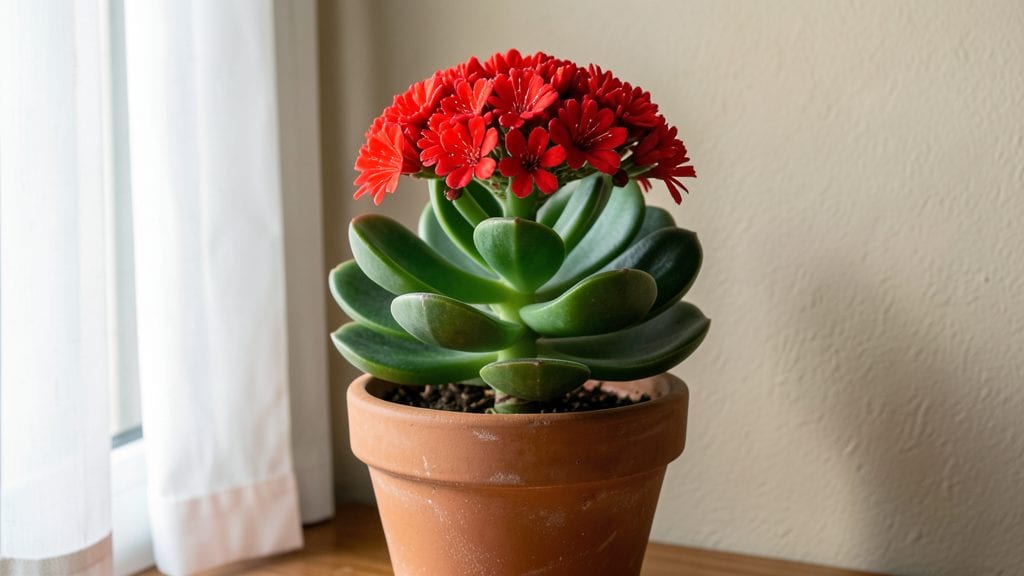
Growing a succulent with red flowers is like having a tiny desert sunset in your windowsill—just with less sunburn risk. 🌵 I’ve grown Echeveria, Kalanchoe, and Sedum for years, and the secret to those bold blooms isn’t complicated: it’s all about light, timing, and a little patience.
Most people overwater or underlight, and suddenly their prized red flowers vanish. But once you nail these basics, you’ll get vibrant blooms that last for months.
The right setup makes all the difference. You’ll need a bright spot (south-facing window or grow light), well-draining soil, and a pot with drainage holes—no fancy equipment, just smart choices. Red-flowering succulents like Kalanchoe blossfeldiana thrive with 6+ hours of sunlight daily, while Echeveria prefers bright but indirect light.
Water only when the soil is bone-dry, and avoid cold drafts, which can shock the plant right before blooming season.
When you get it right, the payoff is stunning: clusters of deep red, pink, or orange flowers that pop against the green foliage. My Kalanchoe blooms for 8-10 weeks straight if I trigger it with 12+ hours of darkness for 6 weeks (yes, it’s a hack).
The flowers aren’t just pretty—they’re a sign your plant is happy, healthy, and ready to reward you with color all year.
Works for apartments, offices, or sunny porches—no greenhouse needed. Let’s get those red blooms going!
📚 In This Guide
- What you need
- Instructions
- Tips and common mistakes
- Wrapping up and next steps
What you need
- ● Succulent with red flowers: Choose a variety like Echeveria elegans, Kalanchoe blossfeldiana, or Sedum morganianum (with red blooms). (1 plant)
- ● Well-draining potting mix: Cactus/succulent soil blend or a mix of 50% potting soil + 50% perlite/pumice. (1 bag or ~2 gallons)
- ● Pot with drainage holes: Terracotta or ceramic (6–8 inches in diameter for mature plants). (1 pot)
- ○ Gravel or pebbles: For decorative drainage layer (optional but recommended). (½ cup)
- ● Trowel or small shovel: For planting/transplanting. (1)
- ● Watering can or spray bottle: With a narrow spout for precise watering. (1)
- ● Sunlight access: Bright, indirect light (4–6 hours daily) or a grow light for indoor setups.
- ○ Fertilizer (optional): Balanced liquid fertilizer (5-10-5) or succulent-specific granules. (1 small bottle)
- ○ Pruning shears (optional): For trimming spent blooms or leggy growth. (1 pair)
Step-by-Step guide to growing a stunning red-flowering succulent
Here’s how to coax vibrant red blooms from your succulent with minimal fuss.
🌱 Step 1: Select the Right Red-Blooming Succulent Variety
Not all succulents produce red flowers, so choose a proven bloomer like Kalanchoe blossfeldiana (flaming Katy), Echeveria elegans (Mexican hens-and-chicks), or Sedum morganianum (donkey tail). These varieties thrive indoors and reward you with bright red flowers when given the right conditions.
Check the plant’s tags for its full name—some hybrids or mislabeled varieties may not bloom reliably. If starting from seed, expect 12-18 months before your first flowers appear. Patience pays off, but established plants (3-5 inches tall) will bloom faster.
☀️ Step 2: Position for Maximum Light and Trigger Blooming
Red-flowering succulents need bright, indirect light for at least 6 hours daily—a south or east-facing window works best. Too little light leads to leggy growth and no flowers, while harsh afternoon sun can scorch leaves. If your space lacks natural light, a full-spectrum LED grow light (12-16 hours/day) keeps them happy.
Here’s the trick for blooms: Simulate winter conditions. Reduce watering in late fall and expose the plant to 12 hours of darkness nightly for 6-8 weeks. This mimics seasonal changes and triggers flower buds. Watch for tiny red or green buds forming at the stem tips—this is your cue that the strategy worked.
💧 Step 3: Water and Fertilize for Healthy Growth
Overwatering is the #1 killer of red-flowering succulents. Let the top 1-2 inches of soil dry completely between waterings—stick your finger in the soil to check. In winter, water only every 3-4 weeks, as growth slows. Use a terracotta pot to help wick away excess moisture if needed.
Feed your plant once in spring and again in early summer with a balanced, water-soluble fertilizer (diluted to half-strength). Avoid fertilizing in fall or winter—this encourages leafy growth over flowers. You’ll know it’s thriving when leaves stay plump and vibrant, not wrinkled or translucent.
✂️ Step 4: Prune and Deadhead for More Blooms
After flowers fade, snip spent blooms just above a leaf node with clean scissors to encourage new growth. This also keeps the plant looking tidy and prevents seed pods from draining energy. If your succulent grows leggy, trim back overlong stems to encourage bushier growth—just avoid cutting into the thick, water-storing leaves.
Propagate cuttings to share with friends or expand your collection. Let trimmed sections dry for 1-2 days to callus over, then place them on damp potting mix. Roots will form in 2-4 weeks, and you’ll have a ready supply of new plants.
🪴 Step 5: Repot and Refresh Soil for Long-Term Blooms
Repot every 2-3 years or when roots circle the pot. Choose a container 1-2 inches larger than the current one—succulents prefer being slightly root-bound. Use a fast-draining cactus/succulent mix with perlite or pumice to prevent soggy soil.
After repotting, hold off on watering for 3-5 days to let any damaged roots heal. Place the plant in a shady spot for a week to reduce stress, then gradually reintroduce it to bright light. A well-timed repot in early spring gives your succulent a fresh start for the blooming season.
Tips & tricks for perfect red-flowering succulents
Here's what nobody tells you about growing vibrant red blooms that last all year.
Lighting Strategy: For the 6 hours of daily light mentioned in Step 2, position your plant near an east-facing window first—morning sun is gentler and prevents scorching. If using artificial light, place the grow light 6-12 inches above the plant and adjust height as it grows. Too close causes leaf burn; too far reduces effectiveness. Rotate the pot weekly for even growth.
Bloom Trigger Timing: The 6-8 weeks of darkness in Step 2 works best when started in late October. Use a blackout box or move the plant to a closet for the nightly 12 hours of darkness. Watch for tiny buds forming at stem tips—this confirms the process is working. If buds don't appear after 8 weeks, extend the darkness period by 2 more weeks.
Watering Wisdom: The top 1-2 inches of soil dry completely rule in Step 3 is non-negotiable. Use a moisture meter for accuracy—succulents hate soggy roots. In winter, when you're watering only every 3-4 weeks, group waterings with other care tasks to avoid forgetting. A terracotta pot helps prevent overwatering by wicking moisture away naturally.
Repotting Recovery: When repotting every 2-3 years in Step 5, choose a pot just 1-2 inches larger than the current one—bigger pots encourage leafy growth over flowers. After repotting, the 3-5 day watering break gives roots time to heal. Place the plant in shade for a week to reduce stress, then reintroduce it to bright light gradually over 3-4 days to avoid shock.
Pro Tips for Succulent With Red Flower
- Here's what nobody tells you about growing vibrant red blooms that last all year.
- Lighting Strategy: For the 6 hours of daily light mentioned in Step 2, position your plant near an east-facing window first—morning sun is gentler and prevents scorching.
- Bloom Trigger Timing: The 6-8 weeks of darkness in Step 2 works best when started in late October.
Frequently asked questions
Got questions about growing succulents with stunning red flowers? Here are some of the most common ones—plus expert answers to keep your plants thriving!
How often should I water my succulent with red flowers?
Water your succulent only when the soil is completely dry—usually every 2-4 weeks, depending on climate. Overwatering is the #1 killer! Stick your finger 1-2 inches into the soil; if it feels dry, it’s time to water. Pro tip: Use a pot with drainage holes to prevent root rot.
Why aren’t my red-flowering succulents blooming?
Succulents need 12+ hours of sunlight daily and a cooling period (like 50-60°F nights) to trigger blooms. If they’re indoors, a south-facing window or grow lights help. Bonus: Fertilize lightly in spring with a succulent-specific formula to encourage flowering.
Can I grow red-flowering succulents indoors year-round?
Yes! Choose compact varieties like Kalanchoe blossfeldiana or Echeveria ‘Lola’, which thrive indoors. Place them near a bright window (south or west-facing) and supplement with grow lights in winter. Watch out: Drafts from AC/heaters can stress them—keep temps stable (60-80°F).
What’s the best way to propagate my red-flowering succulent?
Use leaf or stem cuttings! Snip a healthy leaf or stem, let it callus for 1-3 days, then place it on dry soil. Mist lightly until roots form (4-6 weeks). Fun fact: Some succulents, like Sedum, can even root in water! Just transplant to soil afterward.
How do I treat pests on my red-flowering succulent?
Check for mealybugs, aphids, or spider mites on undersides of leaves. Wipe off pests with a damp cloth or spray with neem oil (mix 1 tsp neem oil + 1 quart water). For severe infestations, isolate the plant and repeat treatment every 5-7 days. Prevent pests: Avoid overwatering and keep leaves dry.
Wrapping up and next steps
Growing a succulent with red flowers is a rewarding journey that brings vibrant color and low-maintenance beauty to your space! With the right soil, sunlight, and care, you’ll enjoy stunning blooms year-round—even as a beginner. Now’s the perfect time to start or expand your collection!
Ready to dive deeper? Experiment with propagation to share your newfound green thumb with friends, or explore more striking succulent varieties to keep your garden thriving. Happy planting! 🌸🌱