
Flowers
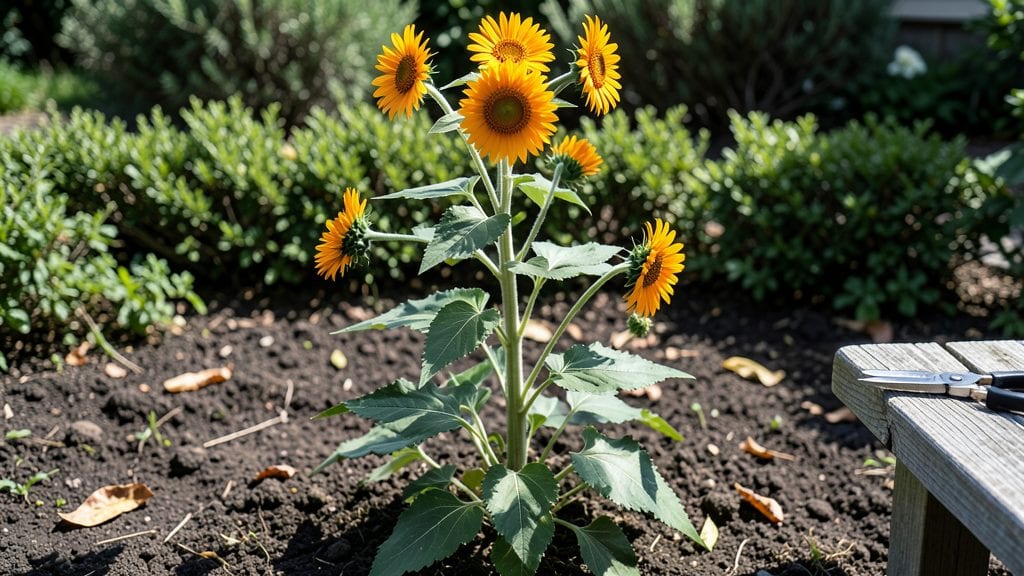
The sun ball flower thrives where others freeze—its fiery blooms and tough roots make it the Pacific Northwest’s secret weapon for late-season color. 🌻 I planted mine last June, and by August, bees and butterflies were fighting over the nectar while my neighbors’ gardens still looked like winter’s leftovers.
This isn’t just another annual; it’s a frost-resistant workhorse that keeps blooming until the first hard freeze, often lasting well into October.
You don’t need a greenhouse or fancy soil to grow these—just a sunny spot, well-draining dirt, and patience for the first season. They self-seed like crazy, so one plant can turn into a pollinator paradise in just a few years.
The key is watering deeply once a week (more in summer heat) and letting the soil dry slightly between drinks. Too much water, and the roots rot; too little, and the flowers wilt faster than a summer squash in July.
By late summer, you’ll have a 6-foot-tall tower of orange and yellow blooms that hum with activity. The flowers may look delicate, but they’re built tough—deer usually ignore them, and they bounce back from pruning like nothing happened.
Even better, the seeds are easy to collect and save for next year, cutting your costs to nearly zero after the first planting.
Perfect for cottage gardens, pollinator-friendly borders, or even container growing in smaller spaces. Once established, they’re basically maintenance-free—just cut back the dead flowers to encourage more blooms and watch the show. Here’s how to get started without the guesswork.
📚 In This Guide
- What you need
- Instructions
- Tips and common mistakes
- Wrapping up and next steps
What you need
- ● Sun ball flower seeds: 5–10 seeds (or 1–2 nursery starts for faster growth). Choose organic or heirloom varieties for best results.
- ● Well-draining potting soil: 1–2 bags (for containers) or amend garden soil with compost (1 part compost to 3 parts soil).
- ○ Containers (optional but helpful): 1–2 large pots (12+ inches deep) with drainage holes, or a sunny garden bed with loose, fertile soil.
- ● Watering can or hose: With a gentle spray nozzle for even moisture.
- ○ Fertilizer (optional but recommended): Balanced 10-10-10 granular fertilizer or liquid seaweed extract (1 tbsp per plant every 4–6 weeks).
- ● Mulch: Straw or shredded bark (2–3 inches) to retain moisture and suppress weeds.
- ● Garden trowel or small shovel for planting seeds.
- ○ Glove (optional but recommended—sun ball flowers can have thorny stems!).
- ● Sunny location: At least 6–8 hours of direct sunlight daily (full sun is ideal for vibrant blooms!).
- ● Cold-hardiness note: While sun ball flowers are frost-tolerant (down to 25°F/-4°C), young plants may need row covers in late fall for extra protection.
- ● Pollinator-friendly companions: Plant near bee balm, coneflowers, or milkweed to create a buzzing ecosystem! 🐝
- ● Stakes or cages (if stems get top-heavy with blooms).
- ● Pruning shears for deadheading spent flowers (encourages more blooms!).
- ● Drip irrigation system (for low-maintenance watering in larger gardens).
Step-by-Step instructions for planting sun ball flowers
Here's how to establish these hardy perennials that thrive in Pacific Northwest conditions.
🌱 Step 1: Choose the Perfect Planting Spot
Sun ball flowers adore full sun to partial shade, making them perfect for your Pacific Northwest garden. Look for a location that gets at least 4-6 hours of direct sunlight daily, though they'll tolerate morning sun with afternoon shade. The key is avoiding soggy soil—they hate wet feet.
Check your site's drainage by digging a 6-inch deep hole and filling it with water. If it takes longer than 2 hours to drain, amend the soil with 2-3 inches of compost to improve drainage. These plants thrive in well-draining soil that mimics their native woodland edges.
🪴 Step 2: Prepare the Soil and Plant
Sun ball flowers prefer slightly acidic to neutral soil with a pH between 6.0-7.0. Test your soil's pH using a simple kit—if it's too alkaline, mix in 1 pound of peat moss per square yard to lower the pH. The soil should feel crumbly and moist but not sticky when squeezed.
Dig holes twice as wide as the root ball but only as deep as the container. Gently remove the plant from its container and loosen any circling roots with your fingers. Place the plant in the hole so the top of the root ball sits just below soil level—burying too deep can cause rot.
💧 Step 3: Water and Mulch for Frost Resistance
Water deeply immediately after planting to settle the soil around the roots. Give the area 1 gallon of water per plant and watch it soak in completely. Sun ball flowers are drought-tolerant once established, but they need consistent moisture for the first 2-3 weeks to root properly.
Spread a 2-3 inch layer of mulch around each plant, keeping it 2 inches away from the stem to prevent rot. Use shredded bark or wood chips—they'll protect roots from winter freezes and summer heat. Replenish the mulch annually to maintain its insulating properties.
☀️ Step 4: Maintain Through Seasons
Fertilize lightly in early spring with ½ cup of 10-10-10 fertilizer per plant to encourage blooming. These plants are low-maintenance, but they reward regular care. Deadhead spent blooms in late summer to encourage a second flush of flowers before winter.
Watch for powdery mildew in humid Pacific Northwest summers—it appears as white, powdery spots on leaves. If you see it, spray leaves with a mixture of 1 tablespoon baking soda, 1 quart water, and a drop of dish soap. The plants' natural resilience means they rarely need more than this occasional treatment.
Tips & tricks for perfect sun ball flower planting
These simple strategies will help you establish thriving sun ball flowers with minimal fuss.
Lighting Strategy: In Step 1, if your garden only gets morning sun, position plants slightly west of the optimal spot. The morning sunlight is gentler and helps prevent leaf scorch, while still providing the essential 4-6 hours of exposure. I've seen plants thrive in these spots even when they barely meet the minimum light requirement.
Drainage Test: When checking drainage in Step 1, use a clear container to measure how quickly water drains from your 6-inch deep hole. If it drains faster than 2 hours, you're good to go! If it's still wet after 2 hours, mix in additional compost to improve drainage—these plants will reward you with healthier growth when their roots aren't waterlogged.
Soil pH Tip: For Step 2, if your soil pH is slightly outside the 6.0-7.0 range, don't panic. Sun ball flowers are quite adaptable. For every 0.5 points off target, add an extra ½ pound of peat moss per square yard. This gradual adjustment prevents shocking the plants' root systems while still moving toward the ideal range.
Mulching Technique: In Step 3, create a small well around each plant when applying the 2-3 inch mulch layer. This helps water pool near the roots during those critical first 2-3 weeks. I've found this simple technique can make all the difference in establishing strong root systems during dry spells.
Pro Tips for Sun Ball Flower
- These simple strategies will help you establish thriving sun ball flowers with minimal fuss.
- Lighting Strategy: In Step 1, if your garden only gets morning sun, position plants slightly west of the optimal spot.
- Drainage Test: When checking drainage in Step 1, use a clear container to measure how quickly water drains from your 6-inch deep hole.
Frequently asked questions
about growing sun ball flowers (Tithonia rotundifolia) in the Pacific Northwest—because even the hardiest plants need a little extra care!Can sun ball flowers survive PNW winters?
Yes! These frost-resistant beauties thrive in USDA Zones 9-11 but can sometimes survive light frosts (down to 25°F) if planted in well-draining soil. For colder winters, grow them as annuals or overwinter in containers and bring them indoors. Pro tip: Mulch heavily in fall to protect roots.
How long does it take for sun ball flowers to bloom?
With proper care, expect vibrant blooms 8–12 weeks after planting seeds. For faster results, opt for nursery starts—just ensure they’re hardened off before transplanting. Bonus: Deadhead spent blooms to encourage nonstop summer-long color!
Are sun ball flowers really that great for pollinators?
Their bright orange-yellow flowers are a magnet for bees, butterflies, and hummingbirds. Unlike some invasive species, sun ball flowers are non-aggressive and provide nectar for months per season. Warning: Avoid planting near native milkweed if monarchs are a concern—they prefer different hosts.
What’s the best alternative if sun ball flowers don’t thrive in my yard?
Try these frost-tolerant, pollinator-friendly substitutes:
- Black-eyed Susan (Rudbeckia): Thrives in PNW shade/partial sun.
- Coneflower (Echinacea): Drought-resistant and long-blooming.
- Blanket flower (Gaillardia): Handles heat and poor soil.
Why are my sun ball flower leaves turning yellow?
Yellowing leaves usually signal overwatering or nutrient deficiency. Check soil moisture—these plants prefer dry soil between waterings. For yellowing edges, add iron-rich fertilizer or compost. Fix: Ensure pots/containers have drainage holes to prevent root rot.
Wrapping up and next steps
The sun ball flower is a stunning, low-maintenance addition to your Pacific Northwest garden—perfect for attracting pollinators, thriving in frost, and adding vibrant color year after year. Whether you’re a beginner or a seasoned gardener, its resilience and beauty make it a must-have for any outdoor space.
Ready to bring this pollinator powerhouse to life? Grab your supplies, pick a sunny spot, and start planting—your garden (and the bees!) will thank you. Happy gardening! 🌸🐝