
Flowers
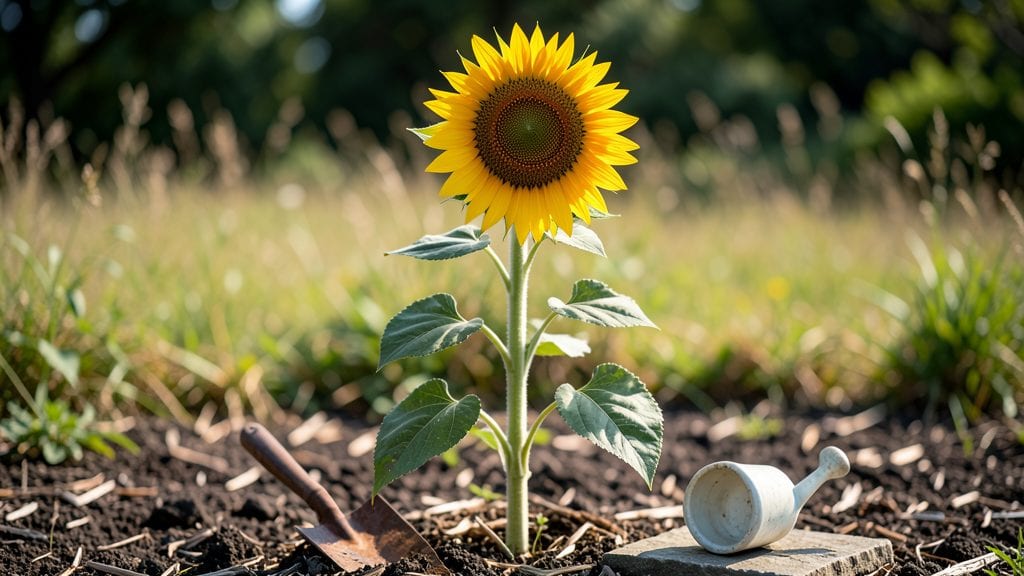
Watching sunflowers grow from tiny seeds to towering giants is like witnessing nature’s own time-lapse—each stage brings its own magic, from the first green sprout to the golden bloom that turns heads. ✨ The journey starts with a seed tucked just below the soil’s surface, waiting for warmth and moisture to coax it awake, and ends with a sunflower that can reach heights of 12 feet or more in just a few months.
This isn’t just about planting and forgetting—it’s about paying attention to the subtle shifts. Germination kicks off in 7-14 days if the soil stays consistently moist, but slow starts often mean too-cold soil or seeds buried too deep.
Once those first leaves unfurl, you’ll know you’re on the right track, followed by rapid stem growth that can add 2-3 inches per day under ideal conditions.
By mid-summer, you’ll spot the telltale green buds forming at the stem’s top, signaling the plant’s shift from leaf production to flower development.
Those buds swell into vibrant yellow petals, drawing bees and butterflies while the center transforms into a dense cluster of seeds—ready for harvest in late summer or early fall.
The real reward? A garden that evolves from a patch of green to a sun-drenched spectacle, all while teaching you the patience and precision behind growing something truly spectacular. Let’s walk through each stage so you can nurture your sunflowers from start to finish.
📚 In This Guide
- What you need
- Instructions
- Tips and common mistakes
- Wrapping up and next steps
What you need
- ● Sunflower seeds: Choose Helianthus annuus varieties (e.g., 'Mammoth' or 'Autumn Beauty'). Buy 10-20 seeds per plant, or a 1-pound packet for multiple plants.
- ● Well-draining potting mix or garden soil: 1-2 cubic yards (for in-ground planting) or 5-gallon bags (for containers). Amend with compost for fertility.
- ● Fertilizer: A balanced 10-10-10 NPK or 5-10-10 formula. Use 1-2 pounds per 100 sq ft.
- ● Watering can or hose: With a gentle spray nozzle to avoid disturbing seedlings.
- ○ Stakes or cages (optional but recommended): 5-6 ft tall for tall varieties like 'Russian Giant' (1-2 per plant).
- ● Garden trowel or transplanting spade (for digging holes or sowing seeds).
- ● Gloves (to protect hands from thorns on mature plants).
- ● Pruners or scissors (for harvesting or trimming dead blooms).
- ○ Row cover or shade cloth (optional): 30-50% shade for seedlings to prevent overheating.
- ○ Mulch (optional): Straw or wood chips to retain moisture and suppress weeds.
- ● Sunlight: Full sun (6-8+ hours daily)—sunflowers thrive in open, sunny spots.
- ● Temperature: Ideal germination range: 70-90°F (21-32°C). Avoid frost (32°F/0°C kills seedlings).
- ● Space: 12-24 inches apart (check seed packet for variety-specific spacing).
Step-by-step guide to tracking sunflower growth month by month
Watch your sunflowers transform from tiny seeds to towering giants—here's what to expect each season.
🌱 Step 1: Early Growth (Seed to 12 Inches) – Month 1
After planting seeds ½ inch deep in well-drained soil, germination takes 7-14 days at 60-70°F. You’ll see the first tiny leaves—these are the cotyledons—emerging when the soil feels damp but not soggy. Water gently at the base to avoid disturbing the seedlings.
Once the first true leaves appear (they look like small, jagged adult leaves), your sunflowers are officially off to the races. At this stage, they need full sun (6+ hours daily) to prevent leggy growth. If leaves look pale or stems stretch toward light, move the plants closer to a sunny window or supplement with a grow light.
Real talk: Don’t fertilize yet. Young sunflowers draw nutrients from the seed until they’re 4-6 inches tall. Over-fertilizing now just burns tender roots. Instead, keep soil lightly moist—sunflowers hate soggy feet.
☀️ Step 2: Rapid Vertical Growth (12 Inches to 3 Feet) – Month 2
This is the phase where sunflowers go from cute to impressive. You’ll notice new leaves unfurling every few days, and the main stem will shoot up 2-4 inches per day under ideal conditions. The plant’s central taproot grows deep, anchoring it for the towering height to come.
By 6 weeks, sunflowers should be 3-4 feet tall. This is when you can add a balanced fertilizer (like 10-10-10) if your soil is poor. Side-dress with 1-2 tablespoons near the base, then water deeply. Avoid leaf contact—fertilizer burns are a nightmare to fix.
Here’s the thing—sunflowers are heavy drinkers now. Water deeply 2-3 times per week, letting the top 2 inches of soil dry between waterings. Wilting in the afternoon means you’re not watering enough. Drooping in the morning? That’s normal—sunflowers release moisture overnight.
🌿 Step 3: Bud Formation and Stem Thickening (3-6 Feet) – Month 3
Around 8-10 weeks, you’ll spot the first buds forming at the top of the stem. These look like fuzzy green balls—your future blooms! The stem will thicken noticeably, and side branches may sprout if you’re growing a multi-stem variety. Pinch these off if you want a single, dramatic bloom.
Sunflowers need support now. If stems lean or sway in wind, drive a stake 2 feet deep next to the plant and tie the main stem loosely with twine. Too-tight ties will cut into the stem as it grows. Check stakes weekly—sunflowers grow fast, and last week’s snug fit becomes a straitjacket.
This is also when pests show up. Watch for aphids clustering on buds or squash bugs hiding under leaves. Blast them off with a strong spray of water in the morning. Neem oil works too, but apply it before 10 AM to avoid harming bees.
⏰ Step 4: Bloom to Seed Development (6+ Feet) – Months 4-5
The moment you’ve been waiting for: full bloom. Your sunflower will open its giant face to the sun, revealing the bright yellow petals and dark center. This happens 12-16 weeks after planting, depending on variety. Take photos—this is peak drama.
Once the petals fully unfurl, the reproductive stage begins. The center turns from green to brown as seeds develop. Sunflowers need consistent water but less fertilizer now—too much nitrogen delays seed maturation. Reduce watering slightly to let the soil dry 1 inch deep between sessions.
Here’s where it gets fun—watch the back of the bloom. After 2-3 weeks, the petals will wilt and fall, leaving the seed head behind. If you want seeds, leave the head on the stem until it turns golden brown and feels dry to the touch. Twist gently to harvest—if it resists, it’s not ready.
🌻 Step 5: Post-Bloom and Seed Maturity – Month 6
After the main bloom fades, check the stem for side buds. Many varieties produce secondary flowers lower on the stalk. These take longer to mature but are just as stunning. Deadhead the first bloom to redirect energy to the next one.
For seed saving, let the head dry completely on the plant (or indoors in a well-ventilated area). Once fully dry, rub the seeds from the head into a paper bag. Store them in a cool, dark place for up to 2 years. If you’re not saving seeds, cut the stem 2 inches below the bloom and compost it—sunflowers are great for pollinators even after blooming.
Don’t skip this: Sunflower stems are hollow and woody by now. If you’re growing them as cut flowers, harvest in the early morning when stems are full of water. Re-cut stems under water to extend vase life—you’ll get 7-10 days of beauty.
Tips & tricks for perfect sunflower growth
Sunflowers grow fast, but these little details make all the difference between a scraggly plant and a showstopper.
Germination Conditions: The 7-14 day germination window at 60-70°F is your best bet for success. If your soil stays cooler than 60°F, try using a seedling heat mat or placing pots in a sunny window with a clear plastic cover to trap warmth. Watch for condensation on the cover—this means humidity is just right for sprouting. Once you see those first cotyledons, remove the cover immediately to prevent mold.
Lighting Strategy: Sunflowers need full sun (6+ hours daily) from Day 1, but seedlings can't handle intense midday sun. Start them in bright, indirect light for the first week, then gradually move them to sunnier spots. I've seen leggy seedlings when people rush this transition—take it slow! If you're growing indoors, a grow light 6-12 inches above the plants for 14-16 hours daily works wonders during cloudy months.
Support System: The 2-foot deep stake recommendation in Step 3 is non-negotiable for tall varieties. Drive the stake in at a 45-degree angle away from the sun to prevent wind from pushing the plant against it. Use soft twine or old fabric strips instead of wire—sunflower stems grow so fast they'll outpace any rigid support. Check ties weekly and loosen them as the stem thickens. Between us, I've seen too many plants strangled by tight ties that worked fine yesterday.
Pest Prevention: Aphids and squash bugs love sunflower buds, but you can outsmart them. The morning water spray tip works, but I've had better luck with a homemade solution of 1 tablespoon dish soap + 1 quart water in a spray bottle. Apply it to the undersides of leaves when pests first appear—this disrupts their life cycle before they become a full-blown infestation. For neem oil, mix it with water and a drop of dish soap as an emulsifier to help it stick to leaves.
Pro Tips for Sunflower Growing Stages
- Sunflowers grow fast, but these little details make all the difference between a scraggly plant and a showstopper.
- Germination Conditions: The 7-14 day germination window at 60-70°F is your best bet for success.
- Lighting Strategy: Sunflowers need full sun (6+ hours daily) from Day 1, but seedlings can't handle intense midday sun.
Frequently asked questions
Got questions about nurturing your sunflowers through their growing stages? Here are some of the most common ones—plus quick, actionable answers to keep your plants thriving!
How long does it take for sunflowers to grow from seed to full bloom?
Most sunflower varieties reach maturity in 80–120 days after planting, depending on the type. Dwarf varieties (like 'Teddy Bear') bloom in about 55–65 days, while giant varieties (like 'Russian Giant') can take up to 140 days. Check your seed packet for the exact timeline!
What’s the best temperature for sunflower growth?
Sunflowers love warmth! Ideal soil temperatures for germination are 70–90°F (21–32°C). Once sprouted, they thrive in daytime temps of 75–85°F (24–29°C). If nights dip below 50°F (10°C), consider using row covers to protect young plants.
Why are my sunflower leaves turning yellow or spotted?
Yellowing leaves often signal overwatering, nutrient deficiency, or pests. Check for:
- Powdery mildew: White spots? Space plants better and water at the base.
- Spider mites: Tiny webs? Spray with water or neem oil.
- Nitrogen deficiency: Add compost or a balanced fertilizer.
Can I plant sunflowers in late summer for fall blooms?
Fast-maturing varieties (like 'Moulin Rouge') can be planted 6–8 weeks before your first frost for late-season blooms. Just ensure they get full sun and consistent water—cooler temps slow growth but won’t stop them from flowering!
Do sunflowers need support as they grow?
Most sunflowers are self-supporting, but tall varieties (6+ feet) may need staking if they lean or topple in wind/rain. Use bamboo stakes or cages early—waiting until they’re too tall makes it harder. Pro tip: Plant seeds in a slight trench to encourage deeper root growth and stability!
Wrapping up and next steps
Watching a sunflower transform from a tiny seed to a towering, radiant bloom is one of nature’s most rewarding experiences!
By understanding each stage—from germination to seed set—you’re not just growing a plant; you’re nurturing a masterpiece. 🌻 Whether you’re a seasoned gardener or a curious beginner, every step brings you closer to a sun-drenched harvest.
Ready to plant your first seeds or expand your garden? Start by choosing the right sunflower variety for your climate, then mark your calendar for the ideal planting window.
Soon, you’ll be basking in the joy of your own sunflower paradise—and maybe even sharing seeds (or bouquets!) with friends. Happy growing!